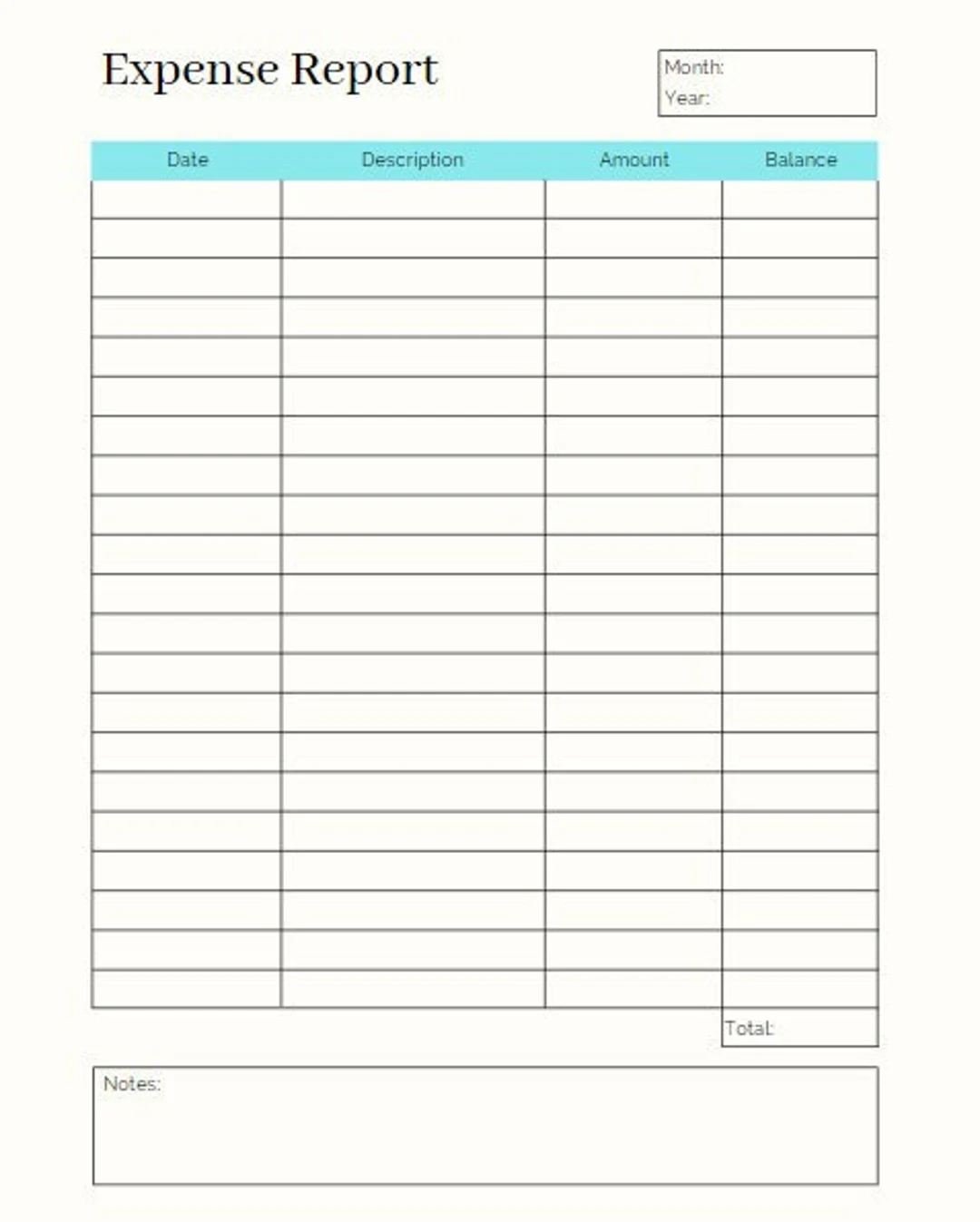
Expense reports are a crucial aspect of business operations, allowing employees to record and report business-related costs paid out-of-pocket. These reports ensure that employees are reimbursed for their expenditures, serving as a vital financial tool for tracking company spending, complying with tax regulations, and maintaining budgetary control.
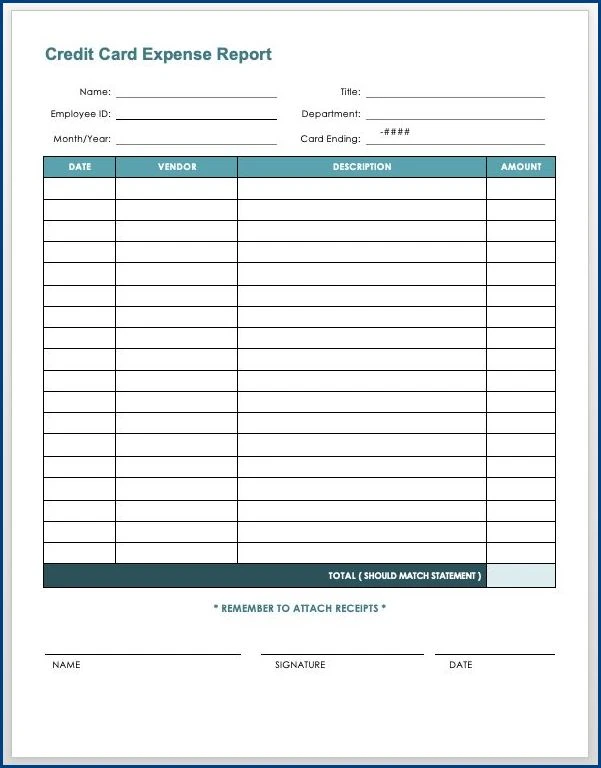
What is an Expense Report?
An expense report is a detailed record of business-related costs incurred by employees during the course of their work. It typically includes expenses such as travel, meals, accommodation, supplies, and other miscellaneous expenses that were paid for using personal funds. These reports are submitted to the company for reimbursement, ensuring that employees are not out of pocket for expenses related to their job responsibilities.
Why are Expense Reports Important?
Expense reports play a crucial role in managing company finances and ensuring compliance with tax regulations. By keeping accurate records of business expenses, companies can track spending patterns, identify areas of overspending, and make informed decisions to control costs. Additionally, expense reports are essential for tax purposes, as they provide documentation of deductible business expenses that can help companies minimize their tax liability.
What to Include in an Expense Report
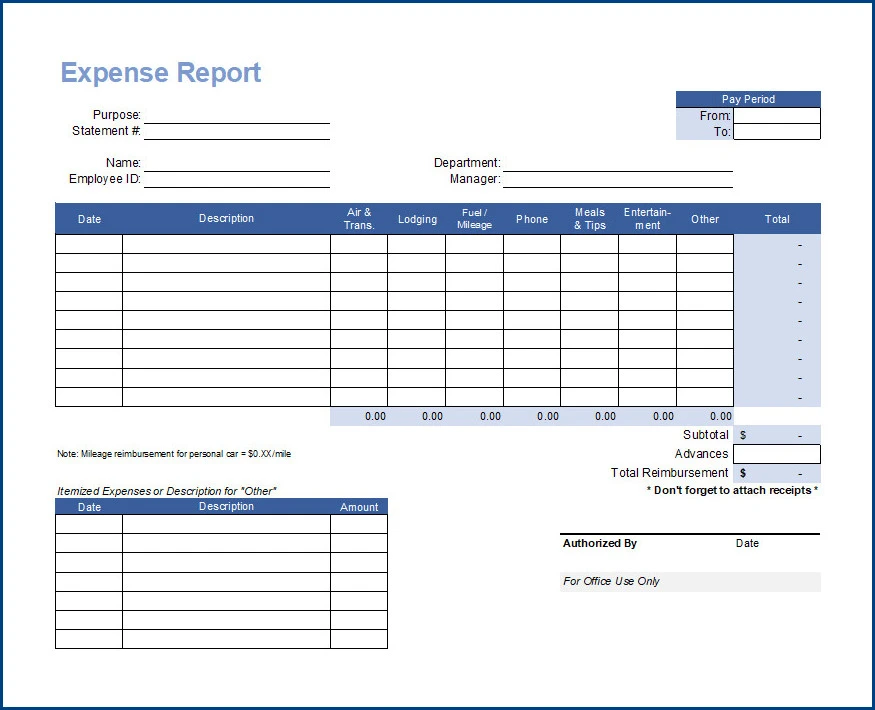
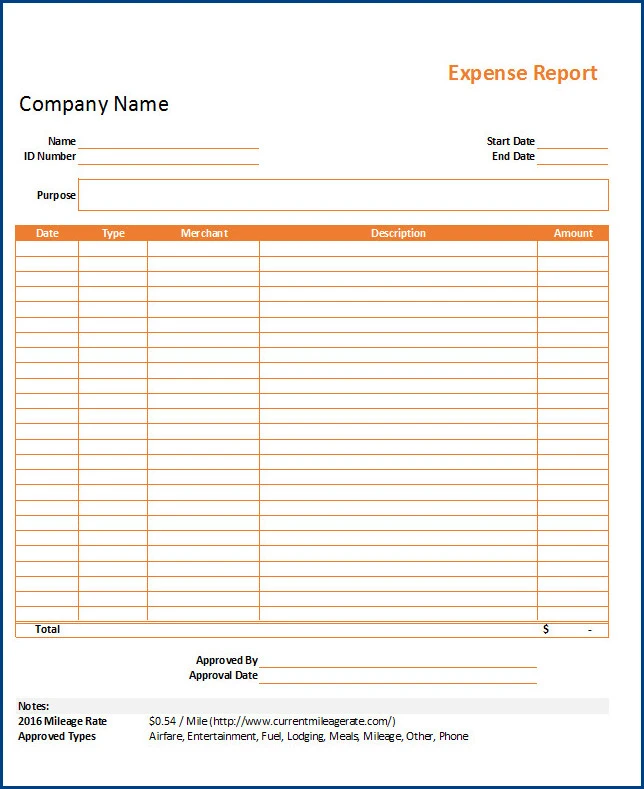
When preparing an expense report, it is important to include detailed information about each expense to ensure accurate reimbursement. Key details to include in an expense report are:
- Date of Expense: Keep track of when the expense was incurred.
- Description of Expense: Provide a detailed description of the expense, including what it was for.
- Amount Spent: Specify the exact amount spent on each expense.
- Receipts: Attach receipts as proof of the expense incurred.
- Category of Expense: Categorize each expense according to pre-defined categories such as travel, meals, supplies, etc.
- Approval Signature: Have the report approved by the relevant authority within the company.
How to Create an Effective Expense Report
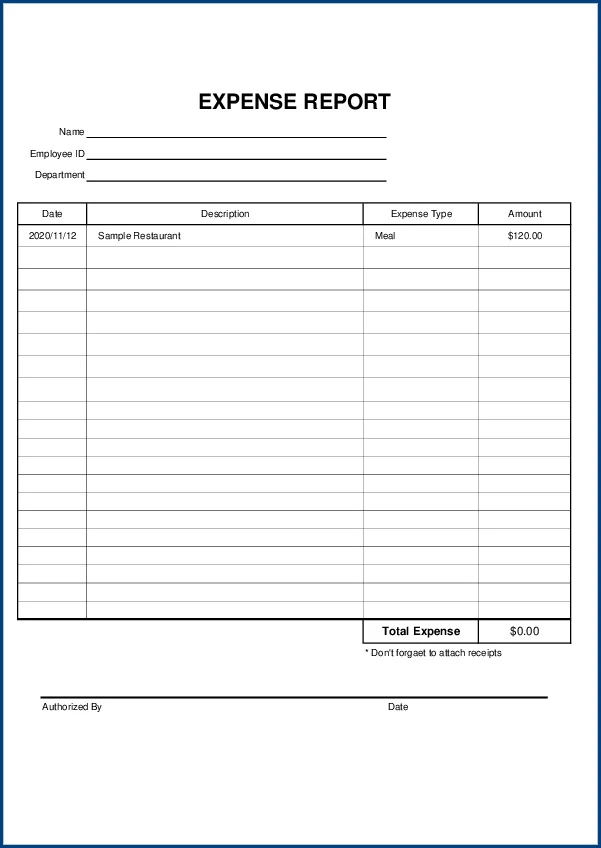
Creating an effective expense report requires attention to detail and accuracy. To ensure your expense report is comprehensive and accurate, follow these tips:
- Keep Receipts Organized: Store all receipts in one place to avoid losing them.
- Use Expense Tracking Software: Consider using expense tracking software to streamline the reporting process.
- Submit Reports on Time: Submit expense reports in a timely manner to avoid delays in reimbursement.
- Double-Check for Accuracy: Review your expense report carefully to ensure all information is correct.
- Communicate with Finance Team: If you have any questions or need clarification, don’t hesitate to reach out to the finance team.
- Follow Company Policies: Adhere to company policies and guidelines when preparing expense reports.
Tips for Successful Expense Reporting
To ensure successful expense reporting and reimbursement, keep these tips in mind:
- Be Transparent: Provide clear and detailed information about each expense.
- Stay Organized: Keep all receipts and documentation for easy reference.
- Ask for Help When Needed: If you are unsure about any aspect of the reporting process, don’t hesitate to ask for assistance.
- Track Expenses Regularly: Don’t wait until the last minute to compile your expense report; track expenses as they occur.
- Review Policies Periodically: Stay up-to-date with company policies and procedures related to expense reporting.
- Provide Feedback: Offer feedback on the expense reporting process to help improve efficiency and accuracy.
Expense Report Template – Excel
