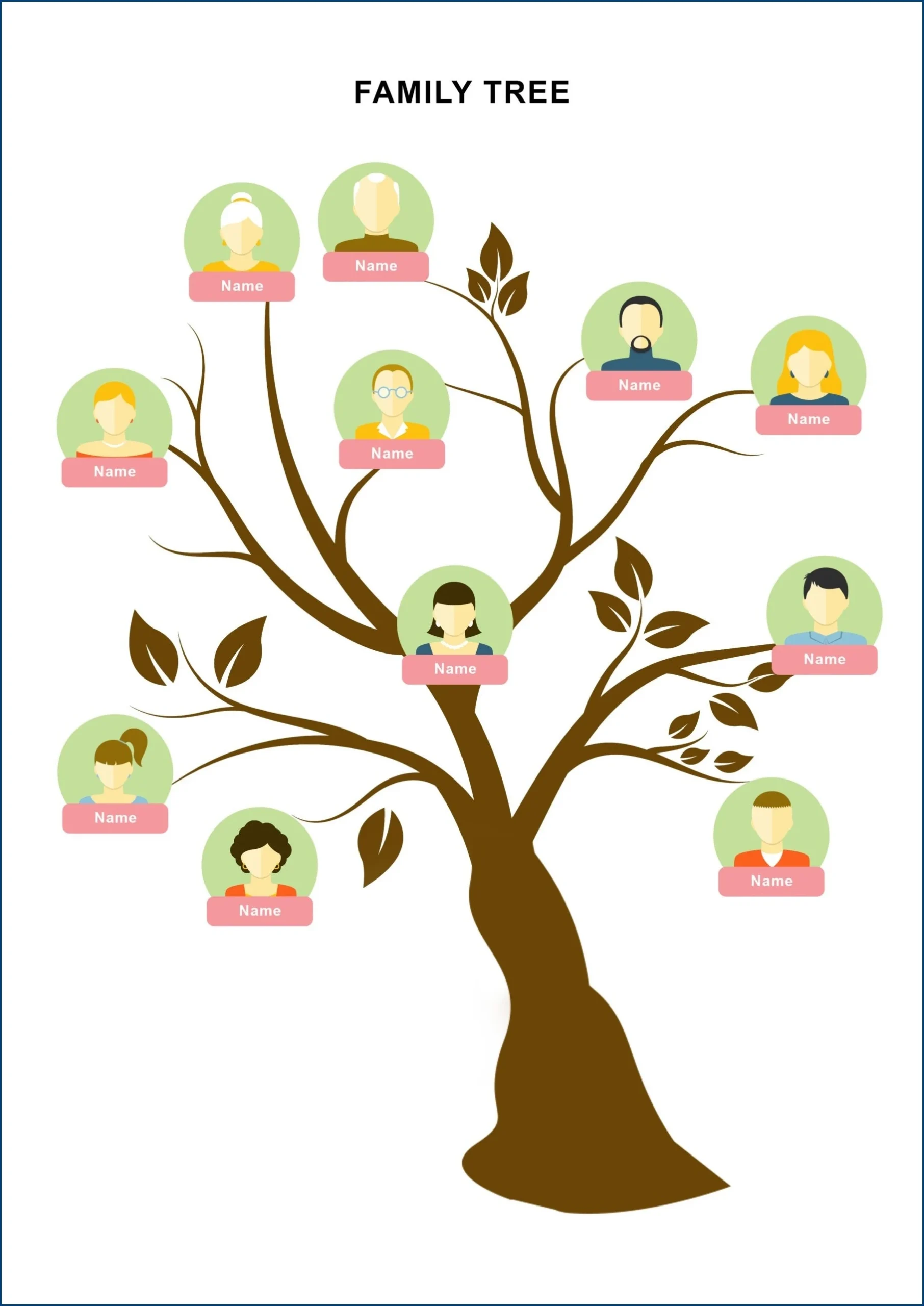
Family trees are a valuable tool to visually represent an individual’s lineage and relationships within a family. They help us understand our heritage and family history, revealing connections to ancestors, uncovering interesting family stories, and providing a sense of belonging and identity.
Moreover, family trees can be practical resources for medical history research and estate planning.
In this article, we will delve deeper into the significance of family trees and how they can enrich our lives.
What Is a Family Tree?
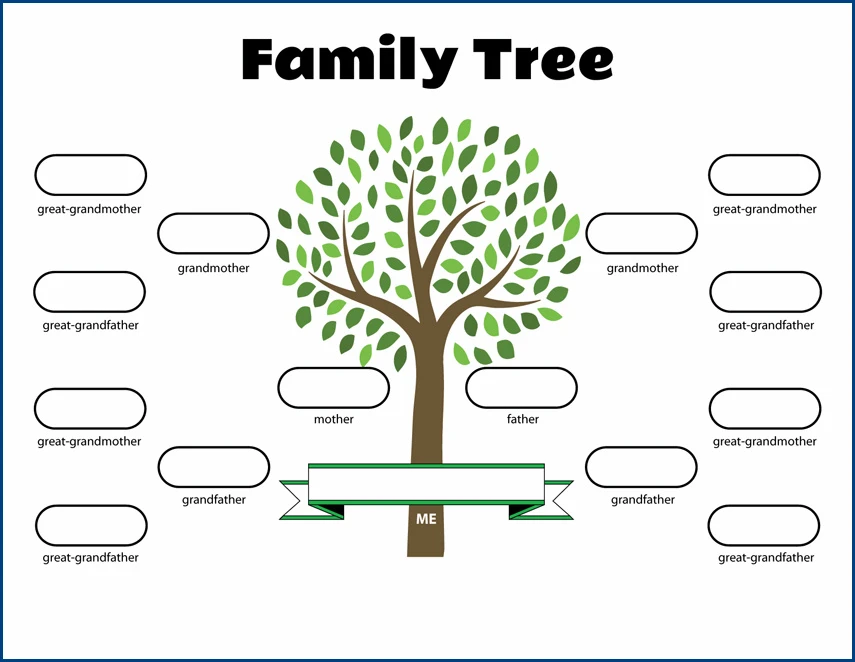
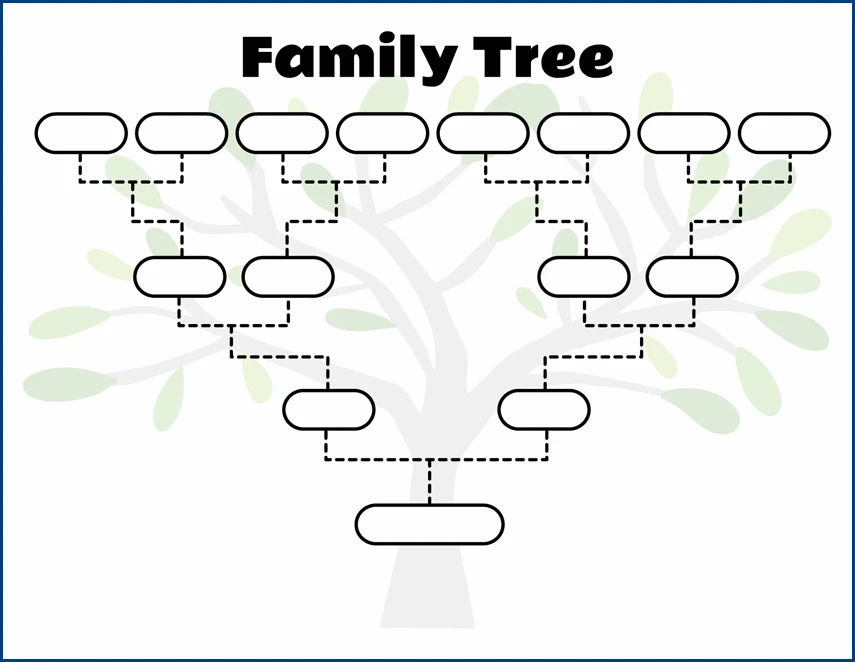
A family tree is a diagram that displays the relationships between individuals in a family, typically in a branching structure. The tree starts with a single person, usually at the bottom, and branches out to show parents, siblings, grandparents, and other relatives. Each branch represents a different generation, creating a visual representation of one’s family history.
Family trees are often accompanied by additional information, such as birth and death dates, marriage details, and other significant events in each person’s life. This additional context adds depth to the family tree, allowing individuals to learn more about their ancestors and the stories that have shaped their family over the years.
Family trees can be created using various formats, from simple hand-drawn diagrams to sophisticated online tools that allow for easy collaboration and sharing with other family members. Whether created for personal enjoyment or as a practical resource, family trees serve as a powerful tool for preserving and understanding our familial connections.
How Do Family Trees Work?
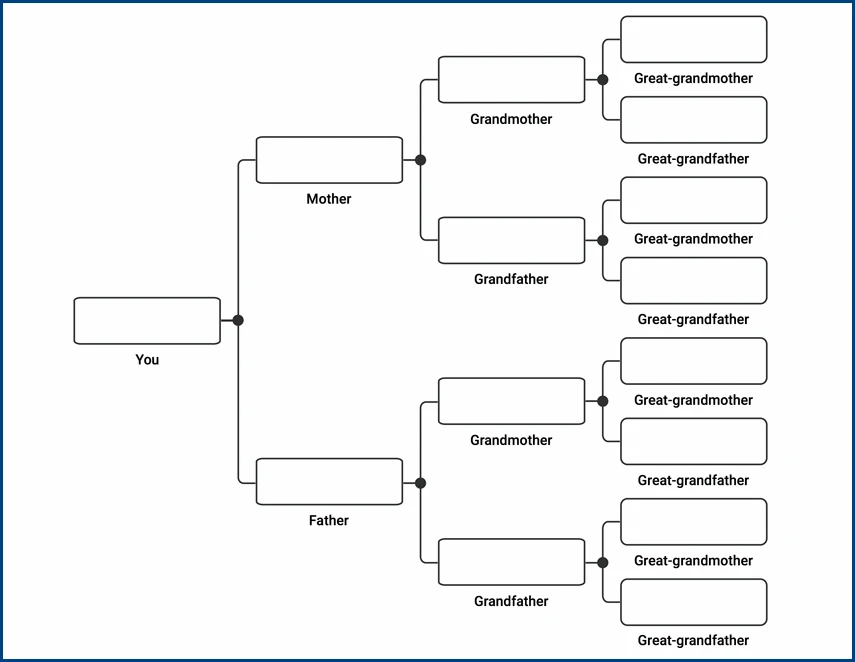
Family trees work by mapping out the relationships between individuals in a family, tracing back multiple generations to create a comprehensive picture of one’s ancestry. Starting with oneself or another key individual, the tree expands to include parents, grandparents, great-grandparents, and so on, illustrating the lineage and connections between family members.
To create a family tree, individuals can gather information from various sources, such as birth certificates, marriage records, obituaries, and family stories. This information is then organized and input into a visual format, whether on paper or using online software. By documenting each family member’s details and relationships, a family tree helps individuals piece together their heritage and better understand where they come from.
Family trees can also be shared with other family members, allowing for collaboration and the exchange of information to fill in missing pieces of the puzzle. This collaborative approach to building a family tree can strengthen familial bonds and create a shared sense of history and identity among relatives.
The Benefits of Having Family Trees
Family trees offer a multitude of benefits beyond simply documenting one’s lineage. Some of the key advantages of having a family tree include:
- Preserving Family History – Family trees serve as a valuable record of a family’s history, preserving important details and stories for future generations to cherish and learn from.
- Understanding Cultural Heritage – By tracing one’s ancestry through a family tree, individuals can gain insight into their cultural heritage and traditions, fostering a deeper connection to their roots.
- Building Stronger Family Bonds – Collaborating on a family tree project can bring relatives together, encouraging communication and shared memories that strengthen familial bonds.
- Identifying Health Risks – Family trees can be useful for identifying genetic health risks that run in the family, enabling individuals to take proactive steps towards prevention and early detection.
- Facilitating Estate Planning – Knowing one’s family history and relationships can be beneficial for estate planning purposes, helping individuals make informed decisions about inheritance and legacy.
- Discovering Lost Relatives – Through the process of building a family tree, individuals may uncover long-lost relatives or connections they were previously unaware of, expanding their network of family ties.
- Celebrating Family Milestones – Family trees provide a wonderful opportunity to celebrate family milestones, such as birthdays, anniversaries, and other special occasions, by acknowledging the shared history and connections that bind relatives together.
- Promoting Cultural Education – Family trees can be educational tools for teaching younger generations about their family’s history, culture, and traditions, instilling a sense of pride and identity in their heritage.
By harnessing the power of family trees, individuals can unlock a treasure trove of information about their roots and heritage, enriching their lives with a deeper understanding of who they are and where they come from.
Family Tree Types
Different types of family trees can be used to represent one’s lineage and relationships within a family. Some of the most common types include:
- Ancestral Family Tree – This type of family tree focuses on tracing one’s lineage back through multiple generations, highlighting ancestors and their relationships.
- Descendant Family Tree – In contrast to an ancestral family tree, a descendant family tree starts with a single individual and traces their descendants through multiple generations, showcasing offspring and their connections.
- Circular Family Tree – A circular family tree organizes family relationships in a circular format, with the main individual at the center and branches radiating outwards to depict relatives in different generations.
- Fan Chart – A fan chart is a unique type of family tree that displays ancestors in a fan shape, with each segment representing a different generation and branching outwards to show the relationships between family members.
- Pedigree Chart – A pedigree chart is a standard format for organizing family relationships linearly, with each generation represented as a row and individuals connected by lines to show their familial connections.
Each type of family tree offers a different perspective on one’s family history and relationships, allowing individuals to choose the format that best suits their preferences and objectives for exploring their heritage.
Who Should You Include in Your Family Tree?
When creating a family tree, it’s important to consider which individuals to include to paint a comprehensive picture of one’s lineage. While the primary focus is typically on immediate family members, such as parents, siblings, and grandparents, several other categories of individuals can be included in a family tree:
- Extended Family Members – Including aunts, uncles, cousins, and other extended family members can provide a broader view of one’s familial connections and relationships.
- Adopted or Stepfamily Members – Individuals who are adopted or part of a stepfamily should also be included in the family tree to acknowledge their place in the family unit and honor their relationships.
- In-Laws – Spouses of family members, such as in-laws and siblings-in-law, can be included in the family tree to reflect the interconnected nature of familial relationships.
- Multiple Marriages – Individuals who have been married multiple times or have children from previous relationships should be included to capture the full extent of their family connections.
- Family Friends or Mentors – Close family friends or mentors who have played significant roles in one’s life can be included in the family tree to acknowledge their impact and influence on the individual and their family.
By including a diverse range of individuals in a family tree, individuals can create a more holistic representation of their familial connections and relationships, honoring the various people who have shaped their lives and heritage.
How to Start a Family Tree
Starting a family tree can be a rewarding experience that allows individuals to explore their heritage and connect with their familial roots. Here are some steps to help you get started on creating your own family tree:
- Gather Information – Begin by collecting information about your immediate family members, such as names, birth dates, and birthplaces. Ask relatives for details about older generations, including grandparents, great-grandparents, and other ancestors.
- Organize Your Data – Create a system to organize the information you’ve gathered, whether on paper or using online genealogy software. Establish a clear structure for documenting each family member’s details and relationships.
- Research Historical Records – Consult historical records, such as birth certificates, marriage licenses, census records, and obituaries, to gather additional information about your ancestors and fill in missing pieces of your family tree.
- Collaborate with Family Members – Involve other family members in the process of building your family tree, sharing information and stories to create a more comprehensive and accurate representation of your family’s history.
- Document Family Stories – Record family stories, anecdotes, and memories that have been passed down through generations, adding a personal touch to your family tree and preserving the oral history of your family.
- Update and Expand Your Tree – Continuously update and expand your family tree as you uncover new information and connections. Embrace the iterative nature of genealogy, as discoveries may lead to further insights into your family history.
By following these steps and immersing yourself in the process of creating a family tree, you can embark on a journey of discovery and connection that will deepen your understanding of your roots and heritage.
In conclusion, family trees are powerful tools for exploring and celebrating one’s lineage and relationships within a family. By tracing our roots and heritage, we can gain a deeper appreciation for the individuals who have come before us and the stories that have shaped our family history. Family trees provide a tangible connection to our ancestors, offering a sense of belonging and identity that transcends time and generations.
Family Tree Chart Template – Download
