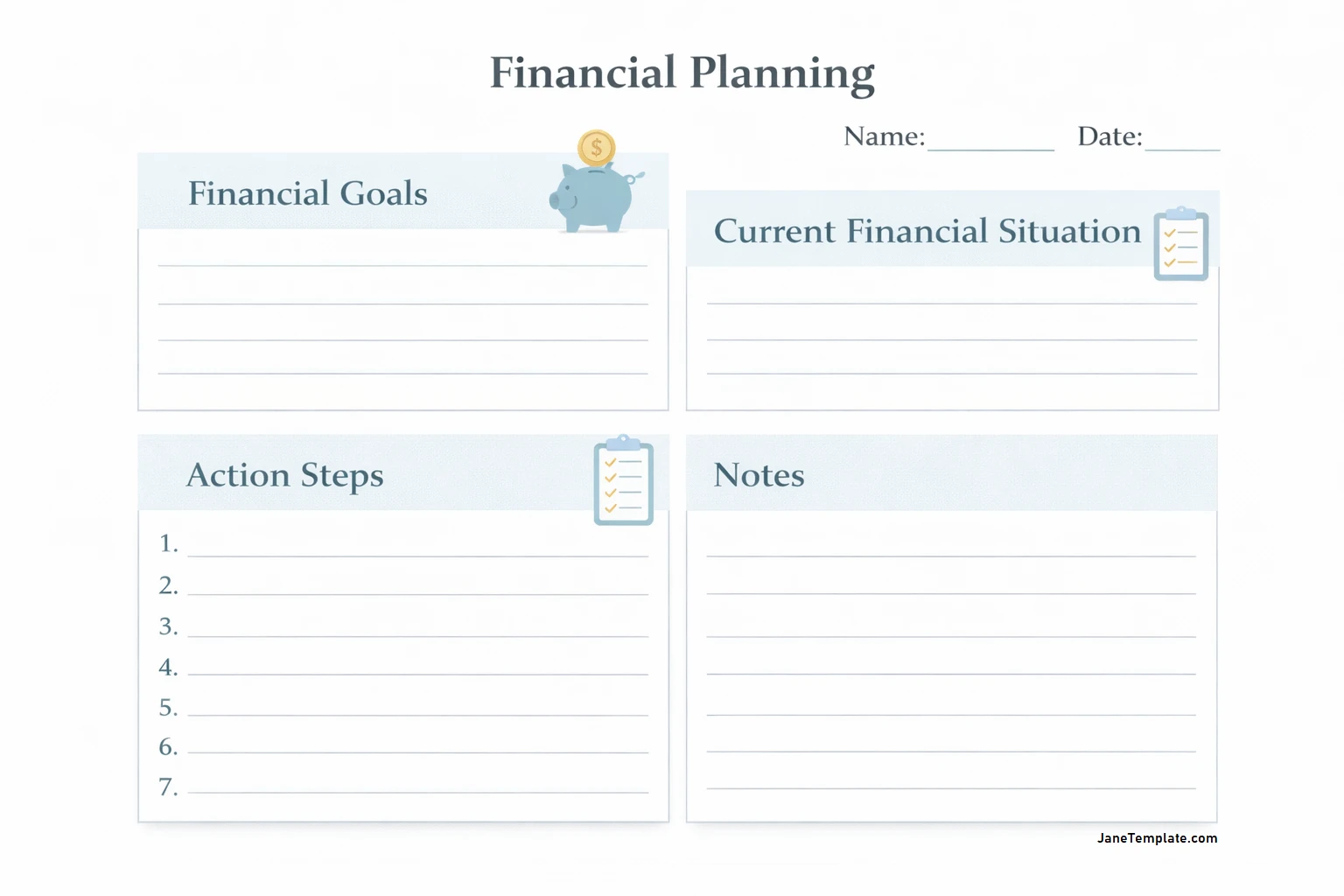
Financial planning is a crucial tool that can help individuals and families make the best use of their money and achieve long-term financial goals. Whether it’s investing for the future, sending your children to college, buying a bigger home, leaving a legacy, or enjoying a comfortable retirement, proper financial planning can provide the roadmap to reach these milestones.
In this article, we will explore the what, the why, the key elements, the how, and the tips for successful financial planning.
What is Financial Planning?
Financial planning is the process of setting and achieving specific financial goals by carefully managing resources, expenses, and investments. It involves analyzing your current financial situation, identifying your financial goals, and creating a plan to reach them over time.
Financial planning is not just about budgeting or saving money; it’s about taking a holistic approach to your finances to ensure a secure and prosperous future.
Why is Financial Planning Important?
Financial planning is essential for several reasons:
- Goal Setting. Financial planning helps you set clear, achievable financial goals and create a roadmap to reach them.
- Financial Security. It provides a safety net for unexpected expenses and financial emergencies.
- Investment Management. Financial planning helps you make informed decisions about where to invest your money for long-term growth.
- Retirement Planning. It ensures you have enough savings to enjoy a comfortable retirement without financial stress.
- Wealth Building. Financial planning can help you build wealth over time through smart investment strategies and asset allocation.
Key Elements of Financial Planning
The key elements of financial planning include:
- Financial Goals. Clearly define your short-term and long-term financial goals.
- Income Analysis. Evaluate your current income sources and potential future earnings.
- Expense Management. Track your expenses and identify areas where you can cut costs or save money.
- Debt Management. Develop a plan to pay off debts and avoid accumulating new ones.
- Investment Strategy. Create an investment plan that aligns with your risk tolerance and financial goals.
- Retirement Planning. Estimate your retirement expenses and create a savings plan to achieve financial independence.
How to Create a Financial Plan
Creating a financial plan involves the following steps:
1. Set Financial Goals
Start by identifying your short-term and long-term financial goals, such as buying a home, saving for college, or retiring comfortably.
2. Assess Your Current Financial Situation
Take stock of your current income, expenses, assets, and liabilities to understand your financial standing.
3. Develop a Budget
Create a budget that outlines your monthly income, expenses, and savings goals to help you manage your finances effectively.
4. Evaluate Investment Opportunities
Research different investment options and choose ones that align with your risk tolerance and financial objectives.
5. Monitor and Adjust Your Plan
Regularly review your financial plan, track your progress towards your goals, and make adjustments as needed to stay on track.
6. Seek Professional Advice
Consider consulting with a financial advisor to get expert guidance on creating and implementing your financial plan.
7. Stay Committed
Stay committed to your financial plan, make saving and investing a priority, and stay focused on achieving your financial goals.
Tips for Successful Financial Planning
Here are some tips to help you succeed in your financial planning journey:
- Start Early. The sooner you start financial planning, the more time your money has to grow through investments.
- Be Realistic. Set achievable financial goals that are within your means and timeline.
- Stay Disciplined. Stick to your budget, avoid unnecessary expenses, and prioritize saving and investing.
- Review Regularly. Regularly review your financial plan and make adjustments as needed to adapt to changing circumstances.
- Seek Professional Help. Consider working with a financial advisor to get personalized advice and guidance tailored to your financial situation.
- Stay Informed. Stay updated on financial news, investment trends, and economic developments to make informed decisions about your finances.
- Celebrate Milestones. Celebrate your financial achievements along the way to stay motivated and on track towards your goals.
By following these tips and creating a solid financial plan, you can make the best use of your money and achieve your long-term financial goals with confidence and peace of mind.
Financial Planning Template – Free Download
