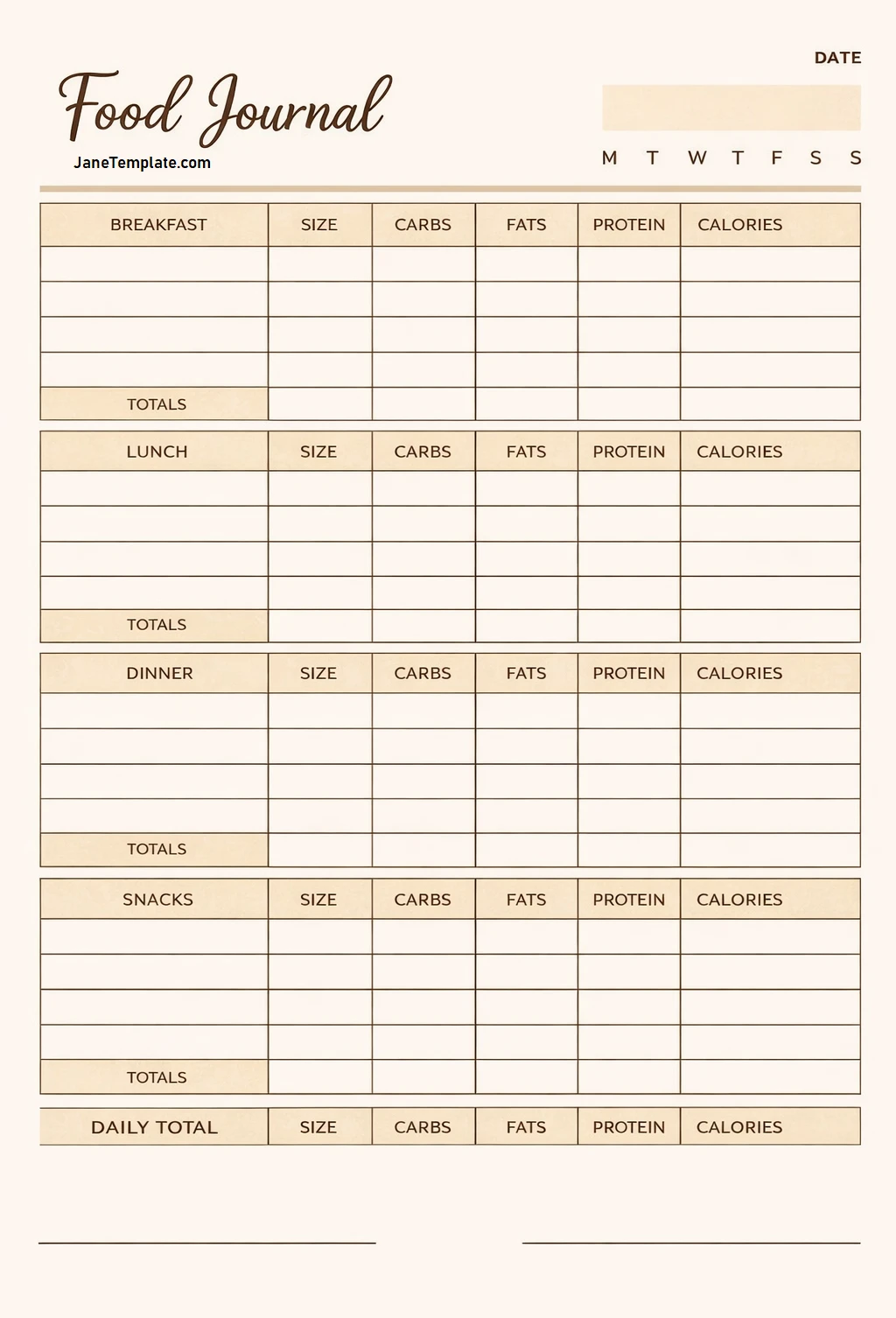
In today’s fast-paced world, it’s easy to overlook our eating habits and the impact they have on our overall well-being. That’s where keeping a food journal can make a significant difference.
A food journal is a powerful tool that can help increase awareness of your eating habits, track your intake for specific goals like weight loss or better nutrition, identify trigger foods, and link food to physical and emotional feelings. By recording what you eat and when, you can pinpoint patterns like mindless eating or intolerances, leading to healthier, more mindful choices and better health outcomes.
What is a Food Journal?
A food journal is essentially a diary where you record all the food and beverages you consume throughout the day. It acts as a tool to create a snapshot of your daily intake, revealing what, when, why, and how much you eat, and most importantly, how it affects your body.
By keeping track of your eating habits in a food journal, you gain valuable insights into your diet and can make informed decisions about your nutrition.
Why Keep a Food Journal?
There are several reasons why keeping a food journal can be beneficial for your health and well-being. Some of the key benefits include:
- Increasing awareness of eating habits: By documenting your food intake, you become more conscious of what you are eating and when.
- Tracking intake for specific goals: Whether your goal is weight loss or better nutrition, a food journal can help you stay on track and make adjustments as needed.
- Identifying trigger foods: By recording your meals and any symptoms that arise, you can pinpoint which foods may be causing negative reactions in your body.
- Linking food to physical and emotional feelings: Keeping a food journal can help you understand the connection between what you eat and how it makes you feel, both physically and emotionally.
- Pinpointing patterns like mindless eating: By reviewing your food journal entries, you can identify habits like mindless snacking or emotional eating, allowing you to make positive changes.
- Identifying intolerances: If you suspect you may have food intolerances, a food journal can help you track your symptoms and identify potential trigger foods.
- Promoting mindful choices: By being more mindful of your food choices and portion sizes, you can make healthier decisions and improve your overall well-being.
Key Elements of a Food Journal
When starting a food journal, there are a few key elements to consider to ensure you get the most out of the experience:
1. Record everything: Be sure to document all meals, snacks, beverages, and even condiments you consume throughout the day.
2. Include portion sizes: Note down the portion sizes of each food item to have a more accurate representation of your intake.
3. Write down how you feel: Record any physical or emotional feelings you experience after eating, such as bloating, fatigue, or stress.
4. Be honest and detailed: Don’t skip any meals or snacks, and provide as much detail as possible about what you eat.
5. Include the time of day: Note the time you eat each meal or snack to identify patterns in your eating habits.
6. Track your water intake: Don’t forget to record how much water you drink throughout the day, as hydration is essential for overall health.
7. Use a format that works for you: Whether it’s a physical notebook, an app on your phone, or a digital spreadsheet, choose a format that is convenient and easy for you to use.
How to Start Keeping a Food Journal
If you’re ready to start reaping the benefits of keeping a food journal, follow these simple steps to get started:
1. Choose a journaling method: Decide whether you prefer a physical notebook, a dedicated app, or an online tool to track your food intake.
2. Set realistic goals: Determine what you hope to achieve by keeping a food journal, whether it’s weight loss, better nutrition, or identifying trigger foods.
3. Commit to consistency: Make a habit of recording everything you eat and drink, including portion sizes and how you feel after each meal.
4. Review and reflect: Take time to review your food journal entries regularly to identify patterns, make adjustments, and celebrate your progress.
Tips for Effective Food Journaling
To make the most of your food journaling experience, consider these tips for success:
1. Be honest with yourself: Don’t omit any foods or feelings from your journal entries, as honesty is key to identifying patterns and making positive changes.
2. Plan ahead: Take time to plan your meals and snacks to ensure you have nutritious options readily available.
3. Listen to your body: Pay attention to how different foods make you feel and adjust your diet accordingly to support your well-being.
4. Seek support: Share your food journaling journey with a friend, family member, or healthcare provider for accountability and encouragement.
5. Celebrate small victories: Acknowledge your progress and achievements along the way, no matter how small, to stay motivated and inspired.
Conclusion
In conclusion, keeping a food journal can be a transformative tool for improving your health and well-being. By increasing awareness of your eating habits, tracking your intake for specific goals, identifying trigger foods, and linking food to physical and emotional feelings, you can make more mindful choices and achieve better health outcomes.
Whether you’re looking to lose weight, improve your nutrition, or simply understand your body better, a food journal can be a valuable resource on your journey to optimal health. Start your food journal today and take control of your diet for a healthier, happier you.
Food Journal Template – Download
