The Frayer Model is a powerful tool that educators use to help students deeply understand vocabulary and concepts by engaging them in a structured, multi-faceted exploration.
This model goes beyond simple memorization and encourages students to analyze, synthesize, and apply their knowledge through definitions, characteristics, examples, and non-examples. By using the Frayer Model, students are able to develop a more profound understanding of the material they are learning.
What is a Frayer Model?
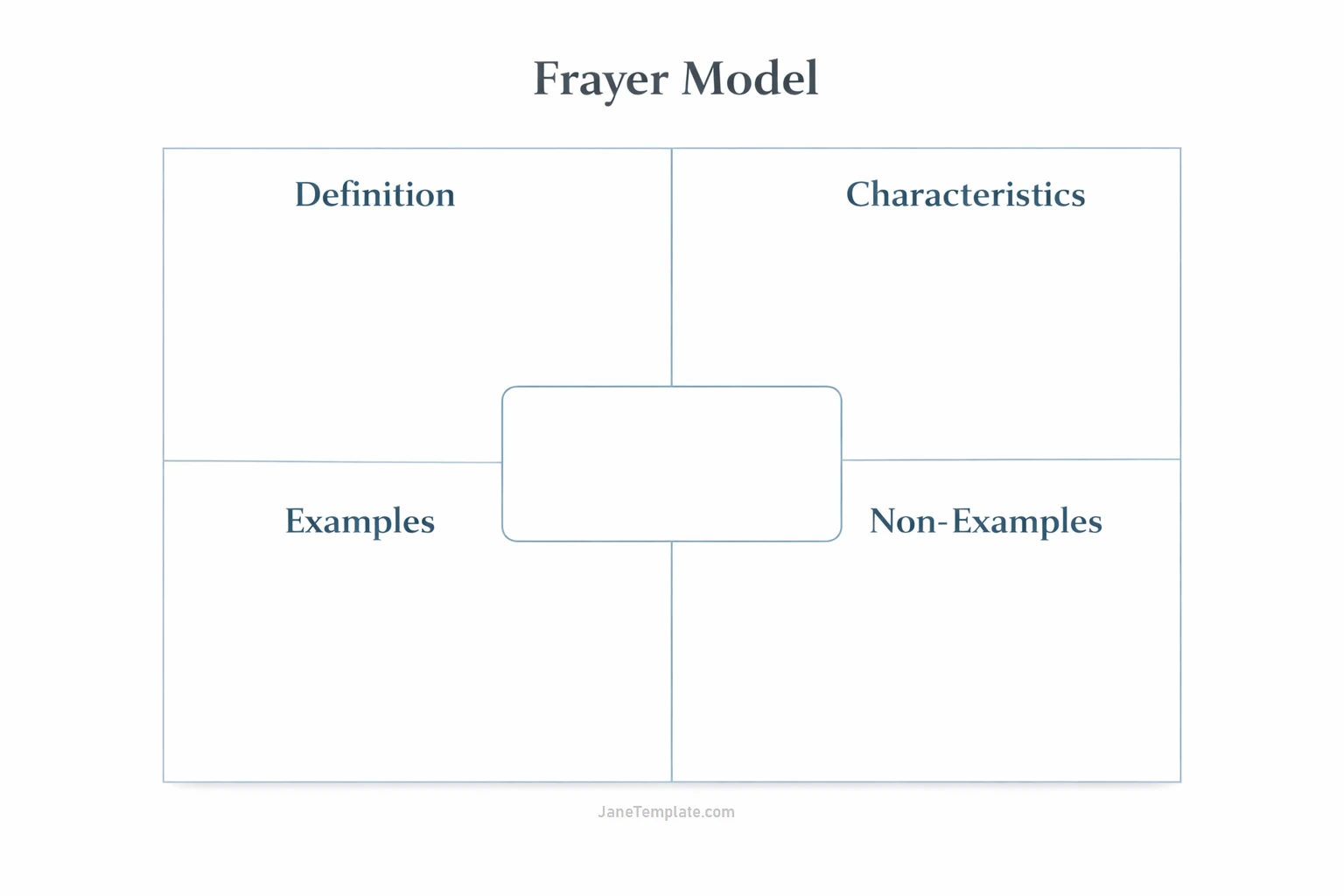
The Frayer Model is a graphic organizer that consists of a four-square template. Each square in the template serves a specific purpose in helping students understand and remember new vocabulary words or concepts. The four squares typically include the following components:
– Definition: In this square, students write down the formal definition of the word or concept.
– Characteristics: Here, students list the essential features or attributes of the word or concept.
– Examples: Students provide examples of the word or concept in action to illustrate how it is used.
– Non-examples: Finally, students list things that do not fit the definition of the word or concept to clarify any potential misunderstandings.
Using the Frayer Model allows students to engage with the material in a meaningful way, moving beyond surface-level understanding to a deeper comprehension of the vocabulary or concept.
Benefits of Using a Frayer Model
There are several benefits to using the Frayer Model in the classroom:
– Deep Understanding: The Frayer Model encourages students to engage with the material in a structured way, leading to a more profound understanding of the vocabulary or concept.
– Critical Thinking: By analyzing characteristics, examples, and non-examples, students develop critical thinking skills that help them apply their knowledge in various contexts.
– Vocabulary Retention: Research has shown that using graphic organizers like the Frayer Model can improve students’ retention of new vocabulary words.
– Differentiation: The Frayer Model can be adapted to meet the needs of diverse learners, making it a versatile tool for classroom instruction.
– Engagement: Students are actively involved in the learning process when using the Frayer Model, which can lead to increased motivation and engagement.
Overall, the Frayer Model is an effective strategy for helping students deepen their understanding of vocabulary and concepts in a structured and comprehensive manner.
How to Use a Frayer Model
To effectively use the Frayer Model in the classroom, follow these steps:
1. Introduce the Word: Begin by introducing the new vocabulary word or concept to students.
2. Model the Process: Demonstrate how to fill out each square of the Frayer Model template using a word or concept that is familiar to students.
3. Guided Practice: Provide students with guided practice by working through the Frayer Model together as a class.
4. Independent Practice: Have students complete their Frayer Models individually or in small groups for additional reinforcement.
5. Review and Reflect: Take time to review and discuss the completed Frayer Models to reinforce learning and clarify any misconceptions.
By following these steps, you can effectively implement the Frayer Model in your classroom to help students deepen their understanding of vocabulary and concepts.
When to Use a Frayer Model
The Frayer Model can be used in a variety of educational settings and subject areas. Here are some situations where using the Frayer Model may be particularly beneficial:
– Vocabulary Instruction: The Frayer Model is an excellent tool for teaching new vocabulary words and helping students grasp their meaning in context.
– Conceptual Understanding: Use the Frayer Model to help students understand complex concepts by breaking them down into smaller components.
– Test Preparation: The Frayer Model can be a useful study tool for students preparing for exams, as it encourages active engagement with the material.
– Student Reflection: Have students create Frayer Models to reflect on their learning and demonstrate their understanding of key concepts.
– Differentiation: The Frayer Model can be adapted for students at different proficiency levels, making it a valuable tool for differentiation.
Incorporating the Frayer Model into your instructional practices can enhance student learning and deepen their understanding of vocabulary and concepts across various subjects.
Overall, the Frayer Model is a versatile and effective tool for helping students move beyond rote memorization and engage with material in a more meaningful way. By encouraging students to analyze, synthesize, and apply their knowledge through definitions, characteristics, examples, and non-examples, the Frayer Model promotes deeper understanding and retention of vocabulary and concepts. Consider implementing the Frayer Model in your classroom to facilitate student learning and promote critical thinking skills.
Frayer Model Template – Download
