Greeting cards have been a staple for conveying heartfelt messages of congratulations, sympathy, well-wishes, and other sentiments on special occasions, holidays, or milestones. They serve as a physical or digital tool to express feelings, show appreciation, and bridge the distance between people, making them a timeless way to express goodwill and strengthen connections.
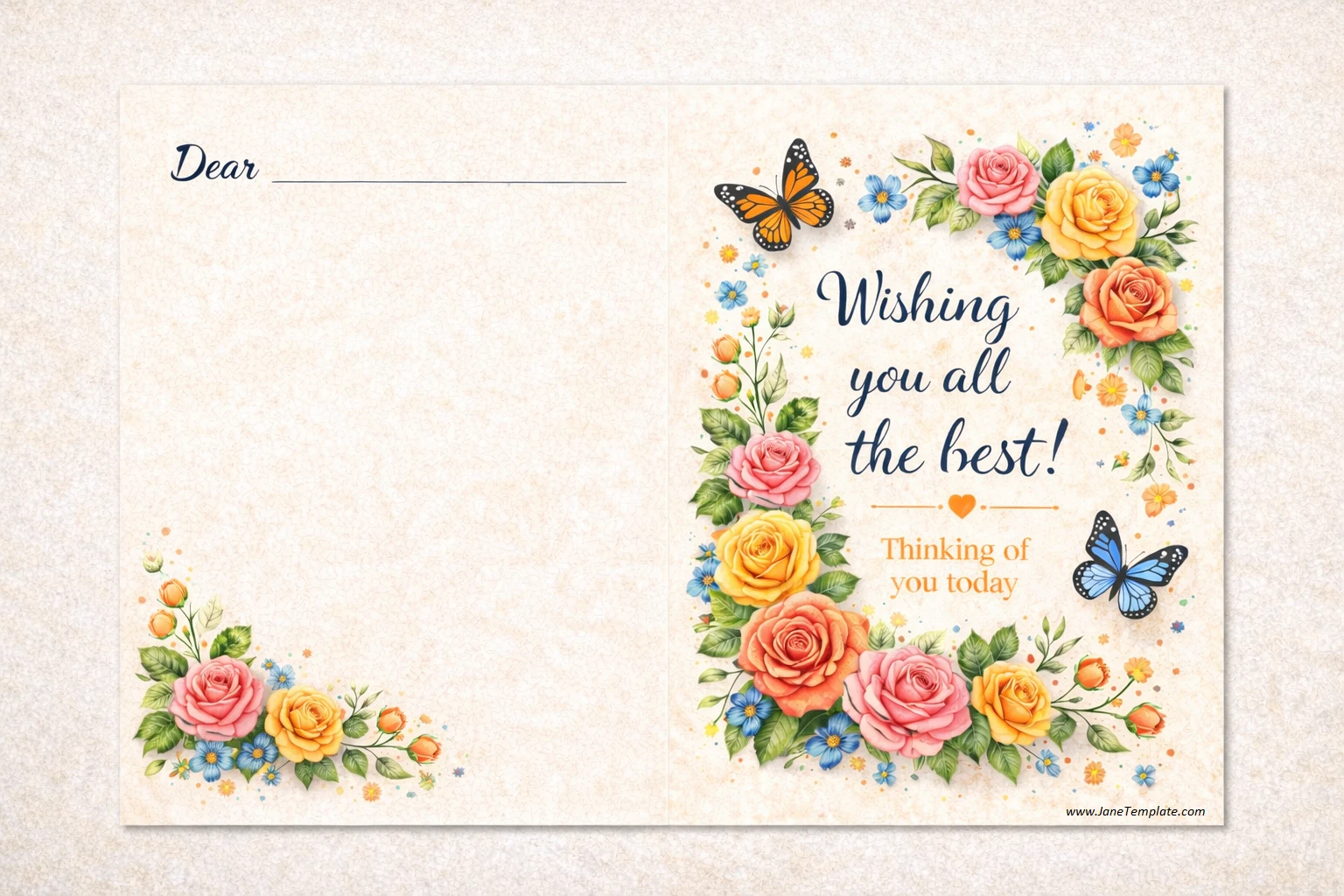
Whether it’s a birthday, anniversary, graduation, or just a simple “thinking of you” message, greeting cards play a significant role in connecting people and spreading joy.
What Makes Greeting Cards Special?
Greeting cards are more than just a piece of paper with some words written on it. They are a symbol of thoughtfulness, care, and consideration. Here are some key elements that make greeting cards special:
Personalization
Greeting cards offer the opportunity for personalization, allowing senders to tailor the message to the recipient’s tastes and preferences. Whether it’s adding a personal anecdote, a favorite quote, or a customized design, personalization adds a unique touch to the card.
Sentimental Value
The handwritten message in a greeting card adds a sentimental value that digital messages cannot replicate. The time and effort put into crafting a heartfelt message are evident in a physical card, making it a cherished keepsake for the recipient.
Tangible Keepsake
Greeting cards can serve as a tangible keepsake that recipients can hold onto and revisit whenever they need a reminder of the sender’s thoughtfulness. Whether displayed on a mantelpiece or tucked away in a memory box, greeting cards can evoke memories and emotions for years to come.
Emotional Connection
Receiving a physical card in the mail creates an emotional connection between the sender and the recipient. The act of opening a card, reading a heartfelt message, and holding a tangible piece of communication can evoke feelings of warmth, appreciation, and connection.
Expression of Creativity
Greeting cards come in various designs, styles, and formats, allowing senders to express their creativity and personality. Whether it’s a handmade card, a quirky design, or a thoughtful illustration, the card itself can convey a message beyond words.
Why Should You Send Greeting Cards?
Sending a greeting card is a simple yet powerful way to show someone that you care. Whether it’s to celebrate a joyous occasion, offer comfort during a difficult time, or just to say “thank you,” greeting cards can convey emotions and sentiments in a meaningful way. Here are some reasons why you should consider sending greeting cards:
Personal Touch
Greeting cards add a personal touch that digital messages lack, making the recipient feel special and appreciated. The effort put into selecting a card, writing a message, and sending it demonstrates care and thoughtfulness.
Thoughtfulness
Choosing a greeting card and crafting a heartfelt message requires thoughtfulness and consideration. Taking the time to acknowledge someone’s special occasion or offer support during a challenging time can strengthen bonds and show that you value the relationship.
Connection
Greeting cards help strengthen connections between people, especially in today’s digital age, where face-to-face interactions are limited. Sending a physical card can bridge the distance between individuals and foster a sense of closeness and connection.
Surprise and Delight
Receiving a physical card in the mail can be a pleasant surprise that brings joy and positivity to someone’s day. The act of receiving unexpected mail and opening a thoughtful message can brighten the recipient’s mood and create a moment of happiness.
Key Elements to Consider When Choosing a Greeting Card
When selecting a greeting card, there are several key elements to consider to ensure that your message is well-received and appreciated. From the occasion to the recipient’s preferences, each element plays a crucial role in conveying your sentiments effectively. Here are some key elements to consider when choosing a greeting card:
Occasion
The occasion for which you are sending a greeting card should dictate the style, design, and message of the card. Whether it’s a birthday, anniversary, wedding, or sympathy card, selecting an appropriate card sets the tone for the message you want to convey.
Recipient
Consider the recipient’s personality, interests, and relationship with you when choosing a greeting card. Tailoring the card to the recipient’s preferences shows that you know and understand them, making the message more meaningful and impactful.
Design
The design of the greeting card plays a significant role in conveying the tone and sentiment of your message. Whether you opt for a traditional design, a humorous illustration, or a minimalist aesthetic, the design should complement the message you want to express.
Message
Personalizing the message in a greeting card is essential for conveying your emotions effectively. Whether you write a heartfelt message, a humorous anecdote, or a supportive note, the words you choose should reflect your feelings and sentiments towards the recipient.
Quality
Choosing a high-quality greeting card reflects the effort and care you put into selecting it. A well-crafted card with quality materials and printing adds a touch of elegance and sophistication to your message, making the recipient feel valued and appreciated.
How to Write a Heartfelt Message in a Greeting Card
Writing a heartfelt message in a greeting card can sometimes be challenging, but with the right approach, you can convey your emotions effectively. From the opening greeting to the closing salutation, each part of the message contributes to the overall sentiment you want to express. Here are some tips for crafting a meaningful message in a greeting card:
Start with a Greeting
Begin your message with a warm and personalized greeting that sets the tone for the rest of the message. Whether it’s “Dear [Recipient’s Name]” or “To My Dearest [Recipient],” the opening sets the stage for the heartfelt message to follow.
Express Your Sentiments
Clearly express your feelings and sentiments in the body of the message. Whether you’re congratulating someone on an achievement, offering sympathy during a difficult time, or expressing gratitude for a kind gesture, be sincere and genuine in your words.
Share Memories or Inside Jokes
Adding personal anecdotes, shared memories, or inside jokes to your message can make it more special and unique. Referencing moments you’ve shared together or recalling fond memories can evoke emotions and create a sense of connection between you and the recipient.
Offer Support and Encouragement
If the recipient is going through a challenging time, offer words of support, comfort, and encouragement in your message. Let them know that you are there for them, that you believe in their strength, and that you are rooting for their success and well-being.
Close with Warm Regards
End your message with warm regards, such as “With Love,” “Best Wishes,” or “Thinking of You.” The closing salutation should reflect the tone of your message and convey your genuine feelings towards the recipient.
Tips for Successful Greeting Card Giving
Whether you’re sending a greeting card for a birthday, anniversary, holiday, or just to brighten someone’s day, there are several tips you can follow to ensure that your gesture is well-received and appreciated. From planning to following up after sending the card, each step in the process contributes to the overall impact of your message. Here are some tips for successful greeting card giving:
Plan Ahead
Start thinking about the occasion in advance to allow time for selecting and sending the card. Planning gives you ample time to choose the perfect card, craft a thoughtful message, and ensure that the card reaches the recipient on time.
Personalize the Message
Take the time to write a personalized message that reflects your relationship with the recipient. Whether it’s a heartfelt note, a funny anecdote, or a supportive message, personalizing the message adds a touch of authenticity and sincerity to your greeting card.
Choose the Right Card
Select a card that suits the occasion, recipient, and your personal style and preferences. Consider the design, message, and quality of the card to ensure that it resonates with the recipient and effectively conveys your sentiments.
Mail it in Time
Ensure that the card reaches the recipient on time by sending it well in advance of the occasion. Take into account postal delivery times and any potential delays to ensure that the card arrives when it’s meant to, allowing the recipient to enjoy your thoughtful gesture on the special day.
Follow Up
After sending the card, follow up with a phone call or message to check if the recipient received it and how they liked it. Following up shows that you care about their reaction to your gesture and allows you to further connect and communicate with the recipient.
Free Greeting Card Template
A Greeting Card helps you create personalized and thoughtful cards for any occasion in a clear and visually appealing format. It provides a flexible structure for adding messages, designs, and details, making it easy to express appreciation, celebration, or well-wishes. With a well-designed template, you can craft meaningful cards that leave a lasting impression.
Download our Greeting Card Template today to design beautiful, heartfelt cards with ease and creativity.
Greeting Card Template – DOWNLOAD
