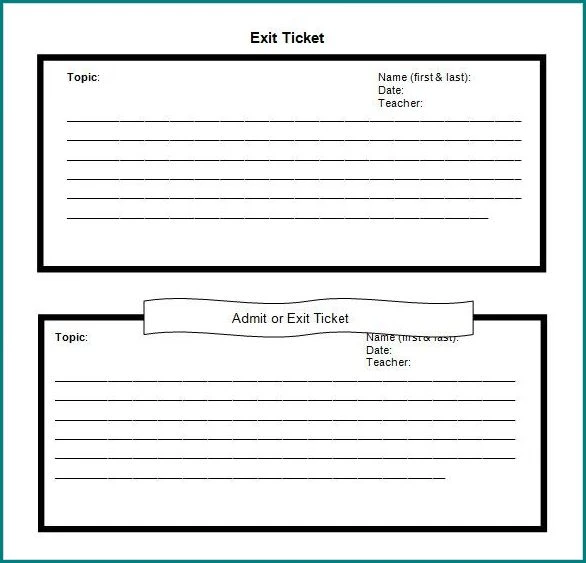
Engaging students in the learning process is a crucial aspect of effective teaching. One powerful tool that educators can use to assess student understanding and engagement at the end of a lesson or class period is the exit ticket.
An exit ticket provides a quick, informal way for teachers to gauge how well students grasped the material and identify any areas where they may be struggling. It also offers students a chance to reflect on their learning and provide feedback to the teacher.
In this article, we will explore the benefits of using exit tickets in the classroom, different types of exit tickets, steps for creating an effective exit ticket, and when and how often you should use them.
What is an Exit Ticket?
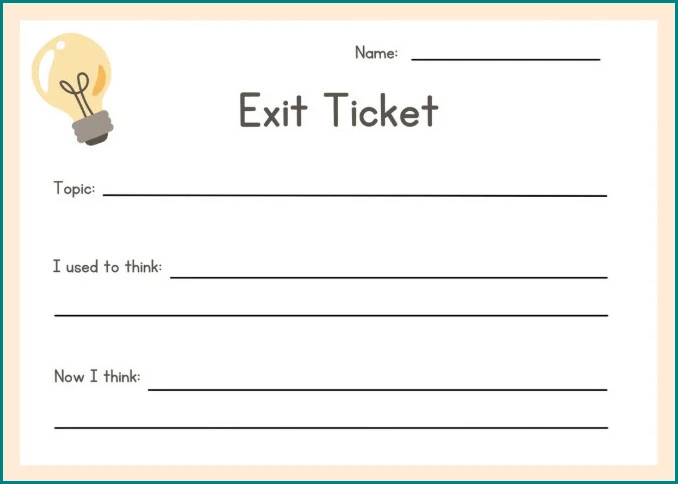
An exit ticket is a formative assessment tool that teachers use at the end of a lesson to evaluate student comprehension and gather feedback. It typically consists of a brief question or prompt related to the day’s lesson that students must answer before leaving the classroom.
Exit tickets can take various forms, such as written responses, drawings, or even digital submissions. The key purpose of an exit ticket is to provide both teachers and students with valuable information about what was learned during the lesson and what areas may need further clarification.
10 Benefits of Using Exit Tickets in The Classroom
Exit tickets offer numerous benefits for both teachers and students. Here are ten reasons why you should consider incorporating them into your teaching practice:
- Assessment of Learning: Exit tickets provide a quick and easy way to assess student understanding of the material covered in the lesson.
- Feedback Loop: They allow students to provide feedback to the teacher about their learning experience, helping to improve instruction.
- Reflection: Exit tickets encourage students to reflect on what they have learned, reinforcing retention and understanding.
- Identifying Gaps: Teachers can use exit tickets to identify areas where students may be struggling and provide additional support.
- Engagement: By actively participating in exit tickets, students remain engaged until the end of the lesson.
- Personalization: Teachers can tailor future lessons based on the feedback and responses received from exit tickets.
- Accountability: Exit tickets hold students accountable for their learning by requiring them to demonstrate their understanding.
- Formative Assessment: They serve as a formative assessment tool that informs instructional decisions and helps drive student learning.
- Closure: Exit tickets provide a sense of closure to the lesson and allow both teachers and students to wrap up the learning experience.
- Data Collection: Teachers can collect valuable data from exit tickets to track student progress and inform future lesson planning.
Types of Exit Tickets
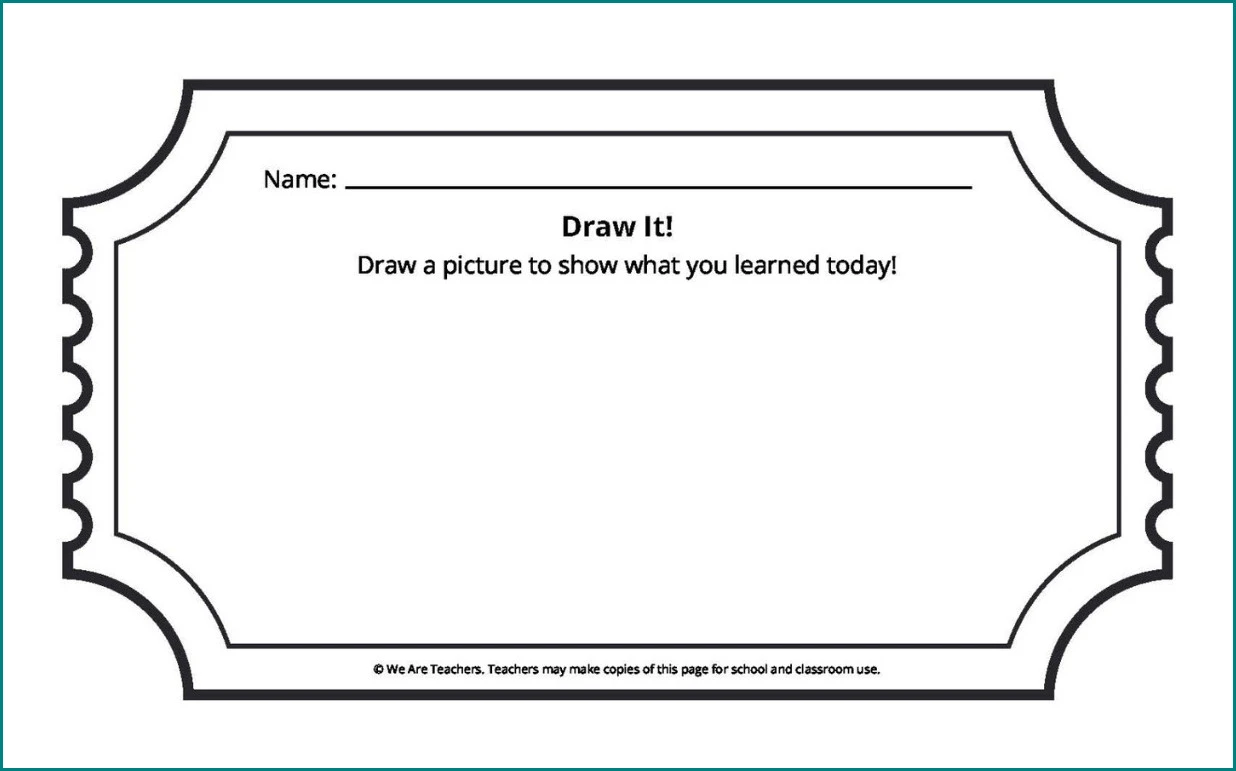
Exit tickets can come in various formats to suit different teaching styles and subjects. Some common types of exit tickets include:
- Written Response: Students answer a short question or prompt in writing before leaving the classroom.
- One-Minute Paper: Students summarize the main points of the lesson in one minute or less.
- Thumbs Up/Down: Students indicate their level of understanding by giving a thumbs-up if they grasped the material or a thumbs-down if they need help.
- Reflection Journal: Students write a brief reflection on their learning experience and any insights gained from the lesson.
- Exit Ticket App: Teachers can use online platforms or apps to create digital exit tickets for students to complete.
Steps for Creating an Effective Exit Ticket
To create an effective exit ticket, follow these steps:
1. Focus on Key Concepts: Craft questions or prompts that target the main ideas and objectives of the lesson.
2. Keep It Simple: Make sure the exit ticket is concise and straightforward to avoid confusion.
3. Vary Formats: Experiment with different types of exit tickets to cater to diverse learning styles.
4. Provide Clear Instructions: Clearly communicate to students what is expected of them when completing the exit ticket.
5. Review Responses: Take the time to review and analyze student responses to inform future instruction.
6. Use Feedback Wisely: Incorporate feedback from exit tickets to make adjustments to your teaching practices.
When and How Often Should You Use an Exit Ticket?
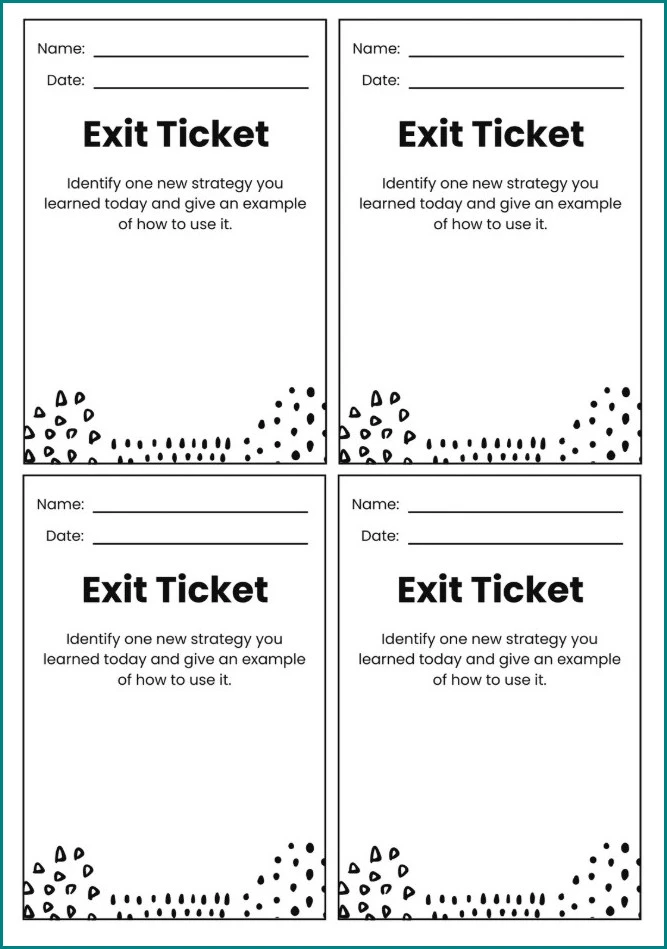
Exit tickets can be used at the end of any lesson or class period to assess student understanding and engagement. You can use them daily, weekly, or whenever you feel the need to gather feedback from your students. It’s essential to be consistent in using exit tickets to establish a routine and encourage student participation. By incorporating exit tickets into your teaching practice regularly, you can improve student learning outcomes and create a more interactive and engaging classroom environment.

In conclusion, exit tickets are a valuable tool for assessing student understanding, promoting reflection, and gathering feedback in the classroom. By incorporating exit tickets into your teaching practice, you can enhance student engagement, improve instruction, and drive student learning. Experiment with different types of exit tickets, follow the steps for creating an effective exit ticket, and use them consistently to experience the benefits firsthand. Start using exit tickets today and watch your students’ understanding and engagement soar.
Exit Ticket Template – Download
