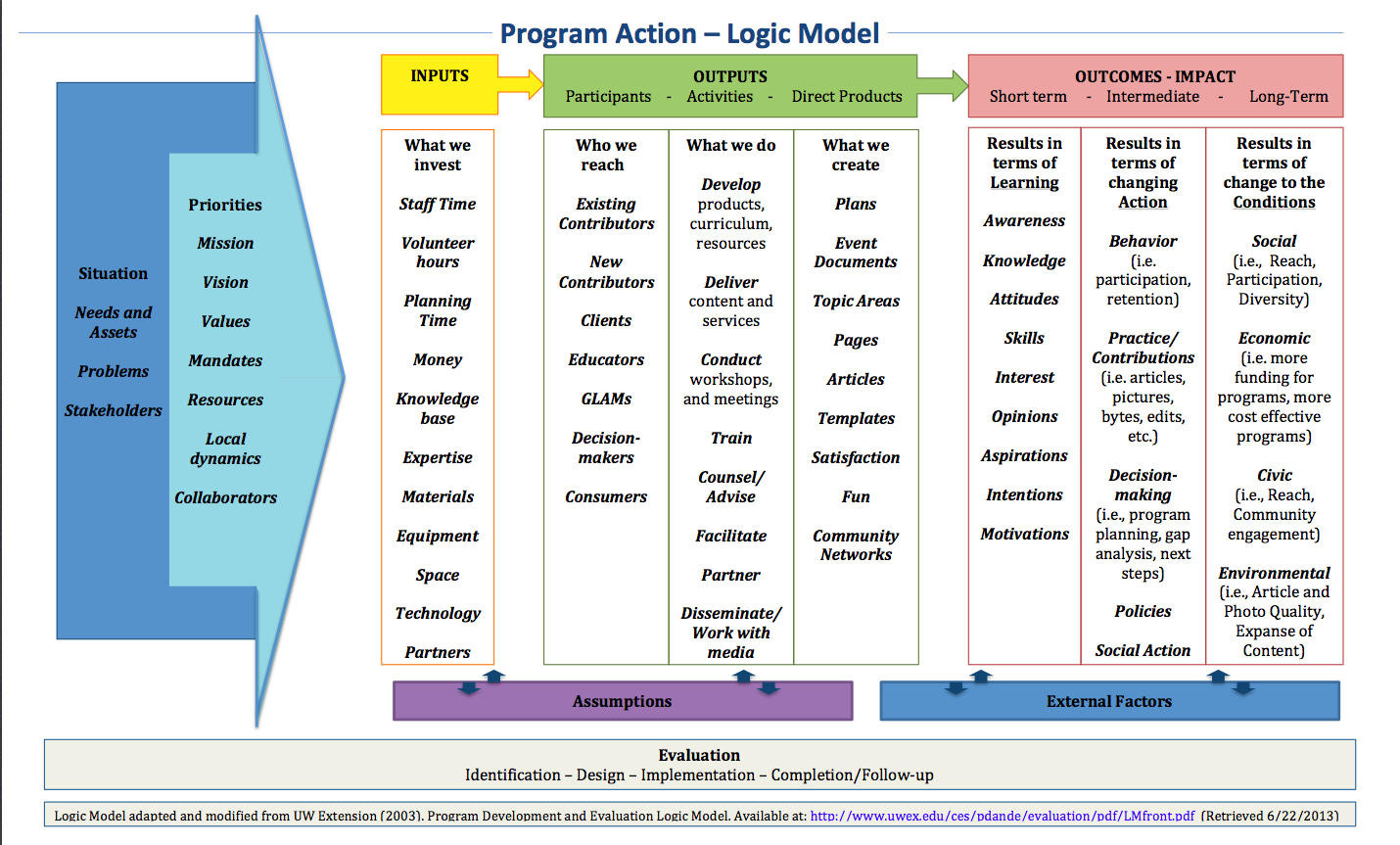
Logic models are effective tools that can assist in various aspects of program planning, implementation, management, evaluation, and reporting. They provide a clear and concise visual representation of a program’s intended impact and goals, the sequence of intended effects, which activities are to produce which effect, and where to focus outcome and process evaluations. By creating a logic model, organizations can better understand the logic behind their programs and ensure that resources are being utilized effectively to achieve desired outcomes.
What is a Logic Model?
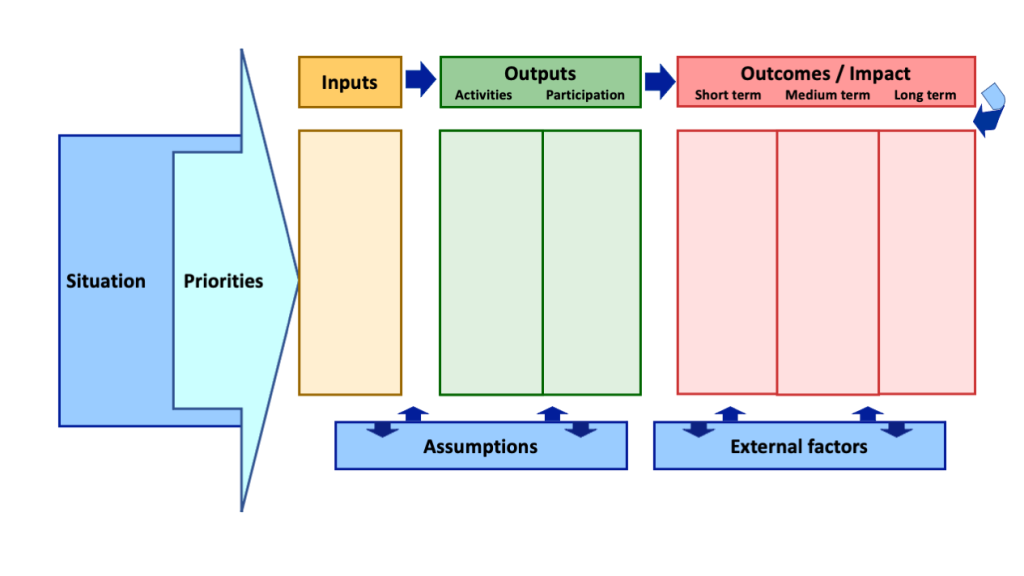
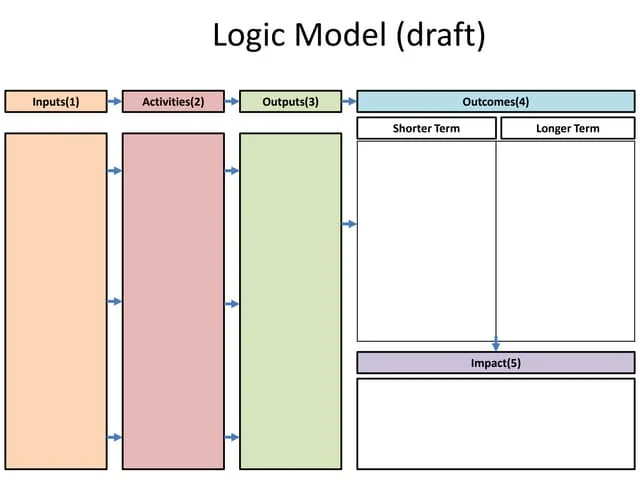
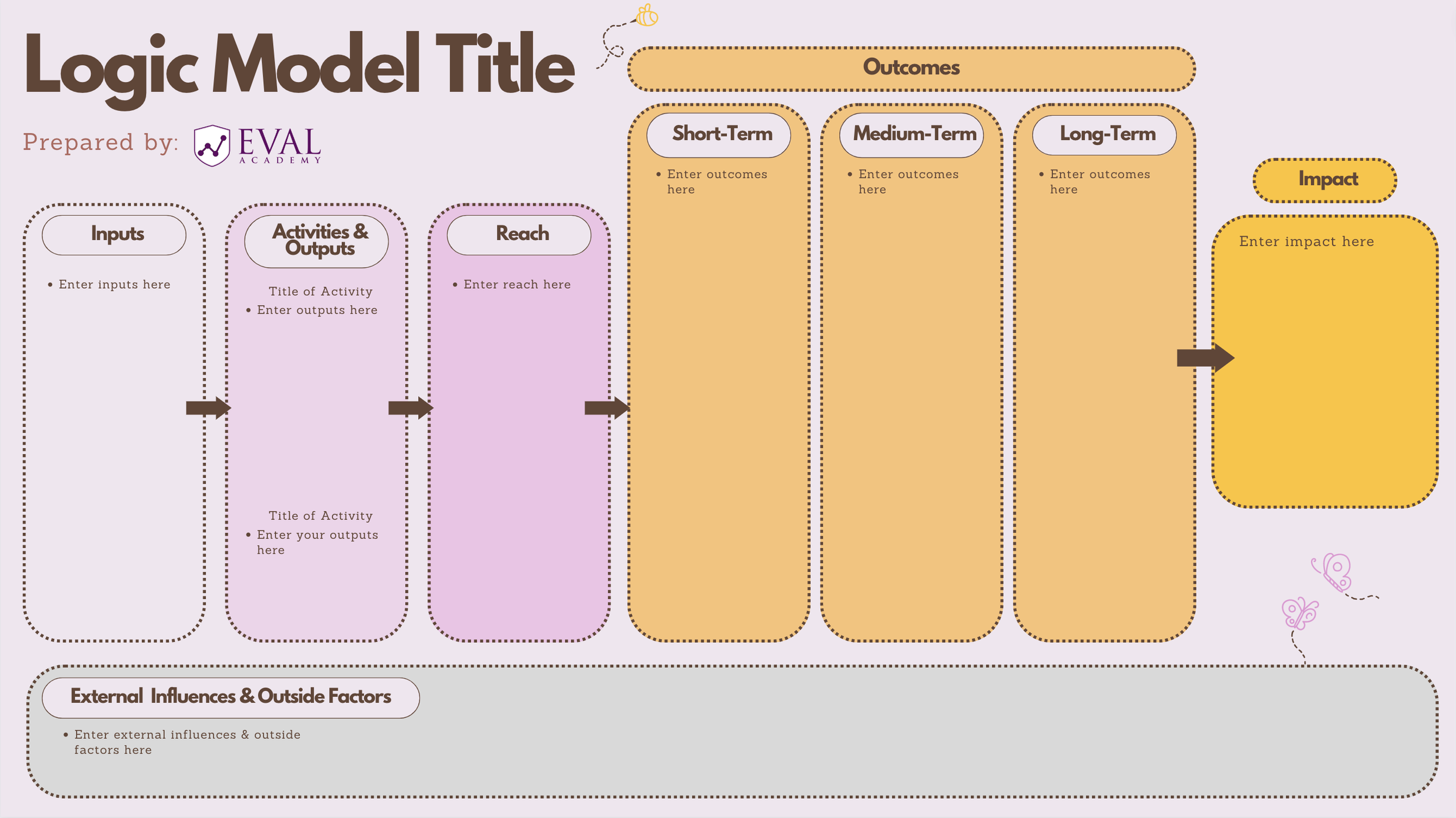
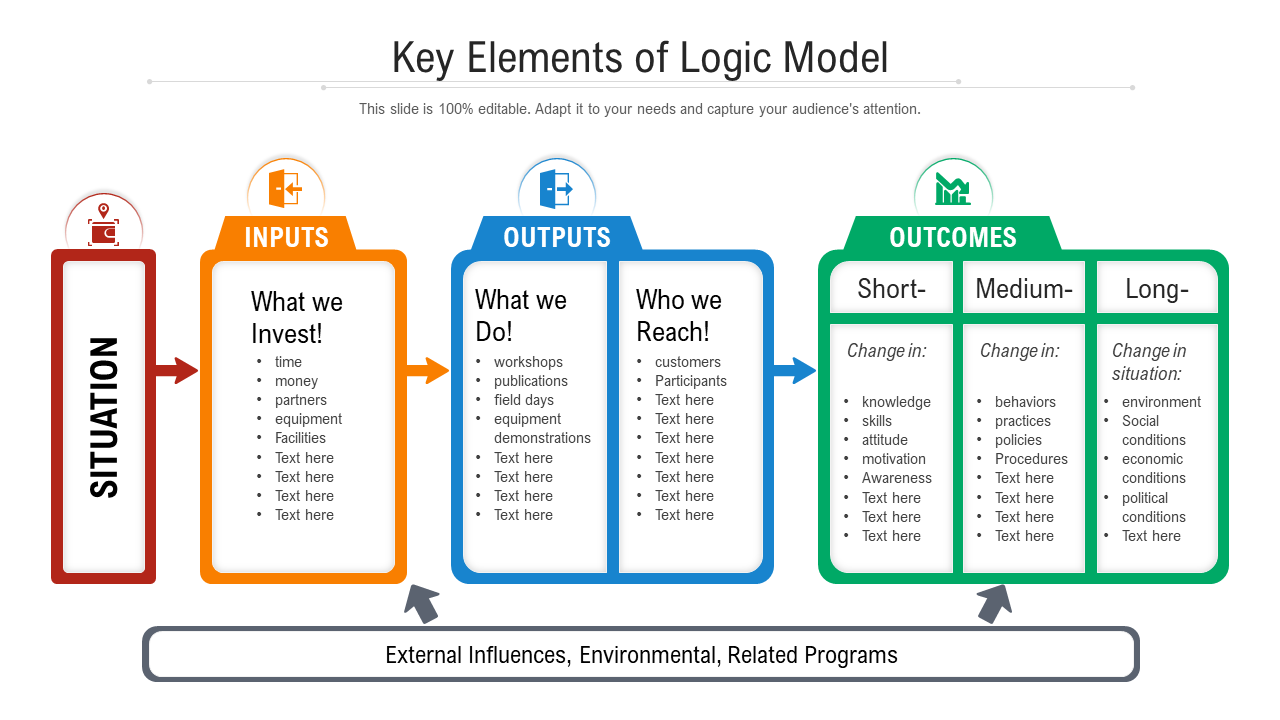
A logic model is a visual representation that outlines the key components of a program or intervention, including inputs, activities, outputs, outcomes, and impacts. It provides a roadmap for program development and evaluation by illustrating the relationships between these components and how they are expected to lead to desired outcomes. Logic models can take various forms, including flowcharts, diagrams, matrices, or tables, and can be customized to fit the specific needs of a program or organization.
Logic models are typically divided into different sections, each representing a different aspect of the program. Inputs are the resources, such as funding, staff, and materials, that are required to implement the program. Activities are the specific actions or interventions that will be carried out as part of the program. Outputs are the immediate results or products of these activities, while outcomes are the changes or benefits that result from the program. Finally, impacts are the long-term effects or broader changes that the program aims to achieve.
Components of a Logic Model
A logic model typically includes the following components:
– Inputs: the resources needed to implement the program
– Activities: the specific actions or interventions that will be carried out
– Outputs: the immediate results or products of these activities
– Outcomes: the changes or benefits that result from the program
– Impacts: the long-term effects or broader changes that the program aims to achieve
Why Build a Logic Model?
Building a logic model can be a valuable exercise for organizations looking to improve their program planning and evaluation processes. By creating a logic model, organizations can clarify their program’s goals and objectives, identify key activities and outputs, and establish a framework for monitoring and evaluating program outcomes. Logic models can also help organizations communicate their program plans and progress to stakeholders, secure funding, and make data-driven decisions to improve program effectiveness.
1. Clarify Program Goals
One of the key reasons to build a logic model is to clarify the goals and objectives of a program. By clearly defining the intended impact and outcomes of the program, organizations can ensure that all activities and resources are aligned towards achieving these goals. This clarity can help guide decision-making, resource allocation, and evaluation efforts throughout the program lifecycle.
2. Establish Evaluation Framework
Logic models provide a systematic framework for evaluating program outcomes and impacts. By mapping out the relationships between program inputs, activities, outputs, and outcomes, organizations can identify key indicators and measures to track progress towards desired goals. This evaluation framework can help organizations assess the effectiveness of their programs, make data-driven decisions, and demonstrate the impact of their work to stakeholders.
3. Communicate with Stakeholders
Logic models can serve as a powerful communication tool for engaging with stakeholders, funders, and partners. By visually representing the logic behind a program, organizations can effectively communicate their goals, strategies, and expected outcomes to a wide range of audiences. This transparency can build trust, foster collaboration, and ensure that all stakeholders are aligned towards a common vision for success.
4. Secure Funding and Support
Logic models can help organizations secure funding and support for their programs by demonstrating a clear plan for achieving desired outcomes. Funders and donors are more likely to invest in programs that have a well-defined logic model, as it shows that the organization has a strategic approach to program planning and evaluation. By articulating the logic behind their programs, organizations can make a compelling case for why their work is important and worthy of support.
5. Improve Decision-Making
Logic models provide a structured framework for making data-driven decisions about program planning, implementation, and evaluation. By outlining the expected relationships between program inputs, activities, outputs, and outcomes, organizations can identify areas for improvement, adjust strategies as needed, and optimize resources for maximum impact. This evidence-based approach to decision-making can help organizations achieve their goals more efficiently and effectively.
How to Use a Logic Model
Using a logic model involves several key steps, including identifying program inputs, activities, outputs, outcomes, and impacts, mapping out the relationships between these components, and using the model to guide program planning, implementation, evaluation, and reporting. By following a systematic process for developing and using a logic model, organizations can better understand the logic behind their programs and ensure that resources are being utilized effectively to achieve desired outcomes.
1. Identify Program Components
The first step in using a logic model is to identify the key components of the program, including inputs, activities, outputs, outcomes, and impacts. This may involve conducting a needs assessment, reviewing existing data and research, and consulting with stakeholders to determine the goals and objectives of the program. By clearly defining these components, organizations can create a solid foundation for building their logic model.
2. Map Out Relationships
Once the program components have been identified, the next step is to map out the relationships between inputs, activities, outputs, outcomes, and impacts. This involves identifying the causal links between these components and determining how they are expected to lead to desired outcomes. By visualizing these relationships in a logic model, organizations can better understand the logic behind their programs and identify areas for improvement or adjustment.
3. Guide Program Planning
Logic models can serve as a valuable guide for program planning by helping organizations prioritize activities, allocate resources, and set goals based on desired outcomes. By using the logic model to inform program planning decisions, organizations can ensure that their activities are aligned with their intended impacts and that resources are being used effectively to achieve these goals. This strategic approach can lead to more efficient and effective program implementation.
4. Support Evaluation Efforts
Logic models provide a framework for evaluating program outcomes and impacts by identifying key indicators and measures to track progress towards desired goals. By using the logic model as a roadmap for evaluation, organizations can assess the effectiveness of their programs, identify areas for improvement, and make data-driven decisions to optimize program outcomes. This evaluation framework can help organizations demonstrate the impact of their work to stakeholders and funders.
5. Inform Reporting
Logic models can also support program reporting efforts by providing a clear and concise overview of program goals, activities, and outcomes. By using the logic model to structure program reports, organizations can effectively communicate their progress and achievements to stakeholders, funders, and partners. This transparency can build trust, foster collaboration, and ensure that all stakeholders are informed about the impact of the program.
Tips for Successful Implementation
When using a logic model in program planning and evaluation, there are several tips to keep in mind to ensure successful implementation:
- Involve Stakeholders: Engage key stakeholders in the development and use of the logic model to ensure buy-in and alignment.
- Keep it Simple: Use clear and concise language, visuals, and examples to make the logic model easy to understand and use.
- Update Regularly: Review and update the logic model regularly to reflect changes in the program, context, or stakeholder needs.
- Use Data Wisely: Collect and analyze data to inform the development and use of the logic model, and to evaluate program outcomes.
- Seek Feedback: Solicit feedback from stakeholders on the logic model to ensure that it accurately reflects the program’s goals and activities.
- Be Flexible: Be open to revising and adjusting the logic model as needed based on new information, feedback, or evaluation findings.
- Evaluate Effectiveness: Assess the impact of the logic model on program planning, implementation, and evaluation to continuously improve its utility and relevance.
Conclusion
In conclusion, printable logic models are powerful tools that can assist organizations in program planning, implementation, management, evaluation, and reporting. By creating a logic model, organizations can clarify their program’s goals and objectives, identify key activities and outputs, and establish a framework for monitoring and evaluating program outcomes. Logic models can help organizations communicate with stakeholders, secure funding, make data-driven decisions, and improve program effectiveness. By following a systematic process for developing and using a logic model, organizations can better understand the logic behind their programs and ensure that resources are being utilized effectively to achieve desired outcomes.
