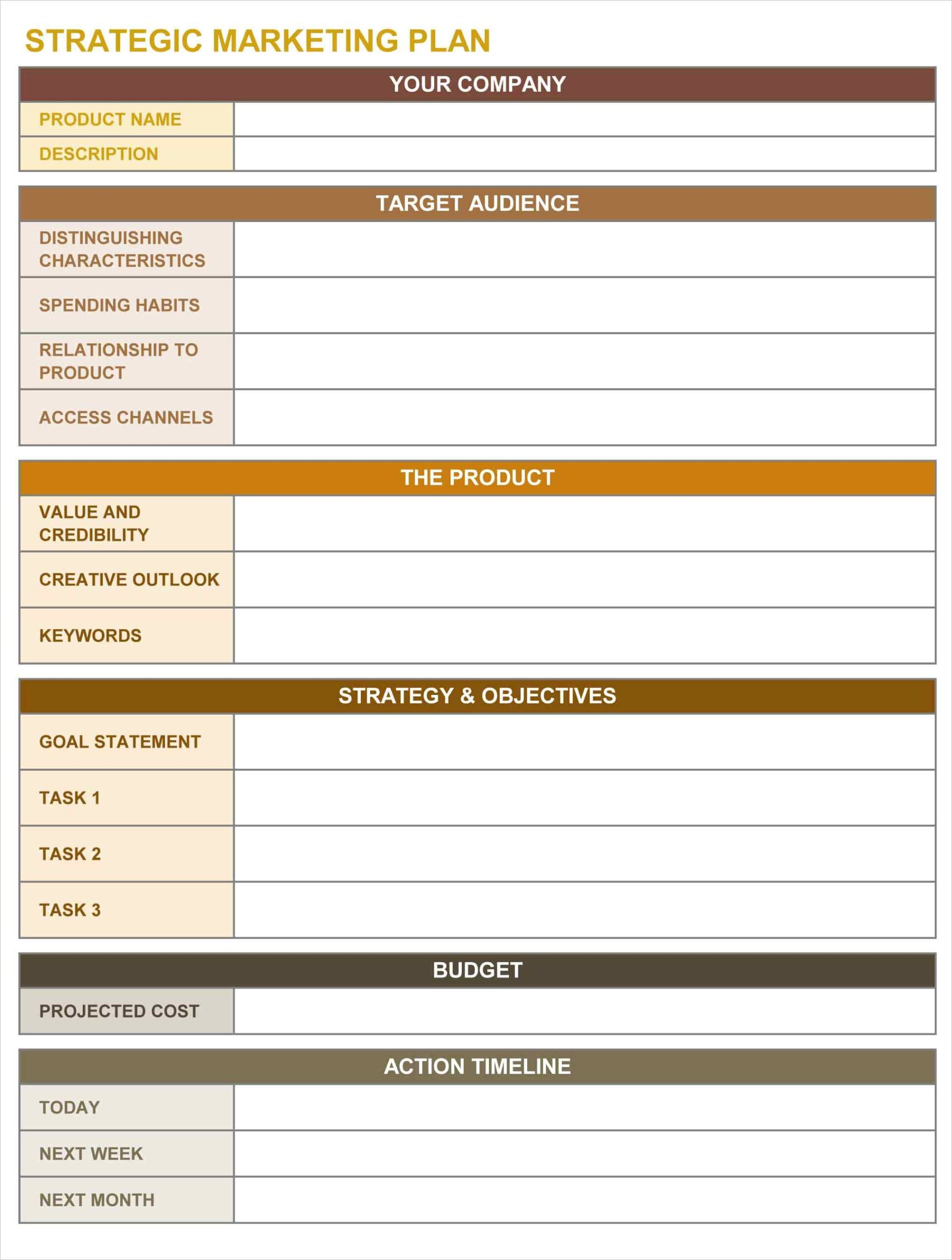
In today’s competitive business landscape, having a well-defined marketing plan is crucial to the success of any organization. A marketing plan provides a strategic roadmap for a business to achieve its goals by outlining how it will reach its target audience, promote products or services, and allocate resources effectively. It serves to organize marketing efforts, set clear objectives, and track progress, ensuring alignment across the company and enabling data-driven decisions to be made.
What is a Marketing Plan?
A marketing plan is a comprehensive document that outlines a company’s overall marketing strategy for a specific period, typically one year. It serves as a roadmap for all marketing activities, guiding how to reach the target audience, promote products or services, and allocate resources effectively. A well-developed marketing plan helps ensure that marketing efforts are aligned with the overall goals of the organization and enables the company to track progress and make data-driven decisions.
Why is a Marketing Plan Important?
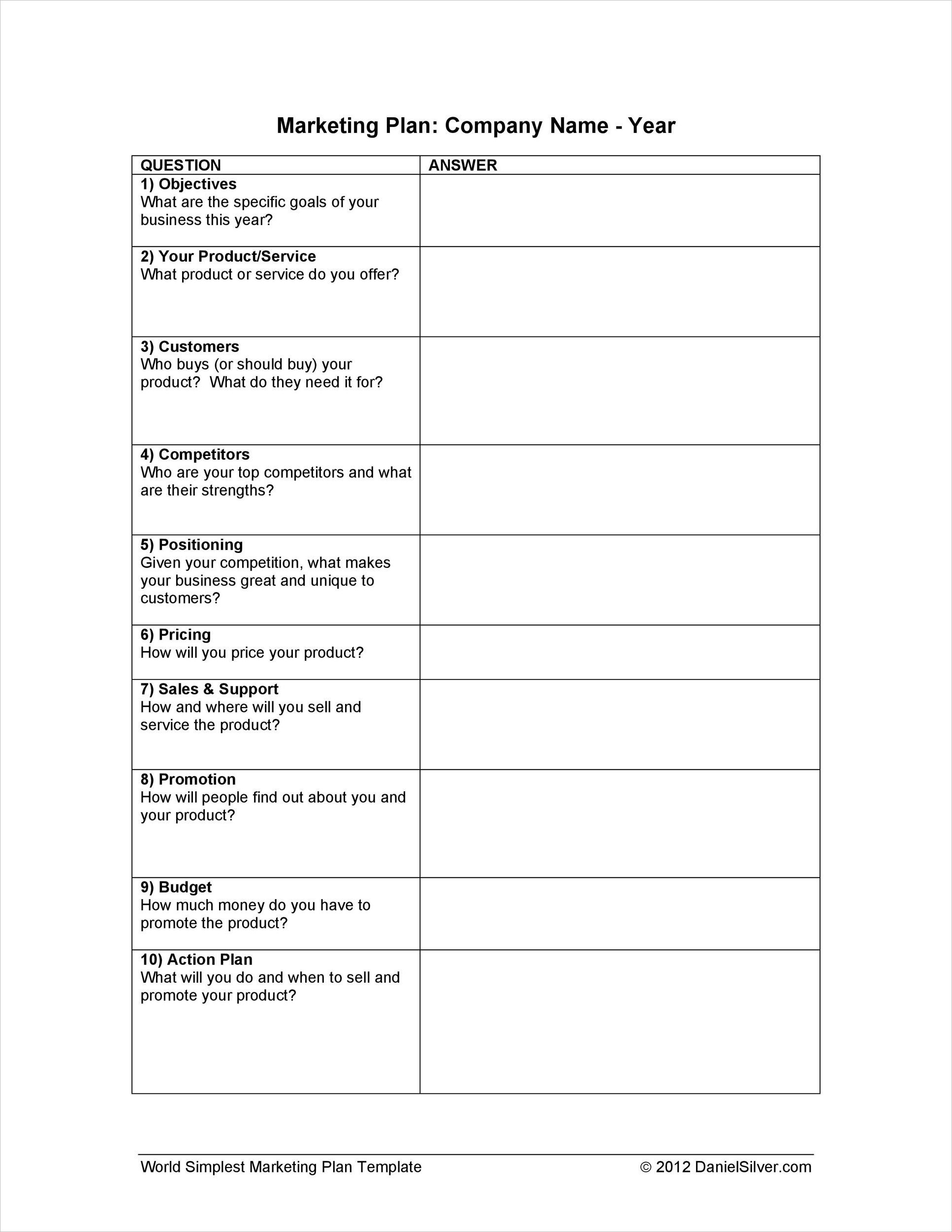
Creating a marketing plan is essential for several reasons. First and foremost, it provides a clear roadmap for the company’s marketing efforts, ensuring that all activities are aligned with the overall business goals. A marketing plan also helps to set specific objectives and key performance indicators (KPIs) that can be used to track progress and measure the success of marketing activities. Additionally, a well-developed marketing plan enables the company to allocate resources effectively and make data-driven decisions based on the results of marketing campaigns.
Key Elements of a Marketing Plan
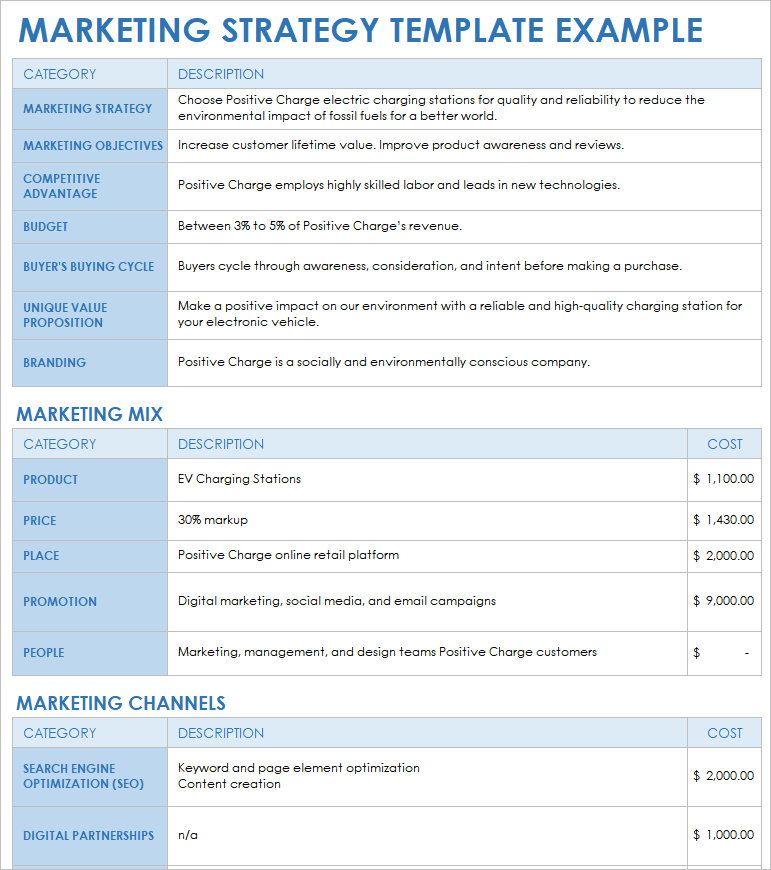
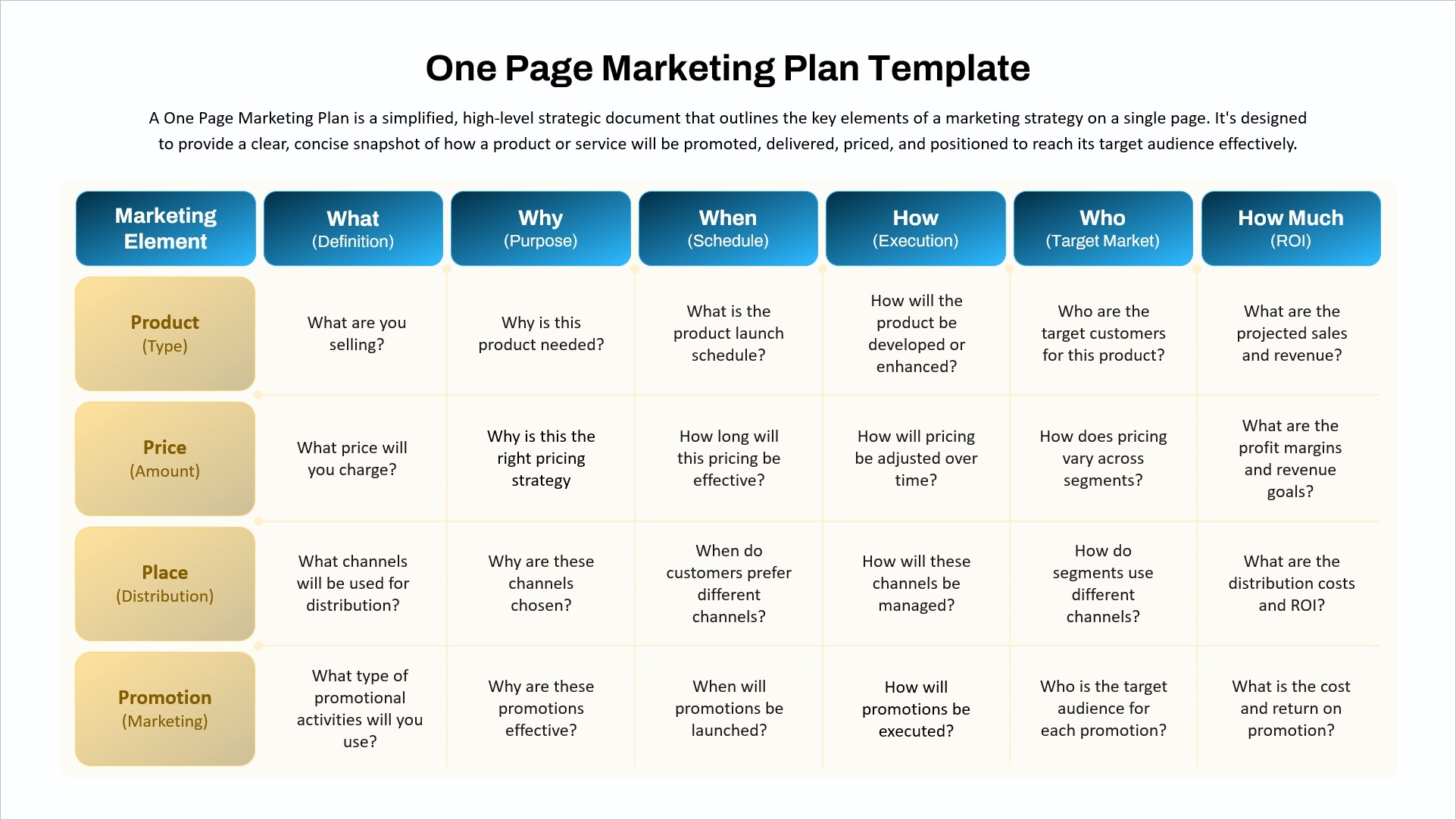
There are several key elements that should be included in a comprehensive marketing plan:
- Executive Summary: A brief overview of the company’s marketing goals and objectives.
- Situation Analysis: An assessment of the company’s current market position, including a SWOT analysis (strengths, weaknesses, opportunities, threats).
- Target Audience: A detailed description of the company’s target audience, including demographics, psychographics, and buying behaviors.
- Marketing Strategy: An outline of the company’s overall marketing strategy, including positioning, messaging, and branding.
- Tactics and Action Plan: Specific marketing tactics and activities to be implemented, along with a timeline and budget.
- Measurement and KPIs: Key performance indicators to track the success of marketing activities and measure ROI.
- Resource Allocation: Allocation of budget, staff, and other resources to support marketing initiatives.
How to Create a Marketing Plan
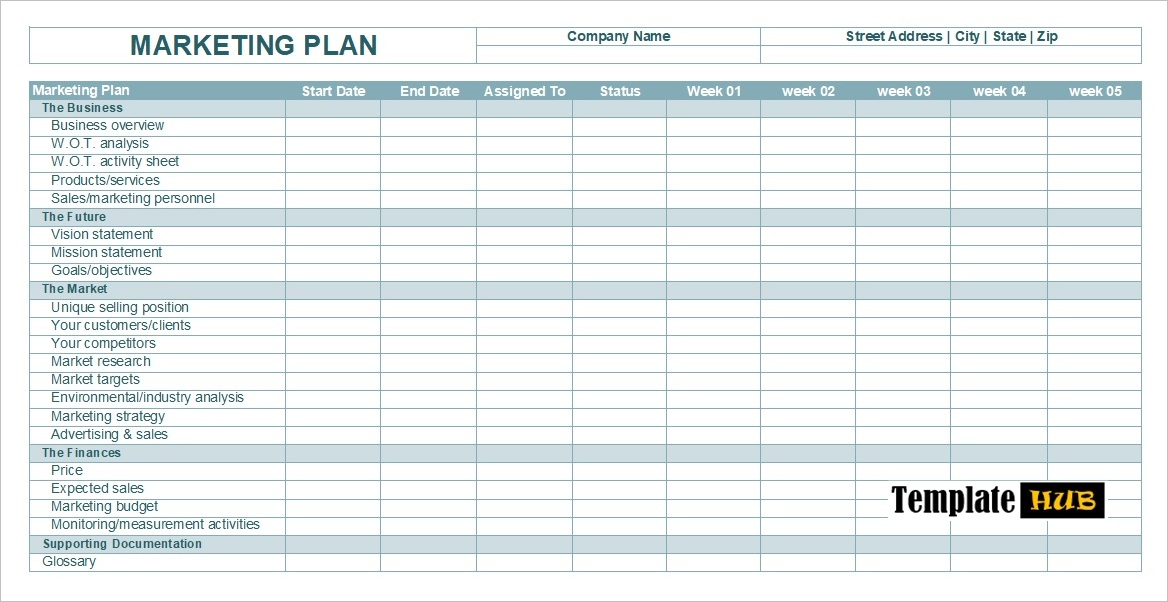
Creating a marketing plan can seem like a daunting task, but it doesn’t have to be. Follow these steps to create a successful marketing plan for your business:
1. Set Clear Goals and Objectives
Start by defining clear and measurable goals for your marketing plan. These goals should be specific, achievable, and aligned with the overall objectives of the organization.
2. Conduct a Comprehensive Situation Analysis
Perform a thorough analysis of your company’s current market position, including a SWOT analysis to identify strengths, weaknesses, opportunities, and threats. This will help you understand the competitive landscape and identify areas for growth.
3. Identify Your Target Audience
Develop detailed buyer personas to identify your target audience’s demographics, psychographics, and buying behaviors. Understanding your target audience will help you create targeted marketing campaigns that resonate with your customers.
4. Develop Your Marketing Strategy
Outline your overall marketing strategy, including your positioning, messaging, and branding. Define how you will differentiate your products or services from competitors and communicate your value proposition to your target audience.
5. Create a Tactical Action Plan
Develop a detailed action plan that outlines specific marketing tactics and activities to be implemented, along with a timeline and budget. Consider using a mix of online and offline marketing channels to reach your target audience effectively.
6. Measure Success and Adjust as Needed
Monitor the performance of your marketing activities using key performance indicators (KPIs) and adjust your strategies as needed based on the data. Regularly review and update your marketing plan to ensure it remains relevant and effective.
7. Allocate Resources Effectively
Allocate budget, staff, and other resources to support your marketing initiatives. Ensure that resources are allocated in a way that maximizes ROI and supports the achievement of your marketing goals.
Tips for Successful Marketing Planning
Here are some additional tips to help you create a successful marketing plan:
- Involve Key Stakeholders: Engage key stakeholders from across the organization in the development of your marketing plan to ensure buy-in and alignment with overall business goals.
- Stay Flexible: Be prepared to adjust your marketing plan as needed based on changing market conditions, customer feedback, and the performance of your marketing campaigns.
- Focus on ROI: Measure the success of your marketing activities using key performance indicators (KPIs) and focus on activities that deliver the highest return on investment.
- Stay Current: Regularly review and update your marketing plan to incorporate new trends, technologies, and best practices in the industry.
- Seek Feedback: Solicit feedback from customers, employees, and other stakeholders to gather insights that can help inform your marketing strategies and tactics.
- Celebrate Successes: Recognize and celebrate the achievements of your marketing team to boost morale and motivation for future marketing initiatives.
- Continuously Learn: Invest in ongoing training and professional development for your marketing team to ensure they have the skills and knowledge needed to execute your marketing plan effectively.
By following these steps and tips, you can create a comprehensive and effective marketing plan that will help your business achieve its goals and drive growth in today’s competitive market.
