Planning an event, whether it is a corporate conference, wedding, seminar, festival, or private gathering, requires careful coordination and precise timing. One of the most critical components of successful event planning is the creation of an effective event schedule. An event schedule serves as the backbone of the entire occasion, ensuring that every activity flows smoothly, every participant knows their role, and every moment is utilized efficiently.
In today’s fast-paced world, where expectations for events are higher than ever, a well-structured schedule not only enhances organization but also elevates the overall experience for attendees. From managing speakers and entertainment to coordinating logistics and ensuring timely execution, an event schedule plays a pivotal role in achieving event success. This comprehensive guide explores the concept of event scheduling in detail, providing practical insights, strategies, and actionable steps to help you design and execute flawless events.
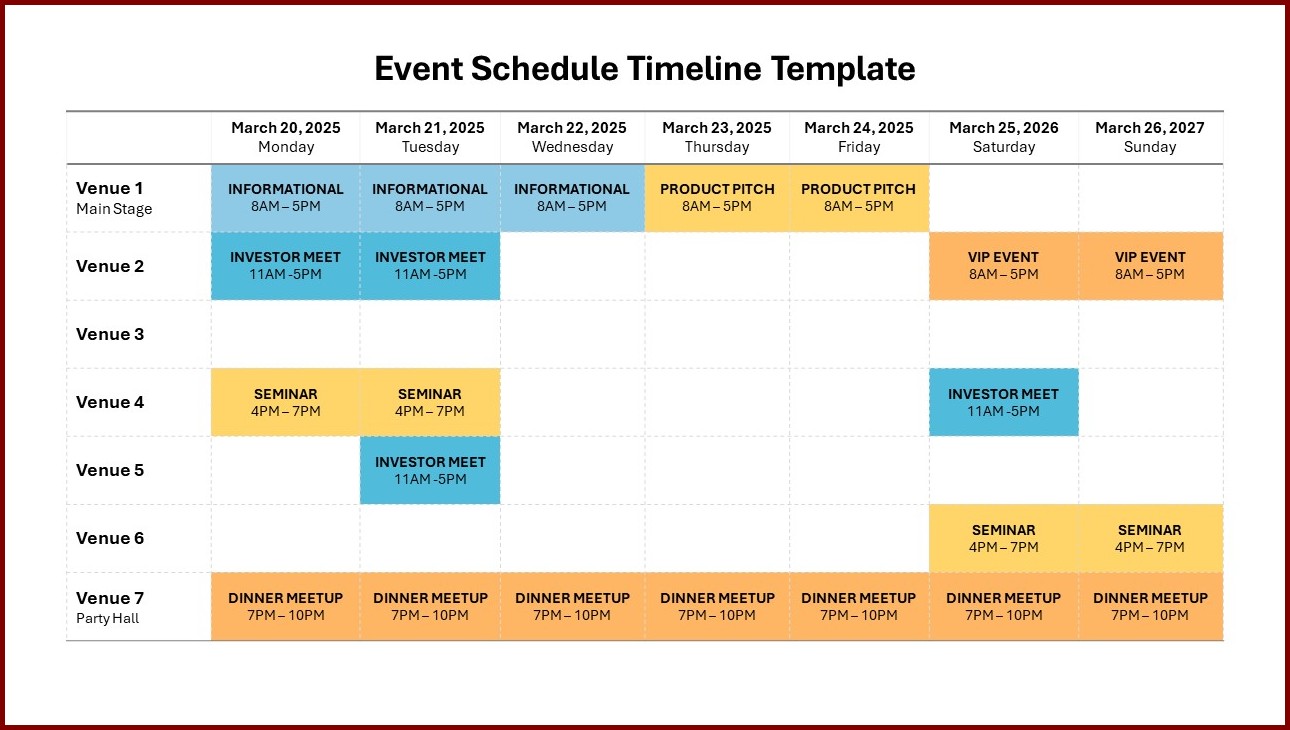
What is an Event Schedule?
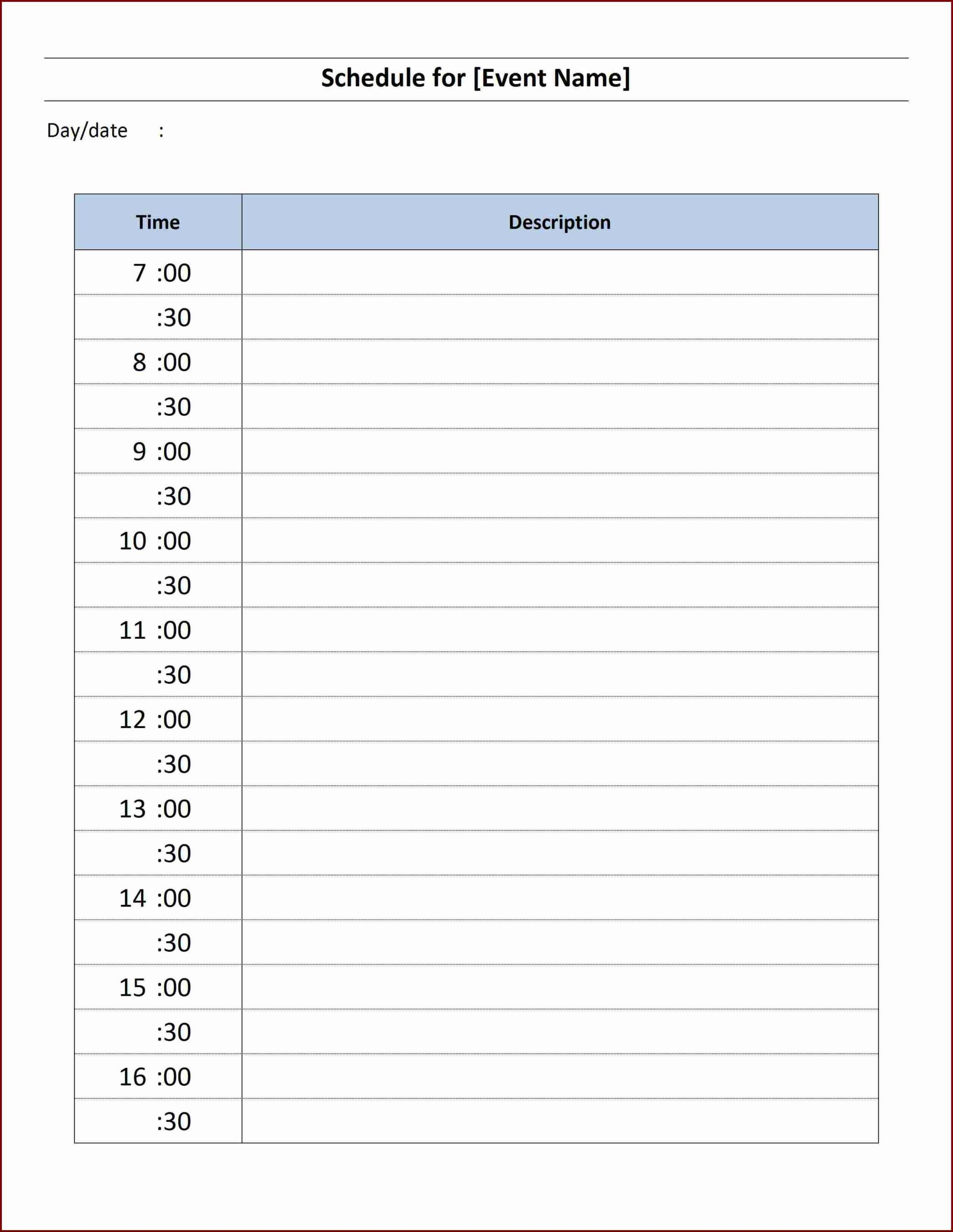
An event schedule is a structured timeline that outlines all activities, sessions, and key moments planned for an event. It acts as a roadmap, detailing when and where each component of the event will occur. Whether the event spans a few hours or several days, the schedule ensures that everything runs according to plan and that participants remain informed and engaged throughout.
An effective event schedule typically includes essential elements such as session timings, speaker details, entertainment segments, breaks, and logistical transitions. It serves as a communication tool for organizers, staff, speakers, and attendees, ensuring everyone is aligned and aware of what to expect.
Beyond its functional role, an event schedule also contributes to the overall experience of the event. A well-designed schedule balances structure with flexibility, allowing room for adjustments while maintaining a clear framework. It helps prevent confusion, reduces downtime, and maximizes productivity, making it an indispensable tool for event planners.
The Importance of Having a Schedule
Creating a detailed event schedule is not merely a formality; it is a necessity that directly impacts the success of the event. Without a schedule, even the most well-funded and creatively planned events can quickly descend into chaos. A structured timeline provides clarity, direction, and efficiency, ensuring that every aspect of the event is executed seamlessly.
- Ensures Time Management. A schedule helps allocate time appropriately for each activity, preventing delays and ensuring that the event stays on track from start to finish.
- Enhances Coordination. With a clear schedule, all stakeholders—including organizers, vendors, and participants—can coordinate effectively and perform their roles without confusion.
- Improves Attendee Experience. Attendees appreciate knowing what to expect. A well-structured schedule keeps them engaged and allows them to plan their participation.
- Reduces Stress for Organizers. Having a detailed plan minimizes last-minute uncertainties and allows organizers to handle unexpected situations more calmly.
- Facilitates Resource Allocation. Proper scheduling ensures that resources such as venues, equipment, and personnel are used efficiently.
- Supports Professionalism. A well-organized schedule reflects professionalism and enhances the credibility of the event and its organizers.
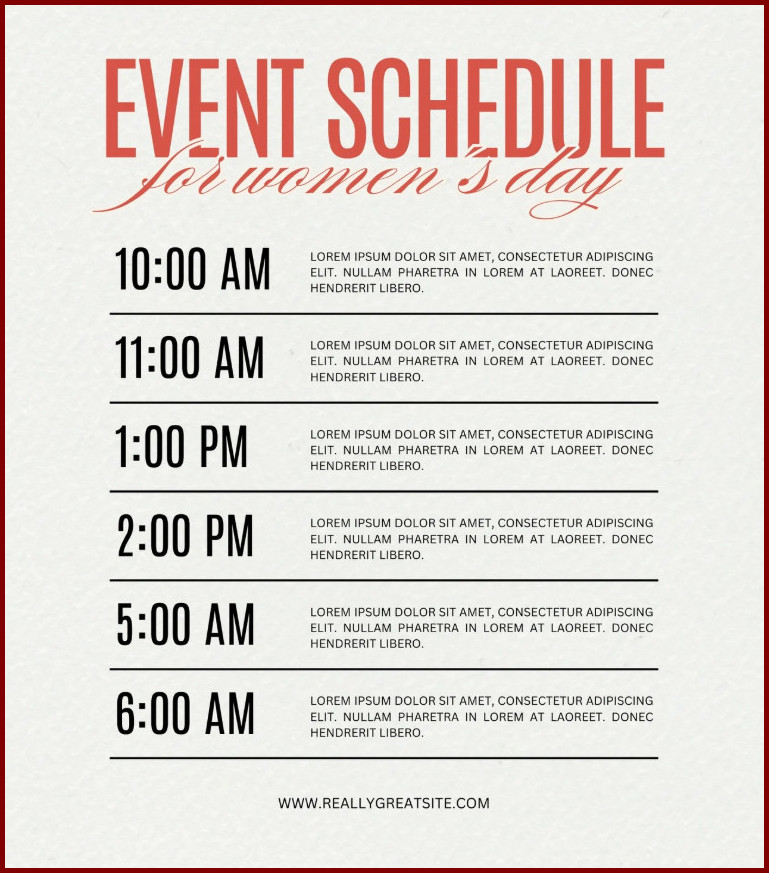
How To Make a Schedule for an Event
Creating an event schedule requires thoughtful planning, attention to detail, and a clear understanding of the event’s objectives. It is not simply about listing activities; it is about designing a cohesive flow that aligns with the purpose of the event while accommodating the needs of all participants.
The first step in creating an event schedule is defining the event goals. Understanding what you want to achieve helps determine the type of activities to include and how much time to allocate to each segment. Once the objectives are clear, the next step involves identifying all key components of the event, such as keynote speeches, breakout sessions, networking opportunities, and entertainment.
It is also essential to consider the audience when designing the schedule. Different audiences have different expectations and attention spans, so the schedule should be tailored to maintain engagement. For example, incorporating breaks and interactive sessions can help prevent fatigue and keep participants energized.
Another crucial aspect is timing. Each activity should be assigned a realistic duration, with buffer time included to accommodate transitions and unforeseen delays. Additionally, the sequence of events should be logical, ensuring a smooth flow from one segment to the next.
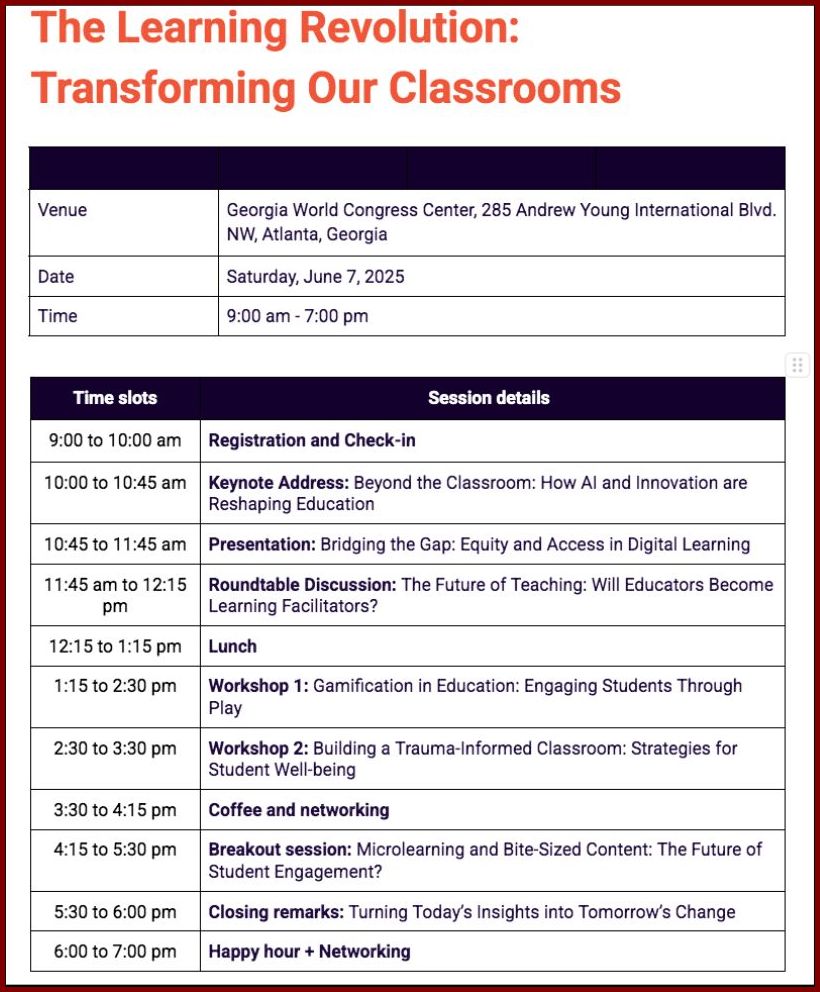
How to Organize a Successful Event
Organizing a successful event goes beyond creating a schedule; it involves executing that schedule effectively while managing various moving parts. A successful event is one where everything runs smoothly, participants are satisfied, and the objectives are achieved.
1. Define Clear Objectives
Every successful event begins with a clear purpose. Whether the goal is to educate, entertain, celebrate, or promote, having well-defined objectives guides all planning decisions, including the creation of the event schedule. Clear goals help prioritize activities and ensure that every element contributes to the overall vision.
2. Understand Your Audience
Knowing your audience is essential for designing an engaging and relevant schedule. Consider factors such as demographics, interests, and expectations. Tailoring the schedule to suit the audience ensures higher participation and satisfaction.
3. Select the Right Venue and Timing
The choice of venue and timing plays a significant role in the success of an event. The schedule should align with the venue’s availability and logistical constraints. Additionally, selecting an appropriate date and time ensures maximum attendance and engagement.
4. Coordinate with Speakers and Performers
Speakers and performers are often the highlight of an event. Coordinating with them in advance ensures that their sessions are well-integrated into the schedule. Clear communication about timing, expectations, and requirements is essential.
5. Incorporate Flexibility
While structure is important, flexibility is equally crucial. Unexpected delays or changes can occur, so the schedule should include buffer time and contingency plans to handle such situations without disrupting the overall flow.
6. Use Technology for Scheduling
Modern event planning tools and software can simplify the scheduling process. These tools allow for real-time updates, easy sharing, and improved coordination among team members, enhancing efficiency and accuracy.
7. Communicate the Schedule Clearly
A schedule is only effective if it is communicated properly. Ensure that all participants have access to the schedule through various channels, such as printed programs, mobile apps, or digital displays.
8. Monitor and Adjust in Real-Time
During the event, it is important to monitor progress and make adjustments as needed. Having a dedicated team to oversee the schedule ensures that any issues are addressed promptly, maintaining the event’s momentum.
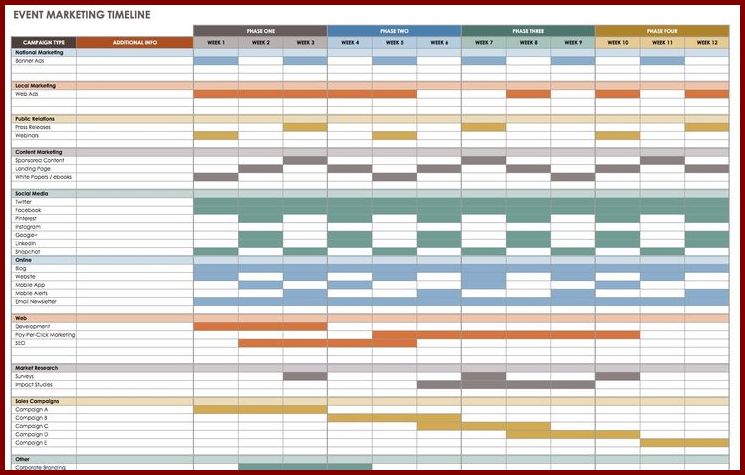
Common Mistakes to Avoid in Event Scheduling
Even experienced event planners can encounter challenges when creating schedules. Being aware of common mistakes can help you avoid pitfalls and ensure a smoother planning process.
- Overloading the Schedule. Including too many activities can overwhelm attendees and lead to fatigue, reducing overall engagement.
- Ignoring Buffer Time. Failing to account for transitions and delays can cause the entire schedule to fall behind.
- Lack of Communication. Not sharing the schedule effectively can lead to confusion among participants and staff.
- Unrealistic Timing. Assigning insufficient or excessive time to activities can disrupt the flow of the event.
- Neglecting Audience Needs. A schedule that does not consider the audience’s preferences may result in low participation.
- Failure to Plan for Contingencies. Not having backup plans can lead to chaos when unexpected issues arise.
Conclusion
An event schedule is more than just a timeline; it is a strategic tool that shapes the entire event experience. From ensuring smooth coordination to enhancing attendee satisfaction, a well-crafted schedule plays a vital role in achieving success.
By understanding the fundamentals of event scheduling, recognizing its importance, and applying practical strategies, you can create schedules that are both efficient and engaging. Whether you are planning a small gathering or a large-scale event, investing time and effort into developing a comprehensive schedule will pay off in the form of a seamless and memorable experience for everyone involved.
Ultimately, the key to a successful event lies in careful planning, clear communication, and the ability to adapt. With the right approach, your event schedule can become a powerful framework that transforms your vision into reality.
