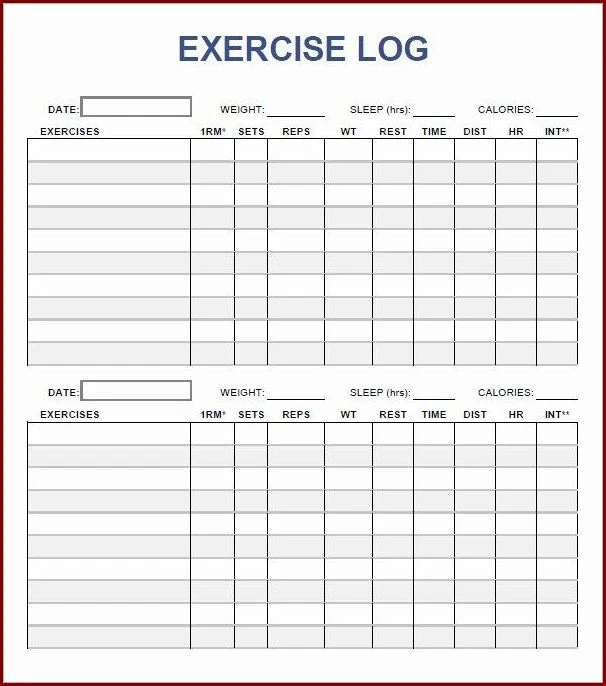
Exercise planning is essential for anyone looking to achieve specific fitness goals in a structured, efficient, and safe manner. A well-thought-out plan can help you stay on track, ensure a balanced workout routine, prevent injuries from over- or under-training, and make the entire process more consistent and enjoyable.
Think of it as a roadmap that clearly defines your objectives, outlines how to reach them, and provides accountability for your progress. In this article, we will discuss the key elements of exercise planning and provide tips for successful implementation.
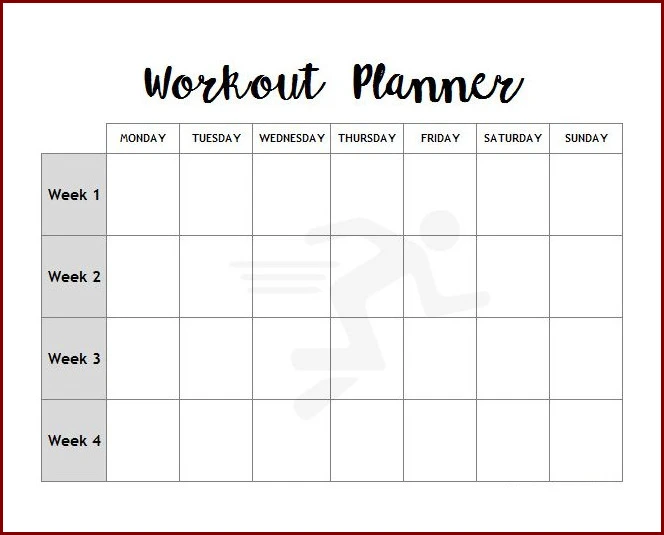
What is Exercise Planning?
Exercise planning is the process of creating a detailed strategy to help you achieve your fitness goals. It involves setting specific objectives, outlining the steps needed to reach them, and creating a schedule to keep you consistent.
A well-designed exercise plan takes into account your current fitness level, desired outcomes, available time, and any potential limitations or challenges you may face.
Why is Exercise Planning Important?
Having a solid exercise plan in place can make a significant difference in the effectiveness and efficiency of your workouts. Here are some key reasons why exercise planning is crucial:
- Stay on Track: An exercise plan helps you stay focused and motivated, making it easier to reach your goals.
- Ensure Balance: By including a variety of exercises in your plan, you can ensure that all muscle groups are targeted and prevent overuse injuries.
- Prevent Injuries: A well-structured plan prevents overtraining, which can lead to injuries, and undertraining, which may not produce the desired results.
- Consistency: Following a plan consistently can lead to better progress and results over time.
- Enjoyment: When you have a clear plan in place, you are more likely to enjoy your workouts and stick with them in the long run.
Key Elements of Exercise Planning
When creating an exercise plan, there are several key elements to consider:
- Goal Setting: Clearly define your fitness goals, whether it’s losing weight, building muscle, improving endurance, or increasing flexibility.
- Assessment: Evaluate your current fitness level, including strength, flexibility, cardiovascular fitness, and any specific areas of weakness or imbalance.
- Creating a Balanced Workout: Include a variety of exercises that target different muscle groups and aspects of fitness, such as strength training, cardio, flexibility, and mobility work.
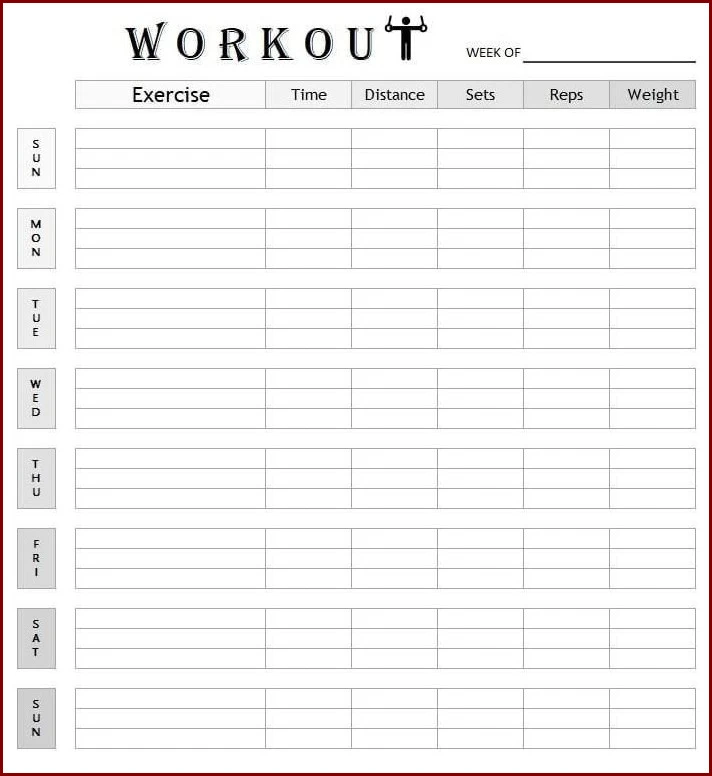
- Scheduling: Plan out your workouts for the week, taking into account your availability, other commitments, and the need for rest and recovery.
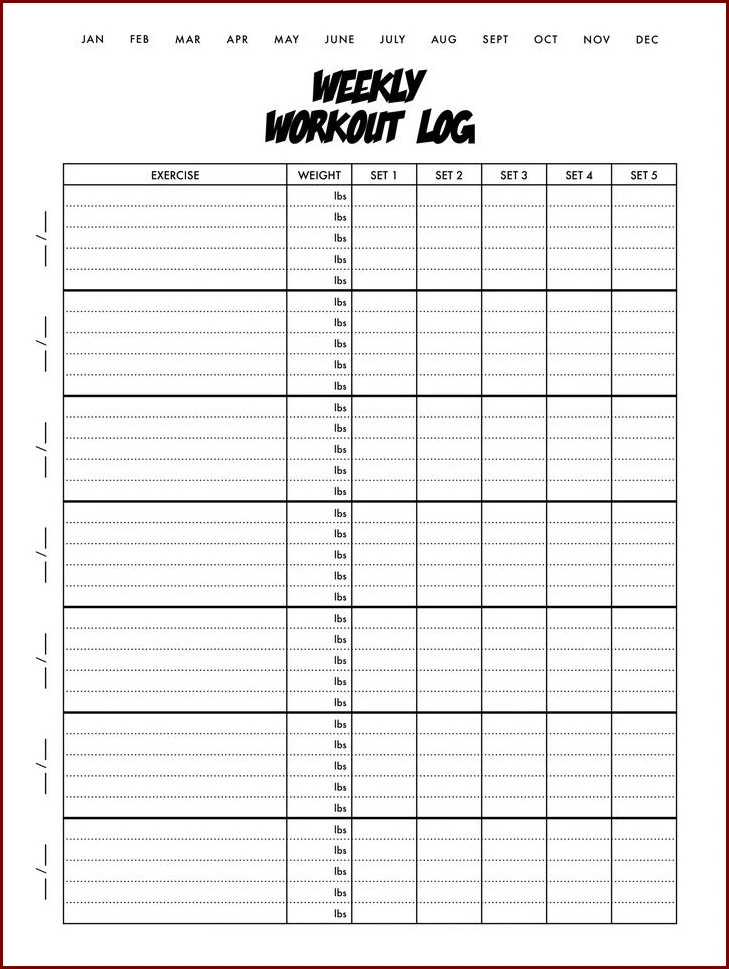
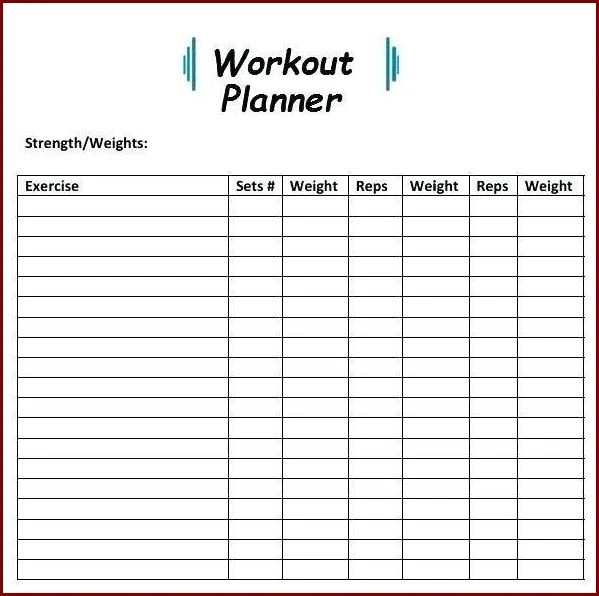
- Progress Tracking: Keep track of your workouts, progress, and any changes in your fitness level to adjust your plan as needed.
How to Create an Effective Exercise Plan
Here are some steps to help you create a successful exercise plan:
- Set Specific Goals: Define what you want to achieve and create measurable and realistic targets.
- Consult a Professional: Consider working with a personal trainer or fitness coach to help you create a customized plan based on your goals and needs.
- Start Slowly: Gradually increase the intensity and duration of your workouts to avoid burnout and injuries.
- Stay Flexible: Be open to adjusting your plan as needed based on your progress, feedback from your body, and any changes in your goals or circumstances.
Tips for Successful Exercise Planning
Here are some additional tips to help you successfully plan and execute your workouts:
- Include Variety: Keep your workouts interesting by incorporating different types of exercises, equipment, and routines.
- Listen to Your Body: Pay attention to how your body responds to exercise and adjust your plan accordingly to avoid overtraining or injury.
- Stay Consistent: Stick to your plan as much as possible, even on days when you don’t feel like working out, to build a habit and see progress.
Conclusion
Exercise planning is a crucial component of achieving specific fitness goals in a safe, efficient, and enjoyable manner. By creating a detailed plan that takes into account your objectives, current fitness level, and available resources, you can stay on track, prevent injuries, and make consistent progress towards your desired outcomes. Remember to set specific goals, include a variety of exercises, track your progress, and stay flexible in your approach to ensure long-term success.
