In the world of business, financial reports play a crucial role in providing stakeholders with a clear picture of a company’s financial health, performance, and cash flows. These reports are essential tools that enable informed decision-making and are used by various parties for different purposes.
From internal management for strategic planning to investors evaluating investment opportunities, creditors assessing loan risk, and regulators ensuring compliance with tax and legal requirements, financial reports are a key component of transparency and accountability in the corporate world.
What are Financial Reports?
Financial reports are formal records of a company’s financial activities and position. They typically include a balance sheet, income statement, cash flow statement, and notes to the financial statements. These reports are prepared at the end of a company’s fiscal year and provide a comprehensive overview of its financial performance during that period.
Financial reports are prepared in accordance with generally accepted accounting principles (GAAP) or international financial reporting standards (IFRS) to ensure consistency and comparability across different organizations. They are also subject to audit by independent external auditors to verify the accuracy and fairness of the information presented.
Why are Financial Reports Important?
Financial reports serve multiple purposes and are essential for stakeholders to make informed decisions. Here are some key reasons why financial reports are important:
– Transparency and Accountability: Financial reports provide transparency into a company’s financial performance and position, allowing stakeholders to assess its operations and financial health.
– Decision-Making: Stakeholders use financial reports to make decisions about investing, lending, or collaborating with a company based on its financial stability and performance.
– Compliance: Regulators use financial reports to ensure that companies comply with tax laws, accounting standards, and other legal requirements.
– Performance Evaluation: Investors, creditors, and management use financial reports to evaluate a company’s profitability, liquidity, and overall financial performance.
What to Include in Financial Reports
When preparing financial reports, certain key components must be included to provide stakeholders with a comprehensive understanding of a company’s financial position. Here are some essential elements to include in financial reports:
– Balance Sheet: A snapshot of a company’s assets, liabilities, and shareholders’ equity at a specific point in time.
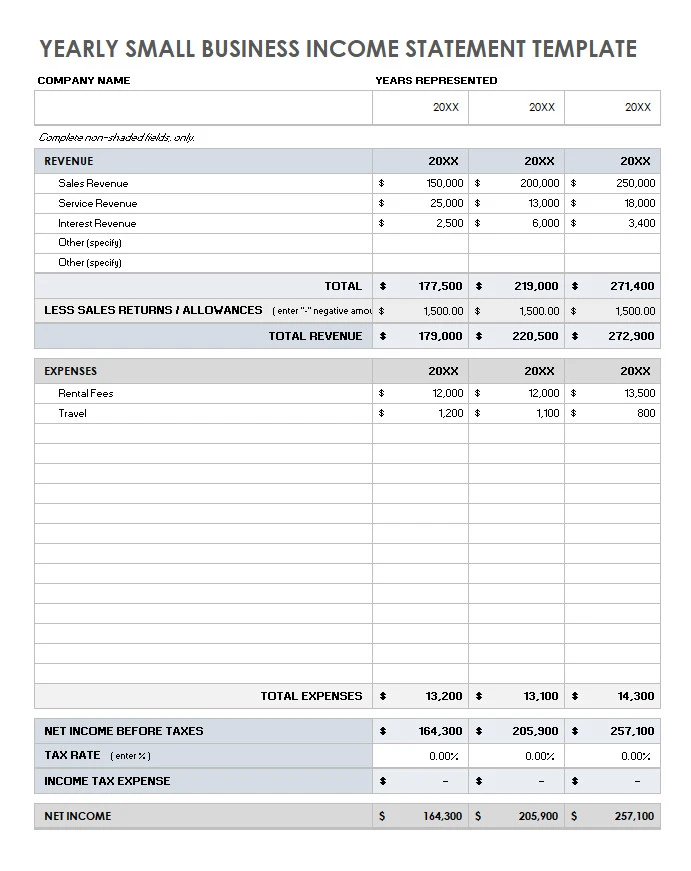
– Income Statement: A summary of a company’s revenues, expenses, and profits or losses for a specific period.
– Cash Flow Statement: A report showing the inflows and outflows of cash and cash equivalents during a specific period.
– Notes to the Financial Statements: Explanatory notes providing additional information and context to the financial statements.
How to Interpret Financial Reports
Interpreting financial reports requires a basic understanding of accounting principles and financial analysis techniques. Here are some tips for successfully interpreting financial reports:
– Compare with Previous Periods: Analyze trends by comparing current financial reports with previous periods to identify any significant changes or patterns.
– Analyze Ratios: Calculate key financial ratios such as profitability, liquidity, and solvency ratios to evaluate a company’s financial performance.
– Consider Industry Benchmarks: Compare a company’s financial performance with industry benchmarks to assess its competitive position.
– Look for Red Flags: Identify any unusual or inconsistent figures in the financial reports that may indicate financial irregularities or potential risks.
– Seek Professional Advice: Consult with financial experts or analysts for a deeper understanding of the financial reports and their implications.
Tips for Successful Financial Reporting
Effective financial reporting requires attention to detail, accuracy, and transparency. Here are some tips for successful financial reporting:
– Use Clear and Concise Language: Present financial information clearly and straightforwardly that is easily understood by stakeholders.
– Be Transparent: Disclose all relevant financial information, including potential risks and uncertainties, to provide a complete picture of the company’s financial position.
– Maintain Accuracy: Ensure the accuracy and reliability of financial data by following accounting standards and conducting regular audits.
– Timely Reporting: Submit financial reports on time to provide stakeholders with up-to-date information for decision-making.
– Continuous Improvement: Regularly review and refine the financial reporting process to enhance the quality and relevance of the reports.
Financial reports are invaluable tools that provide stakeholders with essential information to make informed decisions about a company’s financial health and performance. By understanding the importance of financial reports and how to interpret them effectively, stakeholders can gain valuable insights into a company’s operations and make strategic decisions with confidence.
Financial Report Template – Free Download
