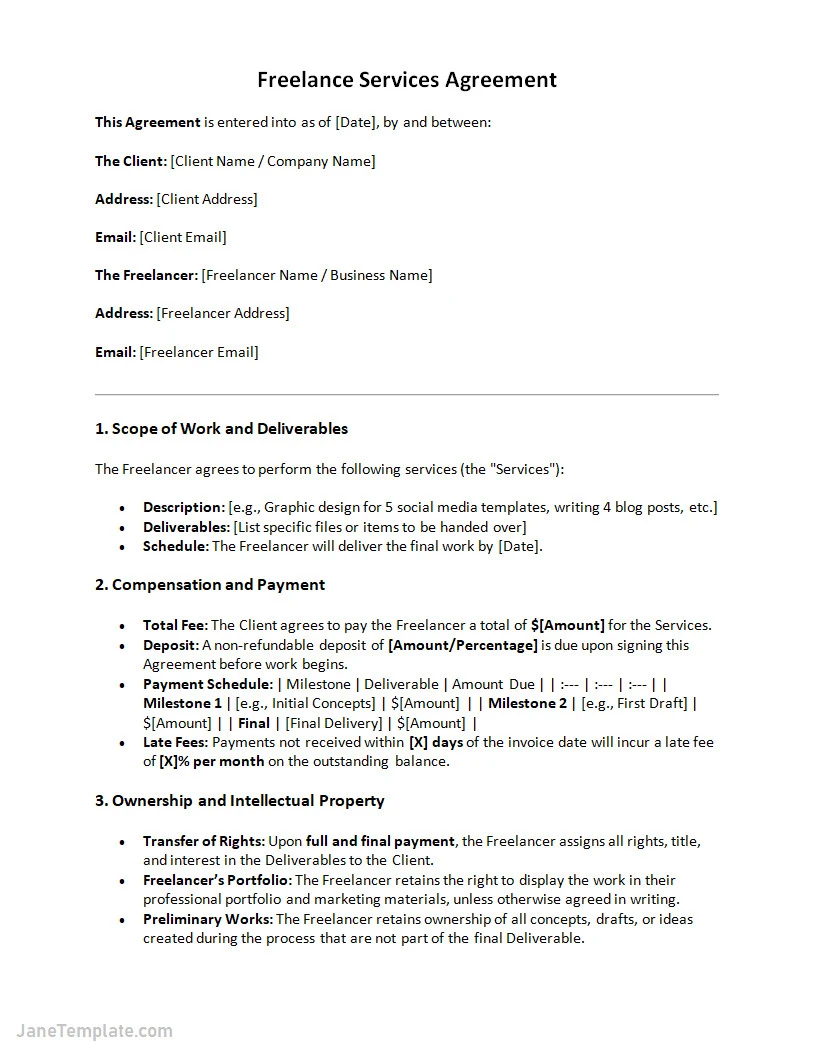
As a freelancer, it’s crucial to protect yourself and your clients by having a legally binding freelance contract in place. This document serves as a blueprint for your working relationship, clearly outlining the terms of the project and ensuring that both parties are on the same page. By defining the scope of work, payment schedules, deliverables, and project deadlines, a freelance contract can help prevent disputes and safeguard intellectual property rights.
In this guide, we’ll delve into the intricacies of freelance contracts, discussing what they are, why they’re essential, what to include, how to create one, and tips for successful contract implementation.
What is a Freelance Contract?
A freelance contract is a formal agreement between a freelancer and a client that outlines the terms and conditions of a project. It acts as a legally binding document that protects both parties by establishing expectations and responsibilities.
By clearly defining the scope of work, payment terms, project timelines, and other key details, a freelance contract helps ensure that everyone is on the same page throughout the duration of the project.
Why Are Freelance Contracts Important?
Freelance contracts are essential for several reasons:
- Protecting Both Parties. A freelance contract protects both the freelancer and the client by clearly defining their rights and obligations.
- Preventing Disputes. By outlining expectations upfront, a contract can help prevent misunderstandings and disputes down the line.
- Safeguarding Intellectual Property. A contract can include provisions that protect the freelancer’s intellectual property rights, such as ownership of work product.
- Establishing a Clear Path for Recourse. In the event of a breach of contract, a well-written freelance agreement provides a clear path for resolving disputes and seeking compensation.
What to Include in a Freelance Contract
When creating a freelance contract, it’s important to include the following key elements:
- Scope of Work. Clearly define the project scope, including deliverables, milestones, and any specific requirements.
- Payment Terms. Outline the payment schedule, rates, and any additional fees or expenses.
- Project Timelines. Specify project deadlines and milestones to ensure timely completion.
- Intellectual Property Rights. Address ownership of work product, copyright issues, and confidentiality agreements.
- Termination Clause. Include provisions for terminating the contract, including notice periods and consequences of early termination.
How to Create a Freelance Contract
Creating a freelance contract doesn’t have to be daunting. Follow these steps to draft a comprehensive and effective agreement:
1. Define the Scope of Work
Start by clearly outlining the project scope, including specific tasks, deliverables, and timelines. Be as detailed as possible to avoid any misunderstandings later on.
2. Establish Payment Terms
Specify the payment schedule, rates, and any additional fees or expenses. Include provisions for late payments, deposits, and invoicing procedures.
3. Include Intellectual Property Rights
Address ownership of work product, copyright issues, and confidentiality agreements. Clearly define who owns the rights to the work created during the project.
4. Set Project Deadlines
Establish project timelines and milestones to ensure timely completion. Include provisions for delays, extensions, and penalties for missed deadlines.
5. Include a Termination Clause
Include provisions for terminating the contract, including notice periods and consequences of early termination. This clause should outline the procedure for ending the agreement if necessary.
Tips for Successful Freelance Contracts
When creating and implementing freelance contracts, keep the following tips in mind:
- Communicate Clearly. Ensure that all terms are clearly communicated and agreed upon by both parties.
- Seek Legal Advice. Consider consulting with a legal professional to ensure that your contract is legally sound and enforceable.
- Review and Revise. Regularly review and update your contract to reflect any changes in the project scope or terms.
- Keep Records. Maintain detailed records of all communications, revisions, and changes to the contract throughout the project.
- Get Signatures. Make sure that both parties sign the contract to indicate their agreement and understanding of the terms.
By following these guidelines and best practices, you can create effective freelance contracts that protect your interests and ensure a successful working relationship with your clients.
Freelance Contract Template – Download
