When a loved one passes away, planning a funeral service can be a daunting task. From selecting a venue to choosing readings and music, there are countless decisions to be made during this difficult time. One important aspect of a funeral service that often gets overlooked is the funeral program.
A funeral program serves to guide attendees through the service, provide information about the deceased, and offer a keepsake to remember the individual. It helps structure the service, offers comfort to the grieving, and acts as a tribute to the life of the deceased.
What is a Funeral Program?
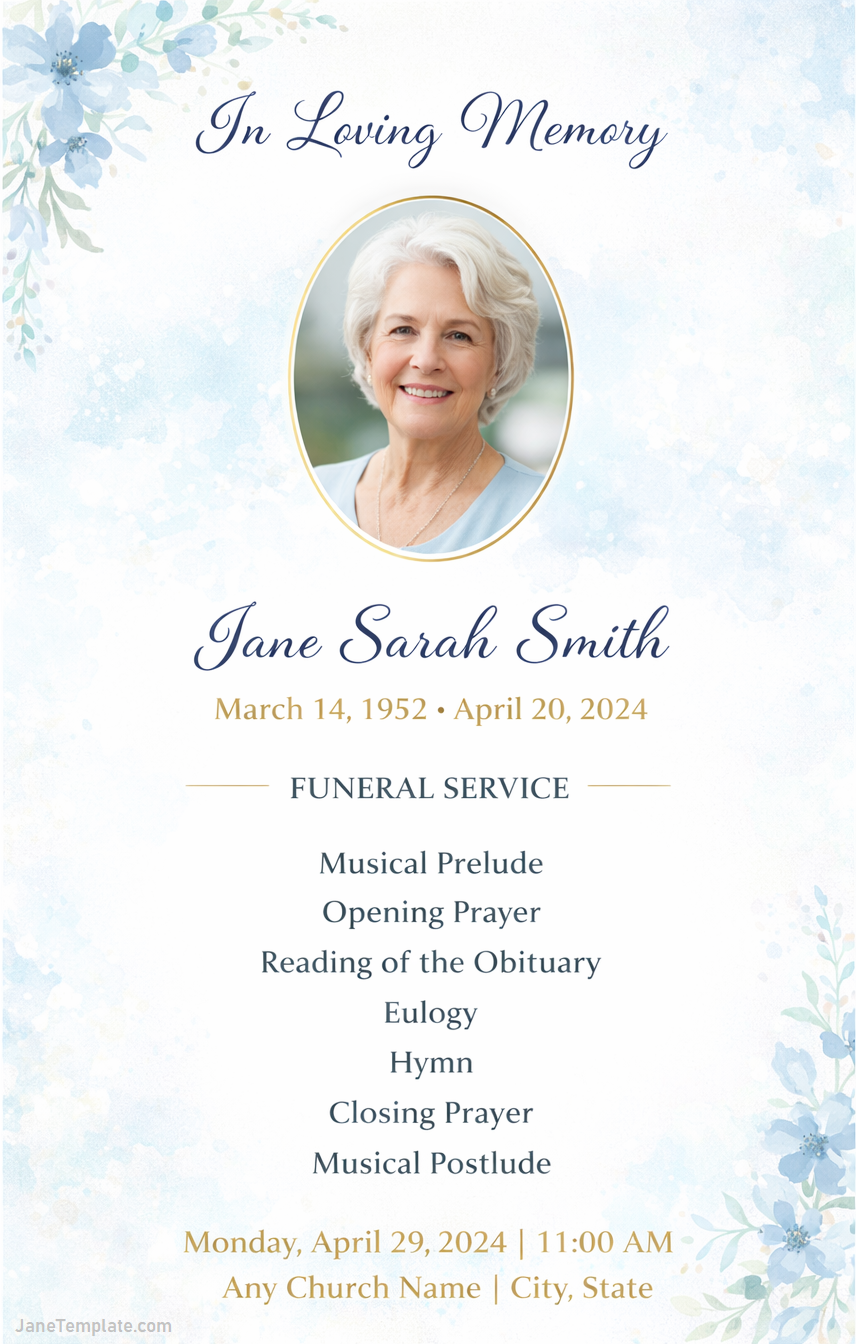
A funeral program, also known as a memorial program or order of service, is a printed document that outlines the details of a funeral or memorial service. It typically includes the order of events, information about the deceased, such as their biography and photos, and any readings or music that will be included in the service.
The Purpose of a Funeral Service
A funeral service serves as a way for family and friends to come together to grieve, remember, and celebrate the life of the deceased. It provides a space for people to support one another and pay their respects in a meaningful way.
A funeral program helps to guide attendees through the service, ensuring that everyone is aware of what to expect and can follow along with the proceedings.
The Importance of Funeral Ceremony Rituals
Funeral ceremony rituals play a crucial role in the grieving process, providing structure and comfort to those who are mourning. These rituals help to honor the life of the deceased, offer closure to the bereaved, and create a sense of community among those who are grieving. Including these rituals in a funeral program can help to provide a sense of familiarity and tradition, making the service more meaningful for attendees.
Funeral Misconceptions
There are many misconceptions surrounding funerals and funeral programs. Some people believe that funeral programs are only for large, formal services, while others think that they are unnecessary or too expensive. In reality, funeral programs can be tailored to suit any budget or style of service, from simple and intimate gatherings to elaborate ceremonies.
What Should Be Included in a Funeral Program?
When creating a funeral program, there are several key elements that should be included to ensure that it serves its purpose effectively. These elements may vary depending on the preferences of the family and the style of the service, but some common components include:
- Order of events: Outline the schedule of the service, including readings, music, and any rituals that will be included.
- Biography of the deceased: Share information about the life of the deceased, including their achievements, hobbies, and relationships.
- Photos: Include photos of the deceased to help attendees remember and celebrate their life.
- Readings and music: List any readings, poems, or music that will be included in the service.
- Thank you notes: Express gratitude to attendees for their support and presence at the service.
- Memorial keepsakes: Offer keepsakes, such as candles or bookmarks, for attendees to take home as a reminder of the deceased.
How to Make a Funeral Program
Creating a funeral program can be a meaningful and cathartic process for those who are grieving. To make a funeral program, consider the following steps:
1. Gather information:
Collect photos, biographical information, and details about the service to include in the program.
2. Choose a design:
Select a template or design that reflects the personality and style of the deceased.
3. Write the content:
Create a timeline of the service, write a biography of the deceased, and select readings and music to include.
4. Print and assemble:
Print the program on quality paper and assemble it with care, ensuring that it is easy to read and follow.
5. Distribute the program:
Hand out the program to attendees before the service begins, allowing them to follow along and participate fully in the proceedings.
Funeral Program Examples
There are countless ways to personalize a funeral program to honor the life of the deceased. Some examples of unique and creative funeral programs include:
- Photo collage: Create a collage of photos of the deceased to showcase their life and personality.
- Personal stories: Include personal stories and anecdotes from family and friends to highlight the impact of the deceased on others.
- Favorite quotes: Incorporate favorite quotes or sayings of the deceased to add a personal touch to the program.
- Custom artwork: Commission custom artwork or illustrations to accompany the program and make it truly unique.
- Interactive elements: Include interactive elements, such as space for attendees to write memories or messages, to encourage engagement and reflection.
- Theme-based design: Choose a theme, such as a favorite color or hobby of the deceased, to tie the design of the program together and create a cohesive look.
Overall, a funeral program is an essential component of a funeral service, providing structure, comfort, and a lasting tribute to the life of the deceased. By including meaningful elements and personal touches, a funeral program can help to create a memorable and meaningful experience for attendees and honor the memory of the departed.
Funeral Program Template – Download
