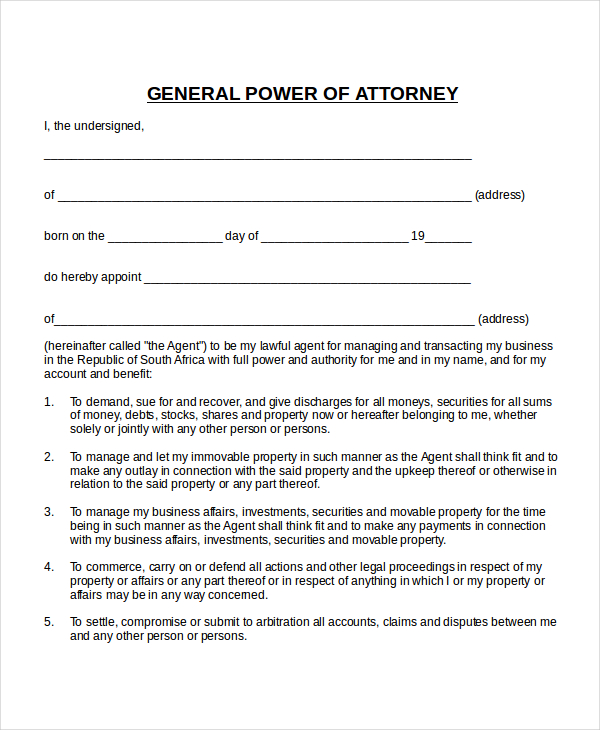
A general power of attorney is a legal document that grants an agent broad authority to act on your behalf in a wide range of financial and legal matters for a limited time, while you still have the mental capacity to manage your own affairs.
This type of power of attorney can be extremely useful in various situations, such as when you are temporarily unable to handle these tasks yourself, such as while traveling, in the hospital, or if you need someone to manage your business. It’s important to understand the key elements of a general power of attorney and how to effectively utilize it to protect your interests.
What is a General Power of Attorney?
A general power of attorney is a legal document that allows you to appoint an agent to make decisions and take actions on your behalf in financial and legal matters.
This authority typically covers a broad range of responsibilities, including managing bank accounts, real estate transactions, signing contracts, and handling tax matters. It is important to note that the authority granted under a general power of attorney ends if you become mentally incapacitated, or it can be revoked by you at any time as long as you are competent.
Why You Might Need a General Power of Attorney
There are several situations in which having a general power of attorney can be beneficial:
- Health Concerns: If you are facing a medical procedure or recovering from an illness, having someone to handle your financial affairs can provide peace of mind.
- Traveling: When you are away for an extended period, having an agent manage your affairs can ensure that bills are paid and other important tasks are taken care of.
- Business Management: If you own a business, appointing a trusted individual to make decisions on your behalf can keep operations running smoothly in your absence.
Key Elements of a General Power of Attorney
When creating a general power of attorney, there are several key elements to consider:
1. Agent Selection
Choosing the right agent is crucial, as they will be responsible for making important decisions on your behalf. Make sure to select someone you trust and who has the necessary skills to handle financial and legal matters.
2. Scope of Authority
Determine the specific powers you want to grant to your agent. Be clear about what they are authorized to do and what limitations, if any, you want to place on their authority.
3. Duration of Authority
Specify the duration of the general power of attorney. You can make it effective immediately, upon a specific event, or for a set period of time. Consider including an expiration date to prevent the document from being used indefinitely.
4. Revocation Clause
Include a revocation clause that allows you to revoke the general power of attorney at any time. This gives you the flexibility to change or terminate the document if circumstances change.
5. Witness and Notary Requirements
Depending on the laws in your state, a general power of attorney may need to be signed in the presence of witnesses and/or notarized to be legally valid. Make sure to follow the necessary formalities to ensure the document is legally enforceable.
6. Legal Advice
Consulting with a legal professional when creating a general power of attorney can help ensure that the document meets your specific needs and complies with state laws. An attorney can provide guidance on the best approach for your situation and help you avoid common pitfalls.
7. Communication with Your Agent
Once you have appointed an agent, it’s important to communicate with them regularly and keep them informed about your wishes and preferences. This can help prevent misunderstandings and ensure that your affairs are managed according to your instructions.
8. Review and Update as Needed
Regularly review your general power of attorney to ensure that it still reflects your wishes and circumstances. If there are any changes in your life or relationships, consider updating the document to ensure that it remains valid and effective.
How to Create a General Power of Attorney
Creating a general power of attorney involves several steps:
- Evaluate Your Needs: Determine the specific powers you want to grant to your agent and the duration of the authority.
- Select an Agent: Choose a trustworthy individual to act on your behalf and discuss your expectations with them.
- Draft the Document: Either create the document yourself using a template or seek the assistance of a legal professional to ensure it meets all legal requirements.
- Signing and Notarization: Sign the general power of attorney in the presence of witnesses and/or a notary public to make it legally valid.
- Distribute Copies: Provide copies of the document to your agent, trusted family members, and any other relevant parties.
Tips for Using a General Power of Attorney
Here are some tips for effectively utilizing a general power of attorney:
- Choose Your Agent Wisely: Select someone you trust and who has the necessary skills and integrity to handle your affairs responsibly.
- Keep Your Agent Informed: Communicate regularly with your agent and provide them with clear instructions and guidance on how you want your affairs managed.
- Review the Document Regularly: Periodically review your general power of attorney to ensure it still meets your needs and make any necessary updates or revisions.
- Consider Professional Guidance: Consult with a legal professional when creating or updating your general power of attorney to ensure it is legally sound and effective.
- Be Mindful of Potential Risks: While a general power of attorney can be a valuable tool, it is important to understand the potential risks and limitations involved in granting someone else authority over your affairs.
- Keep Original Documents Secure: Store the original copy of your general power of attorney in a safe place and provide copies to trusted individuals who may need to access it in case of an emergency.
Conclusion
A general power of attorney can be a powerful tool for managing your financial and legal affairs when you are unable to do so yourself. By understanding the key elements of a general power of attorney, knowing how to create one, and following best practices for its use, you can ensure that your interests are protected and your affairs are managed effectively. Remember to review and update your general power of attorney as needed to reflect changes in your life and circumstances.
General Power of Attorney Template – Word
