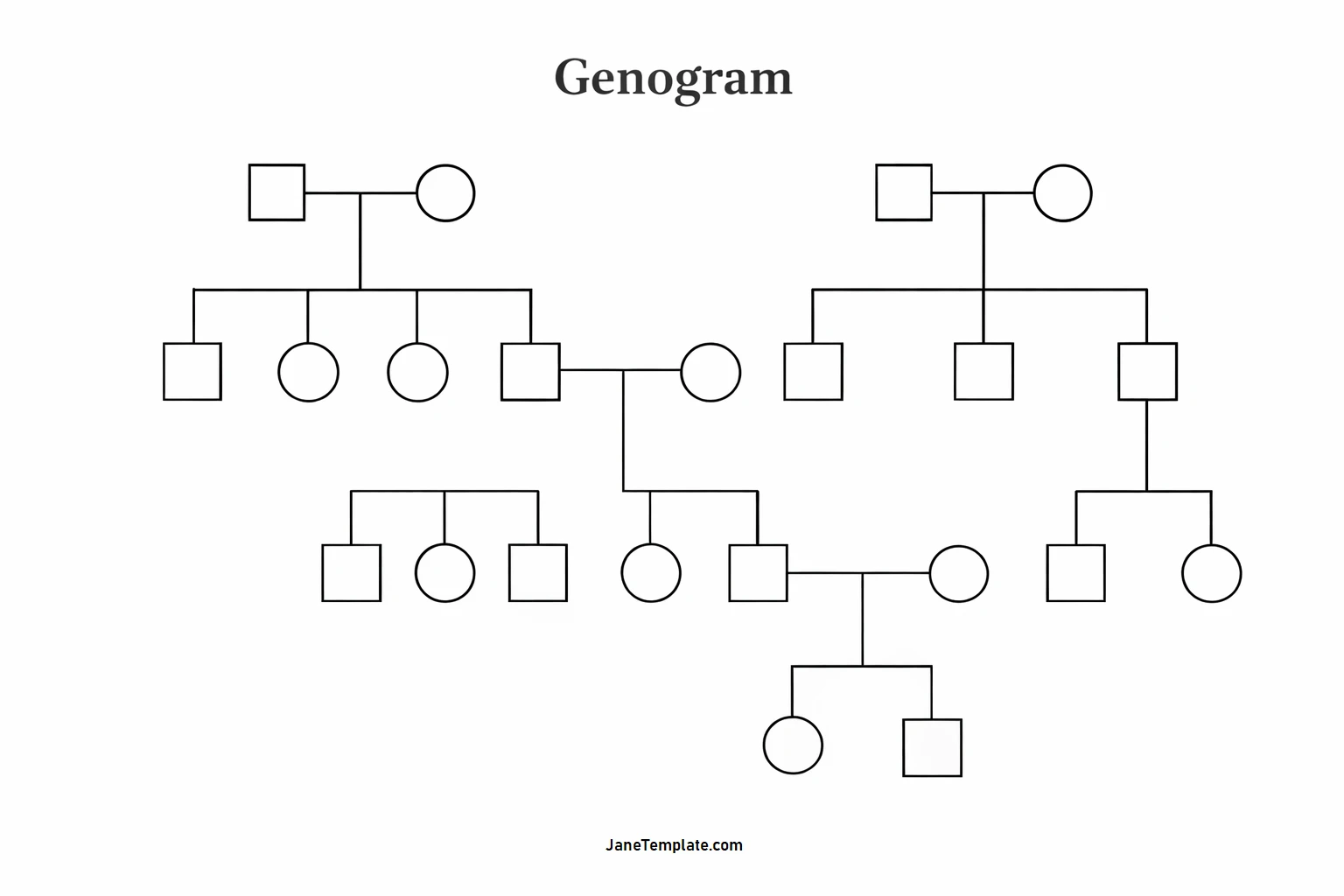
Genograms are powerful tools that provide a visual representation of a family’s structure and relationships across multiple generations. They go beyond the traditional family tree by including additional information about family dynamics, patterns, and the impact of past events on current situations.
By using genograms, individuals can gain insight into the “why” behind family behaviors and challenges, creating a deeper understanding of their family history.
What is a Genogram?
A genogram is a graphic representation of a family tree that displays detailed information about family relationships, interactions, and dynamics. It goes beyond the basic family tree by including additional elements such as emotional relationships, medical history, communication patterns, and social connections.
Genograms provide a holistic view of a family system, allowing individuals to explore complex relationships and identify patterns that may influence current behaviors and challenges.
Creating a genogram involves mapping out multiple generations of a family, including grandparents, parents, siblings, children, and other relatives. Each family member is represented by a specific symbol and connected through lines that indicate relationships and interactions. By visually representing family dynamics, genograms help individuals uncover hidden patterns, explore the impact of past events, and gain a deeper understanding of their family history.
- Visual Representation: Genograms use symbols and lines to represent family members and relationships in a visually engaging format.
- Complex Relationships: Genograms provide a way to visualize and understand the intricate connections and dynamics within a family system.
- Identifying Patterns: By analyzing the information presented in a genogram, individuals can identify recurring patterns and behaviors that may impact their current situation.
- Exploring the Impact of Past Events: Genograms help individuals explore how past events and relationships have shaped their family history and influenced their current behaviors.
- Deeper Understanding: By using genograms, individuals can gain a deeper understanding of their family dynamics and relationships, leading to greater insight and self-awareness.
- Therapeutic Tool: Genograms are often used in therapy and counseling to help individuals explore family dynamics, address challenges, and work towards healing and growth.
Difference Between Genogram And Family Tree
While genograms and family trees both provide information about family relationships and ancestry, there are key differences between the two. Family trees typically focus on genealogy and lineage, showing the direct bloodline of ancestors and descendants. In contrast, genograms include additional details such as emotional relationships, medical history, communication patterns, and social connections.
Difference Between Genogram And Ecomap
Genograms and ecomaps are both tools used in family therapy and social work to assess family dynamics and relationships. While genograms focus on internal family relationships and interactions, ecomaps provide a visual representation of external influences such as social connections, support systems, and community resources. Ecomaps complement genograms by highlighting the broader context in which a family operates and identifying external factors that may impact family functioning.
Benefits of Using a Genogram
There are several benefits to using genograms in exploring family dynamics and relationships. Some of the key advantages include:
- Increased Insight: Genograms help individuals gain a deeper understanding of their family history, relationships, and behaviors.
- Identifying Patterns: By analyzing the information presented in a genogram, individuals can identify recurring patterns and behaviors.
- Enhanced Communication: Genograms can facilitate communication within families by providing a visual representation of complex relationships.
- Therapeutic Tool: Genograms are commonly used in therapy and counseling to explore family dynamics, address challenges, and promote healing.
- Personal Growth: By using genograms, individuals can gain insight into how past events and relationships have influenced their current situation, leading to personal growth and self-awareness.
Who Can Use a Genogram?
Genograms can be used by a wide range of individuals and professionals to gain insight into family dynamics and relationships. Some of the people who can benefit from using genograms include:
- Therapists and Counselors: Genograms are commonly used in therapy and counseling to explore family dynamics, address challenges, and promote healing.
- Researchers: Researchers studying family relationships and dynamics can use genograms to visualize and analyze complex family systems.
- Educators: Educators can use genograms as a teaching tool to help students understand family dynamics and relationships.
- Individuals and Families: Individuals and families can create genograms to gain insight into their family history, relationships, and behaviors.
- Social Workers: Social workers use genograms as an assessment tool to understand family dynamics and develop intervention strategies.
How to Create Genograms
Creating a genogram involves following a structured process to map out family relationships and dynamics. Here are some steps to help you create a genogram:
1. Gather Information: Start by collecting information about your family members, including names, ages, relationships, and key details such as medical history and communication patterns.
2. Choose Symbols: Use standardized symbols to represent different family members, relationships, and interactions. Common symbols include squares for males, circles for females, lines to indicate relationships, and symbols for specific traits such as medical conditions.
3. Map Relationships: Connect family members using lines to show relationships, such as marriages, parent-child relationships, and sibling connections. Use different line styles to indicate the nature of the relationship, such as solid lines for biological relationships and dashed lines for step relationships.
4. Add Details: Include additional information in your genogram, such as emotional relationships, communication patterns, medical history, and social connections. This extra detail helps paint a more complete picture of your family dynamics.
5. Analyze Patterns: Once you have created your genogram, take time to analyze the information presented. Look for patterns, recurring behaviors, and potential influences from past events or relationships.
6. Seek Support: If you are using a genogram for personal growth or therapy, consider seeking support from a therapist or counselor to help you interpret the information and gain deeper insight into your family dynamics.
By following these steps, you can create a detailed and insightful genogram that provides a comprehensive representation of your family’s structure and relationships.
Conclusion
In conclusion, genograms are valuable tools that offer a unique perspective on family dynamics and relationships. By visually representing family structures and interactions, genograms help individuals gain insight into the “why” behind family behaviors and challenges. They provide a way to explore the impact of past events and relationships on current situations, leading to greater understanding and self-awareness. Whether used in therapy, research, education, or personal growth, genograms offer a powerful means of uncovering hidden patterns, identifying influences, and fostering healing within families. Start creating your genogram today and embark on a journey of self-discovery and understanding.
Genogram Template – DOWNLOAD
