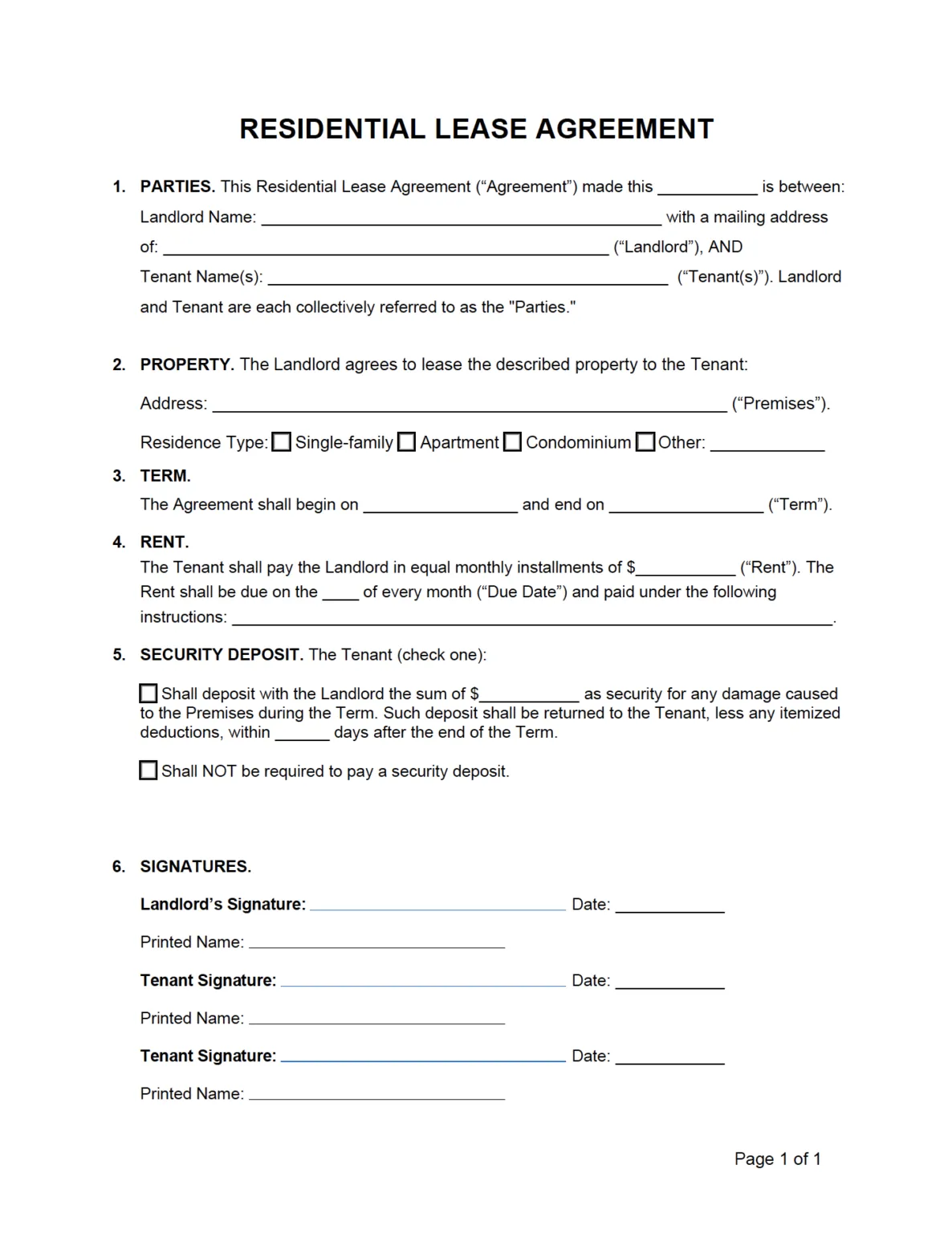
What is a House Lease Agreement?
A house lease agreement is a legal document that acts as a binding contract between a landlord and a tenant. It outlines the terms and conditions of renting a specific property, setting expectations for both parties and providing a framework for the rental relationship.
This document typically includes details such as rent amount, duration of the lease, maintenance responsibilities, rules and regulations, and consequences for violations.
Why is a House Lease Agreement Important?
A house lease agreement is important for several reasons, as it serves as a crucial tool for establishing a secure and mutually beneficial rental relationship between landlords and tenants. Let’s delve deeper into the reasons why a house lease agreement is essential for both parties involved.
Protecting the Rights of Both Parties
One of the primary reasons why a house lease agreement is important is that it protects the rights of both the landlord and tenant. The agreement clearly outlines the rights and responsibilities of each party, ensuring that both parties are aware of their legal obligations and entitlements throughout the tenancy. This protection helps to prevent misunderstandings and disputes, providing a sense of security for both parties.
Setting a Legal Framework
By creating a house lease agreement, landlords and tenants are establishing a legal framework for their rental relationship. This framework includes details such as rent amount, duration of the lease, security deposit, maintenance responsibilities, and rules and regulations for the property. Having this legal documentation in place helps to ensure that both parties are operating within the bounds of the law and provides a reference point for resolving any conflicts that may arise.
Preventing Disputes and Misunderstandings
Another key reason why a house lease agreement is important is that it helps to prevent disputes and misunderstandings between landlords and tenants. By clearly outlining the terms and conditions of the lease, including rent payment schedules, maintenance responsibilities, and rules for the property, the agreement reduces the likelihood of disagreements and ensures that both parties are on the same page throughout the tenancy.
Providing Security and Stability
Having a house lease agreement in place provides a sense of security and stability for both landlords and tenants. The agreement sets out the expectations for the tenancy, including rent amounts, duration of the lease, and maintenance responsibilities, giving both parties a clear understanding of what to expect during the rental period. This security can help to build trust between landlords and tenants and contribute to a positive and stable rental experience.
Key Elements of a House Lease Agreement
Names of Parties
The names of both the landlord and tenant should be clearly stated in the house lease agreement. This ensures that both parties are correctly identified and legally bound by the terms of the agreement. Including the full names of the parties helps to avoid any confusion or misunderstandings regarding the identities of the individuals involved in the rental relationship.
Property Details
The house lease agreement should include detailed information about the rental property, including the address, description, and any specific features or amenities. Providing a thorough description of the property helps to ensure that both parties understand the location and condition of the rental unit, reducing the likelihood of disputes related to the property’s characteristics.
Term of Lease
The duration of the lease, including the start and end dates, should be clearly outlined in the agreement. Specifying the length of the lease helps to establish the timeframe for the rental relationship and indicates when the tenant is expected to vacate the property if they choose not to renew the lease. This clarity is essential for both parties to plan accordingly and avoid misunderstandings about the rental period.
Rent Amount
The monthly rent amount, due date, and acceptable payment methods should be clearly stated in the house lease agreement. Clearly outlining the rent details helps to prevent disputes related to payment amounts, due dates, or preferred payment methods. Both parties should be aware of the financial obligations associated with the lease to ensure timely and accurate rent payments throughout the tenancy.
Security Deposit
The amount of the security deposit and the conditions for its return should be included in the house lease agreement. Specifying the security deposit amount and outlining the circumstances under which it will be refunded or withheld helps to protect both the landlord’s and tenant’s interests. This section of the agreement establishes the expectations for handling the security deposit at the end of the tenancy.
Maintenance Responsibilities
The responsibilities of both the landlord and tenant for property maintenance and repairs should be clearly defined in the house lease agreement. Setting out the maintenance obligations helps to ensure that both parties understand their roles in keeping the property in good condition throughout the tenancy. By outlining maintenance responsibilities, the agreement reduces the likelihood of disputes related to property upkeep.
Rules and Regulations
Any specific rules or regulations for the rental property should be included in the house lease agreement. This may include guidelines related to pets, noise levels, smoking, or other restrictions that both the landlord and tenant must adhere to during the tenancy. Clearly outlining the rules and regulations helps to establish expectations for behavior and conduct on the property, promoting a harmonious living environment for all parties involved.
Penalties and Consequences
The consequences for violating the terms of the lease, such as late rent payments, property damage, or breaches of the rules, should be outlined in the house lease agreement. Clearly defining the penalties and consequences helps to establish accountability for both parties and ensures that there are repercussions for failing to comply with the terms of the agreement. This section of the agreement helps to deter violations and maintain a sense of order and compliance throughout the tenancy.
How to Create a House Lease Agreement
Gather Information
When creating a house lease agreement, it is important to gather all relevant information before drafting the document. This includes details such as the names of the parties, property description, rent amount, security deposit, maintenance responsibilities, rules and regulations, and any other pertinent information related to the tenancy. Collecting all necessary information ensures that the agreement is comprehensive and covers all essential aspects of the rental relationship.
Define Terms
After gathering the necessary information, it is essential to define the terms of the lease in the house lease agreement. This includes specifying details such as the duration of the lease, rent amount, payment schedule, maintenance responsibilities, rules and regulations, and consequences for violations. Clearly defining these terms helps to ensure that both parties understand their obligations and rights under the agreement and reduces the likelihood of misunderstandings during the tenancy.
Include Legal Language
When drafting a house lease agreement, it is important to include appropriate legal language to ensure that the document is legally binding and enforceable. This may involve consulting with a legal professional to review the terms of the agreement and ensure that they comply with relevant landlord-tenant laws and regulations. Including legal language in the agreement helps to protect both parties and provides a solid legal foundation for the rental relationship.
Review and Sign
Once the house lease agreement has been drafted, it should be carefully reviewed by both parties to ensure that all details are accurate and understood. Any questions or concerns should be addressed before signing the document. After both parties have reviewed the agreement and are satisfied with its terms, they should sign the document to signify their agreement to the terms and conditions outlined in the lease. Signing the agreement confirms that both parties are aware of their obligations and are committed to upholding the terms of the lease throughout the tenancy.
Keep a Copy
After the house lease agreement has been signed, it is important to provide both parties with a copy of the document for their records. Keeping a copy of the signed agreement helps to ensure that both parties have access to the terms and conditions of the lease at all times. Landlords should retain a copy of the agreement in a secure place for reference in case any disputes or issues arise during the tenancy. Providing both parties with a copy of the agreement helps to maintain transparency and accountability throughout the rental relationship.
Tips for a Successful House Lease Agreement
Communicate Clearly
Effective communication is key to creating a successful house lease agreement. Both landlords and tenants should ensure that all terms and conditions are clearly communicated and understood by both parties. Open and transparent communication can help to prevent misunderstandings and promote a positive and cooperative rental experience for all involved.
Be Transparent
Transparency is essential when creating a house lease agreement. Both parties should provide full disclosure of all details, including rent amounts, rules, maintenance responsibilities, and any other relevant information. Being transparent from the outset helps to build trust and establish a foundation of honesty and openness in the rental relationship.
Seek Legal Advice
Consider seeking legal advice when creating a house lease agreement. Consulting with a legal professional can help ensure that the agreement is legally sound and compliant with relevant landlord-tenant laws and regulations. A legal expert can provide guidance on drafting the agreement and offer valuable insights into protecting the rights and interests of both parties involved in the rental relationship.
Regularly Review
It is important to periodically review the house lease agreement with both parties to ensure that all terms are being upheld. Regularly reviewing the agreement can help to address any issues or discrepancies before they escalate into larger problems. By staying proactive and vigilant in monitoring the terms of the agreement, landlords and tenants can maintain a harmonious and compliant rental relationship.
Address Issues Promptly
If any issues or disagreements arise during the tenancy, it is important to address them promptly and in accordance with the terms of the house lease agreement. Resolving conflicts in a timely and professional manner can help to prevent the escalation of disputes and maintain a positive rental experience for both parties. By following the procedures outlined in the agreement, landlords and tenants can work together to find solutions and uphold the terms of their lease.
Document Everything
Throughout the tenancy, it is important to document all interactions, communications, and agreements between landlords and tenants. Keeping a record of important conversations, notices, and repairs can help to protect the interests of both parties in case of any disputes or legal proceedings. Maintaining thorough documentation helps to uphold the integrity of the house lease agreement and provides a clear record of the rental relationship.
Stay Flexible
While it is important to adhere to the terms of the house lease agreement, it is also beneficial to stay flexible and accommodating when necessary. Circumstances may change during the tenancy, and flexibility on both sides can help to find mutually agreeable solutions to any challenges that may arise. Being open to communication and negotiation can foster a positive and cooperative rental experience for landlords and tenants alike.
Seek Mediation if Needed
In the event of a significant dispute or disagreement that cannot be resolved directly between the landlord and tenant, it may be beneficial to seek mediation from a neutral third party. Mediation can help to facilitate communication, find common ground, and reach a resolution that is acceptable to both parties. Professional mediation services can provide a structured and impartial process for resolving conflicts and preserving the rental relationship.
Review and Revise as Needed
Periodically review and revise the house lease agreement as needed to ensure that it remains relevant and effective for both parties. Over time, circumstances may change, and updating the agreement can help to address new issues or concerns that arise during the tenancy. By regularly reviewing and revising the agreement, landlords and tenants can adapt to evolving needs and maintain a positive and constructive rental relationship.
House Lease Agreement Template
A house lease agreement helps clearly define the terms and conditions of renting a residential property between a landlord and a tenant. It outlines essential details such as rent amount, lease duration, security deposit, maintenance responsibilities, and rules of occupancy, ensuring both parties understand their rights and obligations. With a well-structured template, you can reduce disputes, protect your interests, and create a legally sound agreement that supports a smooth rental relationship.
Download our House Lease Agreement Template today to create a clear, professional lease that protects both landlord and tenant.
House Lease Agreement Template – DOWNLOAD
