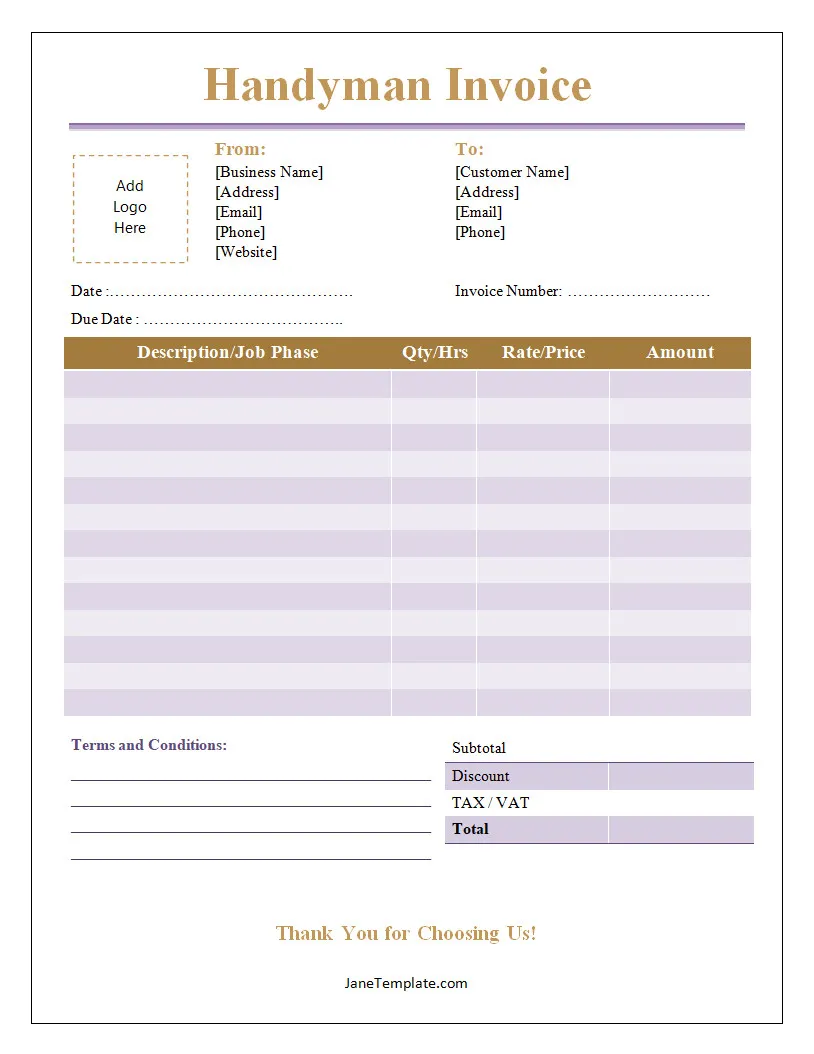
Are you a handyman looking to streamline your billing process and ensure you get paid promptly for your services? Look no further than a printable handyman invoice. This essential document serves as a legal record of the transaction between you and your customer and is crucial for accounting and tax purposes.
In this comprehensive guide, we will explore what a handyman invoice is, why professional invoices are integral to your success, the key elements of a handyman invoice, how to make an invoice for handyman services, and easy steps to start a profitable handyman business.
What is a Handyman Invoice?
A handyman invoice is a detailed document that itemizes the services provided by a handyman, along with the associated costs. It serves as a formal record of the transaction between the handyman and the customer, providing clarity and transparency regarding the work performed and the charges incurred.
The invoice typically includes information such as the handyman’s contact details, customer information, a breakdown of services, materials used, labor charges, additional services, total amount due, and payment terms.
Why Professional Invoices Are Integral to Your Success?
Financial Management
Professional invoices are essential for effective financial management in a handyman business. By accurately documenting the services provided and the associated costs, handymen can track their income, expenses, and profits more efficiently. This detailed financial information can help handymen make informed decisions about pricing, budgeting, and overall business strategy.
Credibility and Trust
Issuing professional invoices helps handymen build credibility and trust with their customers. A well-designed invoice reflects professionalism and attention to detail, instilling confidence in the quality of the services provided. Customers are more likely to trust handymen who present clear, transparent, and accurate invoices, leading to repeat business and positive referrals.
Legal Compliance
Professional invoices play a crucial role in ensuring legal compliance for handymen. By documenting the details of each transaction, including services provided, materials used, labor charges, and payment terms, handymen can demonstrate transparency and accountability in their business operations. In the event of an audit or legal dispute, having well-maintained invoices can protect handymen from potential liabilities.
Business Growth
Issuing professional invoices is not just about getting paid for services rendered; it is also a strategic tool for business growth. Clear and detailed invoices help handymen analyze their revenue streams, identify profitable services, and track customer preferences. By leveraging the data captured in invoices, handymen can make informed decisions about expanding their service offerings, targeting new markets, and optimizing their pricing strategies.
Key Elements of a Handyman Invoice
Business Information
The business information section of a handyman invoice includes details about the handyman’s business, such as the business name, address, phone number, and email address. This information helps identify the sender of the invoice and provides customers with the necessary contact information for any inquiries or clarifications.
Customer Details
The customer details section of a handyman invoice includes information about the customer receiving the services, such as their name, address, phone number, and email address. Including customer details on the invoice ensures that the document is accurately addressed and helps track payments back to specific customers.
Invoice Number and Date
Every handyman invoice should have a unique invoice number and date. The invoice number helps both the handyman and the customer track the transaction, while the date indicates when the services were provided and when payment is due. Having a clear invoice number and date also aids in organizing and filing invoices for future reference.
Description of Services Provided
The description of services provided section outlines the specific tasks or projects completed by the handyman for the customer. This section should be detailed and include information such as the type of repair or maintenance work done, the hours worked, and any additional services provided. Providing a thorough description of services helps avoid confusion or disputes over the work performed.
Itemized List of Materials Used
In some cases, handymen may need to include an itemized list of materials used in the repair or maintenance work on the invoice. This list should detail the materials, quantities, and costs associated with each item. Including an itemized list of materials helps customers understand the breakdown of costs and ensures transparency in billing.
Labor Charges
Labor charges are a significant component of a handyman invoice and should be clearly outlined for the customer. Handymen can calculate labor charges based on hourly rates or flat fees, depending on the nature of the services provided. Including labor charges on the invoice helps customers understand the value of the handyman’s time and expertise.
Additional Services
Handymen may offer additional services beyond the standard repair or maintenance work, such as emergency call-outs or after-hours services. These additional services should be clearly listed on the invoice, along with any associated charges. Including details about additional services helps avoid misunderstandings and ensures that customers are aware of any extra costs incurred.
Total Amount Due and Payment Terms
The total amount due section of a handyman invoice summarizes all costs, including labor charges, materials used, and any additional services provided. This total amount should be clearly stated on the invoice, along with the payment terms and due date. Handymen can specify payment methods accepted, such as cash, check, or online payment, to facilitate prompt payment from customers.
How To Make An Invoice For Handyman Services
Choosing an Invoice Template
When creating an invoice for handyman services, handymen can choose from a variety of invoice templates available online or through invoicing software. Selecting a template that aligns with the business branding and includes all necessary fields can streamline the invoicing process and ensure consistency in billing practices.
Inputting Business Information
Handymen should input their business information at the top of the invoice, including the business name, logo, address, phone number, and email address. This information helps identify the sender of the invoice and reinforces the professional image of the business. Handymen can customize the layout and design of this section to reflect their branding.
Adding Customer Information
In the customer information section of the invoice, handymen should include details about the customer receiving the services, such as their name, address, phone number, and email address. Including accurate customer information ensures that the invoice is properly addressed and helps facilitate communication between the handyman and the customer.
Including an Invoice Number and Date
Each handyman invoice should have a unique invoice number and date to track transactions and payments. Handymen can assign a numbering system that works for their business, such as sequential numbers or alphanumeric codes. Including the date of the invoice helps establish the timeline of services provided and sets expectations for payment due dates.
Describing Services Provided
Handymen should provide a detailed description of the services provided in the invoice. This description should include specifics about the tasks completed, the duration of work, and any materials used. By clearly outlining the services rendered, handymen can avoid misunderstandings and ensure that customers know exactly what they are paying for.
Itemizing Costs
Breaking down costs on the invoice helps customers understand the pricing structure and components of the total amount due. Handymen can itemize costs by listing labor charges, materials used, and any additional services provided separately. Itemizing costs promotes transparency in billing and builds trust with customers.
Specifying Additional Charges
If handymen offer additional services beyond the standard repair or maintenance work, they should specify these services on the invoice along with any associated charges. Including details about additional charges, such as emergency call-outs or after-hours work, helps customers understand the full scope of services provided and any extra costs incurred.
Calculating Total Amount Due
The total amount due section of the invoice should clearly outline the sum of all charges, including labor fees, material costs, and any additional services. Handymen can calculate the total amount due accurately to avoid billing errors and ensure that customers are aware of the final cost. Including payment terms, such as the due date and accepted payment methods, helps set expectations for timely payment and facilitates a smooth billing process.
Reviewing and Editing
Before finalizing the handyman invoice, it is essential to review and edit the document for accuracy and completeness. Handymen should double-check all details, including business information, customer details, service descriptions, costs, and payment terms, to ensure that the invoice is error-free. Editing the invoice for clarity and consistency enhances professionalism and reduces the likelihood of misunderstandings.
Sending the Invoice
Once the handyman invoice is complete and reviewed, it can be sent to the customer for payment. Handymen can choose to send invoices via email, mail, or in person, depending on the preferred communication method of the customer. Including a personalized message or thank-you note with the invoice can further strengthen the relationship with the customer and encourage prompt payment.
Following Up on Payments
After sending the invoice, handymen should follow up with the customer to ensure timely payment. Sending reminders or payment notifications as the due date approaches can help expedite the payment process and minimize delays. Maintaining open communication with customers regarding outstanding invoices fosters positive relationships and demonstrates professionalism in handling financial transactions.
Recording Payments
Once payment is received from the customer, handymen should record the transaction in their financial records. Keeping accurate records of payments received, outstanding invoices, and overall revenue helps handymen track their financial performance and make informed decisions about their business. Recording payments also aids in tax preparation and compliance.
Utilizing Accounting Software
Handymen can streamline their invoicing and financial management processes by using accounting software or online invoicing platforms. These tools offer features such as customizable invoice templates, automated payment reminders, payment tracking, and financial reporting. By leveraging accounting software, handymen can save time, reduce manual errors, and improve overall efficiency in managing their finances.
Easy Steps To Start A Profitable Handyman Business
Obtaining Licenses and Permits
To start a profitable handyman business, handymen must obtain the necessary licenses and permits to operate legally in their area. This may include general business licenses, trade-specific licenses, and permits for services such as plumbing, electrical work, or carpentry. Ensuring compliance with local regulations and licensing requirements is essential for establishing a reputable and trustworthy business.
Investing in Quality Tools
Investing in quality tools and equipment is essential for providing reliable and efficient handyman services. Handymen should purchase durable tools that are appropriate for the services they offer, such as power tools, hand tools, measuring instruments, safety gear, and vehicle equipment. High-quality tools not only enhance the quality of work but also contribute to customer satisfaction and repeat business.
Marketing Your Services
Effectively marketing handyman services is key to attracting customers and growing a profitable business. Handymen can promote their services through various channels, such as social media, online directories, local advertising, word-of-mouth referrals, and networking events. Creating a professional website, showcasing before-and-after photos of completed projects, and collecting customer testimonials can help build credibility and attract new clients.
Providing Exceptional Customer Service
Delivering exceptional customer service is paramount to the success of a handyman business. Handymen should prioritize communication, reliability, and professionalism in their interactions with customers. Responding promptly to inquiries, arriving on time for scheduled appointments, and addressing customer concerns with care and efficiency can set handymen apart from the competition and build long-term customer relationships.
Keeping Detailed Records
Maintaining accurate records of income, expenses, and receipts is crucial for managing the finances of a handyman business. Handymen should keep organized records of all transactions, invoices, receipts, and bank statements to track cash flow, monitor profitability, and prepare for tax obligations. Using accounting software or hiring a professional accountant can help handymen stay on top of their financial records.
Networking with Professionals
Networking with other professionals in the construction and home improvement industry can open up new opportunities for a handyman business. Building relationships with contractors, real estate agents, property managers, and suppliers can lead to referrals, collaborations, and subcontracting opportunities. Attending industry events, joining trade associations, and participating in community projects are effective ways to expand the network and grow the business.
Continuous Improvement
Staying informed about the latest trends, techniques, and technologies in the handyman industry is essential for continuous improvement and business growth. Handymen should invest in ongoing training, certifications, and professional development to enhance their skills and stay competitive in the market. Keeping up-to-date with industry best practices, safety regulations, and emerging tools and materials can position handymen as trusted experts in their field.
Handyman Invoice Template
A Handyman Invoice helps handymen and small service businesses bill clients clearly and professionally for completed work. It includes sections for service descriptions, labor, materials, dates, totals, and payment terms, ensuring accurate and transparent billing. With a well-structured template, you can save time, reduce payment delays, and maintain organized financial records.
Download our Handyman Invoice Template today to streamline your invoicing process and get paid efficiently.
Handyman Invoice Template – DOWNLOAD
