In today’s competitive business environment, organizations are constantly striving to improve their performance and achieve their goals. One essential tool that can help businesses identify areas for improvement is gap analysis.
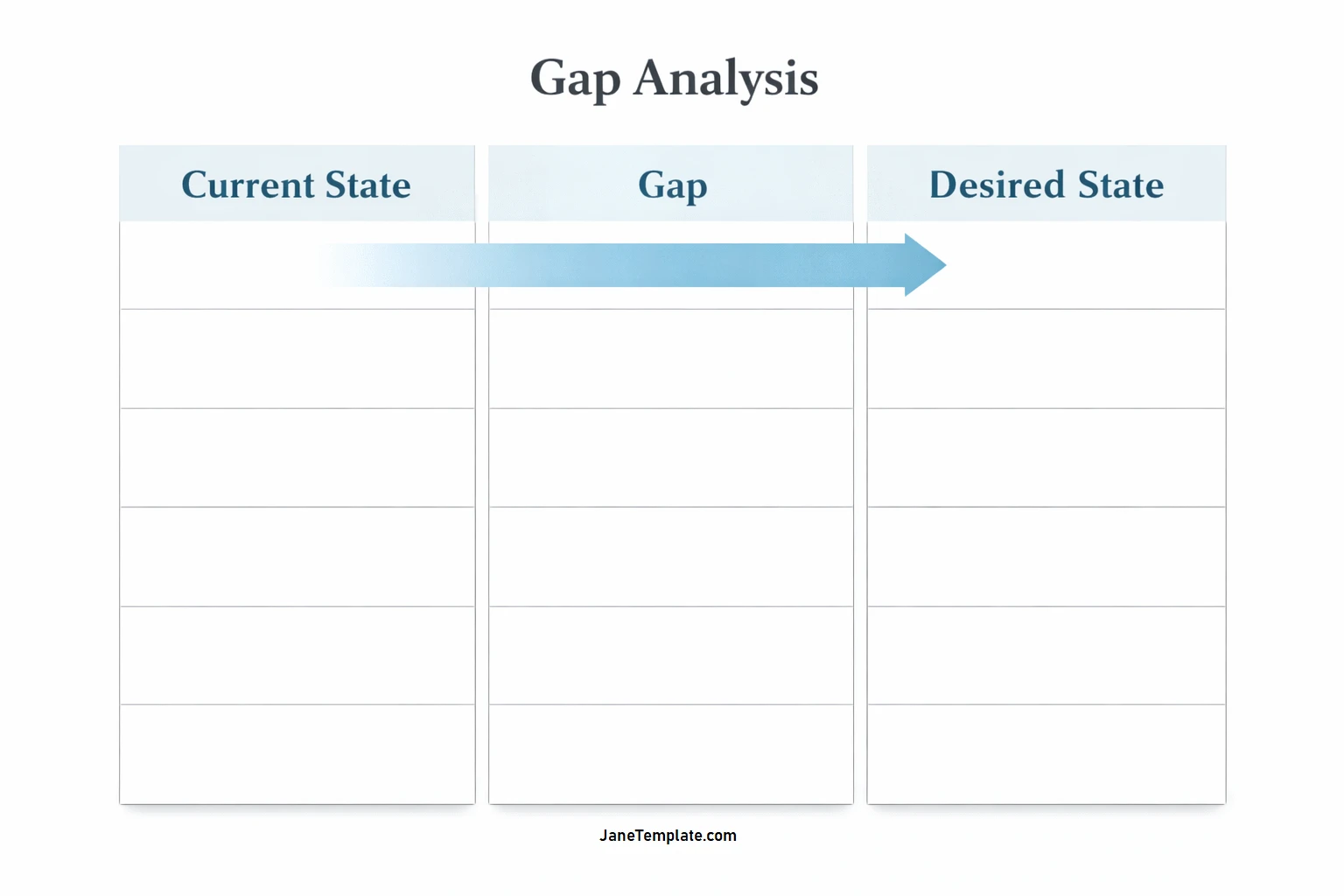
This process involves comparing the current state of the organization with its desired future state to pinpoint the gaps that need to be addressed. By conducting a gap analysis, businesses can prioritize resources, develop action plans, and ultimately bridge the gaps between where they are and where they want to be.
What is Gap Analysis?
Gap analysis is a strategic tool used by businesses to assess the discrepancies between their current performance and their desired goals. It involves comparing the present state of the organization in terms of processes, performance, and resources with the ideal state that the organization aims to achieve. By identifying these gaps, businesses can better understand what needs to be improved or changed to reach their objectives.
Gap analysis is a systematic process that typically involves the following steps:
1. Defining the current state of the organization
2. Establishing the desired future state
3. Identifying the gaps between the two
4. Developing an action plan to bridge the gaps
5. Implementing the necessary changes
6. Monitoring and evaluating progress
Benefits of Gap Analysis for Businesses
Gap analysis offers several key benefits for businesses looking to improve their performance and achieve their goals. Some of the main advantages include:
- Improved Decision-Making: By identifying gaps in performance, businesses can make more informed decisions about resource allocation and strategic planning.
- Enhanced Efficiency: Addressing areas of improvement identified through gap analysis can lead to increased efficiency and productivity within the organization.
- Strategic Planning: By understanding the gaps between the current state and the desired future state, businesses can develop more effective strategic plans to reach their goals.
- Resource Optimization: Gap analysis helps businesses allocate resources more effectively by focusing on areas that have the greatest impact on performance.
- Improved Performance: By addressing weaknesses and inefficiencies, businesses can enhance their overall performance and competitiveness in the market.
- Risk Mitigation: Identifying gaps early on allows businesses to mitigate risks and proactively address potential challenges.
- Enhanced Customer Satisfaction: By improving processes and performance, businesses can deliver better products and services, leading to increased customer satisfaction.
Types of Gap Analysis
There are several different types of gap analysis that businesses can use, depending on their specific needs and goals. Some of the most common types include:
- Performance Gap Analysis: This type of analysis focuses on identifying discrepancies between current performance levels and desired outcomes.
- Market Gap Analysis: Market gap analysis involves comparing a business’s performance with that of its competitors to identify areas where it is falling behind.
- Product/Service Gap Analysis: This type of analysis examines the gaps between customer expectations and the actual products or services offered by the business.
- Financial Gap Analysis: Financial gap analysis assesses the differences between actual financial performance and financial goals set by the organization.
- Skills Gap Analysis: Skills gap analysis focuses on identifying discrepancies between the skills and competencies of employees and the requirements of their roles.
When to Use a Gap Analysis?
Gap analysis can be used in various scenarios within a business to identify areas for improvement and develop strategies to bridge the gaps. Some common situations where gap analysis can be beneficial include:
– When setting strategic goals and objectives for the organization
– When evaluating performance against key performance indicators (KPIs)
– When introducing new products or services to the market
– When undergoing organizational changes or restructuring
– When experiencing declining sales or profitability
– When aiming to improve customer satisfaction and loyalty
By conducting a gap analysis in these situations, businesses can gain valuable insights into their current performance and take proactive steps to address any shortcomings.
How to Perform Gap Analysis
Performing a gap analysis involves several key steps to ensure a thorough evaluation of the organization’s current state and desired future state. Some essential steps in conducting a gap analysis include:
1. Define the objectives and goals of the analysis
2. Gather relevant data and information on the current state of the organization
3. Establish criteria for measuring performance and success
4. Identify the gaps between current performance and desired outcomes
5. Develop action plans to address the gaps and improve performance
6. Implement changes and monitor progress
7. Evaluate the effectiveness of the action plans and make adjustments as needed
By following these steps, businesses can effectively identify areas for improvement and develop strategies to bridge the gaps between their current state and desired future state.
Gap Analysis Reports
One key aspect of conducting a gap analysis is creating a comprehensive report that outlines the findings, recommendations, and action plans for bridging the identified gaps. A gap analysis report typically includes the following components:
– Executive Summary: A brief overview of the analysis, key findings, and recommendations.
– Current State Assessment: A detailed description of the organization’s current performance and processes.
– Desired Future State: Clear objectives and goals that the organization aims to achieve.
– Gap Identification: Analysis of the gaps between the current state and the desired future state.
– Action Plans: Specific strategies and initiatives to bridge the identified gaps.
– Implementation Timeline: A schedule for implementing the action plans and monitoring progress.
– Monitoring and Evaluation: Methods for tracking performance and evaluating the effectiveness of the action plans.
By compiling a comprehensive gap analysis report, businesses can communicate the findings and recommendations effectively to key stakeholders and ensure that the necessary steps are taken to improve performance.
Tips for Writing Your Gap Analysis
When preparing a gap analysis for your business, it’s essential to keep the following tips in mind to ensure a thorough and effective assessment:
– Clearly define the objectives and goals of the analysis.
– Use relevant data and metrics to measure performance accurately.
– Involve key stakeholders in the analysis process to gain different perspectives.
– Develop actionable and measurable goals to bridge the identified gaps.
– Monitor progress regularly and make adjustments as needed to stay on track.
– Communicate findings and recommendations clearly to all relevant parties.
– Use visual aids such as charts and graphs to present data effectively.
– Continuously evaluate the effectiveness of the action plans and make improvements as necessary.
– Celebrate achievements and milestones along the way to boost morale and motivation.
By following these tips, businesses can conduct a successful gap analysis and leverage the insights gained to drive continuous improvement and growth.
In conclusion, gap analysis is a valuable tool for businesses looking to identify areas for improvement, prioritize resources, and develop strategies to bridge the gaps between their current state and desired future state. By conducting a thorough analysis and taking proactive steps to address shortcomings, organizations can enhance their performance, competitiveness, and overall success in the market.
Gap Analysis Template – Download
