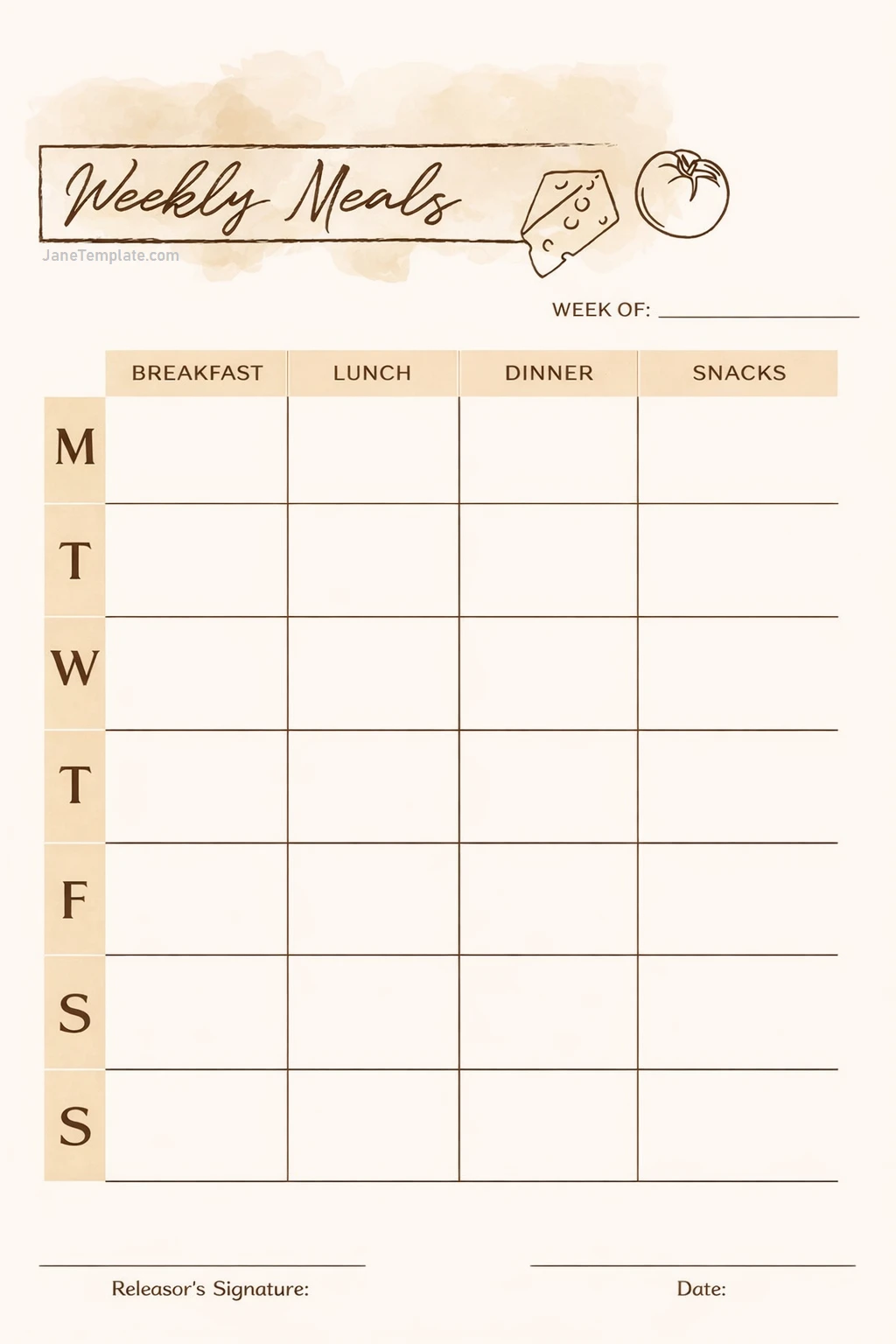
Creating a food schedule is not just about what you eat, but also when you eat. A consistent eating routine can have a significant impact on your physical health, mental well-being, and overall lifestyle balance. By aligning your eating patterns with your body’s natural circadian rhythms, you can experience numerous health benefits and practical life management advantages.
Let’s explore why having a food schedule is crucial and how you can establish one that works for you.
What is a Food Schedule?
A food schedule is a planned routine that dictates when and what you eat throughout the day. It involves setting specific times for meals and snacks, as well as choosing nutritious foods that support your health and energy levels.
By following a food schedule, you can ensure that you are meeting your body’s nutritional needs and maintaining a consistent eating pattern.
Why You Should Establish a Food Schedule
There are several reasons why establishing a food schedule is beneficial for your overall well-being:
- Improved digestion: Eating at consistent times each day can help regulate your digestive system and prevent issues like indigestion and bloating.
- Stable energy levels: Having regular meals and snacks can keep your blood sugar levels stable, preventing energy crashes and mood swings.
- Weight management: A food schedule can help you control portion sizes and prevent mindless snacking, which can contribute to weight gain.
- Better sleep: Eating at consistent times can help regulate your body’s internal clock, promoting better sleep quality and overall sleep patterns.
What to Include in Your Food Schedule
When creating a food schedule, it’s essential to include a variety of nutrient-dense foods that provide your body with the necessary vitamins, minerals, and macronutrients. Here are some key components to consider including in your food schedule:
- Regular meals: Plan to have three main meals each day – breakfast, lunch, and dinner – and include a balance of protein, carbohydrates, and healthy fats in each meal.
- Healthy snacks: Incorporate nutrient-rich snacks like fruits, nuts, yogurt, or veggies to keep your energy levels up between meals.
- Hydration: Don’t forget to include plenty of water throughout the day to stay hydrated and support your body’s functions.
How to Establish a Food Schedule
Establishing a food schedule that works for you involves some planning and experimentation. Here are some tips to help you get started:
- Set consistent meal times: Choose specific times for breakfast, lunch, and dinner, and try to stick to them as closely as possible each day.
- Listen to your hunger cues: Pay attention to your body’s signals and eat when you are hungry, rather than out of habit or boredom.
- Plan ahead: Take some time each week to plan your meals and snacks, making sure to include a variety of healthy options.
Tips for Successful Food Scheduling
Here are some additional tips to help you successfully establish and maintain a food schedule:
- Avoid skipping meals: Skipping meals can disrupt your body’s natural rhythms and lead to overeating later in the day.
- Be flexible: While consistency is key, it’s essential to be flexible and adjust your schedule as needed based on your daily activities and hunger levels.
- Seek support: Share your food schedule with friends or family members to help hold yourself accountable and stay on track.
In Conclusion
Creating a consistent food schedule is a simple yet effective way to support your physical health, mental well-being, and overall lifestyle balance. By aligning your eating patterns with your body’s natural rhythms, you can experience numerous health benefits and practical life management advantages.
Take the time to establish a food schedule that works for you and reap the rewards of a healthier, happier you.
Food Schedule Template – Download
