Event flyers are a vital component of any successful event marketing strategy. They serve as a tangible and cost-effective tool to communicate essential details about an event to a targeted audience, ultimately driving attendance and generating awareness.
By strategically designing and distributing event flyers, organizers can effectively promote their event, increase engagement, and create a lasting impression on potential attendees.
What are Event Flyers?
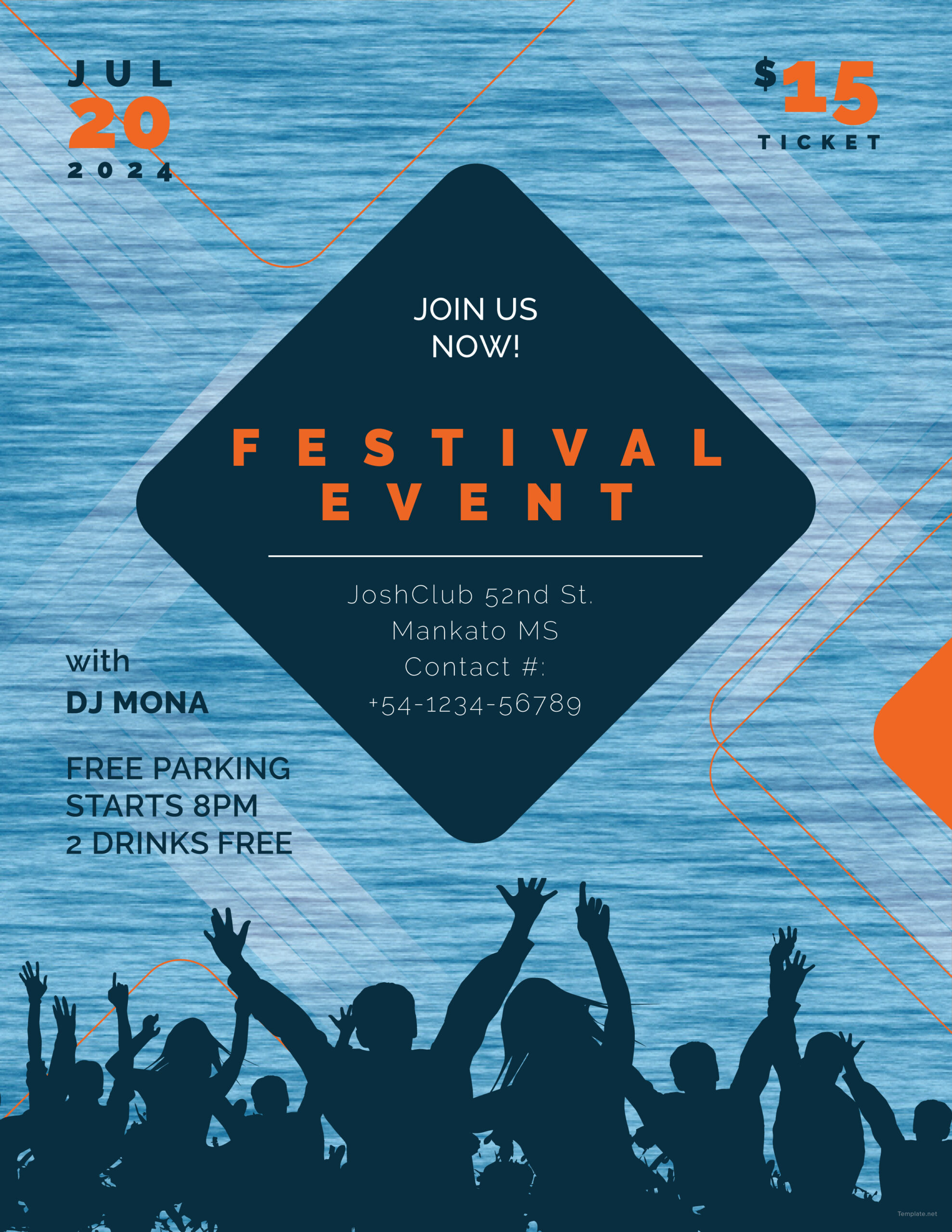
Event flyers are physical or digital marketing materials specifically designed to promote an upcoming event. These flyers typically include key information such as the event date, time, location, purpose, and any additional details that may be relevant to potential attendees.
Event flyers are versatile and can be distributed in various ways, including direct mail, handouts, email campaigns, and social media posts.
Why Use Event Flyers?
Event flyers remain a popular marketing tool for promoting events due to their numerous benefits and advantages. Some of the key reasons why event organizers should consider using flyers to promote their events include:
Cost-Effectiveness
Event flyers are a cost-effective marketing solution compared to other advertising methods. Printing flyers is relatively inexpensive, especially when produced in bulk, making them an affordable option for event promotion. By utilizing event flyers, organizers can reach a large audience without exceeding their marketing budget, making it an attractive option for events of all sizes.
Tangibility and Memorability
Unlike digital marketing channels, event flyers offer a tangible and physical representation of the event. By distributing flyers to potential attendees, organizers provide a lasting reminder of the event that can be kept, displayed, or shared with others. The physical nature of event flyers enhances memorability and encourages attendees to take action, increasing the likelihood of event participation.
Targeted Marketing
Event flyers allow organizers to target specific demographics, locations, or interest groups with tailored messaging and design. By customizing event flyers to resonate with the target audience, organizers can increase engagement, drive attendance, and generate awareness among individuals most likely to be interested in the event. Targeted marketing through event flyers can result in higher response rates and a more significant impact on event success.
Information Accessibility
Event flyers provide a convenient and accessible way for attendees to access essential event information. By clearly presenting details such as the event date, time, location, and purpose on the flyer, organizers ensure that potential attendees have all the necessary information at their fingertips. This accessibility enhances the attendee experience, reduces confusion, and increases the likelihood of event participation.
Enhanced Brand Visibility
Event flyers serve as a valuable branding tool that can help increase brand visibility and awareness. By incorporating the event brand identity, logo, colors, and messaging into the flyer design, organizers can reinforce brand recognition and create a cohesive marketing strategy. The consistent brand presence on event flyers helps establish a strong brand image and encourages attendees to associate the event with the brand, leading to increased brand awareness and loyalty.
Measurable Impact
Event flyers enable organizers to measure the impact and effectiveness of their marketing efforts. By tracking metrics such as flyer distribution, response rates, attendance numbers, and audience engagement, organizers can evaluate the success of their flyer campaign and make informed decisions for future events. The measurable impact of event flyers allows organizers to refine their marketing strategies, optimize targeting, and improve overall event outcomes.
What to Include in an Event Flyer
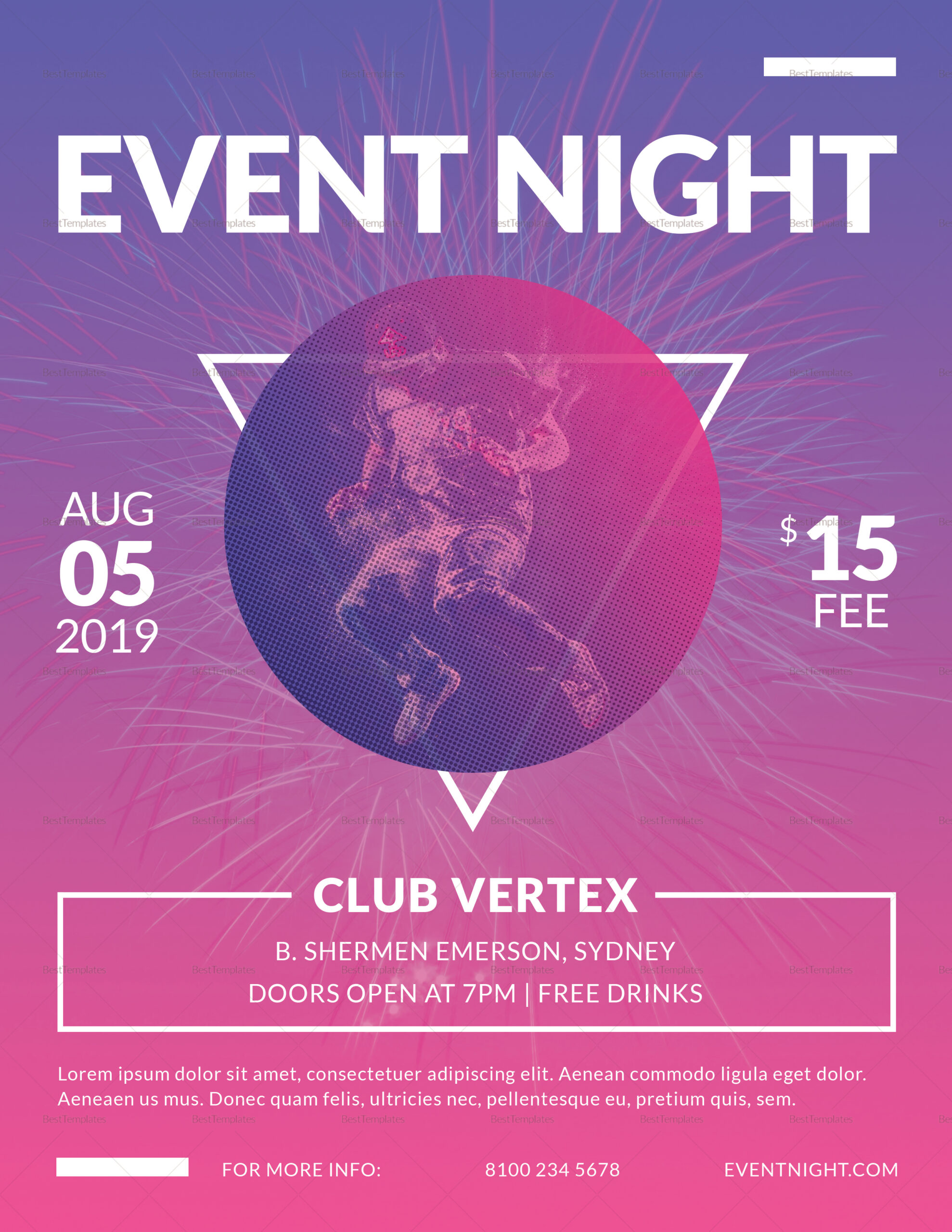
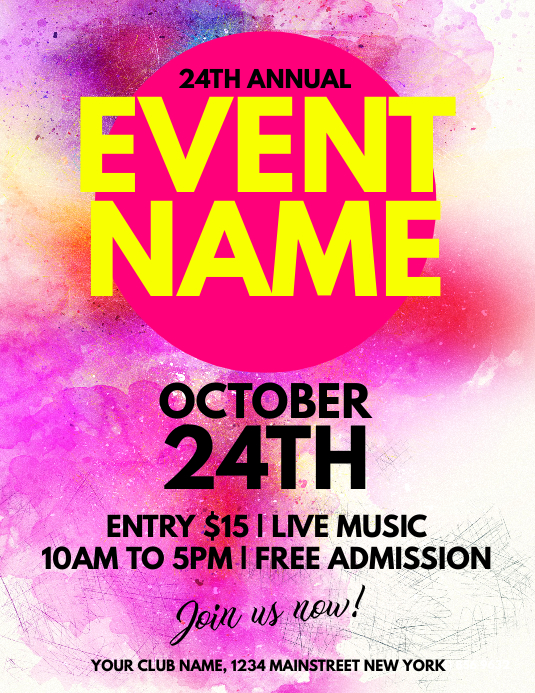
Creating a comprehensive and compelling event flyer requires careful consideration of the information to include. To ensure that the flyer effectively communicates the event details and entices potential attendees, organizers should include the following essential elements:
Date and Time
One of the most critical pieces of information to include on an event flyer is the date and time of the event. A clear and prominent display of the event date and time ensures that potential attendees can quickly identify when the event will take place and plan their schedules accordingly. Including specific details such as the day of the week, start and end times, and any relevant time zone information can help eliminate confusion and increase attendance rates.
Location and Venue Details
Providing detailed information about the event location and venue is essential for helping attendees navigate to the event. Including the full address, building name, room number, and any additional directions or landmarks can assist attendees in finding the venue easily. Organizers should also consider including information about parking options, public transportation access, and any special instructions for entering the venue to enhance the attendee experience.
Purpose and Event Description
Clearly articulating the purpose of the event and providing a brief description can help attendees understand the value and benefits of attending. Organizers should use concise language to communicate the event’s objectives, theme, activities, and any unique selling points that set the event apart from others. Including compelling language, testimonials, or quotes can also help create excitement and intrigue among potential attendees, increasing their interest in participating.
Contact Information and RSVP Details
Including contact information on the event flyer allows attendees to reach out with questions, inquiries, or RSVP responses. Organizers should provide a phone number, email address, website URL, or social media handles where attendees can connect with the event team for more information. Additionally, organizers may consider including a dedicated RSVP section or QR code that allows attendees to confirm their attendance electronically, streamlining the registration process and increasing event participation.
Visual Elements and Branding
Visual elements play a crucial role in capturing attention, conveying information, and reinforcing brand identity on event flyers. Organizers should incorporate high-quality images, graphics, logos, and colors that align with the event theme and branding. Eye-catching visuals can attract potential attendees, evoke emotions, and create a memorable impression that encourages engagement and participation. Consistent branding across all event materials helps establish a cohesive and professional image that enhances brand recognition and credibility.
Incentives and Special Offers
Consider including incentives or special offers on the event flyer to entice attendees and drive event participation. Promotions such as early bird discounts, exclusive deals, freebies, or VIP perks can create a sense of urgency and reward attendees for taking action. Including limited-time offers or coupon codes on the flyer can also encourage attendees to RSVP promptly and increase event attendance. Incentives help create value for attendees and differentiate the event from competitors, increasing its appeal and desirability.
How to Design an Effective Event Flyer
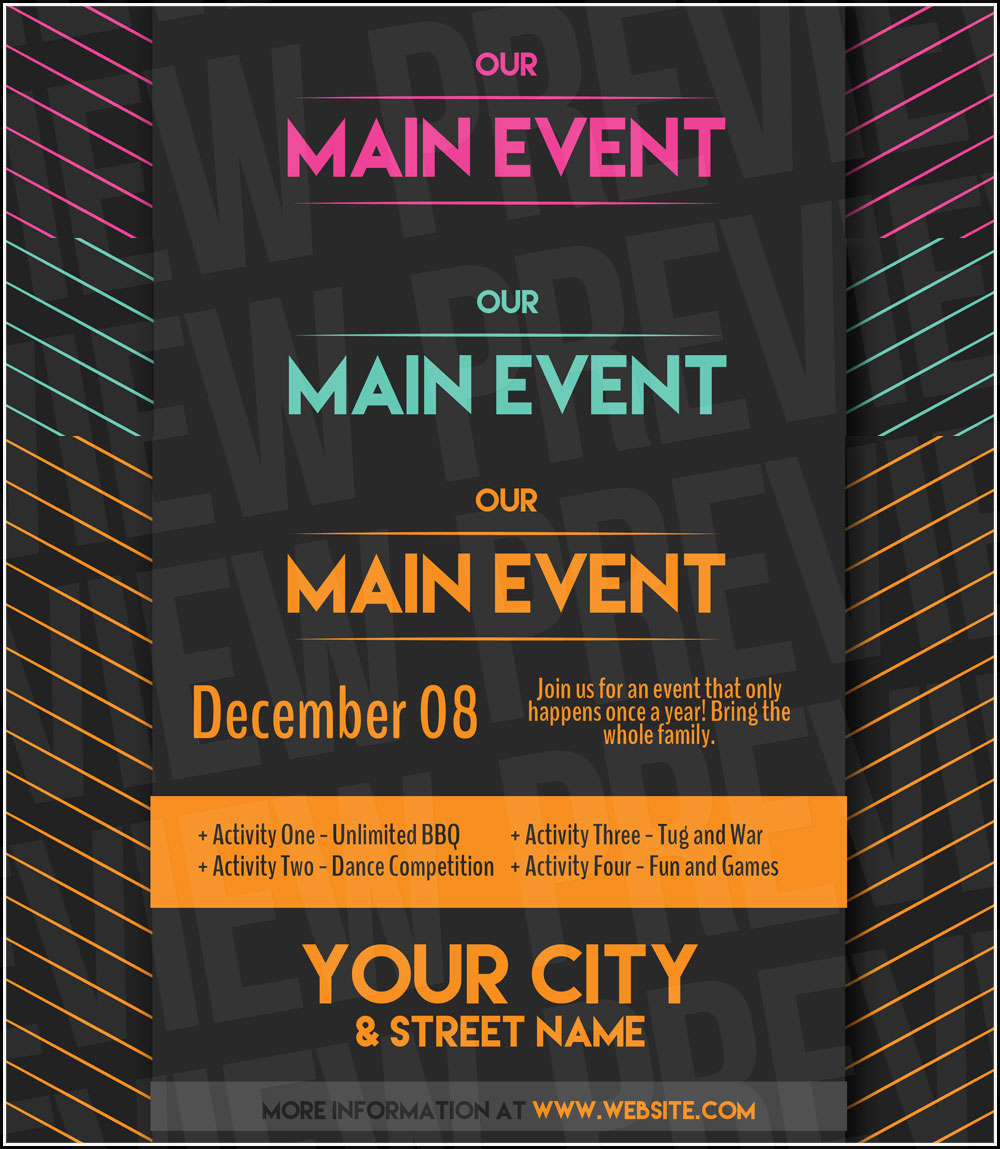
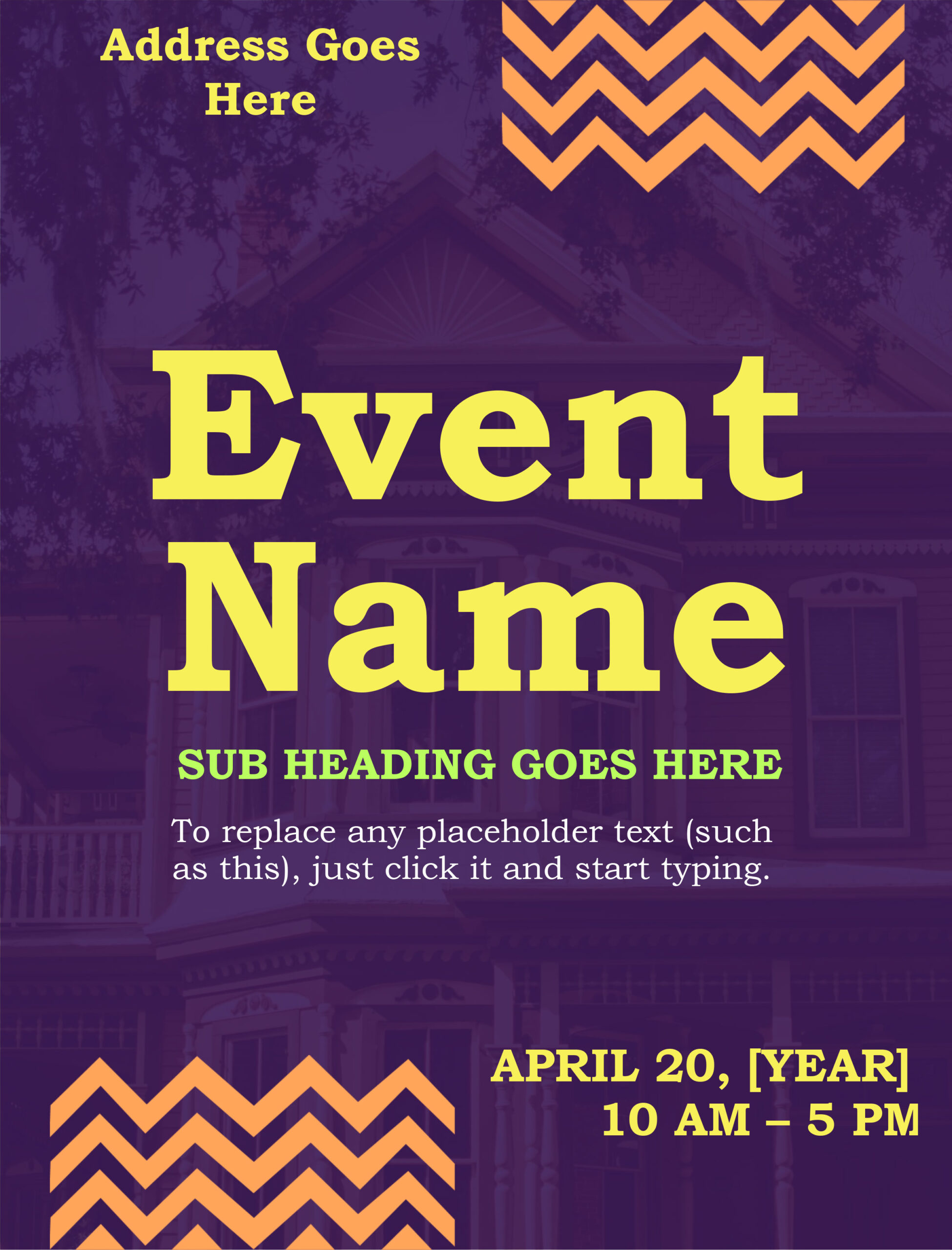
Designing an effective event flyer requires a strategic approach that combines visual appeal, clear messaging, and engaging content to capture attention and drive action. By following best practices and design principles, organizers can create a compelling flyer that resonates with the target audience and conveys the event’s value effectively.
Establish a Clear Hierarchy
When designing an event flyer, it is essential to establish a clear visual hierarchy that guides the viewer’s attention and highlights key information. Organizers should prioritize essential details such as the event date, time, and location by using larger fonts, bold colors, or prominent placement on the flyer. Supporting information, such as event descriptions, contact details, or incentives, should be organized in a logical sequence that allows for easy reading and comprehension.
Use Eye-Catching Visuals
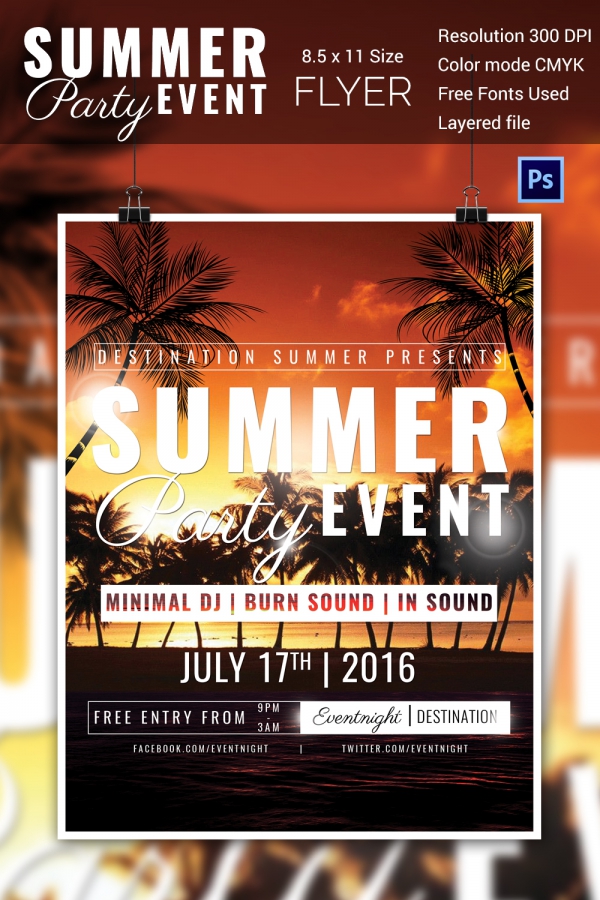
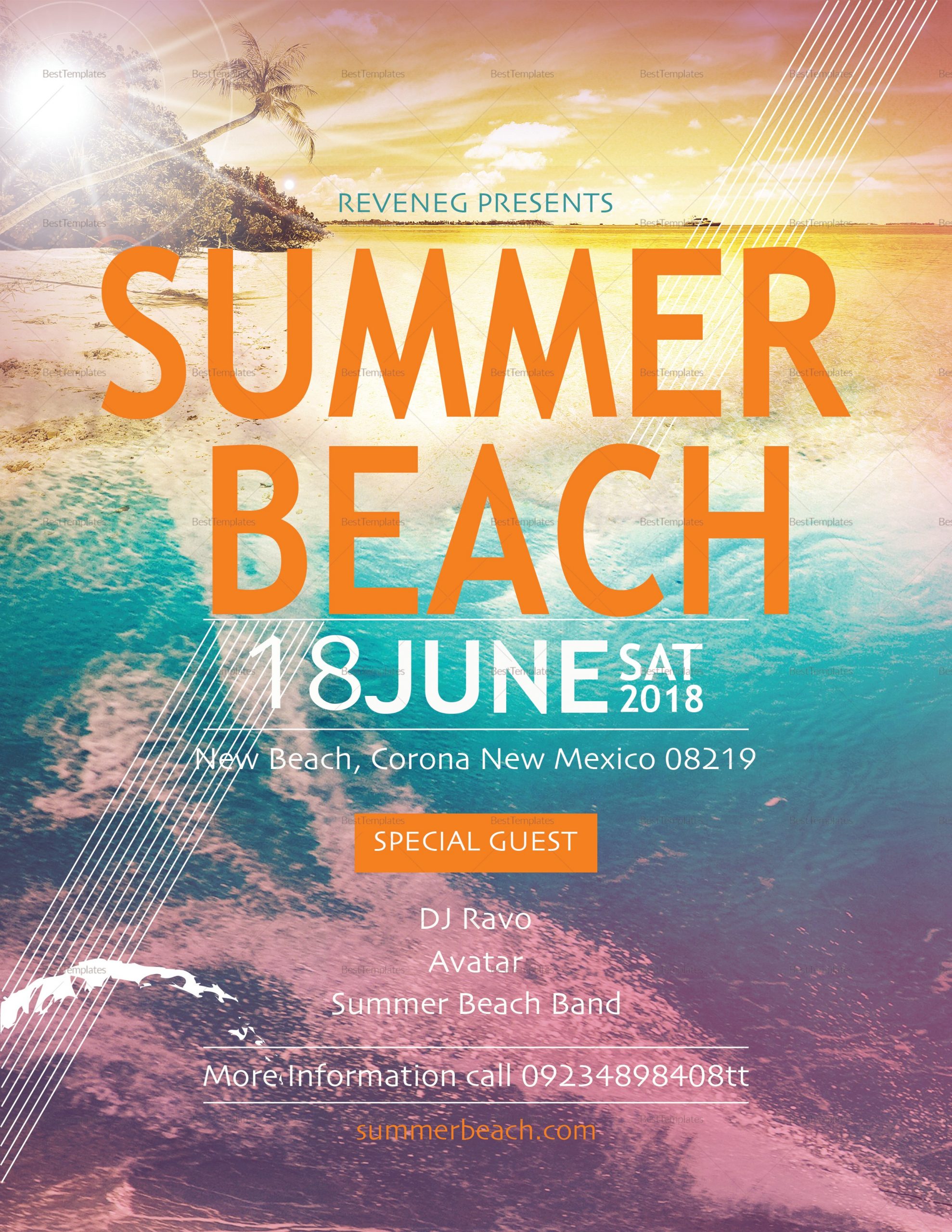
Visual elements play a crucial role in capturing attention and creating a memorable impression on event flyers. Organizers should use high-quality images, graphics, icons, and illustrations that align with the event theme and branding. Vibrant colors, engaging typography, and relevant visuals can attract potential attendees, evoke emotions, and convey the event’s atmosphere or offerings. Incorporating visual elements that resonate with the target audience helps create a connection and encourages engagement, increasing the likelihood of event attendance and participation.
Focus on Readability and Clarity
Ensuring that the content on the event flyer is easily readable and clear is essential for conveying information effectively. Organizers should use legible fonts, appropriate font sizes, and sufficient spacing between text elements to enhance readability. Consistency in font styles, alignment, and formatting helps create a cohesive and professional look that facilitates understanding. Avoid overcrowding the flyer with excessive text or cluttered design elements, as this can overwhelm the reader and detract from the message.
Include Compelling Copywriting
Well-crafted copywriting plays a critical role in engaging the audience, conveying the event’s value, and compelling action. Organizers should use persuasive language, compelling headlines, and concise messaging that communicates the event’s benefits and objectives clearly. Incorporating storytelling, testimonials, or quotes can add credibility and authenticity to the event flyer, resonating with potential attendees and encouraging them to take action. Utilize persuasive language that evokes emotion, creates excitement, and motivates individuals to RSVP and attend the event.
Utilize White Space Effectively
White space, also known as negative space, is a crucial design element that enhances readability, visual appeal, and overall aesthetics of the event flyer. Organizers should use white space strategically to create breathing room between text, images, and graphic elements, allowing the content to stand out and be easily digestible. Adequate white space helps guide the viewer’s eye, establish visual hierarchy, and prevent visual clutter, resulting in a clean and professional-looking design that enhances the flyer’s impact and engagement.
Incorporate Branding Elements
Consistent branding across all event materials, including event flyers, helps reinforce brand recognition, establish credibility, and create a unified brand image. Organizers should incorporate brand elements such as logos, color schemes, typography, and messaging that align with the event branding guidelines. By integrating branding elements into the flyer design, organizers can create a cohesive and recognizable brand identity that resonates with attendees and reinforces the event’s credibility and professionalism.
Optimize for Digital Distribution
In today’s digital age, many event flyers are distributed electronically through email campaigns, social media posts, websites, and online platforms. When designing event flyers for digital distribution, organizers should optimize the format and layout for online viewing. Consider creating mobile-responsive designs, using web-safe fonts, and ensuring high-resolution images that display clearly on various devices. Including clickable links, social media icons, and interactive elements can enhance user engagement and drive traffic to event registration pages or websites.
Tips for Successful Event Flyer Marketing
Effectively marketing event flyers requires a strategic approach that maximizes reach, engagement, and conversion rates. By implementing best practices and leveraging innovative marketing techniques, organizers can enhance the impact of their event flyers and achieve desired outcomes. Here are some tips for successful event flyer marketing:
Utilize Multiple Distribution Channels
Expand the reach of your event flyers by utilizing multiple distribution channels to target a wider audience. In addition to traditional distribution methods such as direct mail or handouts, consider leveraging digital channels such as social media, email marketing, and online advertising to reach a broader demographic. Tailor the messaging and design of event flyers for each distribution channel to maximize visibility, engagement, and conversion rates.
Personalize Outreach and Messaging
Personalization is key to creating a connection with potential attendees and encouraging engagement with event flyers. Tailor the messaging, design, and content of event flyers to resonate with the target audience’s preferences, interests, and demographics. Incorporate personalized elements such as recipient names, customized offers, or targeted messaging based on past interactions or behaviors to create a personalized experience that drives response rates and event participation.
Track and Measure Results
Monitor the effectiveness of your event flyer campaign by tracking and measuring key performance metrics such as distribution rates, response rates, attendance numbers, and engagement levels. Utilize analytics tools, tracking codes, or unique URLs to attribute flyer responses and conversions to specific distribution channels or campaigns. By analyzing the data and metrics, organizers can gain valuable insights into the success of their flyer marketing efforts, identify areas for improvement, and optimize future campaigns for better results.
Offer Exclusive Incentives
Drive interest and excitement for your event by offering exclusive incentives or rewards to attendees who present the event flyer. Consider providing special discounts, early bird pricing, freebies, or VIP perks for individuals who show the flyer at the event registration or entrance. Exclusive incentives create a sense of value and exclusivity for attendees, motivating them to RSVP, attend the event, and take advantage of the unique benefits offered. Incentives can also differentiate the event from competitors and increase its perceived value among potential attendees.
Engage with Partners and Sponsors
Collaborate with partners, sponsors, or local businesses to broaden the reach of your event flyers and increase exposure among their customer base. Partnering with complementary organizations or sponsors can help distribute flyers in high-traffic locations, share event information with their networks, and attract a new audience to the event. Consider co-branding event flyers with partners, including their logos or endorsements, to leverage their credibility and influence in the community, increasing the event’s visibility and attendance.
Create Urgency and FOMO
Generate excitement and urgency for your event by creating a sense of fear of missing out (FOMO) among potential attendees. Incorporate limited-time offers, early bird deadlines, or exclusive promotions on the event flyer to encourage immediate action and prompt RSVPs. Highlight the benefits, value, or experiences that attendees will miss out on if they do not attend the event, creating a sense of urgency and compelling individuals to secure their spot. By leveraging FOMO tactics, organizers can increase event anticipation, drive ticket sales, and maximize attendance rates.
