Event planning agreements are crucial documents that establish a legally binding framework to protect the interests of both the client and the event planner. By clearly outlining the responsibilities, scope of services, payment terms, cancellation policies, and dispute resolution procedures, these agreements play a vital role in ensuring a successful and seamless event.
Let’s delve deeper into the intricacies of event planning agreements to understand their significance and how to draft them effectively.
What is an Event Planning Agreement?
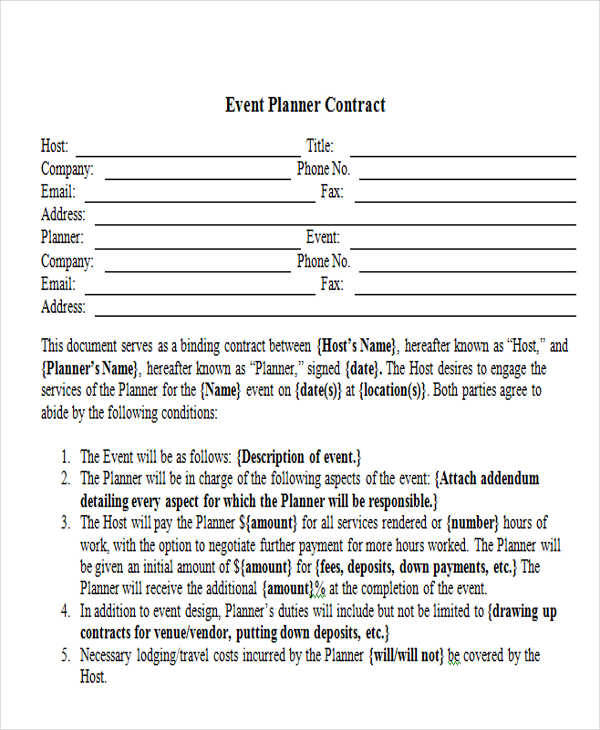
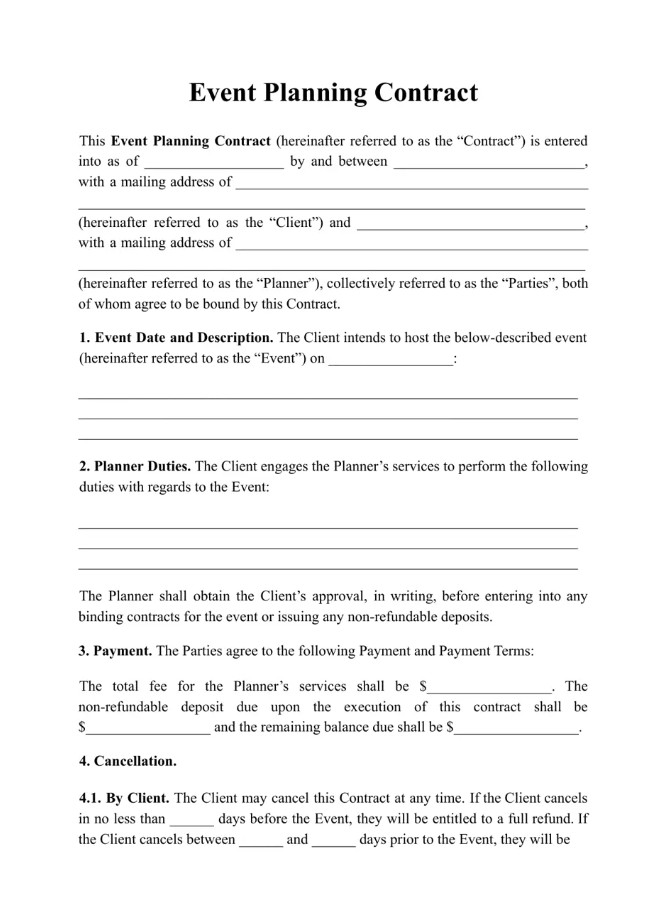
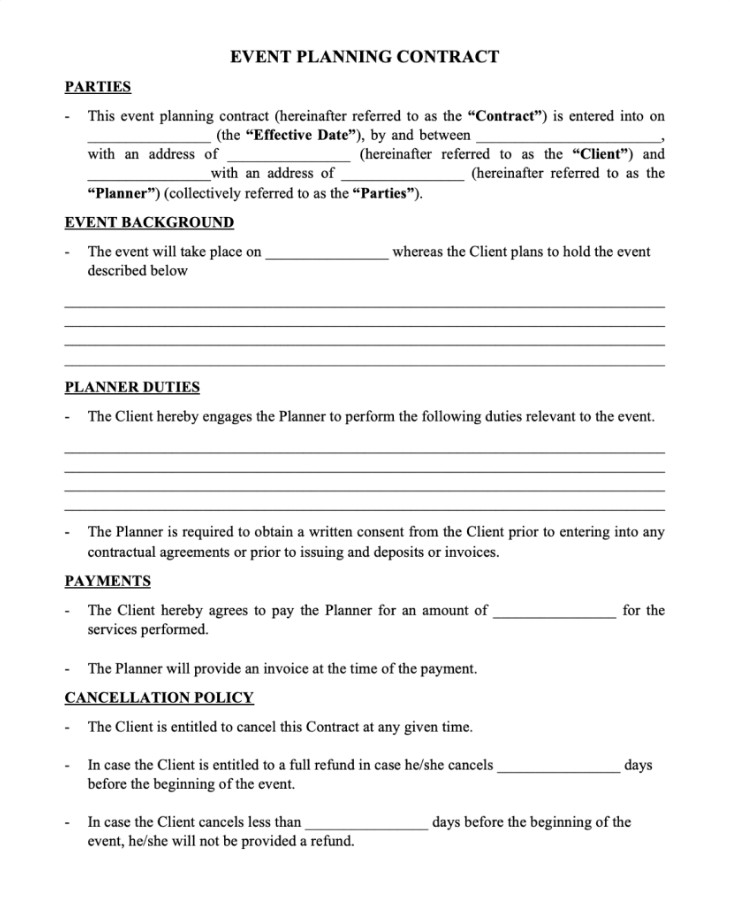
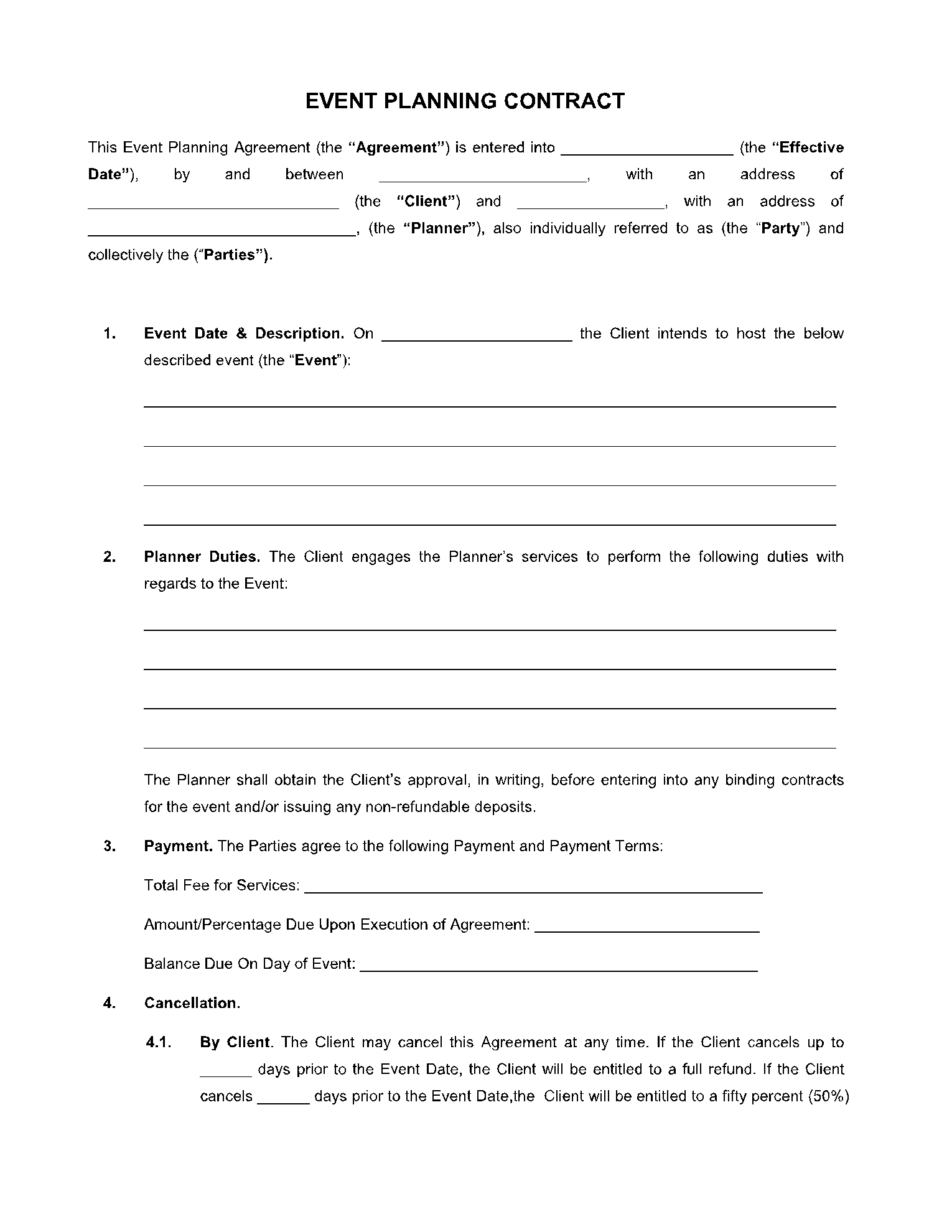
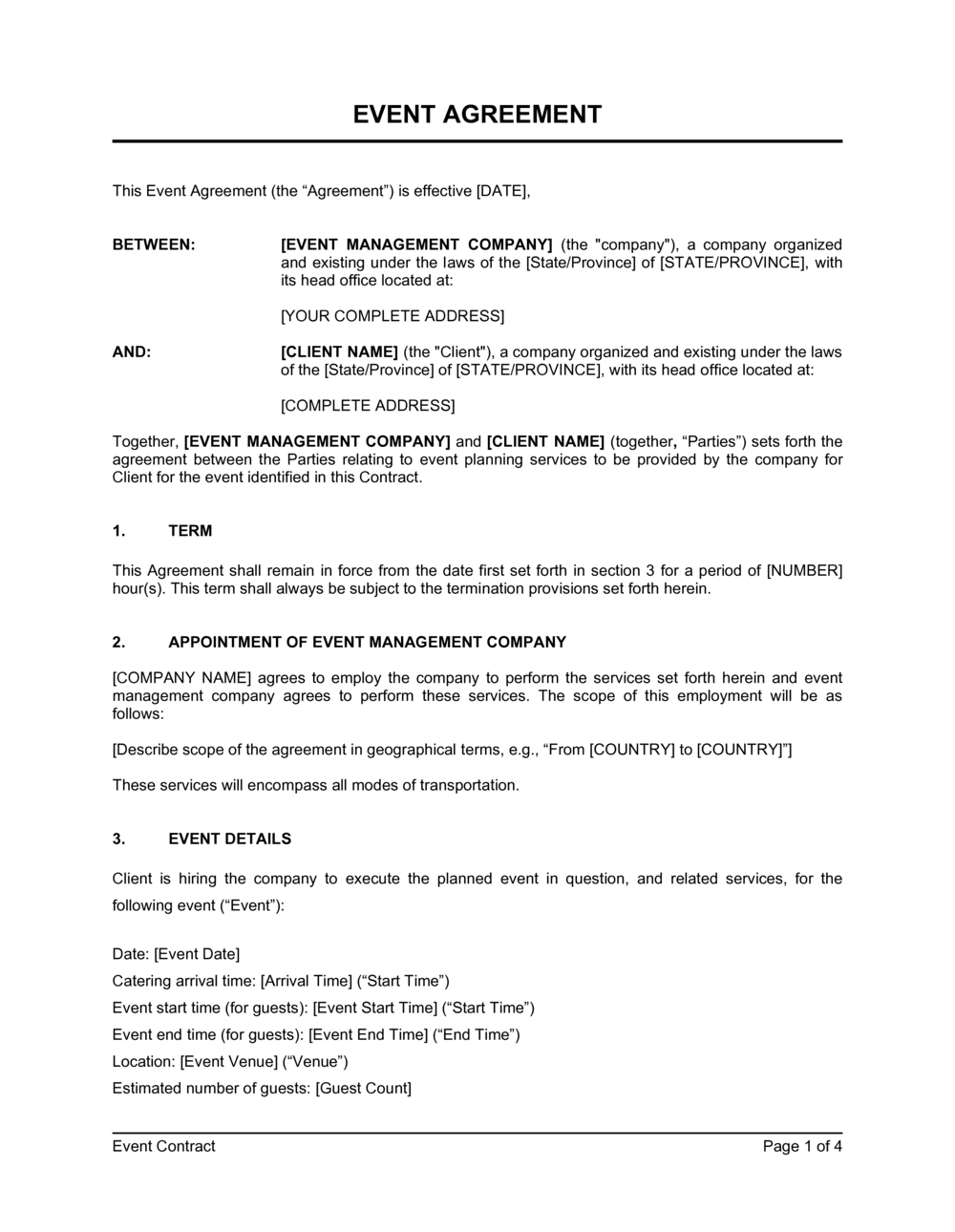
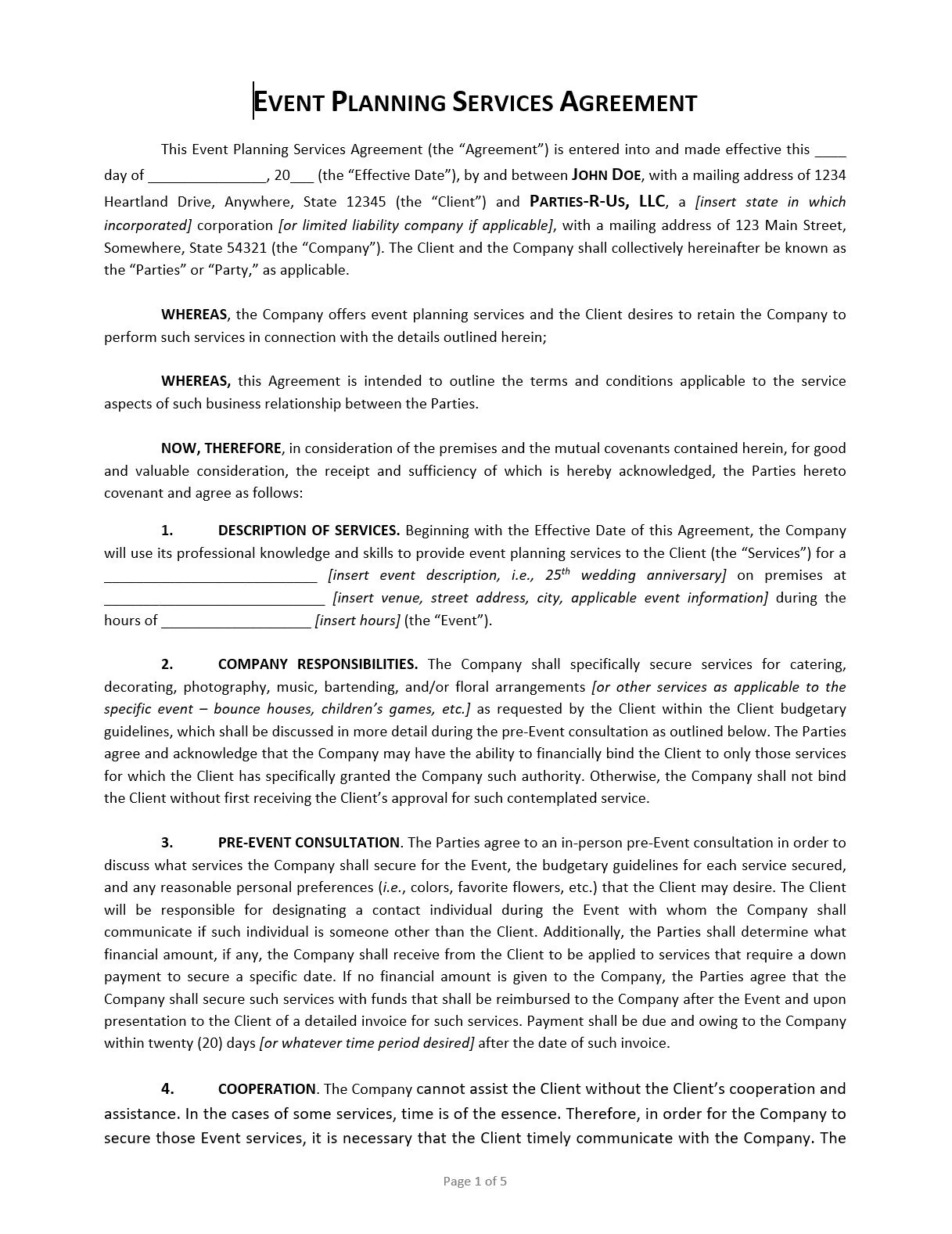
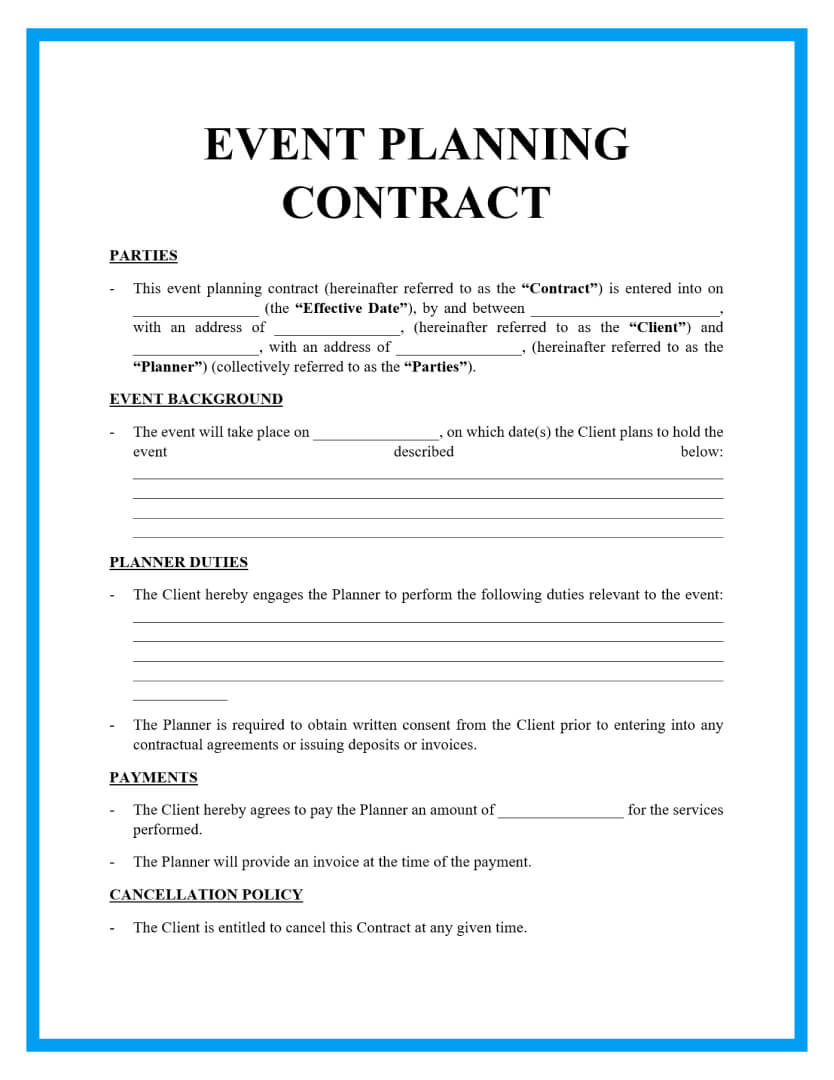
An event planning agreement is a formal contract that solidifies the working relationship between the client and the event planner. It serves as a roadmap for the planning and execution of the event, detailing the services to be provided, the roles and responsibilities of each party, the financial terms, and the procedures for handling any unforeseen circumstances that may arise.
Examples
Why are Event Planning Agreements Important?
Event planning agreements play a pivotal role in the success of an event by providing a solid foundation for collaboration between the client and the event planner. Let’s explore the key reasons why these agreements are essential for a seamless event planning process.
Preventing Misunderstandings
One of the primary reasons event planning agreements are important is to prevent misunderstandings between the client and the event planner. By clearly defining the scope of services and expectations, both parties are on the same page from the outset.
Ensuring Clarity
The agreement ensures clarity regarding the services to be provided, the timeline for deliverables, and the overall expectations for the event. This clarity is essential for a smooth planning process.
Protecting Rights and Obligations
Event planning agreements protect the rights and obligations of both the client and the event planner. It outlines the legal responsibilities of each party, reducing the risk of disputes or legal issues down the line.
Providing Financial Security
Financial terms, including payment schedules, deposits, and cancellation fees, are clearly outlined in the agreement. This provides financial security for both parties and ensures transparency in all monetary transactions.
Establishing Guidelines
Event planning agreements establish guidelines for communication, decision-making, and conflict resolution. This ensures that any issues that arise during the planning process can be addressed in a structured and professional manner.
What to Include in an Event Planning Agreement?
When drafting an event planning agreement, it’s essential to include specific elements to create a comprehensive and effective document. Let’s explore the key components that should be incorporated into an event planning agreement to ensure a successful collaboration between the client and the event planner.
Scope of Services
The agreement should clearly define the scope of services that the event planner will provide. This includes tasks such as venue selection, vendor coordination, budget management, and event coordination on the day of the event.
Responsibilities
Clearly outlining the responsibilities of both the client and the event planner is essential for a successful event planning process. This section should detail who is responsible for tasks such as obtaining permits, managing vendors, and communicating with stakeholders.
Payment Terms
Setting out the payment terms in the agreement is crucial to avoid any financial misunderstandings. This section should include the total cost of services, payment schedule, accepted payment methods, and any additional fees or expenses that may arise.
Cancellation Policies
It’s important to include clear and fair cancellation policies in the event planning agreement. This section should specify the circumstances under which the event can be canceled, any penalties or fees that may apply, and the process for canceling the event planning services.
Dispute Resolution Procedures
In the event of any disputes or disagreements between the client and the event planner, having well-defined dispute resolution procedures is essential. This section should outline the steps to be taken to resolve conflicts, whether through mediation, arbitration, or litigation.
Insurance Requirements
Detailing the insurance requirements in the agreement is crucial to protect both parties in case of any accidents or damages during the event. This section should specify the type and amount of insurance coverage needed for the event.
Confidentiality Clause
A confidentiality clause should be included in the event planning agreement to protect any sensitive information shared between the client and the event planner during the planning process. This clause ensures that confidential information remains secure and is not disclosed to third parties.
Force Majeure Clause
Unforeseen circumstances can impact the successful execution of an event. Including a force majeure clause in the agreement addresses events such as natural disasters, pandemics, or government regulations that may prevent the event planner from fulfilling their obligations. This clause outlines the procedures to be followed in case of force majeure events.
Termination Clause
The agreement should include a termination clause that outlines the procedures for ending the contract. This section should specify the reasons for termination, any penalties or fees that may apply, and the notification period required by both parties.
How to Draft an Effective Event Planning Agreement
Drafting an effective event planning agreement requires careful consideration of various factors to ensure that all aspects of the event planning process are covered. Let’s explore some key tips for drafting an event planning agreement that is comprehensive, clear, and legally sound.
Consult with Legal Counsel
Before drafting an event planning agreement, it’s advisable to seek legal counsel to ensure that the document complies with local laws and regulations. A legal professional can provide valuable insights and help you draft a comprehensive agreement that protects the interests of both parties.
Customize the Agreement
Each event is unique, and the agreement should be tailored to the specific needs and requirements of the event. Customize the agreement to reflect the scope of services, timeline, budget, and other key details relevant to the event.
Include Detailed Descriptions
Provide detailed descriptions of the services to be provided, the responsibilities of each party, and the terms and conditions of the agreement. Clear and specific language helps avoid misunderstandings and ensures that both parties are on the same page.
Define Deliverables and Timelines
Clearly define the deliverables and timelines for each phase of the event planning process. This helps establish expectations and ensures that the event planner meets deadlines and delivers services in a timely manner.
Address Contingencies
Include clauses that address unforeseen circumstances such as cancellations, changes in scope, or force majeure events. Having contingency plans in place helps both parties navigate unexpected challenges during the event planning process.
Communicate Effectively
Effective communication is key to a successful event planning agreement. Keep the lines of communication open with the client throughout the planning process, address any concerns promptly, and document all discussions and decisions in writing.
Review and Revise Regularly
Regularly review and update the event planning agreement to reflect any changes in the event details, services provided, or terms and conditions. Revising the agreement ensures that it remains relevant and up-to-date throughout the planning process.
Tips for Successful Event Planning Agreements
Creating a successful event planning agreement requires attention to detail, effective communication, and a thorough understanding of the event planning process. Here are some additional tips for ensuring that your event planning agreement is comprehensive, clear, and legally sound.
Get Everything in Writing
Document all agreements, changes, and communications in writing to avoid misunderstandings or disputes down the line. Written documentation provides a clear record of the agreed-upon terms and conditions.
Set Realistic Expectations
Be transparent about what services will be provided, the timeline for deliverables, and the overall expectations for the event. Setting realistic expectations helps build trust and ensures a successful collaboration between the client and the event planner.
Stay Organized
Keep all documents, contracts, and communications related to the event planning process organized and easily accessible. Staying organized helps streamline the planning process and ensures that important information is readily available when needed.
Be Flexible
Be willing to make adjustments to the agreement as needed to accommodate changes in the event planning process. Flexibility is key to adapting to unforeseen circumstances and ensuring a successful event.
Communicate Effectively
Open and clear communication is essential throughout the event planning process. Regularly update the client on progress, address any concerns promptly, and be proactive in discussing any changes to the agreement.
Document Changes
Any changes to the event planning agreement should be documented in writing and signed by both parties. This helps ensure that all parties are aware of and agree to any modifications to the original agreement.
Review with Legal Counsel
Before finalizing the event planning agreement, have it reviewed by legal counsel to ensure that it complies with relevant laws and provides adequate protection for both parties. Legal oversight can help identify any potential issues and mitigate risks.
Maintain Professionalism
Approach the drafting and negotiation of the event planning agreement with professionalism and respect. Maintain a collaborative and positive attitude throughout the process to foster a productive working relationship with the client.
Seek Feedback
After the event planning agreement has been finalized, seek feedback from the client on their experience with the agreement. Use this feedback to improve future agreements and ensure that the needs and expectations of clients are met.
Stay Informed
Stay informed about industry trends, legal requirements, and best practices in event planning agreements. Continuously educate yourself to ensure that your agreements are up-to-date and reflect current standards in the event planning industry.
Follow Up
After the event has concluded, follow up with the client to review the event planning agreement and assess its effectiveness. Use this feedback to refine future agreements and enhance the client experience.
Common Mistakes to Avoid
While drafting an event planning agreement, there are certain common mistakes that should be avoided to ensure the agreement is effective and legally sound. Let’s explore some of these common pitfalls and how to steer clear of them.
Omitting Key Details
One of the common mistakes in event planning agreements is omitting key details or provisions. Failing to include essential information can lead to misunderstandings and disputes down the line. Be thorough in detailing all aspects of the agreement.
Using Legal Jargon
Using excessive legal jargon in the agreement can confuse clients and make the document difficult to understand. Keep the language clear, concise, and easily understandable to ensure that both parties are fully informed of the terms and conditions.
Ignoring Local Laws
Failure to consider local laws and regulations when drafting the agreement can result in legal issues or unenforceable clauses. Consult with legal counsel to ensure that the agreement complies with relevant laws and requirements.
Not Addressing Contingencies
Failure to include contingency plans for unforeseen circumstances can leave both parties vulnerable to disruptions in the event planning process. Include clauses that address cancellations, changes in scope, and other potential challenges that may arise.
Skipping Review Process
Skipping the review process with legal counsel or the client can lead to oversights or errors in the agreement. Take the time to review the agreement carefully with all relevant parties to ensure that it accurately reflects the expectations and requirements of the event.
Assuming Understanding
Assuming that both parties understand the terms of the agreement without clear communication can lead to misunderstandings. Take the time to explain the terms and conditions of the agreement to ensure that both parties are on the same page.
Not Documenting Changes
Failure to document any changes or amendments to the agreement can result in disputes over the agreed-upon terms. Always document any modifications to the agreement in writing and ensure that all parties sign off on the changes.
Overlooking Insurance Requirements
Overlooking insurance requirements in the agreement can leave both parties exposed to financial risks in case of accidents or damages during the event. Ensure that the agreement clearly outlines the insurance coverage needed for the event.
Ignoring Feedback
Ignoring feedback from clients or failing to incorporate suggestions for improvement can result in ineffective agreements. Use client feedback to refine future agreements and enhance the overall client experience.
Conclusion
In conclusion, event planning agreements are essential documents that provide a clear and legally binding framework for the collaboration between the client and the event planner. By outlining the responsibilities, scope of services, payment terms, and dispute resolution procedures, these agreements contribute to a successful and seamless event planning process.
To draft an effective event planning agreement, consider the specific needs of the event, consult with legal counsel, communicate clearly with the client, and stay informed about industry best practices. By following these guidelines and avoiding common mistakes, you can create comprehensive and successful event planning agreements that protect the interests of both parties and ensure a positive client experience.
