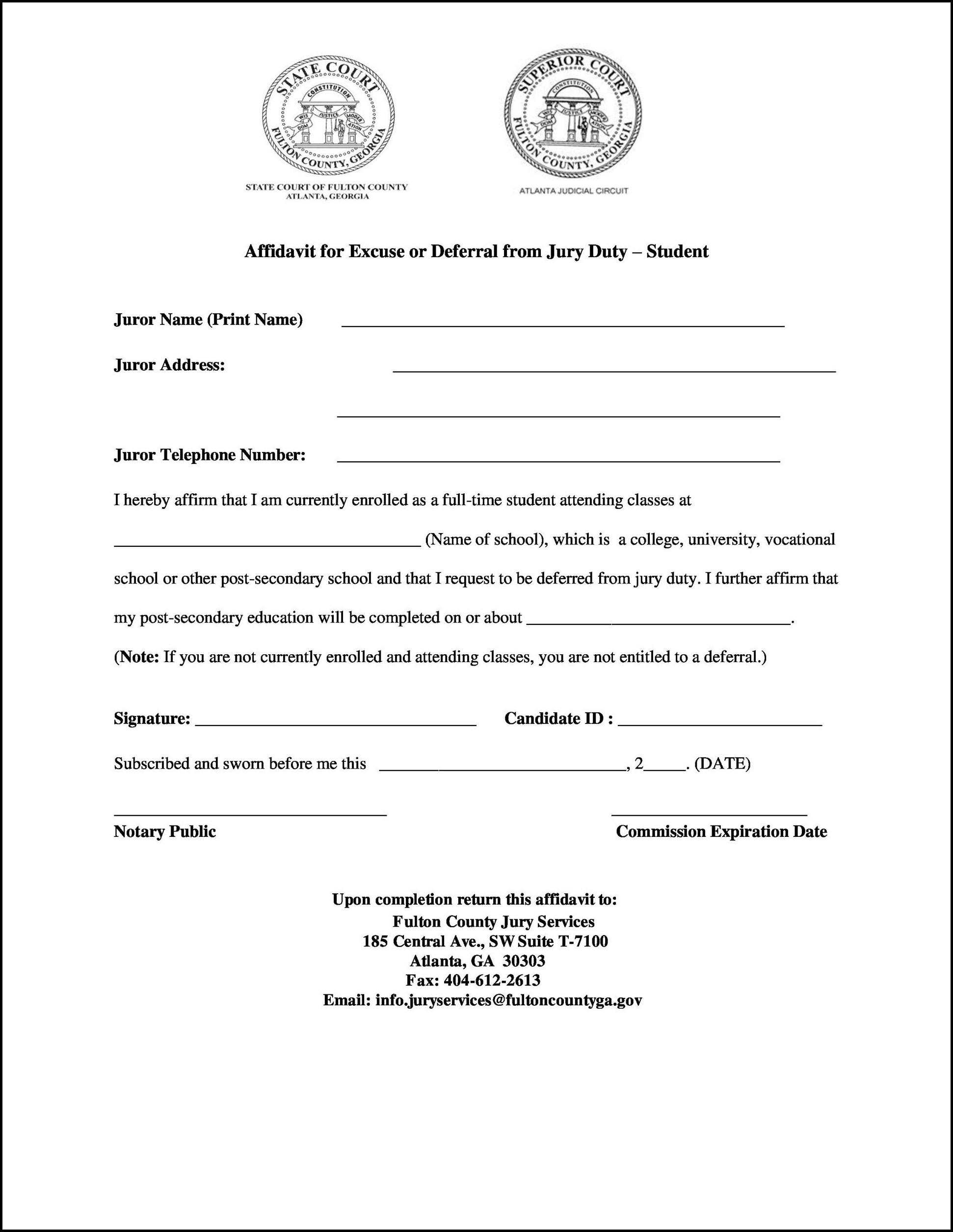
Life is unpredictable, and there may come a time when you need to provide a formal, written explanation for an absence or tardiness to your employer or educational institution. This is where an excuse letter comes into play. It serves as a professional courtesy that maintains an official record, prevents misunderstandings, demonstrates responsibility, and helps the organization plan for your absence.
In this comprehensive guide, we will explore the ins and outs of crafting a well-written excuse letter that will leave a positive impression.
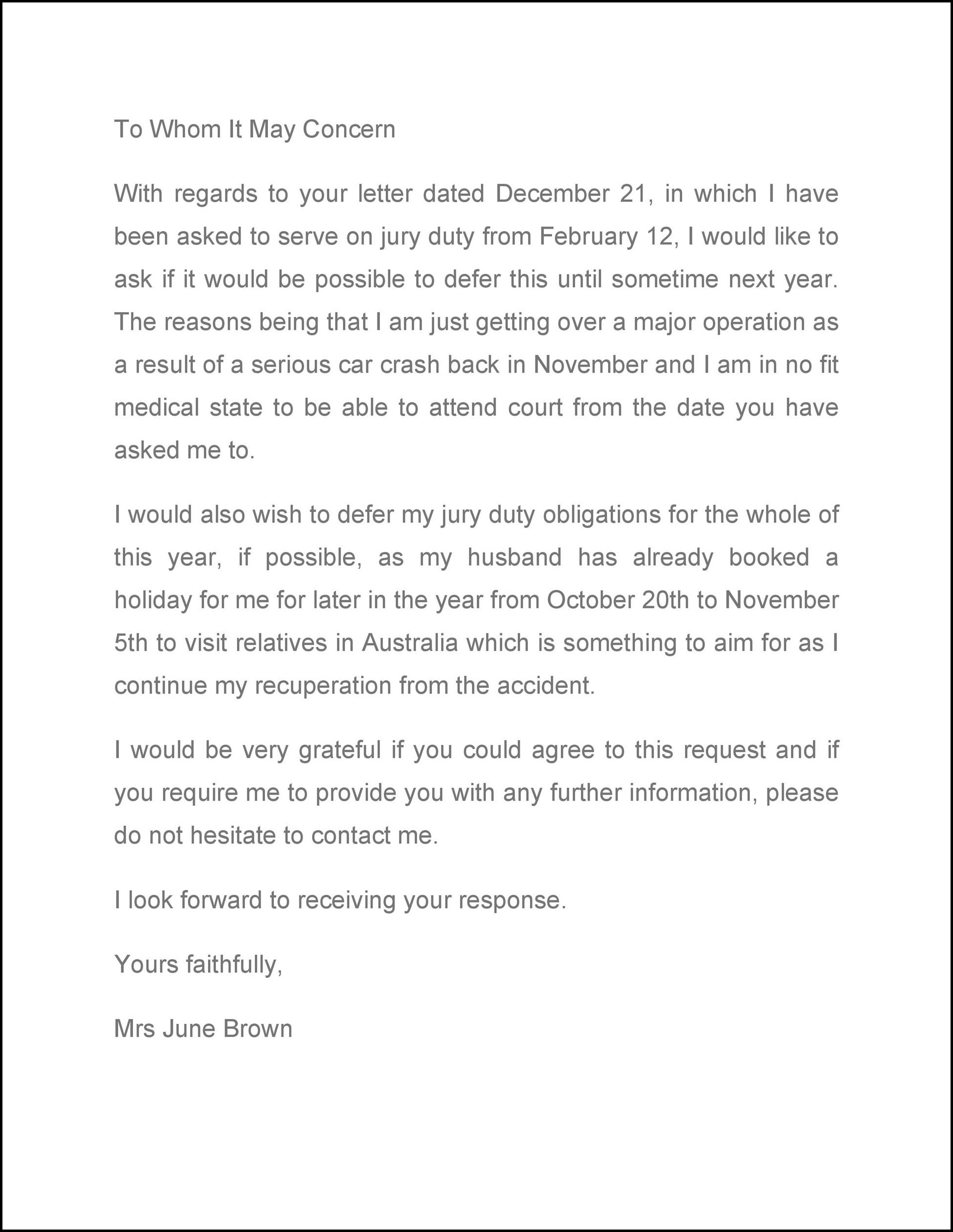
What is an Excuse Letter?
An excuse letter is a formal document that provides a written explanation for why you were absent or late to work or school. It is a professional way to communicate your circumstances and show respect for the policies and expectations of your organization.
Excuse letters are typically required when you have missed a day of work, arrived late, or need to leave early due to unforeseen circumstances.
Why Write an Excuse Letter?
There are several reasons why writing an excuse letter is important:
Maintains Official Record
One of the primary reasons for writing an excuse letter is to maintain an official record of your absence. By documenting the reason for your absence in writing, you create a tangible record that can be referenced in the future if needed. This can be particularly important in workplaces or educational institutions where attendance and punctuality are closely monitored.
Prevents Misunderstandings
Providing a written explanation for your absence can help prevent misunderstandings or misinterpretations of your situation. Verbal explanations can be easily forgotten or miscommunicated, leading to confusion among colleagues, supervisors, or teachers. An excuse letter ensures that your message is clear, concise, and easily accessible for anyone who needs to refer to it.
Demonstrates Responsibility
Writing an excuse letter demonstrates your sense of responsibility and professionalism. It shows that you take your commitments seriously and are willing to communicate openly and honestly about your circumstances. Employers and educators appreciate individuals who are accountable for their actions and are proactive in providing explanations for their absences.
Helps the Organization Plan
By informing your employer or school about your absence in advance through an excuse letter, you enable them to make necessary arrangements to cover your responsibilities during your absence. This proactive approach helps the organization maintain productivity and continuity in your absence, minimizing the impact of your temporary departure on daily operations.
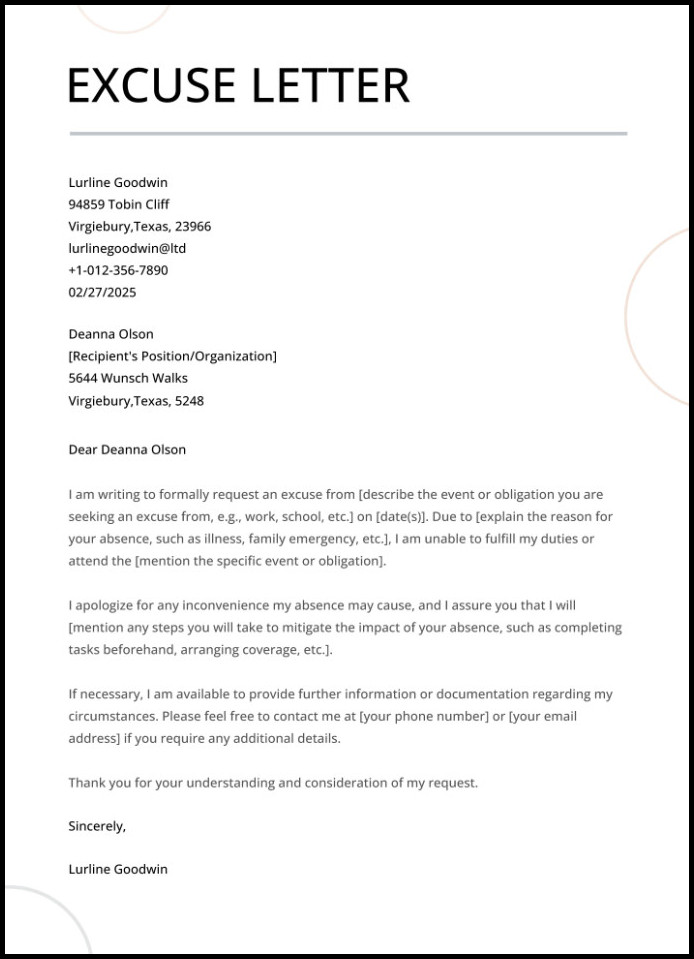
What to Include in an Excuse Letter?
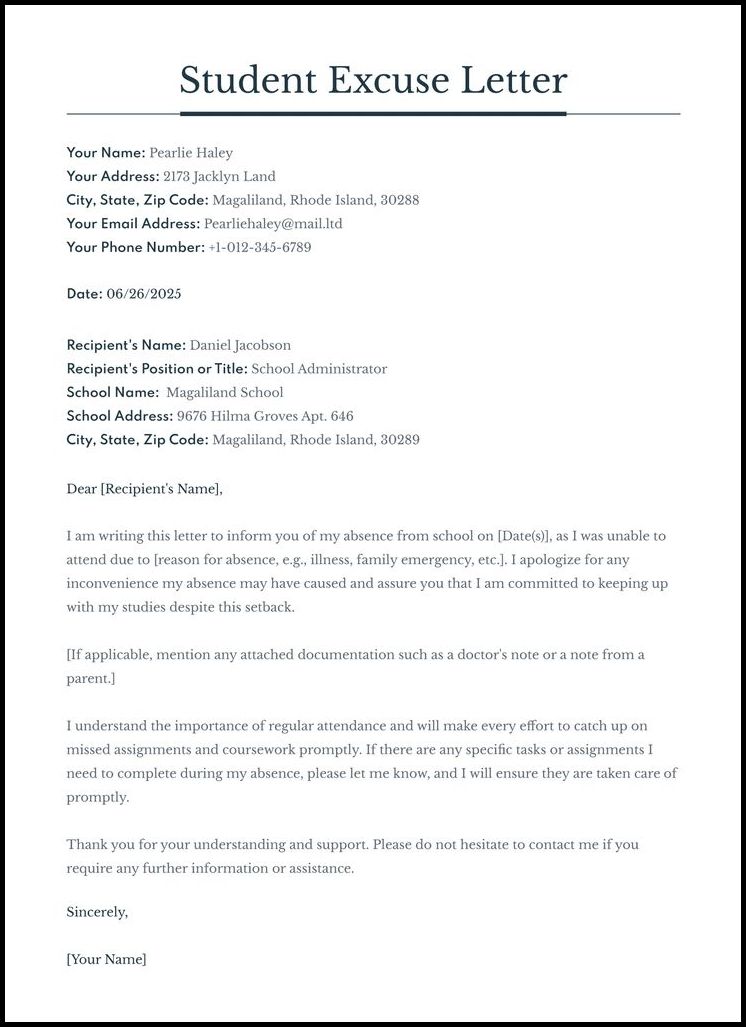
When writing an excuse letter, it is essential to include the following components:
Date
Start your excuse letter by including the date at the top. The date helps establish the timeline of your absence and provides a reference point for the recipient. Make sure to use the current date when writing the excuse letter to ensure accuracy and timeliness.
Recipient’s Information
Address the excuse letter to the appropriate person or department, whether it’s your supervisor, teacher, HR department, or school administration. Including the recipient’s name, title, and contact information can help ensure that your excuse letter reaches the right person and receives prompt attention.
Reason for Absence
The most critical component of an excuse letter is the reason for your absence. Clearly explain why you were unable to attend work or school, providing specific details to contextualize your situation. Whether it’s due to illness, a family emergency, personal reasons, or transportation issues, be honest and transparent in your explanation.
Date of Absence
Include the date or dates when you were absent or late in your excuse letter. Providing the specific dates of your absence helps the recipient understand the duration of your unavailability and plan accordingly. Whether you missed a single day or multiple days, make sure to include all relevant dates in your explanation.
Apology
Expressing regret and apologizing for any inconvenience caused by your absence is a crucial element of an excuse letter. Acknowledge the impact of your absence on your colleagues, supervisor, or classmates, and show empathy towards any disruptions that may have occurred as a result of your unavailability. A sincere apology can help mitigate any negative feelings or consequences associated with your absence.
Contact Information
Provide your contact information in the excuse letter to facilitate communication between you and the recipient. Include your phone number, email address, and any other relevant contact details that the recipient may need to reach you for further clarification or follow-up. Being reachable and responsive can demonstrate your willingness to address any questions or concerns related to your absence.
Signature
Sign your excuse letter to authenticate the document and confirm your acknowledgment of its contents. Adding your signature at the end of the letter signifies your approval of the information provided and your commitment to its accuracy. Your signature adds a personal touch to the excuse letter and reinforces your accountability for the explanation provided.
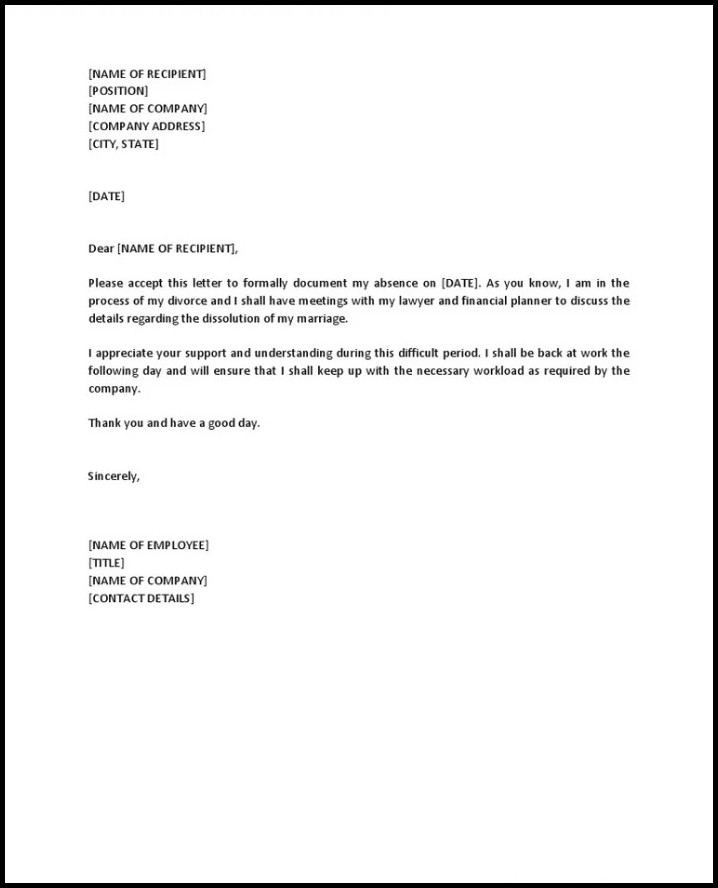
How to Write an Excuse Letter
Follow these steps to write a compelling excuse letter:
Be Honest
Honesty is paramount when writing an excuse letter. Be transparent about the reason for your absence and avoid embellishing or fabricating details. Trust is essential in professional and educational environments, and being truthful in your explanation can help build credibility and maintain integrity in your relationships with colleagues, supervisors, and teachers.
Be Concise
While it’s essential to provide sufficient detail in your excuse letter, it’s equally important to be concise and to the point. Avoid unnecessary elaboration or irrelevant information that may distract from the main purpose of the letter. Stick to the facts, present your explanation clearly and succinctly, and focus on addressing the key points related to your absence.
Use a Professional Tone
When composing an excuse letter, adopt a professional and respectful tone in your writing. Avoid using informal language, slang, or casual expressions that may undermine the formality of the document. Maintain a tone of courtesy, politeness, and professionalism throughout the letter to convey your seriousness and respect for the recipient and the situation at hand.
Proofread
Before submitting your excuse letter, take the time to proofread it carefully for any spelling, grammar, or typographical errors. A well-written and error-free letter reflects attention to detail and a commitment to excellence in your communication. Reviewing your letter for mistakes ensures clarity and professionalism in your message and enhances the overall effectiveness of your explanation.
Deliver Promptly
Timeliness is key when it comes to submitting an excuse letter. Deliver your letter as soon as possible after your absence to ensure that the recipient receives it in a timely manner. Prompt communication demonstrates your proactive approach to addressing the situation and allows the organization to plan for your absence more effectively. Don’t delay in sending your excuse letter to avoid any misunderstandings or delays in processing your explanation.
Tips for Writing an Effective Excuse Letter
Here are some additional tips to help you craft a well-written excuse letter:
Provide Documentation
If possible, attach any relevant supporting documentation to your excuse letter to substantiate your explanation. This could include a doctor’s note, medical certificate, appointment confirmation, or any other official document that validates the reason for your absence. Providing documentation can add credibility to your explanation and reinforce the legitimacy of your circumstances.
Show Empathy
Expressing empathy towards others affected by your absence can demonstrate your consideration and understanding of the situation. Acknowledge the inconvenience or disruptions caused by your unavailability and show compassion towards colleagues, supervisors, or classmates who may have had to cover for you in your absence. Demonstrating empathy in your excuse letter can help foster positive relationships and goodwill in the workplace or academic setting.
Offer to Make Up for Lost Time
If appropriate, propose a plan to make up for any missed work, assignments, or responsibilities resulting from your absence. Taking proactive steps to address any unfinished tasks or commitments can demonstrate your commitment to your role or education and your willingness to take responsibility for ensuring continuity and quality in your work. Offering to make up for lost time shows initiative and dedication to maintaining productivity despite your absence.
Follow Up
After submitting your excuse letter, follow up with the recipient to ensure that they have received and understood your explanation. This can involve a brief email or phone call to confirm receipt of the letter and address any questions or concerns that the recipient may have. Following up demonstrates your professionalism, responsiveness, and commitment to effective communication in resolving any issues related to your absence.
Common Mistakes to Avoid in Writing an Excuse Letter
While crafting an excuse letter, it’s essential to steer clear of common mistakes that can detract from the effectiveness and credibility of your explanation. Avoid the following pitfalls to ensure that your excuse letter is well-received and achieves its intended purpose:
Providing Vague or Generic Reasons
One common mistake in excuse letters is providing vague or generic reasons for your absence. Simply stating that you were “not feeling well” or “had a personal matter to attend to” without further elaboration can come across as evasive or insincere. Be specific and detailed in your explanation to convey the seriousness and legitimacy of your circumstances.
Blaming Others or Circumstances
Avoid shifting blame onto others or external circumstances in your excuse letter. Taking ownership of your absence and expressing accountability for your actions is key to maintaining professionalism and integrity in your communication. Resist the temptation to deflect responsibility or make excuses for your absence, as this can undermine the sincerity and credibility of your explanation.
Over-Apologizing
While it’s essential to express regret for any inconvenience caused by your absence, over-apologizing in your excuse letter can diminish your credibility and confidence. Strike a balance between acknowledging the impact of your absence and maintaining a confident and assertive tone in your communication. Apologize sincerely and empathetically without belittling yourself or appearing overly apologetic.
Providing Excessive Detail
While specificity is crucial in explaining your absence, providing excessive or unnecessary detail in your excuse letter can be counterproductive. Focus on including relevant information that directly pertains to your situation and avoids going off on tangents or including irrelevant anecdotes. Keep your explanation concise, clear, and focused to ensure that the recipient can easily grasp the essential points of your message.
Submitting the Letter Late
Timeliness is essential when it comes to delivering an excuse letter. Submitting the letter late can create delays in communication, disrupt organizational planning, and reflect poorly on your professionalism and reliability. Aim to send your excuse letter promptly after your absence to ensure that the recipient receives it on time and can take appropriate actions as needed.
Conclusion
Mastering the art of writing an excuse letter is a valuable skill that can help you navigate unexpected absences with professionalism and grace. By understanding the purpose, importance, and components of an excuse letter, you can effectively communicate your circumstances, demonstrate responsibility, and maintain positive relationships with your employer or educational institution.
Remember to be honest, concise, and proactive in your communication, and always follow up to ensure that your explanation is well-received and understood. With these tips and examples in mind, you can confidently craft a well-written excuse letter that leaves a positive impression and helps you handle unforeseen circumstances with confidence.
