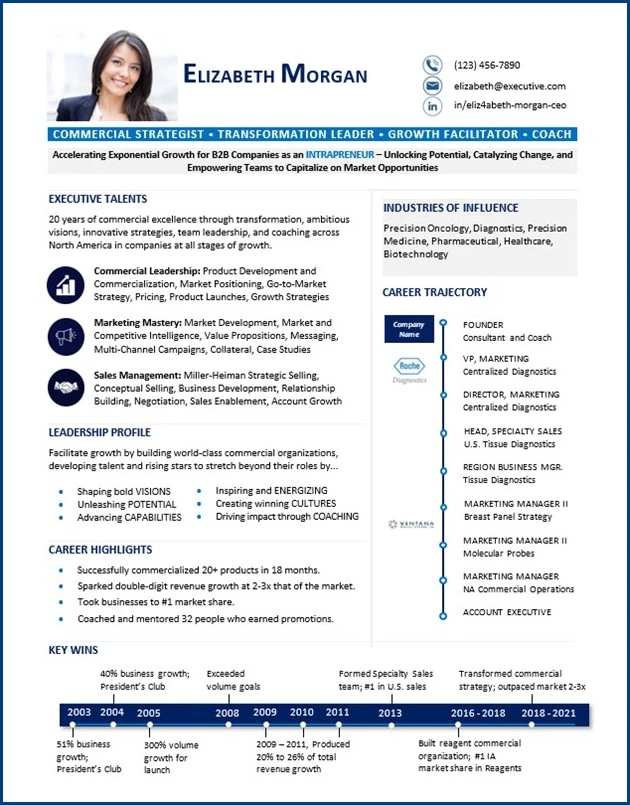
In today’s competitive job market, having a strong executive resume is crucial for landing top-tier leadership roles. An executive resume goes beyond a standard CV by showcasing a candidate’s high-level leadership skills, vision, and measurable business results to C-suite decision-makers and executive search firms. It serves as a strategic marketing tool that positions the professional as a visionary leader capable of driving significant business value and solving critical challenges.
In this article, we will explore the essential elements of an executive resume and provide tips on how to create a compelling document that highlights your unique value proposition.
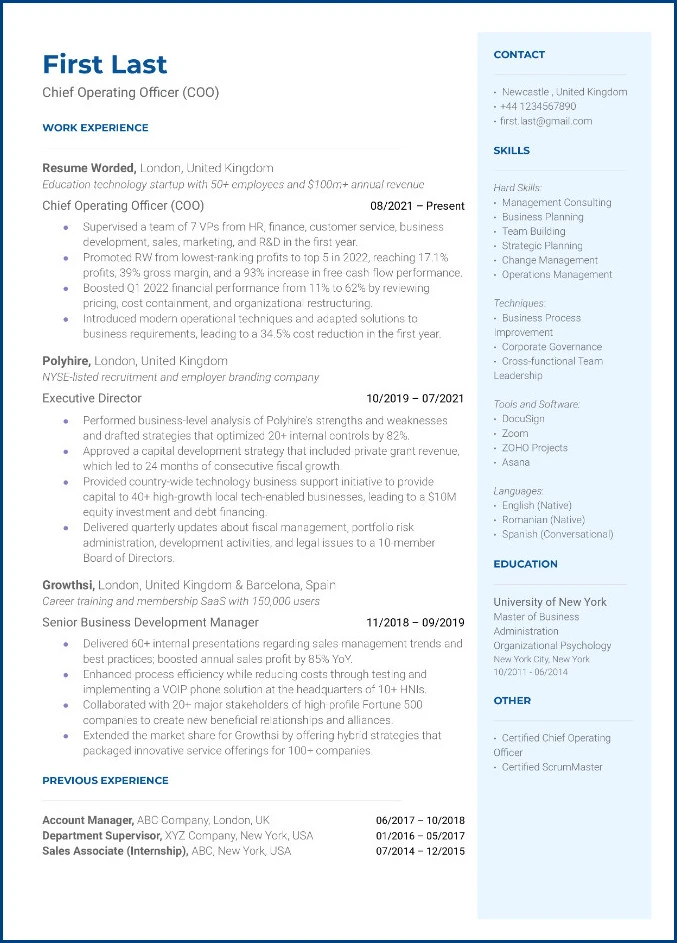
What is an Executive Resume?
An executive resume is a document specifically tailored for senior-level positions that focuses on strategic achievements, leadership capabilities, and the ability to deliver measurable results.
Unlike a traditional resume, which typically lists job responsibilities and achievements in a chronological format, an executive resume highlights the candidate’s commercial value and marketability for high-impact leadership roles. It is designed to position the professional as a strategic thinker, problem solver, and results-driven leader.
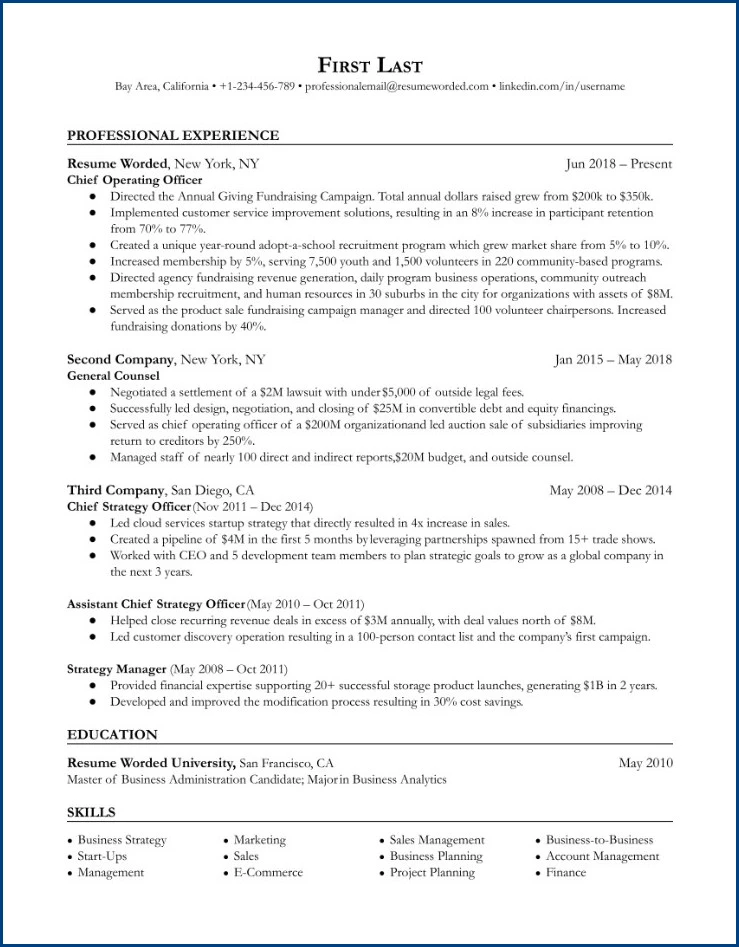
Why You Need an Executive Resume
In today’s fast-paced business environment, competition for top executive positions is fierce. C-suite decision-makers and executive search firms are looking for candidates who can demonstrate a track record of success, innovation, and leadership. An executive resume allows you to showcase your unique value proposition and stand out from the competition by highlighting your strategic achievements, business acumen, and ability to drive significant business results.
Demonstrating Commercial Value
An executive resume is designed to demonstrate your commercial value to potential employers by showcasing your ability to drive business growth, innovate, and deliver measurable results. By highlighting specific achievements that have had a positive impact on previous organizations, you provide concrete evidence of your ability to create value and drive success.
Unlike a standard resume, which may focus on job responsibilities and tasks, an executive resume emphasizes strategic achievements that demonstrate your leadership capabilities and business acumen. By quantifying your accomplishments with specific metrics and data, you provide a clear picture of your impact on the organization and your potential for senior leadership roles.
Standing Out from the Competition
With the influx of qualified candidates vying for top executive positions, it is essential to differentiate yourself from the competition. An executive resume allows you to stand out by showcasing your unique value proposition, strategic achievements, and leadership capabilities. By presenting yourself as a visionary leader capable of solving complex challenges and driving business growth, you position yourself as the obvious choice for senior leadership roles.
By highlighting your ability to drive innovation, inspire teams, and deliver measurable results, you demonstrate to potential employers that you have the skills and experience necessary to lead the organization to success. In a competitive job market, a well-crafted executive resume can be the key to securing coveted leadership roles and advancing your career to the next level.
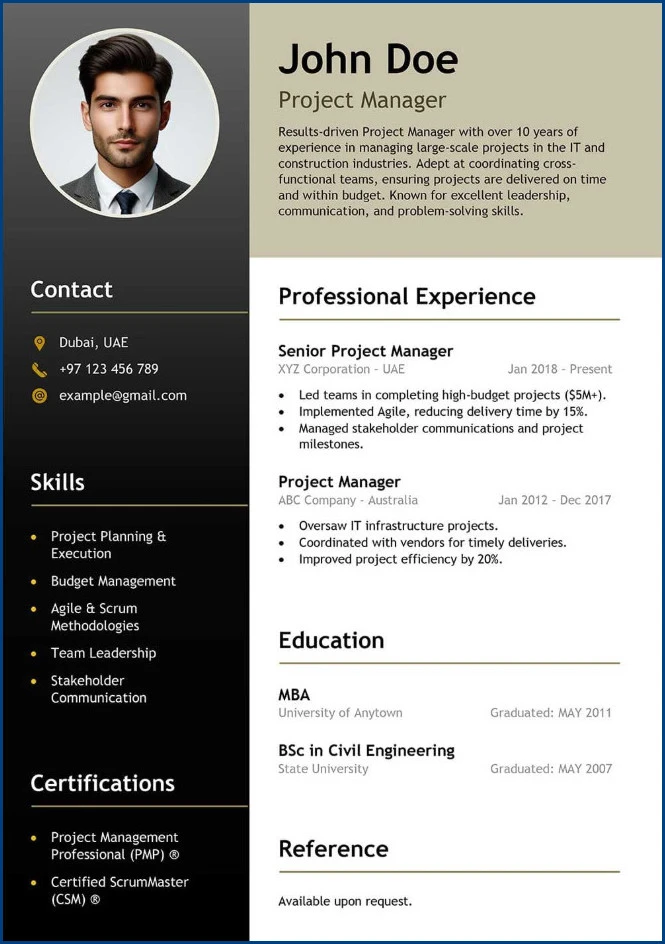
Key Elements of an Executive Resume
Creating a compelling executive resume requires careful attention to detail and a focus on key elements that highlight your leadership capabilities and business acumen. Some essential components to include in your executive resume are:
Strategic Achievements
Strategic achievements are key accomplishments that demonstrate your ability to drive business growth, solve complex challenges, and deliver measurable results. When crafting your executive resume, focus on highlighting achievements that showcase your strategic thinking, leadership skills, and impact on the organization. By quantifying your accomplishments with specific metrics and data, you provide evidence of your ability to create significant business value.
Examples of strategic achievements include leading successful business initiatives, driving revenue growth, implementing cost-saving measures, launching new products or services, and expanding market share. By showcasing these accomplishments in your executive resume, you demonstrate your capacity to drive success and make a tangible impact on the organization.
Visionary Leadership
Visionary leadership is a key element of an executive resume that highlights your ability to think strategically, innovate, and lead teams to success. When describing your leadership style and approach, emphasize your vision for the organization, your ability to inspire others, and your track record of driving change and transformation. By showcasing your visionary leadership skills, you position yourself as a forward-thinking leader capable of navigating complex business environments and driving innovation.
Examples of visionary leadership include developing long-term strategic plans, fostering a culture of innovation, leading organizational change initiatives, and inspiring teams to achieve exceptional results. By highlighting these aspects of your leadership style in your executive resume, you demonstrate your potential to lead the organization to new heights and drive sustainable growth.
Measurable Business Results
Measurable business results are essential components of an executive resume that demonstrate your ability to deliver quantifiable outcomes and drive business success. When describing your achievements and accomplishments, focus on providing specific metrics and data that illustrate the impact of your efforts on the organization. By quantifying your results, you provide concrete evidence of your commercial value and your track record of delivering tangible business outcomes.
Examples of measurable business results include increasing revenue, reducing costs, improving operational efficiency, enhancing customer satisfaction, and driving profitability. By showcasing these achievements in your executive resume, you differentiate yourself from other candidates and position yourself as a results-driven leader capable of driving sustainable business growth.
Problem-Solving Skills
Problem-solving skills are critical for senior leadership roles and are essential elements of an executive resume. When describing your experiences and accomplishments, highlight your ability to identify and solve critical challenges facing the organization. By showcasing your problem-solving skills, you demonstrate your capacity to navigate complex business environments, make sound decisions, and drive solutions that deliver value.
Examples of problem-solving skills include resolving operational issues, addressing customer concerns, managing crisis situations, and driving process improvements. By highlighting your ability to solve problems and overcome obstacles in your executive resume, you showcase your resilience, adaptability, and strategic thinking skills to potential employers.
Industry Expertise
Industry expertise is a key element of an executive resume that demonstrates your knowledge of the industry and your ability to navigate complex business environments. When describing your professional background and experiences, highlight your understanding of industry trends, market dynamics, and competitive landscape. By showcasing your industry expertise, you position yourself as a subject matter expert capable of driving success in a specific sector.
Examples of industry expertise include staying informed about industry developments, analyzing market trends, understanding regulatory requirements, and identifying growth opportunities. By demonstrating your industry knowledge in your executive resume, you show potential employers that you are well-positioned to lead the organization to success and drive business growth in a competitive market.
Executive Presence
Executive presence is a critical component of an executive resume that conveys your professionalism, confidence, and gravitas as a senior leader. When crafting your resume, focus on highlighting your ability to communicate effectively, influence others, and build strong relationships with stakeholders. By showcasing your executive presence, you demonstrate your capacity to lead with authority, inspire trust, and drive results.
Examples of executive presence include delivering impactful presentations, leading high-stakes meetings, engaging with key stakeholders, and representing the organization in a professional manner. By highlighting your executive presence in your resume, you communicate to potential employers that you have the leadership qualities and interpersonal skills necessary to succeed in a senior leadership role.
Relevant Certifications or Training
Relevant certifications or training can enhance your executive resume by demonstrating your commitment to professional development and continuous learning. When listing your qualifications and credentials, include any relevant certifications, licenses, or training programs that are directly related to the desired leadership role. By showcasing your additional qualifications, you signal to potential employers that you are dedicated to staying current in your field and expanding your knowledge and skills.
Examples of relevant certifications or training include industry-specific certifications, leadership development programs, professional workshops, and specialized training courses. By including these qualifications in your executive resume, you provide evidence of your commitment to ongoing growth and development, which can differentiate you from other candidates and position you as a top contender for senior leadership roles.
Testimonials or Recommendations
Testimonials or recommendations from previous colleagues, supervisors, or clients can add credibility to your executive resume and reinforce your professional reputation. When including testimonials in your resume, select endorsements that speak to your leadership abilities, strategic vision, and ability to deliver results. By featuring recommendations from individuals who have worked closely with you and can attest to your skills and qualities, you build trust and credibility with potential employers.
Examples of testimonials or recommendations include quotes from former colleagues praising your leadership style, endorsements from supervisors highlighting your impact on the organization, and testimonials from clients commending your strategic insights. By including these testimonials in your executive resume, you provide social proof of your abilities and reinforce your value proposition to hiring managers and executive recruiters.
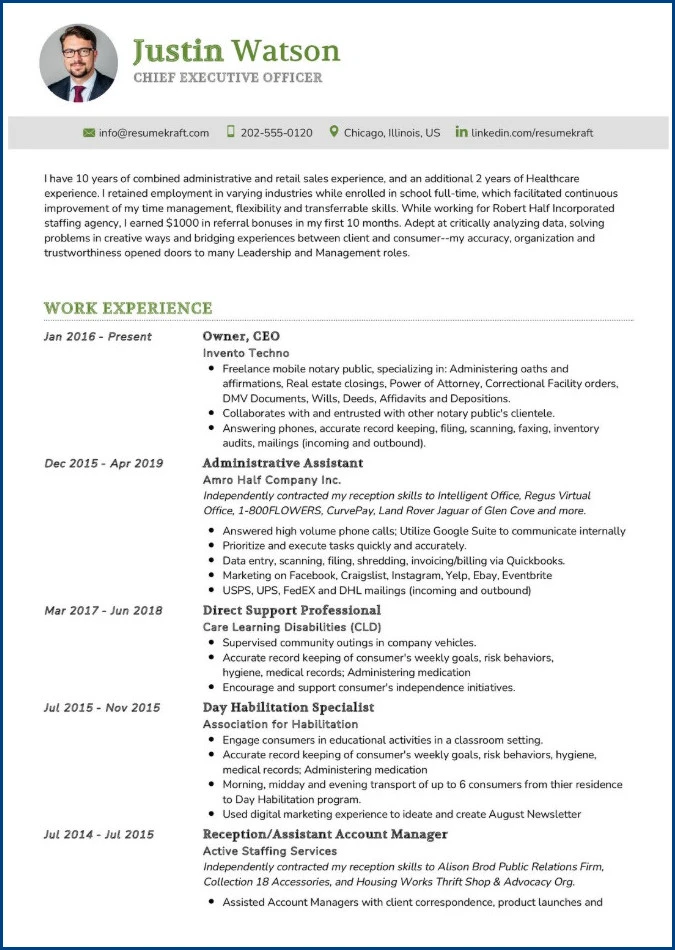
How to Create an Effective Executive Resume
Crafting a powerful executive resume requires a strategic approach and a deep understanding of what hiring managers and executive recruiters are looking for in a candidate. To create an effective executive resume that showcases your leadership capabilities and business acumen, follow these tips:
Start with a Strong Summary
Begin your executive resume with a compelling summary that succinctly outlines your key qualifications, achievements, and career objectives. The summary should provide a snapshot of your professional background, highlighting your unique value proposition and setting the tone for the rest of the document. Use this section to grab the reader’s attention and make a strong first impression.
When crafting your summary, focus on highlighting your most relevant experiences, skills, and achievements that align with the desired leadership role. Use powerful language and dynamic storytelling to engage the reader and showcase your leadership potential. By starting your resume with a strong summary, you set yourself apart from other candidates and pique the interest of hiring managers and executive recruiters.
Showcase Your Accomplishments
When creating an executive resume, focus on showcasing your accomplishments and successes in previous leadership roles. Instead of simply listing job responsibilities, emphasize the specific achievements and results that demonstrate your ability to drive business growth, solve complex challenges, and deliver tangible outcomes. Use quantifiable metrics and data to provide evidence of your impact on the organization.
Examples of accomplishments to highlight in your executive resume include revenue growth, cost savings, process improvements, team achievements, and successful project outcomes. By showcasing these accomplishments, you demonstrate your ability to deliver results and make a measurable impact on the organization. Focus on outcomes that are relevant to the desired leadership role and align with the goals of the organization.
Use Action-Oriented Language
Use strong, action-oriented language in your executive resume to describe your accomplishments and responsibilities. Instead of using passive language, such as “responsible for” or “involved in,” use dynamic verbs that convey leadership and initiative, such as “led,” “implemented,” “achieved,” “transformed,” or “delivered.” By using action-oriented language, you create a sense of energy and momentum in your resume.
When describing your achievements, focus on the actions you took, the strategies you implemented, and the results you achieved. Use specific examples and provide context to demonstrate your leadership skills and problem-solving abilities. By using action-oriented language, you communicate your proactive approach to leadership and your ability to drive change and innovation.
Customize for Each Position
Tailor your executive resume for each job application by highlighting the skills, experiences, and achievements most relevant to the specific role. Review the job description carefully and identify the key qualifications and requirements outlined by the employer. Customize your resume to showcase how your background aligns with the needs of the organization and how you can contribute to its success.
When customizing your executive resume, emphasize the experiences and accomplishments that directly relate to the desired leadership role. Use keywords and phrases from the job description to optimize your resume for applicant tracking systems (ATS) and increase your chances of being selected for an interview. By tailoring your resume for each position, you demonstrate your genuine interest in the role and your understanding of the organization’s needs.
Keep it Concise
Aim for a resume length of 1-2 pages to ensure that your key qualifications and achievements are easily accessible to recruiters. While it’s essential to provide detailed information about your professional background, skills, and accomplishments, it’s equally important to be concise and to the point. Avoid including unnecessary details or irrelevant information that may distract from your core qualifications.
When writing your executive resume, focus on including the most relevant and impactful information that showcases your leadership capabilities and business acumen. Use bullet points, short paragraphs, and strategic formatting to make your resume easy to read and scan quickly. By keeping your resume concise and focused, you ensure that hiring managers and executive recruiters can quickly assess your qualifications and make informed decisions.
Focus on Leadership Skills
Emphasize your leadership skills and capabilities in your executive resume to demonstrate your ability to lead teams, drive strategic initiatives, and inspire others to achieve exceptional results. Highlight specific examples of your leadership style, approach, and impact on the organization. Showcase how you have successfully led teams, managed projects, and delivered results that have driven business growth.
Examples of leadership skills to highlight in your executive resume include communication, decision-making, strategic planning, problem-solving, team building, and conflict resolution. Provide concrete examples of how you have applied these skills in previous roles to drive success and achieve business objectives. By focusing on your leadership skills, you demonstrate your readiness for senior leadership roles and your capacity to lead the organization to new heights.
Include Keywords
Use industry-specific keywords and phrases in your executive resume to optimize it for applicant tracking systems (ATS) and increase your chances of being found by recruiters. Review the job description and identify relevant keywords that are commonly used in the industry or specific to the desired leadership role. Incorporate these keywords strategically throughout your resume to ensure that it aligns with the requirements of the position.
Examples of keywords to include in your executive resume may relate to industry expertise, technical skills, leadership competencies, and specific job functions. By including these keywords, you increase the likelihood that your resume will be recognized by ATS software and ranked higher in search results. By optimizing your resume with relevant keywords, you enhance its visibility and improve your chances of being selected for interviews.
Proofread Carefully
Thoroughly review your executive resume for spelling and grammar errors, ensuring that it is free of typos, inconsistencies, and formatting issues. Consider seeking feedback from a professional resume writer or career coach to provide an objective perspective on your resume. By taking the time to proofread your resume carefully, you demonstrate attention to detail, professionalism, and a commitment to presenting yourself in the best possible light.
When proofreading your executive resume, pay close attention to the wording, formatting, and overall presentation. Check for grammatical errors, punctuation mistakes, and sentence structure issues. Ensure that the information is accurate, up-to-date, and relevant to the desired leadership role. By proofreading your resume carefully, you enhance its overall quality and increase your chances of making a positive impression on hiring managers and executive recruiters.
