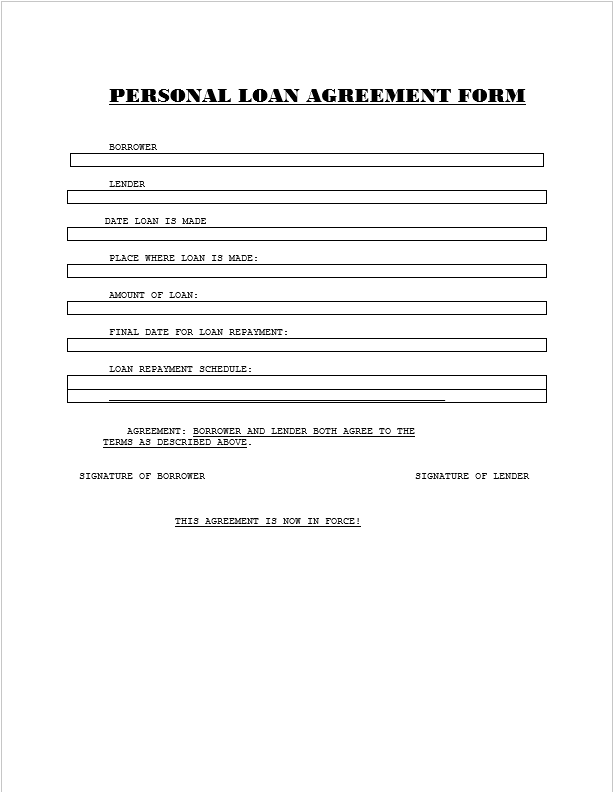
When it comes to borrowing money, a loan contract agreement plays a crucial role in outlining the terms and conditions of the loan. Essentially, a loan contract agreement is a legally binding document that specifies the details of the loan, including the amount borrowed, interest rate, repayment terms, and consequences of default.
In this article, we will delve into what a loan agreement contract entails, why it is important, the difference between a loan agreement and a mortgage, the roles of the lender and borrower, when a loan agreement becomes legally effective, and how to write a personal loan agreement.
What Is A Loan Agreement Contract?
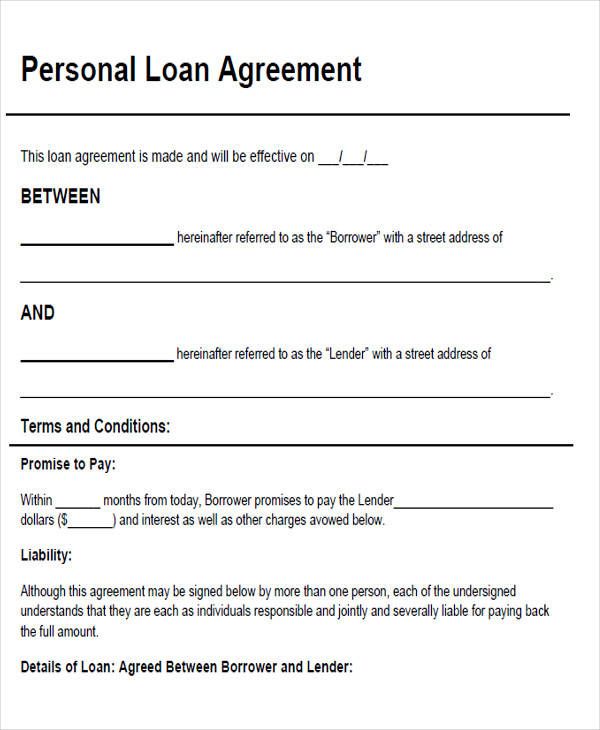
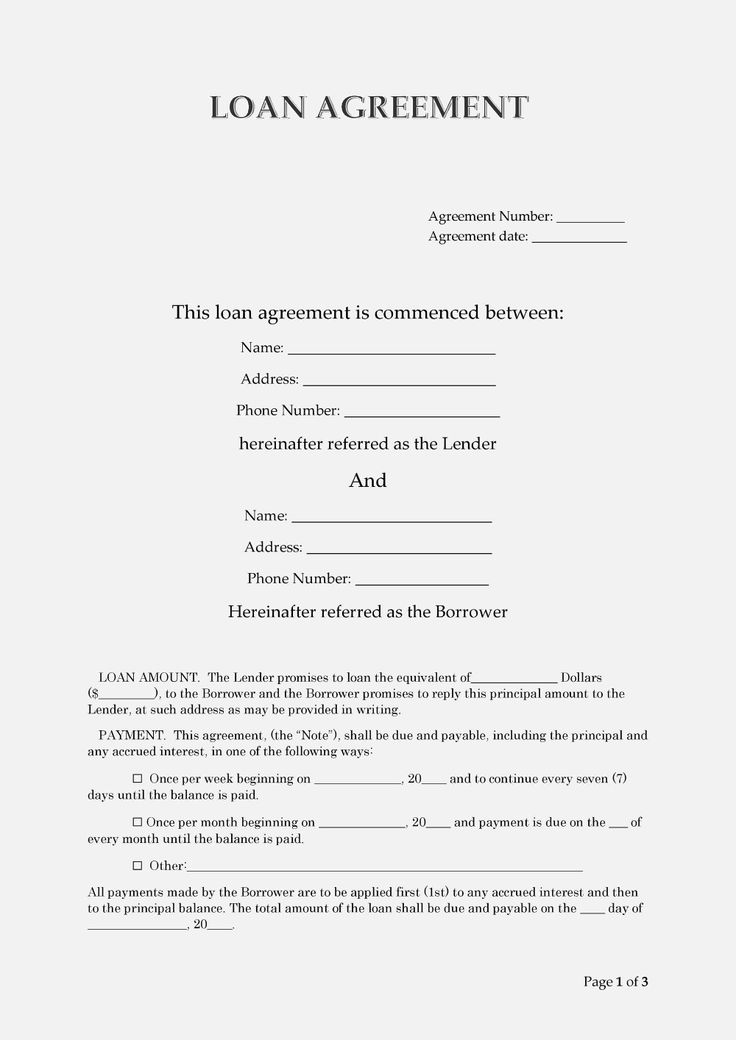
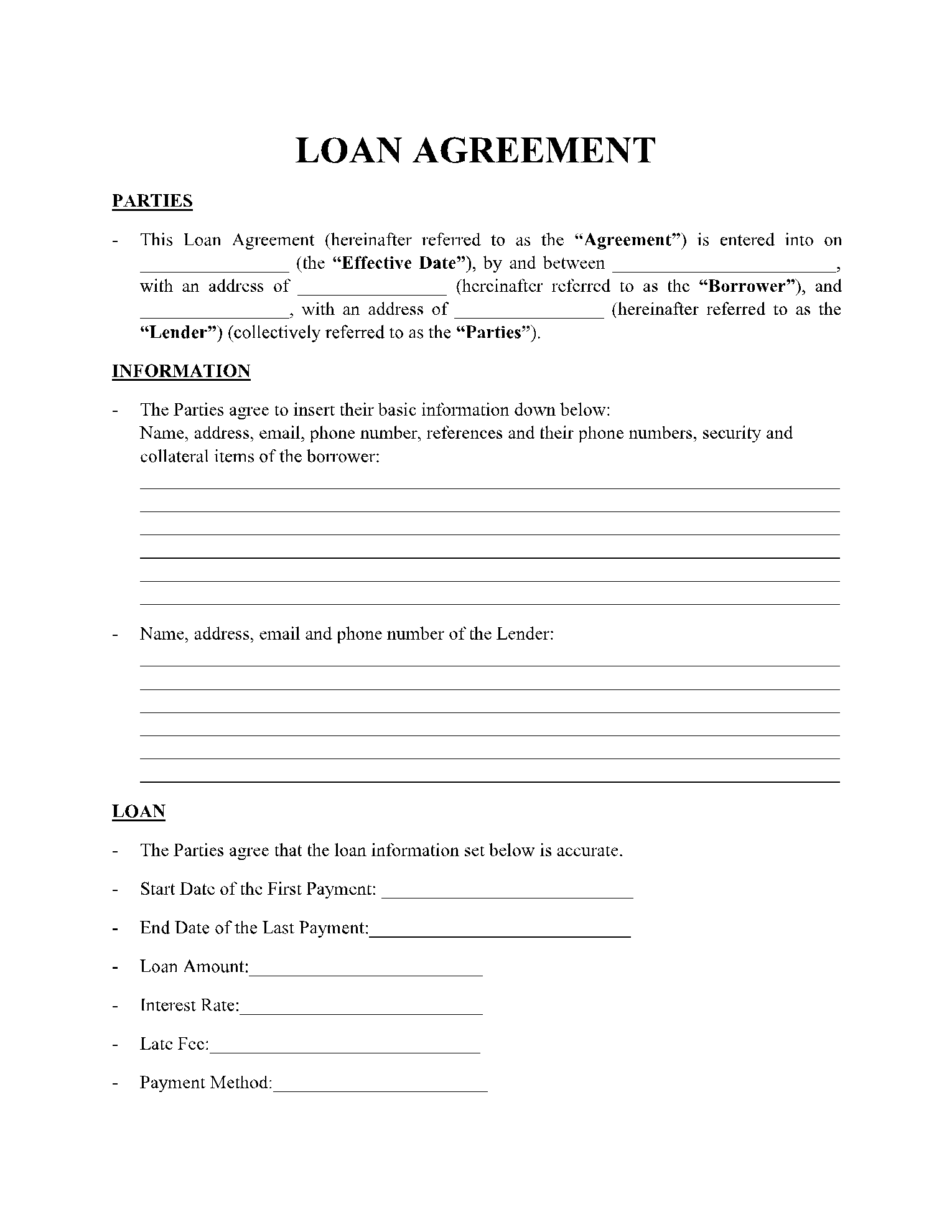
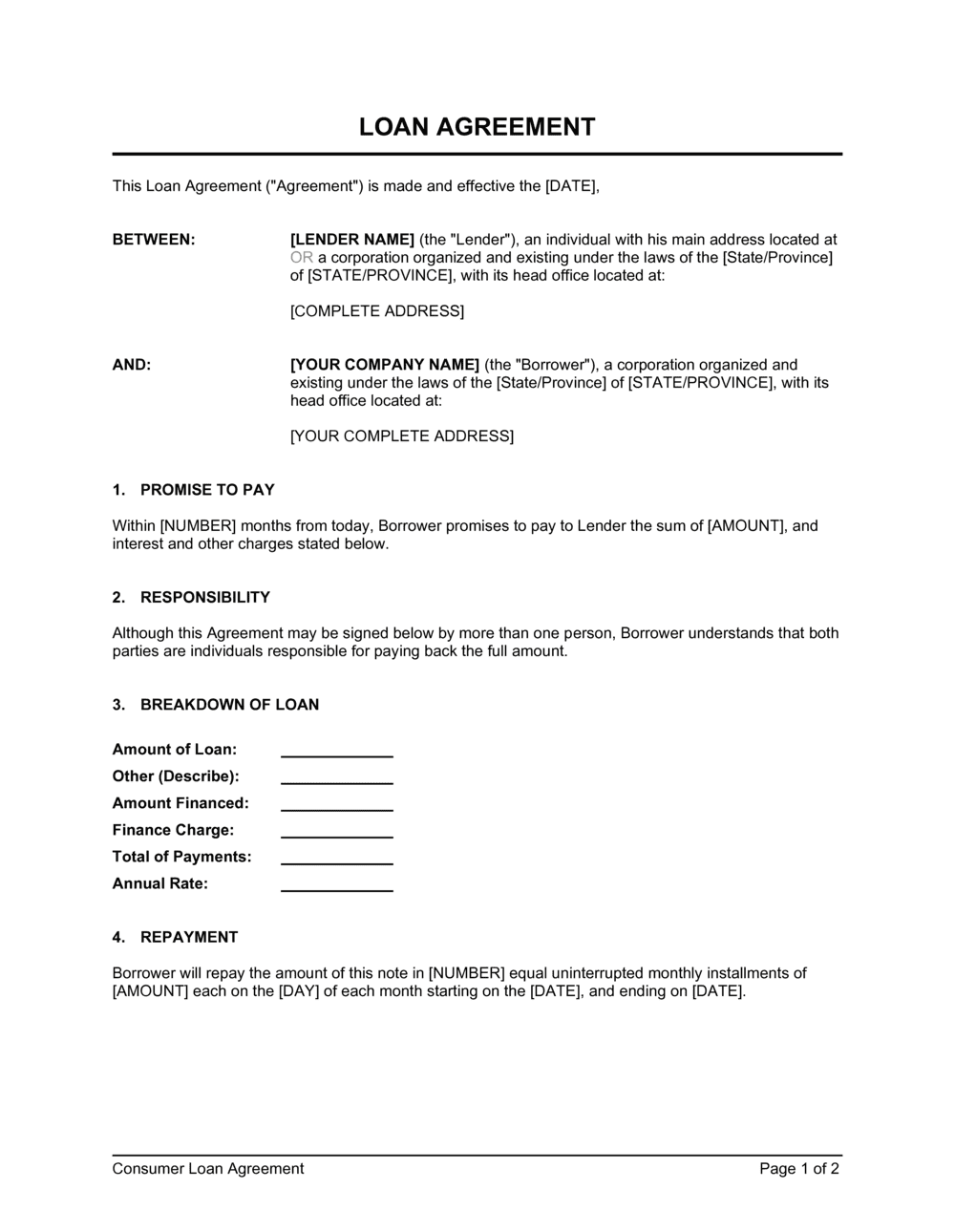
A loan agreement contract is a formal document that sets out the terms and conditions of a loan between a lender and a borrower. It includes important details such as the loan amount, interest rate, repayment schedule, and any collateral that may be required. This document serves as a legally binding agreement that protects both parties in the event of a dispute or default.
Why Is It Important?
A loan agreement contract is crucial for both the lender and the borrower as it helps to establish clear expectations and prevent misunderstandings. By outlining the terms of the loan in writing, both parties can refer back to the agreement if any issues arise. Additionally, a loan agreement contract can help protect the lender’s investment by providing legal recourse in the event of default.
Difference Between A Loan Agreement And A Mortgage
While both a loan agreement and a mortgage involve borrowing money, they serve different purposes. A loan agreement is a general agreement between a lender and a borrower that outlines the terms of the loan, including repayment terms and interest rates. On the other hand, a mortgage specifically pertains to a loan that is secured by real estate. In a mortgage agreement, the borrower uses the property as collateral to secure the loan.
The Role Of The Lender And Borrower
In a loan contract agreement, the lender is the party that provides the funds to the borrower, while the borrower is the party that receives the funds and agrees to repay the loan according to the terms specified in the agreement. The lender’s primary role is to provide the funds and collect repayments, while the borrower’s responsibility is to make timely payments and adhere to the terms of the agreement.
When Is A Loan Agreement Legally Effective?
A loan agreement becomes legally effective once both parties have signed the document and agreed to the terms outlined within. The agreement is enforceable in a court of law, and both parties are legally obligated to fulfill their respective obligations as detailed in the contract.
How To Write A Personal Loan Agreement
Writing a personal loan agreement can be a straightforward process if you follow these steps:
- Specify the parties involved: Clearly identify the lender and borrower in the agreement.
- Outline the loan terms: Include details such as the loan amount, interest rate, repayment schedule, and any late fees.
- Include provisions for default: Outline the consequences of default, including any penalties or legal actions that may be taken.
- Include any collateral: If the loan is secured by collateral, specify the details of the collateral in the agreement.
- Sign and date the agreement: Both parties should sign and date the agreement to make it legally binding.
- Consider consulting a legal professional: If you are unsure about any aspect of the agreement, it may be beneficial to seek legal advice.
- Keep a copy of the agreement: It is important for both parties to retain a copy of the signed agreement for their records.
In Conclusion
A loan contract agreement is a vital document that helps to protect both lenders and borrowers when entering into a loan agreement. By clearly outlining the terms and conditions of the loan, a loan agreement contract can help prevent misunderstandings and provide legal recourse in the event of default. Whether you are a lender or a borrower, it is essential to understand the importance of a loan agreement contract and ensure that all terms are agreed upon before proceeding with the loan.
