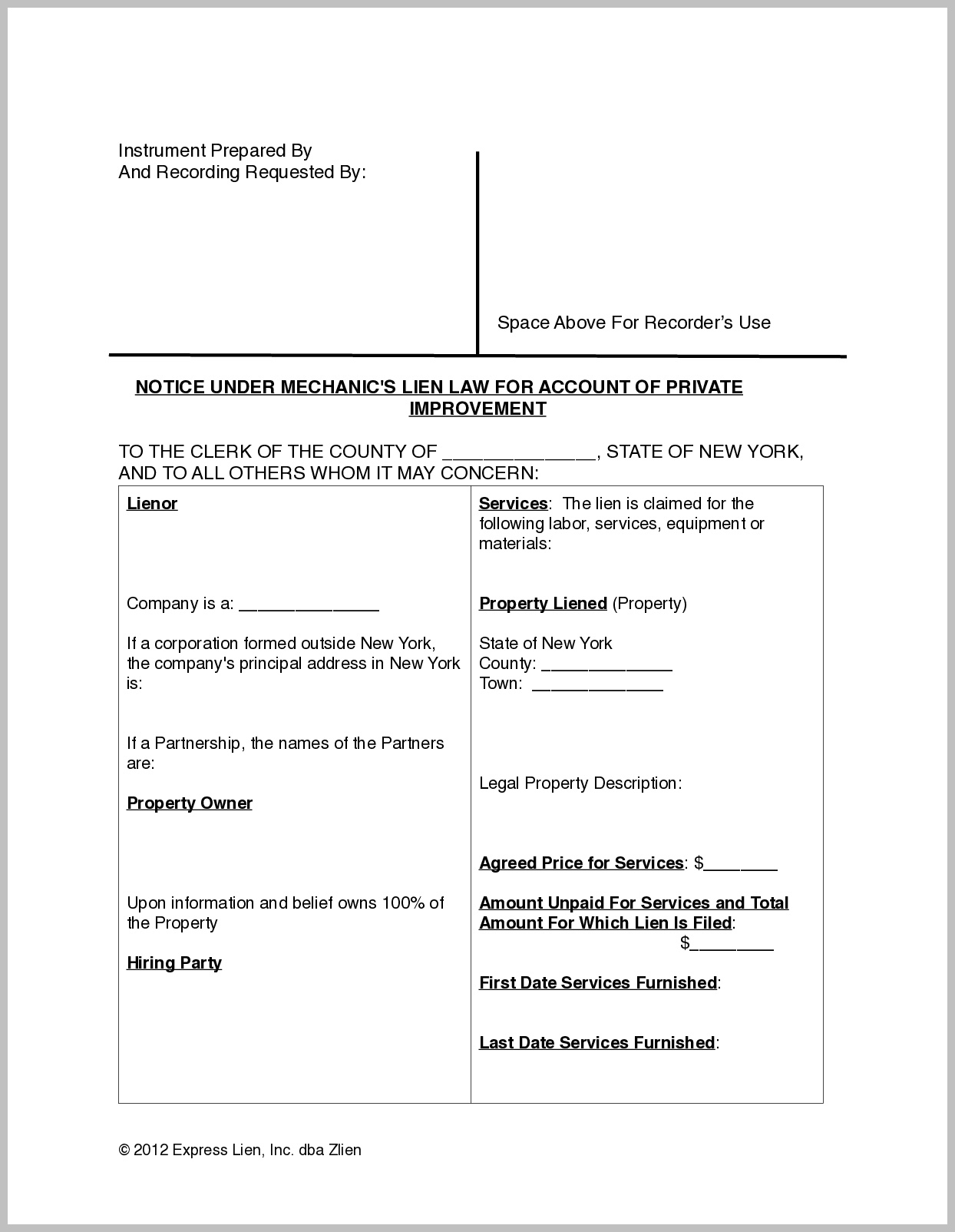
When it comes to construction projects, ensuring that you get paid for your hard work is crucial. This is where mechanics lien forms come into play. A mechanics lien form, also known as a construction lien, is a legal document that can be filed by contractors, subcontractors, suppliers, or laborers against a property to secure payment for work performed or materials supplied for its improvement. Its primary purpose is to create a “hold” on the property, preventing the owner from selling it without settling the outstanding debt.
What is a Mechanics Lien?
A mechanics lien is a powerful tool that allows contractors and other parties involved in a construction project to protect their right to payment. By filing a mechanics lien, these parties can make a claim against the property where the work was performed or the materials were supplied. This claim essentially acts as a security interest in the property, giving the lienholder the right to foreclose on the property if the debt is not paid.
Why Mechanic’s Liens Are Allowed?
Mechanic’s liens are allowed to provide protection to contractors, subcontractors, suppliers, and laborers who may otherwise be at risk of not getting paid for their work. By allowing these parties to file a mechanics lien, it helps ensure that they have a way to collect payment for the services or materials they provided.
How Mechanic’s Lien Law Works
The mechanics lien law varies by state, but generally, in order to file a mechanics lien, the party must follow specific procedures and deadlines. This may include providing notice to the property owner, filing the lien with the county recorder’s office, and serving a copy of the lien on the property owner. Once the lien is filed, it creates a cloud on the title of the property, making it difficult for the owner to sell or refinance the property without first resolving the lien.
Items That Can Be Included in the Amount of a Lien
When filing a mechanics lien, the amount that can be included in the lien typically covers the costs of labor, materials, equipment rental, and other expenses directly related to the improvement of the property. It may also include interest, attorney’s fees, and other costs associated with enforcing the lien.
- Labor Costs. This includes the wages of workers who performed the work on the property.
- Material Costs. This covers the expenses for materials used in the construction or renovation of the property.
- Equipment Rental. If equipment was rented for the project, the costs can be included in the lien amount.
- Other Expenses. Any other direct expenses incurred in the improvement of the property can also be included.
Examples
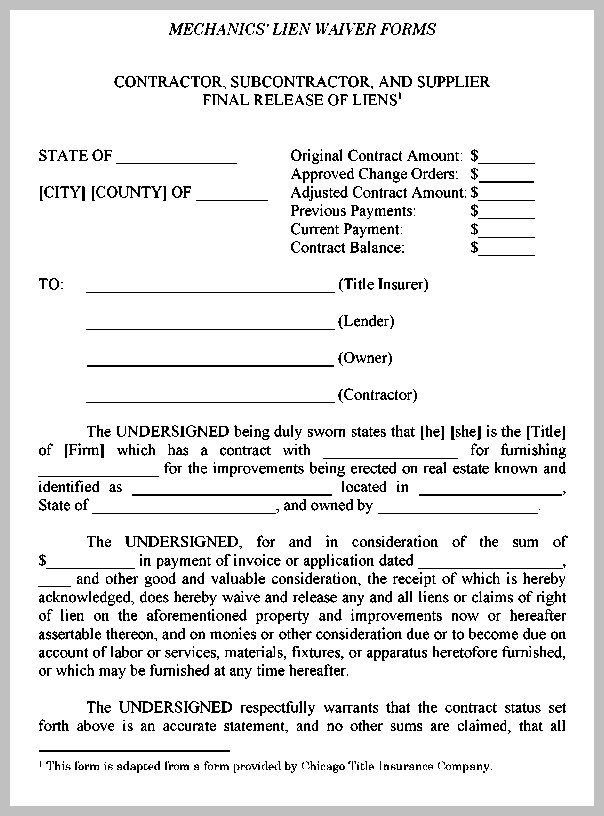
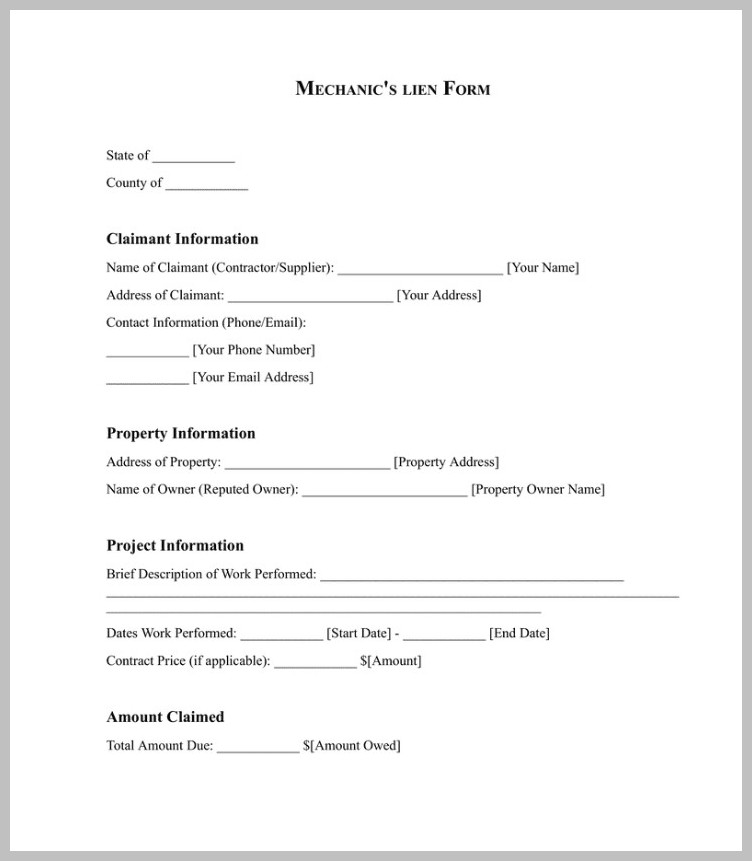
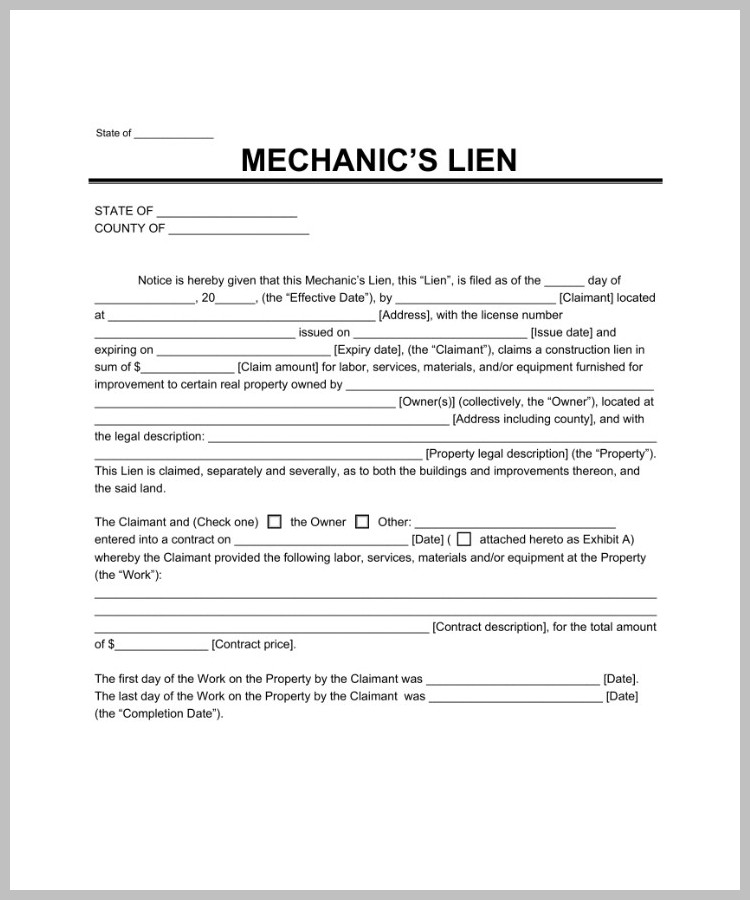
What happens when a lien is filed against your property?
When a mechanics lien is filed against a property, it can have serious consequences for the property owner. The owner may not be able to sell or refinance the property until the lien is resolved. If the debt is not paid, the lienholder may have the right to foreclose on the property, forcing a sale to recover the amount owed.
Avoiding Mechanic’s Liens
There are several steps that property owners can take to avoid mechanics liens. One of the most important things is to always pay contractors and suppliers on time and in full. It’s also crucial to keep detailed records of all payments and contracts related to the construction project. By staying organized and proactive, property owners can minimize the risk of having a mechanics lien filed against their property.
