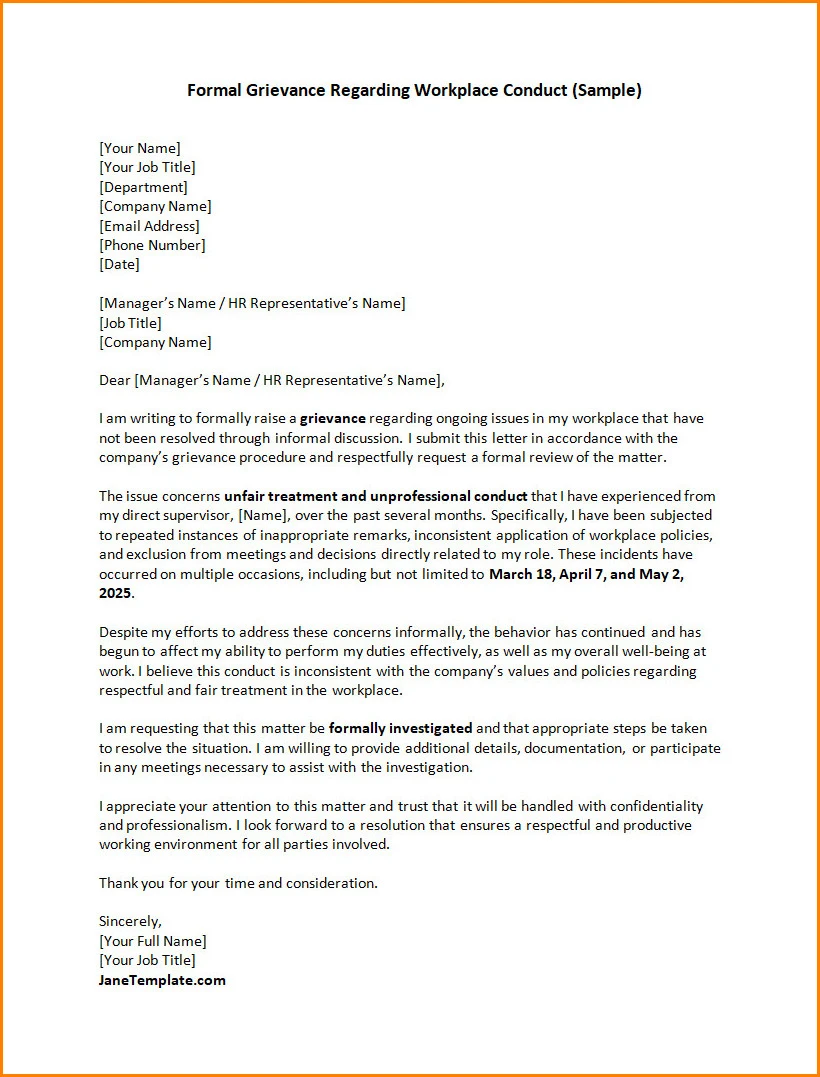
What is a Grievance Letter?
A grievance letter is a formal document that employees can use to communicate serious workplace complaints to their employer. It serves as a formal record of an employee’s concerns and triggers a formal investigation and resolution process.
The purpose of a grievance letter is to bring attention to issues such as unfair treatment, harassment, discrimination, or other serious problems within the workplace.
Why Should You Consider Writing a Grievance Letter?
There are several reasons why an employee may choose to write a grievance letter.
Ensuring Accountability
One of the primary reasons employees may choose to write a grievance letter is to hold their employer accountable for addressing workplace issues. By documenting their concerns in writing, employees create a formal record of the problems they are facing and ensure that they are not ignored or dismissed. This can help encourage employers to take action and address the issues in a timely and appropriate manner.
Seeking Resolution
Another key reason for writing a grievance letter is to seek a resolution to the problems being faced in the workplace. By formally documenting the issues and outlining the desired outcome, employees can make it clear to their employer what steps need to be taken to address the concerns. This can help facilitate a more effective resolution process by providing a clear roadmap for how the issues should be handled.
Protecting Legal Rights
From a legal standpoint, writing a grievance letter can help protect the employee’s legal rights in case of further disputes or legal action. By following the formal grievance process outlined in the company’s policies, employees can ensure that their complaints are handled according to established procedures and that they have a record of their attempts to address the issues internally. This documentation can be crucial if the situation escalates and legal action becomes necessary.
Showing Commitment to Resolution
Submitting a grievance letter also demonstrates to the employer that the employee is committed to addressing the problems they are facing in the workplace. By taking the time to draft a formal complaint and follow the grievance process, employees show that they are serious about seeking resolution and are willing to work through the appropriate channels to address the issues. This level of commitment can help encourage employers to take the complaints seriously and take appropriate action to resolve them.
Maintaining Professionalism
Writing a grievance letter can also help employees maintain professionalism while addressing workplace issues. By putting their complaints in writing clearly and concisely, employees can avoid misunderstandings or emotional reactions that may arise in verbal communication. This can help ensure that the concerns are taken seriously and that the focus remains on resolving the issues professionally and constructively.
Upholding Workplace Standards
Overall, writing a grievance letter is a way for employees to uphold workplace standards and ensure that their rights are protected in the workplace. By addressing issues through the formal grievance process, employees can help maintain a positive and respectful work environment for themselves and their colleagues. It allows employees to hold employers accountable for addressing problems and helps contribute to a culture of transparency and accountability in the workplace.
What to Include in a Grievance Letter?
When drafting a grievance letter, it is important to include specific details about the issues you are facing and how they are impacting you.
Details of the Issue
One of the most important elements to include in a grievance letter is a detailed description of the problem you are facing in the workplace. Be specific about the behavior or actions that have led you to file a grievance and provide examples to support your claims. Include relevant details such as dates, times, locations, and any other pertinent information that can help demonstrate the seriousness of the issue.
Impact on You
It is also important to explain how the issues you are facing are impacting you personally and professionally. Describe the emotional, physical, or psychological effects of the problem on your well-being and performance at work. By outlining the impact of the issue, you can help the employer understand why it is important to address the problem and how it is affecting your ability to work effectively.
Previous Steps Taken
Detail any attempts you have made to address the issue informally before resorting to filing a formal grievance. This could include speaking with your supervisor, HR department, or other appropriate parties about your concerns. Explain why these informal attempts were unsuccessful or insufficient in resolving the problem and why you believe a formal grievance is necessary to address the issue effectively.
Desired Outcome
Clearly state what resolution you are seeking by filing the grievance. Outline the specific actions you would like the employer to take to address the problem and prevent it from recurring in the future. Be realistic in your expectations and focus on concrete steps that can be taken to resolve the issue, such as training, policy changes, disciplinary action, or other appropriate measures.
Evidence and Documentation
When drafting a grievance letter, it is important to include any evidence or documentation that supports your claims. This could include emails, messages, memos, witness statements, or other relevant materials that demonstrate the validity of your concerns. By providing concrete evidence to back up your claims, you strengthen your case and increase the likelihood that your grievance will be taken seriously and investigated thoroughly.
Professional Tone
Throughout the grievance letter, maintain a professional and respectful tone. Avoid using inflammatory language, making personal attacks, or venting emotions in the letter. Instead, focus on presenting the facts of the situation in a clear, rational, and objective manner. This will help ensure that your concerns are taken seriously and that the focus remains on resolving the issues constructively and professionally.
How to Draft a Grievance Letter
When drafting a grievance letter, it is important to be clear, concise, and professional.
Addressing the Letter
Begin by addressing the letter to the appropriate person or department within your organization. This could be your immediate supervisor, HR manager, or another designated individual responsible for handling grievances. Make sure to use the correct name and title of the recipient to ensure that your letter reaches the right person and is taken seriously.
Introduction
Start the letter with a brief introduction that clearly states the purpose of the communication. Let the recipient know that you are submitting a formal grievance letter to address specific concerns you have regarding your workplace situation. Provide a concise overview of the issues you will be addressing in the letter to set the stage for the rest of the document.
Description of the Issues
The body of the grievance letter should provide a detailed description of the problems you are facing in the workplace. Be specific about the incidents, behavior, or actions that have led you to file a grievance. Use clear and factual language to describe the issues, providing examples and evidence to support your claims. Avoid making assumptions or accusations without concrete evidence to back them up.
Impact on You
Explain how the issues you are facing are impacting you personally and professionally. Describe the emotional, physical, or psychological effects of the problem on your well-being and job performance. Help the recipient understand the seriousness of the situation by outlining the negative consequences you are experiencing as a result of the workplace issues.
Previous Attempts at Resolution
Detail any previous attempts you have made to address the issues informally within the organization. This could include conversations with your supervisor, HR department, or other relevant parties about your concerns. Explain why these informal attempts were unsuccessful or insufficient in resolving the problems, leading you to escalate the issue by filing a formal grievance.
Desired Outcome
Clearly state what outcome you are seeking by filing the grievance. Outline the specific actions you would like the employer to take to address the issues and prevent them from recurring in the future. Be specific about the changes you believe are necessary to resolve the problems and improve the workplace environment for yourself and potentially other employees who may be affected.
Conclusion
Wrap up the grievance letter with a concise conclusion that summarizes your main points and reiterates the outcome you are seeking. Thank the recipient for their attention to the matter and express your hope for a timely and appropriate resolution to the issues you have raised. Provide your contact information in case the recipient needs to follow up with you for more information or clarification.
Tips for Successful Grievance Letters
Writing a successful grievance letter can be a challenging task, but there are several tips that can help ensure your letter is effective.
Prepare Thoroughly
Before writing your grievance letter, take the time to gather all the necessary information and evidence to support your claims. This could include emails, messages, witness statements, or other documentation that demonstrates the validity of your concerns. Thorough preparation will help you make a compelling case and increase the likelihood that your grievance will be taken seriously.
Be Concise and Clear
When drafting your grievance letter, focus on presenting your concerns in a clear, concise, and structured manner. Avoid vague language or unnecessary details that may detract from the main points you are trying to convey. Stick to the facts of the situation and provide specific examples to support your claims.
Avoid Emotional Language
While it is important to convey the impact of the issues you are facing, try to avoid using emotional language or making personal attacks in your grievance letter. Keep your tone professional and objective, focusing on the facts of the situation rather than venting emotions or frustrations. This will help ensure that your concerns are taken seriously and addressed appropriately.
Follow Up
After submitting your grievance letter, be sure to follow up with the recipient to ensure that your concerns are being addressed. Keep track of any responses or actions taken by your employer in response to your grievance. If necessary, schedule a meeting or follow-up communication to discuss the progress of the resolution process and seek clarification on any next steps.
Seek Support
If you are unsure about how to draft a grievance letter or need assistance in navigating the formal process, consider seeking support from a trusted colleague, HR representative, or legal advisor. They can provide guidance on how to effectively communicate your concerns and ensure that your rights are protected throughout the grievance process.
Document Everything
Throughout the grievance process, be sure to document everything related to your complaint, including the initial grievance letter, any responses or actions taken by your employer, and any subsequent communications. Keeping thorough records will help you track the progress of your complaint and provide evidence in case further disputes or legal action arise.
Free Grievance Letter Template
A Grievance Letter helps you formally and professionally communicate concerns or complaints in the workplace or another setting. It provides a clear structure for explaining the issue, outlining relevant facts, and requesting resolution while maintaining a respectful tone. With a well-designed template, you can ensure your concerns are documented clearly and addressed appropriately.
Download our Grievance Letter Template today to express concerns clearly and pursue resolution with confidence.
Grievance Letter Template – DOWNLOAD
