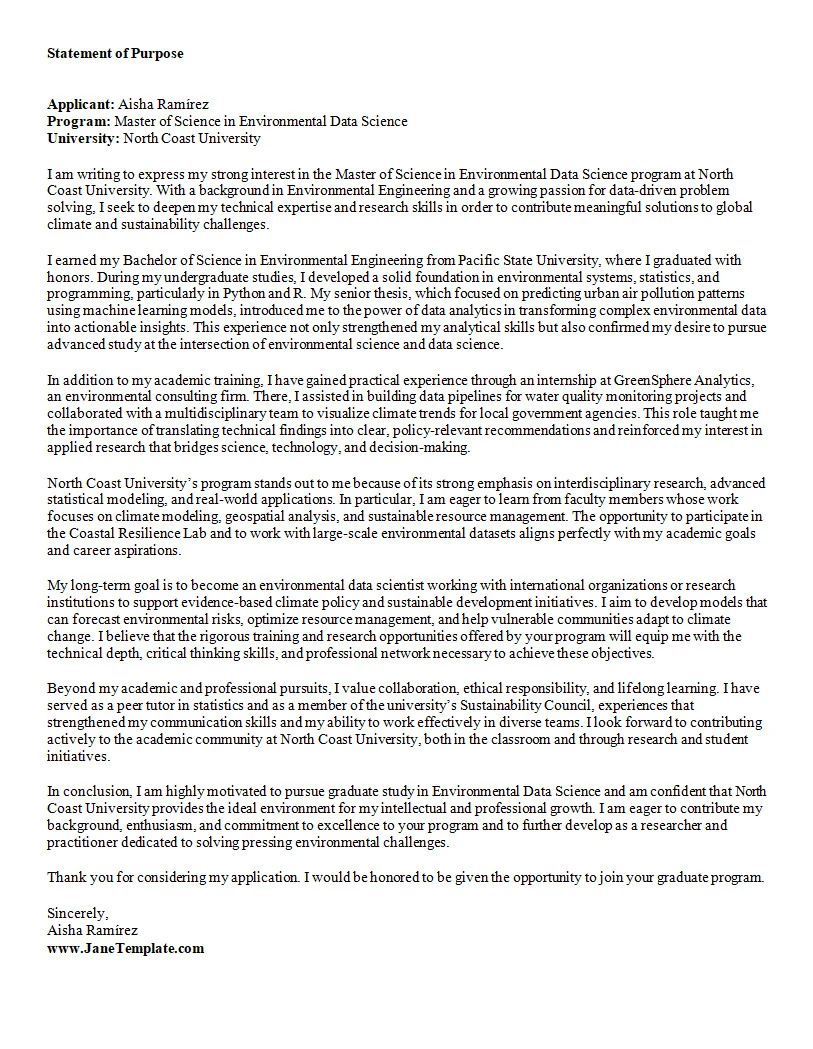
As you embark on your journey towards higher education, one of the most crucial components of your application is the graduate letter of intent.
Also known as a statement of purpose or personal statement, this document serves as a powerful tool for applicants to express their interest, qualifications, and goals for pursuing a graduate degree. It’s not just another piece of paperwork; it’s your chance to showcase your unique strengths and convince the admissions committee that you are the perfect fit for their program.
What is a Graduate Letter of Intent?
A graduate letter of intent is a personalized statement that allows you to articulate your reasons for applying to a specific graduate program. It goes beyond your academic qualifications and test scores by providing insight into your background, experiences, and aspirations.
This document serves as a reflection of who you are as a person and a professional, giving the admissions committee a glimpse into your motivations and goals.
Why is the Graduate Letter of Intent Important?
The graduate letter of intent plays a crucial role in the admissions process for graduate programs. It allows you to differentiate yourself from other applicants and showcase your unique qualities. By highlighting your passion for the field of study, your relevant experiences, and your future goals, you can make a compelling case for why you are the best candidate for the program.
This document helps the admissions committee understand your motivations and assess your suitability for their program.
Key Elements of a Successful Graduate Letter of Intent
When crafting your graduate letter of intent, there are several key elements to keep in mind to ensure its effectiveness:
- Introduction. Begin with a strong opening that grabs the reader’s attention and clearly states your purpose for applying to the program.
- Background and Experiences. Provide a brief overview of your academic background, relevant experiences, and accomplishments that have led you to pursue a graduate degree.
- Goals and Aspirations. Clearly articulate your short-term and long-term goals, and explain how the program will help you achieve them.
- Fit with the Program. Demonstrate your knowledge of the program and explain why it is the perfect fit for your academic and career aspirations.
- Unique Qualities. Highlight your unique strengths, skills, and qualities that set you apart from other applicants.
- Conclusion. Wrap up your letter with a strong closing that reinforces your interest in the program and leaves a lasting impression on the admissions committee.
How to Write an Impressive Graduate Letter of Intent
Writing a compelling graduate letter of intent requires careful planning and attention to detail. Here are some tips to help you craft an impressive statement:
- Research the Program. Take the time to thoroughly research the program and familiarize yourself with its curriculum, faculty, and research opportunities.
- Show Your Passion. Clearly convey your passion for the field of study and explain why you are motivated to pursue a graduate degree in this area.
- Be Specific. Provide specific examples and details to support your claims and demonstrate your qualifications.
- Proofread and Edit. Take the time to carefully proofread and edit your letter to ensure it is free of errors and conveys your message effectively.
- Seek Feedback. Ask for feedback from professors, mentors, or peers to get valuable insights and suggestions for improvement.
Tips for Success
Here are some additional tips to help you make your graduate letter of intent stand out:
- Be Authentic. Be true to yourself and let your personality shine through in your writing.
- Stay Focused. Keep your letter focused and to the point, highlighting the most important aspects of your candidacy.
- Tailor Your Letter. Customize your letter for each program you apply to, highlighting why you are a great fit for that specific program.
Conclusion
Your graduate letter of intent is your opportunity to make a strong impression on the admissions committee and showcase your qualifications and motivations for pursuing a graduate degree. By following these tips and guidelines, you can craft a compelling statement that sets you apart from other applicants and increases your chances of being accepted into your desired program. Remember, your letter of intent is your key to success – make it count!
Graduate Letter of Intent Template – DOWNLOAD
