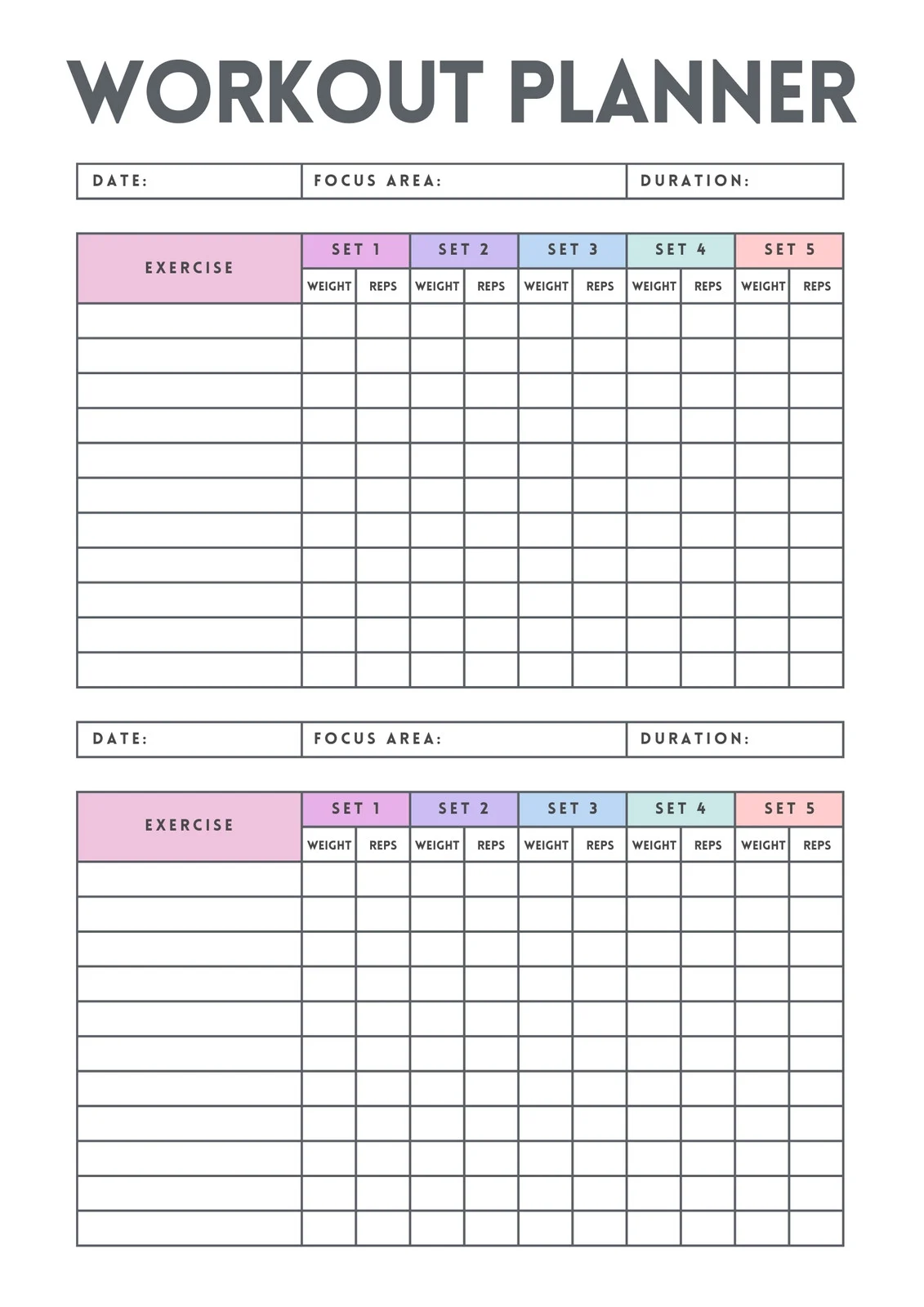
Setting fitness goals is the easy part, but actually achieving them can be a whole different story. This is where a fitness planner comes into play, acting as a valuable tool to help individuals stay on track, stay motivated, and ultimately succeed in reaching their desired fitness outcomes.
In this comprehensive guide, we will delve into the world of fitness planners, exploring their purpose, key elements, and how to effectively utilize them to maximize your progress.
What is a Fitness Planner?
A fitness planner is a tool designed to assist individuals in setting and tracking their fitness goals. It serves as a roadmap for workouts, providing a structured framework for planning exercise routines, tracking progress, and staying accountable.
By utilizing a fitness planner, individuals can identify what is working well and what areas may need improvement, ultimately helping them stay on course towards their objectives.
Why Use a Fitness Planner?
There are several benefits to using a fitness planner to aid in achieving your fitness goals. Some of the key advantages include:
- Organization: A fitness planner helps you stay organized by planning out your workouts in advance.
- Accountability: By tracking your progress and achievements, a fitness planner holds you accountable to yourself.
- Motivation: Seeing your progress and achievements documented can be a powerful motivator to keep going.
- Identification of trends: A fitness planner allows you to identify patterns in your training, helping you understand what works best for you.
Key Elements of a Fitness Planner
When creating or using a fitness planner, there are several key elements to consider to ensure its effectiveness:
- Goal Setting: Clearly define your fitness goals, whether it’s weight loss, muscle gain, or improved endurance.
- Workout Plan: Develop a structured workout plan that aligns with your goals and schedule.
- Progress Tracking: Record your workouts, track your progress, and measure your achievements over time.
- Nutrition Tracking: Monitor your food intake to ensure you are fueling your body properly for your workouts.
- Reflection: Reflect on your performance, identify areas for improvement, and make adjustments to your plan as needed.
How to Use a Fitness Planner
Utilizing a fitness planner effectively involves the following steps:
1. Set Clear and Measurable Goals
Define specific, achievable, and time-bound fitness goals that you can track and measure.
2. Create a Workout Plan
Develop a workout plan that includes a variety of exercises targeting different muscle groups and incorporates cardio and strength training.
3. Track Your Progress
Record your workouts, sets, reps, weight lifted, and any other relevant metrics to monitor your progress over time.
4. Monitor Your Nutrition
Keep track of your food intake, ensuring you are consuming the right balance of macronutrients to support your fitness goals.
5. Reflect and Adjust
Regularly review your progress, identify what is working well and what needs improvement, and make adjustments to your plan accordingly.
6. Stay Consistent
Consistency is key to achieving your fitness goals. Use your fitness planner to stay committed to your workout schedule and nutrition plan.
7. Celebrate Your Achievements
Don’t forget to celebrate your accomplishments, no matter how small. Acknowledging your progress can help keep you motivated and focused on your goals.
8. Seek Support and Accountability
Share your fitness planner with a friend, trainer, or online community to hold yourself accountable and stay motivated on your fitness journey.
Tips for Successful Fitness Planning
To make the most out of your fitness planner, consider the following tips:
- Stay Consistent: Stick to your workout schedule and nutrition plan to see results.
- Be Flexible: Allow for adjustments to your plan as needed based on your progress and feedback from your body.
- Listen to Your Body: Pay attention to how your body responds to workouts and adjust accordingly to prevent injuries.
- Stay Motivated: Keep your goals in sight, track your progress, and celebrate your achievements to stay motivated.
- Stay Accountable: Share your fitness planner with someone who can provide support and hold you accountable.
- Enjoy the Process: Remember that fitness is a journey, not a destination. Enjoy the process and celebrate your progress along the way.
By incorporating a fitness planner into your routine and following these guidelines, you can enhance your chances of achieving your fitness goals and maintaining a healthy lifestyle in the long run.
So, grab your fitness planner, set your goals, and embark on your fitness journey today!
Fitness Planner Template – Free Download
