When it comes to running a successful business, clear communication and transparency are key elements to building trust with clients. One way to achieve this is through the use of itemized invoices, which provide a detailed breakdown of all charges for goods or services rendered. This level of detail not only helps minimize confusion and disputes but also simplifies the reimbursement and tax-deduction process for clients. In addition, itemized invoices serve as a professional record that benefits both the business and its clients.
Let’s explore the significance of itemized invoices in more detail.
What is an Itemized Invoice?
An itemized invoice is a document that provides a detailed breakdown of all charges associated with a particular transaction. Instead of lumping all costs together, an itemized invoice lists each product or service provided, along with its corresponding price.
This level of detail helps clients understand exactly what they are being charged for and ensures transparency in the billing process.
Why Use Itemized Invoices?
There are several reasons why businesses and clients should opt for itemized invoices:
Enhanced Transparency
Itemized invoices promote transparency by breaking down all charges and expenses associated with a transaction. Clients can see exactly what they are paying for, which builds trust and credibility between the business and the customer. Transparency is essential for maintaining strong relationships and fostering repeat business.
Dispute Prevention
By providing a detailed breakdown of all charges, itemized invoices help prevent payment disputes and misunderstandings. Clients are less likely to question or challenge an invoice when each charge is clearly explained and justified. This can save time and effort for both the business and the client, leading to smoother transactions.
Facilitates Reimbursement and Tax Deductions
Itemized invoices make it easier for clients to track expenses for reimbursement or tax deduction purposes. By clearly listing each charge and providing a comprehensive breakdown, clients can easily identify eligible expenses for reimbursement from employers or tax deductions on their yearly tax returns. This simplifies the financial aspect of doing business.
Showcases Professionalism
Providing itemized invoices demonstrates professionalism and attention to detail on the part of the business. It shows that the business values transparency and strives to maintain clear and open communication with clients. Professionalism is not only important for customer perception but also for building credibility and trust in the marketplace.
Key Elements of an Itemized Invoice
When creating an itemized invoice, it’s important to include the following key elements:
Business Information
Include your company name, address, contact information, and logo (if applicable). This information helps identify the business and provides clients with the necessary details to contact you if needed. The business information section is typically located at the top of the invoice for easy reference.
Client Information
Include the client’s name, address, and contact information on the invoice. This ensures that the invoice is addressed to the correct recipient and helps avoid any confusion or miscommunication. Including client information also allows for easy tracking and reference in case of follow-up inquiries or payments.
Invoice Number and Date
Assign a unique invoice number to each transaction and include the date of issue on the invoice. The invoice number helps both the business and the client track the transaction, while the date of issue provides a reference point for the billing period. Including these details ensures accuracy and organization in the invoicing process.
Itemized List
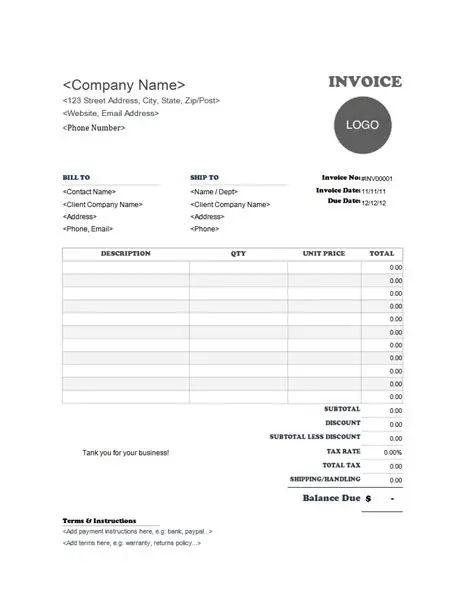
Provide a detailed breakdown of all goods or services provided, including quantities and prices. Each line item should clearly specify the product or service rendered, the quantity or hours involved, the unit price, and the total cost for that item. This level of detail helps clients understand what they are being charged for and promotes transparency in the billing process.
Total Amount Due
Calculate the total amount owed by summing up all individual charges on the invoice. Include any applicable taxes, discounts, or fees to arrive at the final total amount due. Clearly state the total amount at the bottom of the invoice to make it easy for clients to identify the overall cost of the transaction and facilitate timely payments.
Payment Terms
Specify the payment terms on the invoice, including the due date and accepted payment methods. Clearly outline when payment is expected, whether it’s upon receipt, within a certain number of days, or by a specific deadline. Providing clear payment terms helps avoid confusion and ensures that clients know how and when to remit payment for the goods or services rendered.
Terms and Conditions
Include any relevant terms and conditions on the invoice to protect your business interests. This could include information about late payment fees, return policies, or other specific conditions related to the transaction. By outlining the terms and conditions upfront, you can set expectations with clients and mitigate any potential issues that may arise during the payment process.
Examples
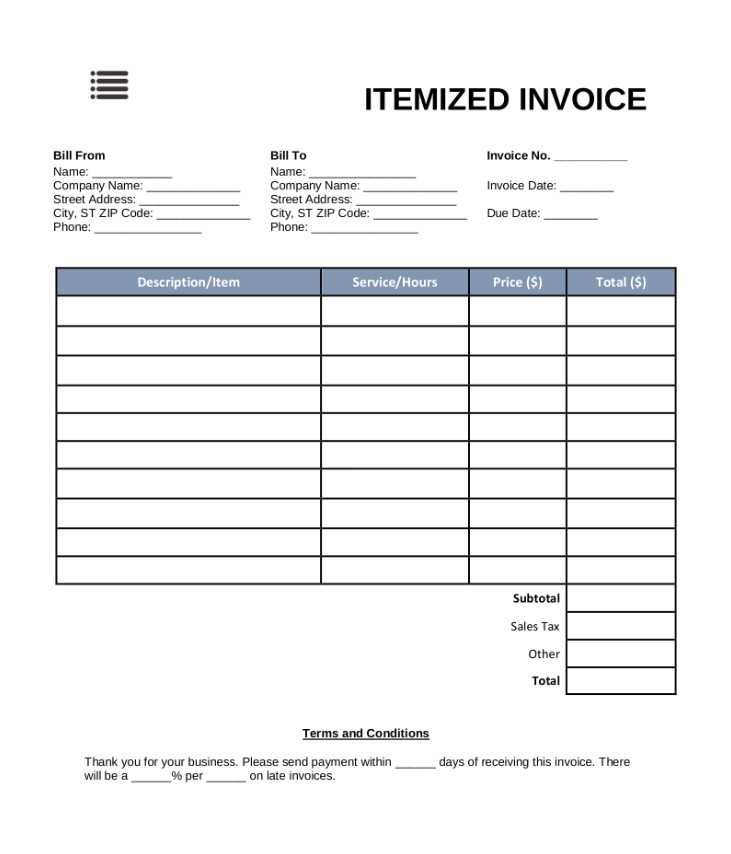
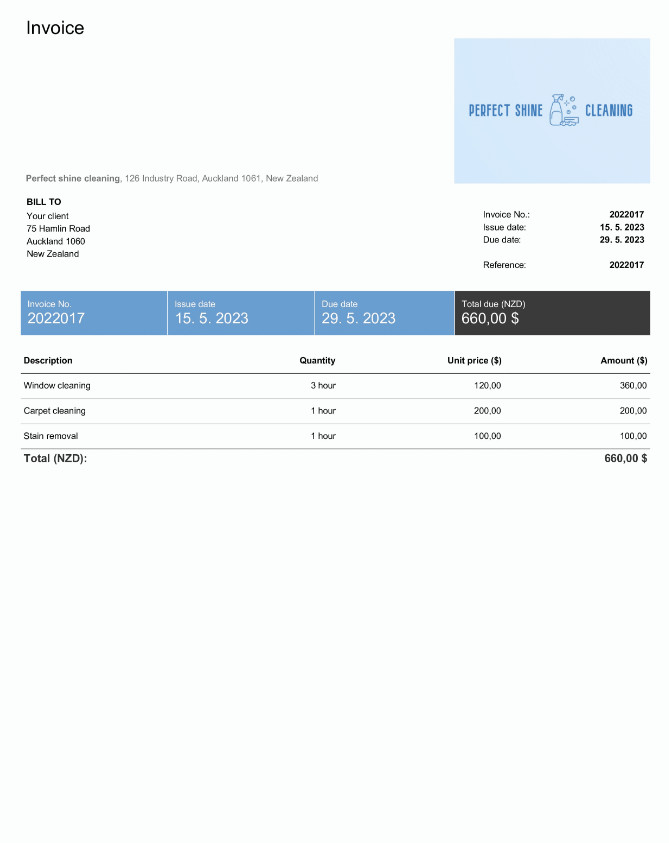
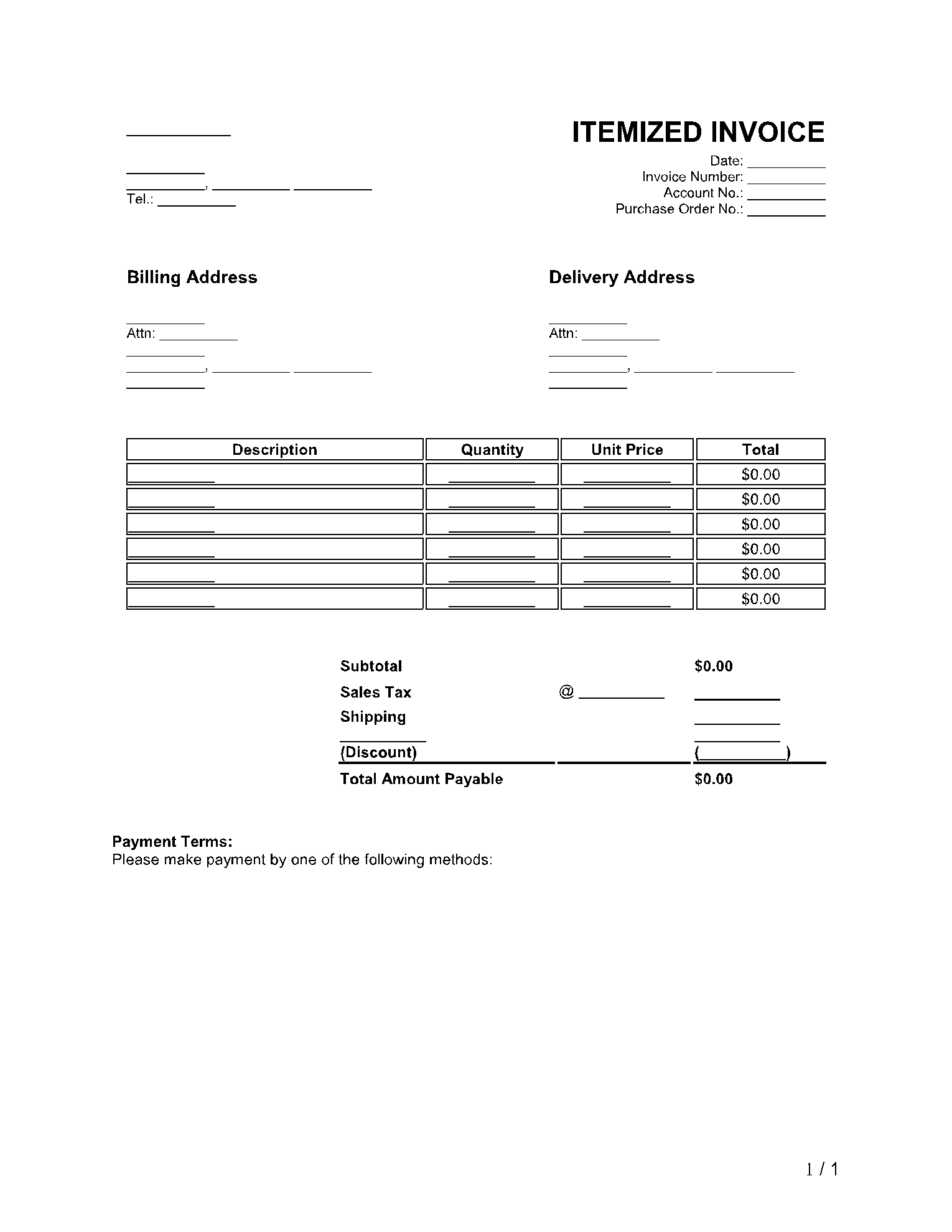
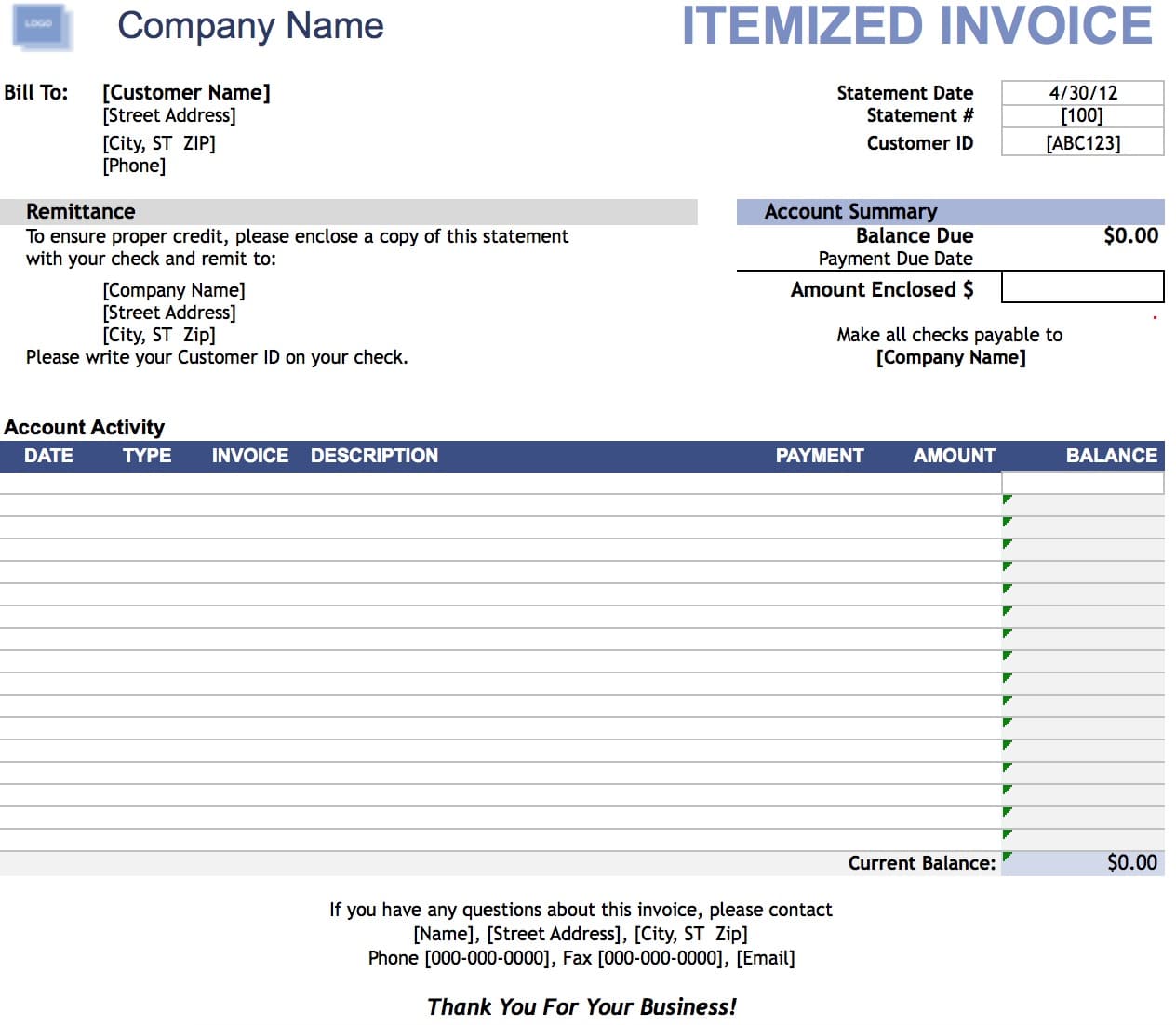
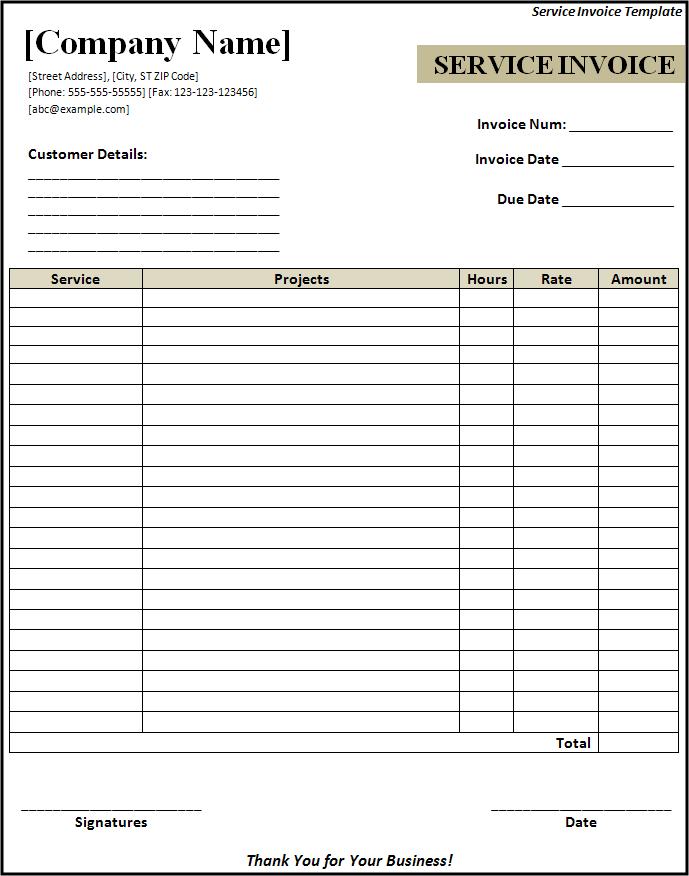
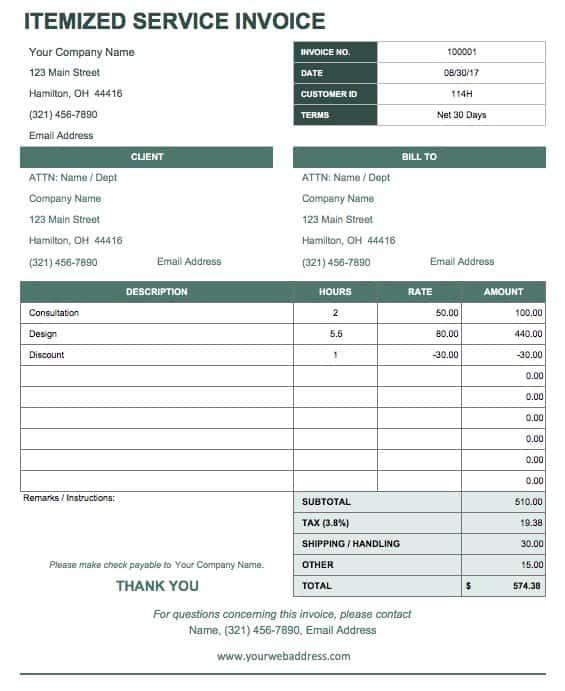
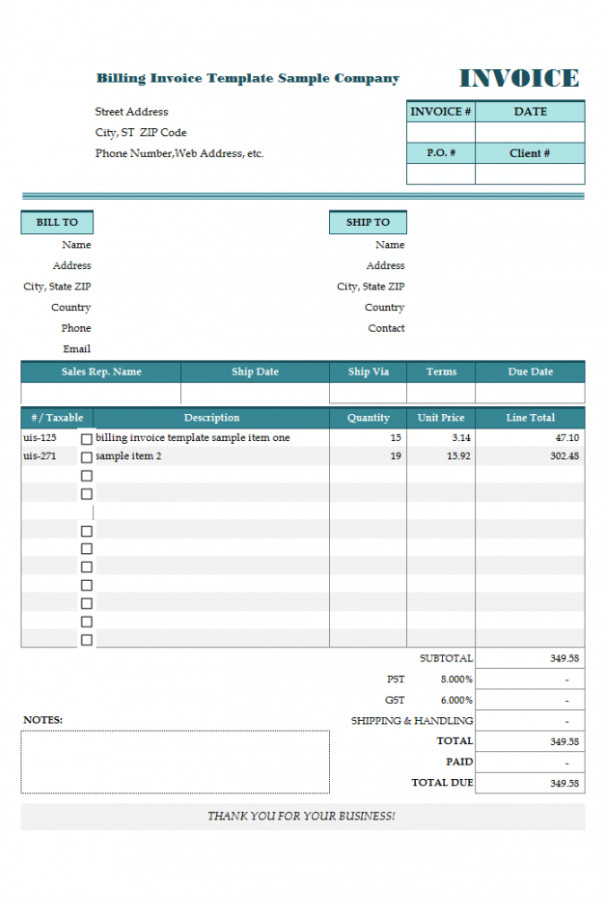
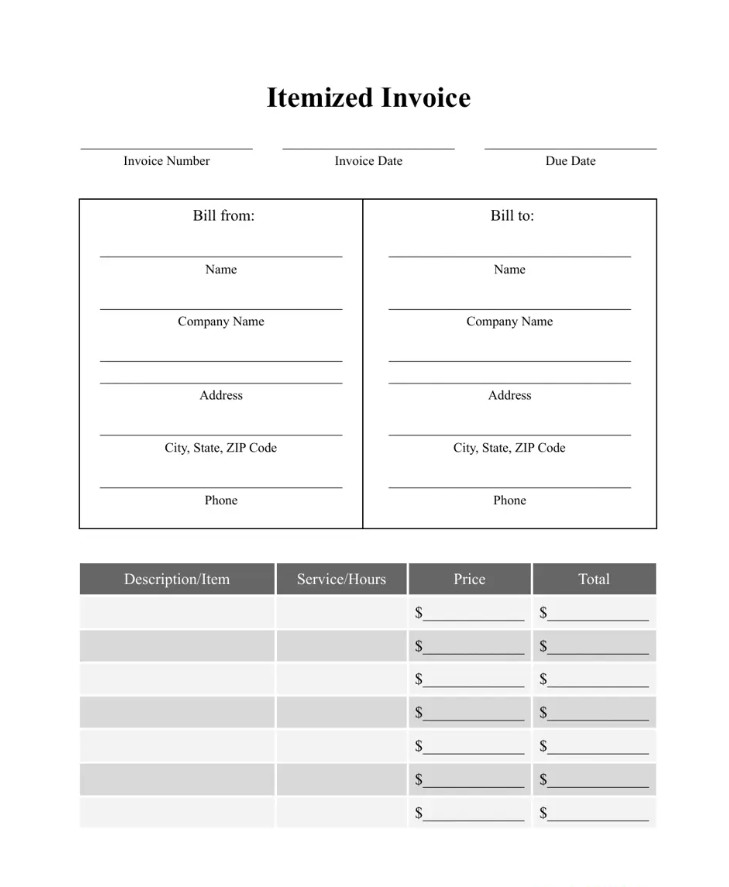
How to Create an Itemized Invoice
Creating an itemized invoice is a straightforward process that can be done manually or using accounting software. Follow these steps to create an itemized invoice:
Choose a Template
Select an itemized invoice template that suits your business needs and branding. Templates are available online or through accounting software programs, and they can help streamline the invoicing process by providing a pre-formatted layout for your business information, client details, and itemized list of charges.
Add Business and Client Information
Fill in your company details, including your business name, address, phone number, and email address. Include the client’s information, such as their name, company name (if applicable), address, and contact information. Double-check the accuracy of all information to ensure that the invoice is addressed correctly.
Include Invoice Number and Date
Assign a unique invoice number to the transaction and include the date of issue on the invoice. The invoice number helps both you and your client track the transaction, while the date of issue establishes the billing period. Consistent numbering and dating of invoices can help with organization and record-keeping.
List Goods or Services Provided
Provide a detailed breakdown of all products or services rendered in the itemized list section of the invoice. Include a description of each item, the quantity or hours involved, the unit price, and the total cost for each line item. Be thorough in your itemization to ensure that clients understand what they are paying for.
Calculate Total Amount Due
Sum up all charges listed in the itemized section to calculate the total amount due. Add any applicable taxes, discounts, or fees to arrive at the final amount owed by the client. Clearly state the total amount at the bottom of the invoice to make it easy for clients to identify the overall cost of the transaction.
Specify Payment Terms
Outline the payment terms on the invoice, including the payment due date and accepted payment methods. Clearly state when payment is expected, whether it’s upon receipt, within a certain number of days, or by a specific deadline. Providing clear payment terms helps facilitate timely payments and avoid misunderstandings.
Add Terms and Conditions
Include any relevant terms and conditions on the invoice to protect your business interests and set expectations with clients. This could include information about late payment penalties, return policies, or other specific conditions related to the transaction. Clearly outlining the terms and conditions can help prevent disputes and ensure a smooth payment process.
Tips for Successful Itemized Invoicing
To ensure efficient and effective itemized invoicing, consider the following tips:
Be Clear and Detailed
Provide a comprehensive breakdown of all charges in an organized and easy-to-understand format. Use clear descriptions, quantities, and prices for each item to avoid confusion and disputes with clients. Being detailed in your itemization can help build trust and credibility with your customers.
Use Consistent Formatting
Maintain a consistent layout and design for all itemized invoices to create a professional and cohesive brand image. Use the same font, colors, and spacing throughout your invoices to ensure a uniform appearance. Consistent formatting not only enhances the visual appeal of your invoices but also helps clients easily recognize and associate them with your business.
Send Invoices Promptly
Issue invoices in a timely manner to facilitate prompt payment from clients. Send invoices promptly after providing goods or services to ensure that clients are aware of their financial obligations. Prompt invoicing also demonstrates professionalism and efficiency on the part of the business, leading to faster payment turnaround times.
Follow Up on Overdue Payments
Monitor the status of your invoices and follow up on any overdue payments promptly. Send polite reminders to clients who have not yet paid their invoices to encourage timely payment. Clearly communicate the consequences of late payments, such as late fees or collections, to motivate clients to settle their outstanding balances quickly.
Store Invoices Securely
Keep digital copies of all itemized invoices for secure storage and easy accessibility. Store invoices in a centralized location, either on a secure server or cloud storage, to ensure that they are protected from loss or damage. Having organized records of all invoices allows for quick retrieval and reference in case of disputes or inquiries.
Solicit Feedback
Request feedback from clients regarding your invoicing process to identify areas for improvement. Ask clients for their input on the clarity, organization, and ease of understanding of your itemized invoices. Use client feedback to make adjustments to your invoicing practices and enhance the overall experience for your customers.
In Conclusion
Itemized invoices play a crucial role in fostering transparency, trust, and professionalism in business transactions. By providing a detailed breakdown of all charges, businesses can enhance communication with clients, minimize disputes, and streamline the payment process.
Clients, in turn, benefit from clear records for reimbursement and tax purposes. Incorporating itemized invoices into your business practices can lead to improved client satisfaction and stronger relationships in the long run.
Itemized Invoice Template – Download
