What is a Job Reference Letter?
A job reference letter is a document that provides an objective assessment of a candidate’s professional skills, experience, and work ethic. It serves as a third-party endorsement that helps hiring managers confirm information on a resume and gain insights into a candidate’s overall qualifications.
Why are Job Reference Letters Important?
Job reference letters play a crucial role in the hiring process for several reasons. They provide valuable insights into a candidate’s professional background, skills, and work ethic, helping employers make informed decisions about potential hires.
Validation of Information
Reference letters serve as a means of verifying the information provided by a candidate on their resume or job application. They offer a third-party perspective on the candidate’s qualifications and help validate their claims of experience and achievements.
Insight into Work Ethic
Reference letters provide hiring managers with insights into a candidate’s work ethic, attitude, and interpersonal skills. They offer a glimpse into how the candidate performs in a professional setting and how they interact with colleagues and superiors.
Confirmation of Achievements
A well-written reference letter can confirm a candidate’s accomplishments and contributions in previous roles. It can provide concrete examples and metrics to validate the candidate’s achievements and demonstrate their suitability for a new role.
Enhancement of Resume
Including positive reference letters with a job application can enhance a candidate’s credibility and competitiveness in the hiring process. A strong reference letter can set a candidate apart from other applicants and showcase their qualifications in a favorable light.
Key Elements of a Job Reference Letter
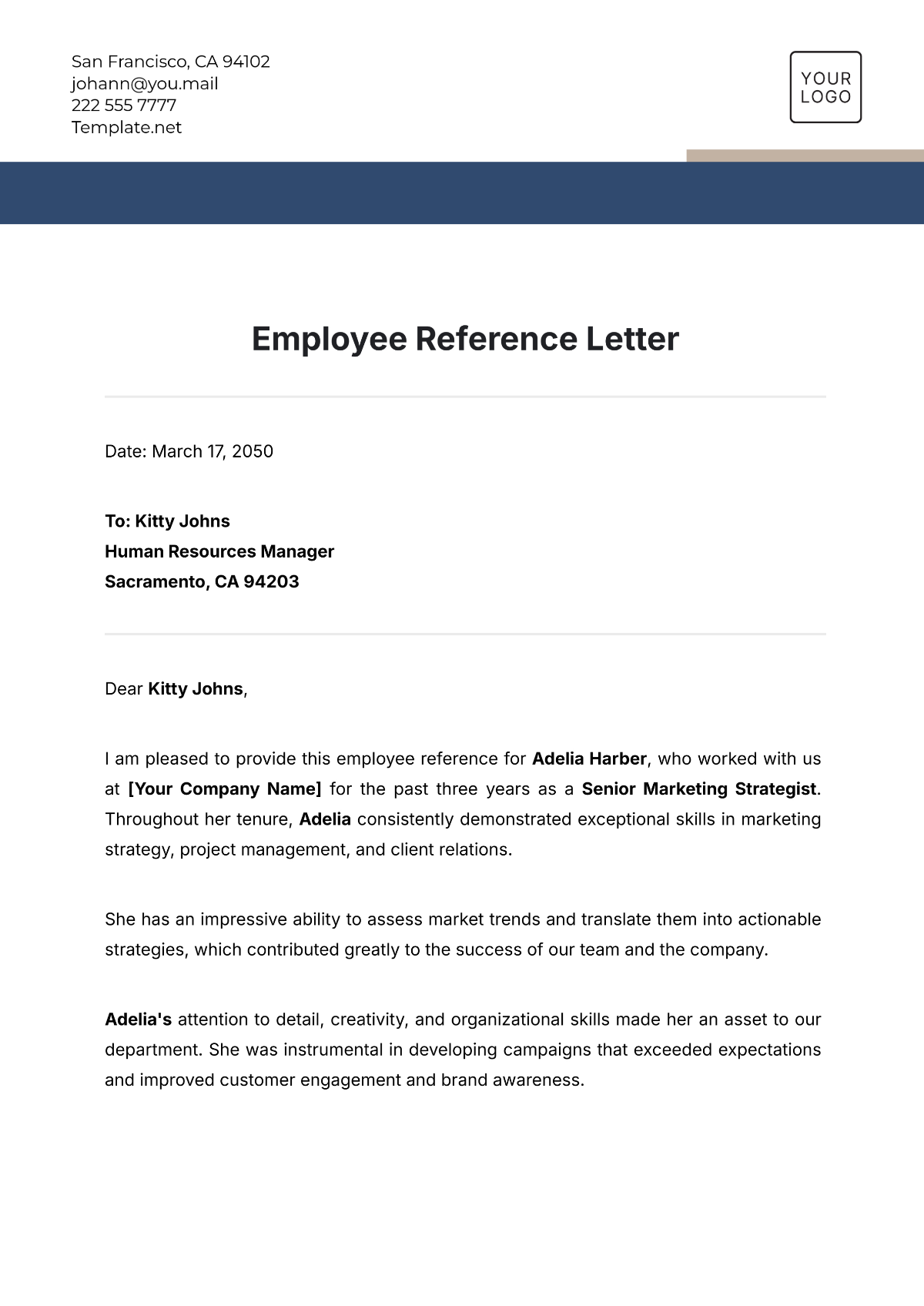
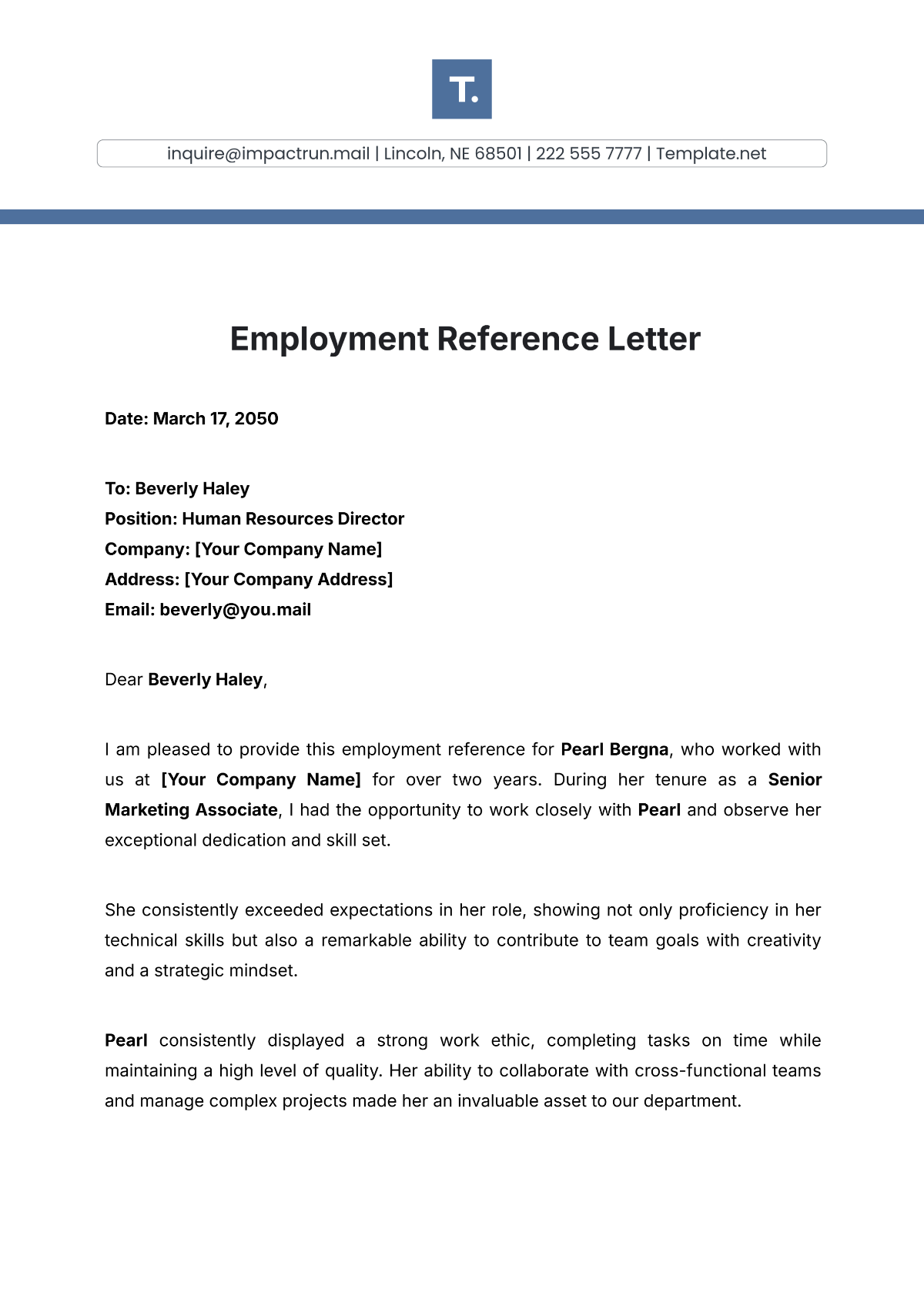
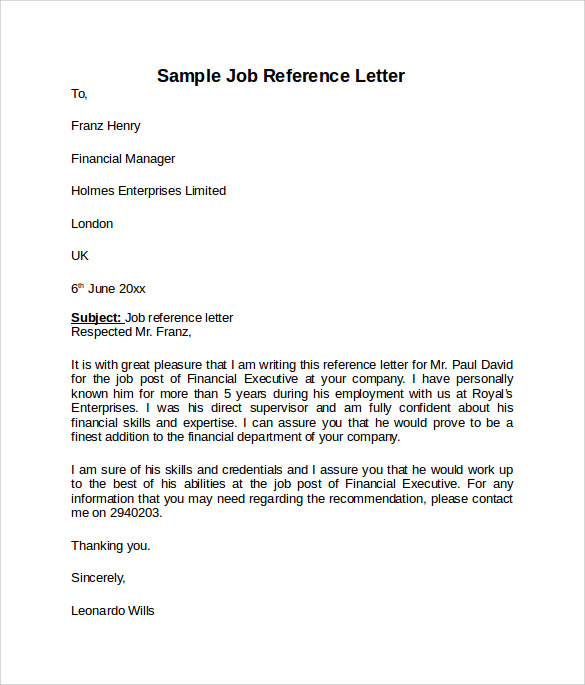
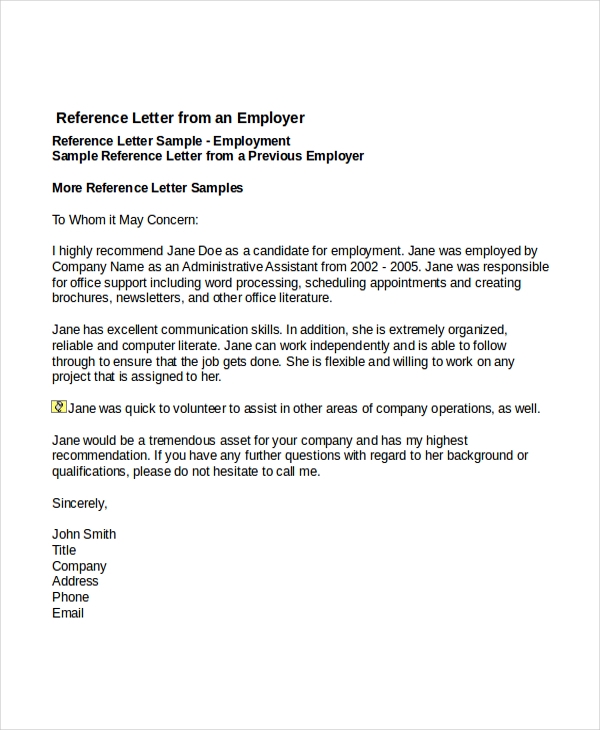
When writing a job reference letter, there are several key elements that should be included to ensure its effectiveness and credibility. These elements help provide a comprehensive and balanced assessment of the candidate’s qualifications.
Contact Information
Include your full name, title, company name, and contact information at the top of the letter. This information establishes your credibility and allows the recipient to contact you for further clarification if needed.
Introduction
The introduction of the reference letter should clearly state your relationship to the candidate and how long you have known them. This establishes your familiarity with the candidate and sets the context for your assessment.
Specific Examples
Include specific examples of the candidate’s achievements, skills, and qualities that are relevant to the job they are applying for. Providing concrete examples helps support your claims about the candidate’s qualifications.
Professional Tone
Maintain a professional and positive tone throughout the letter. Focus on the candidate’s strengths and abilities, highlighting their positive qualities and contributions in a professional setting.
Conclusion
End the letter with a strong recommendation and express your willingness to provide further information if needed. The conclusion should reiterate your endorsement of the candidate and offer to support their job application in any way possible.
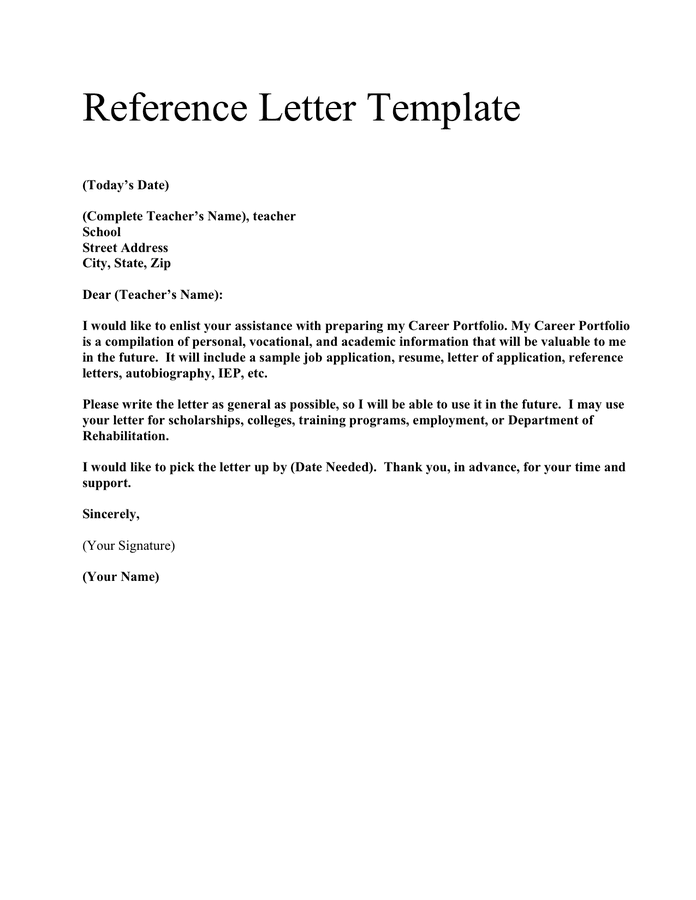
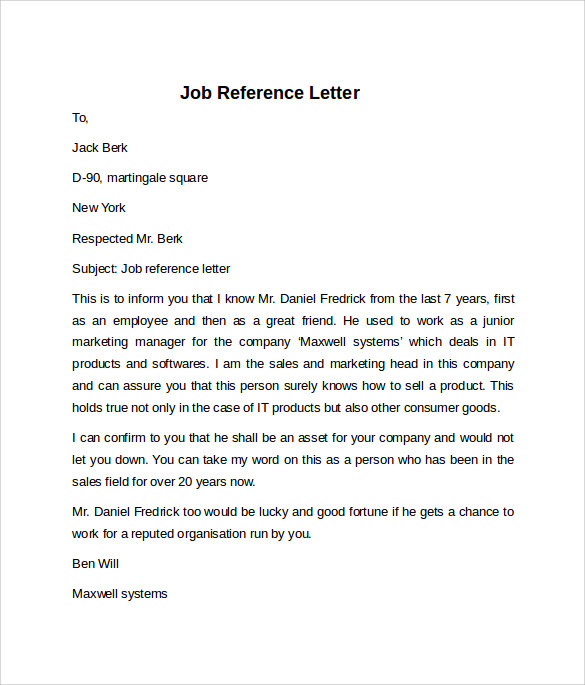
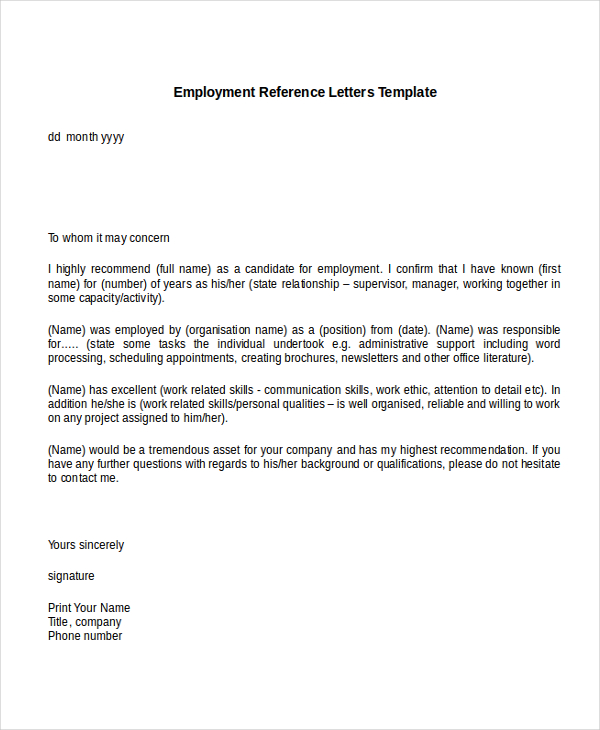
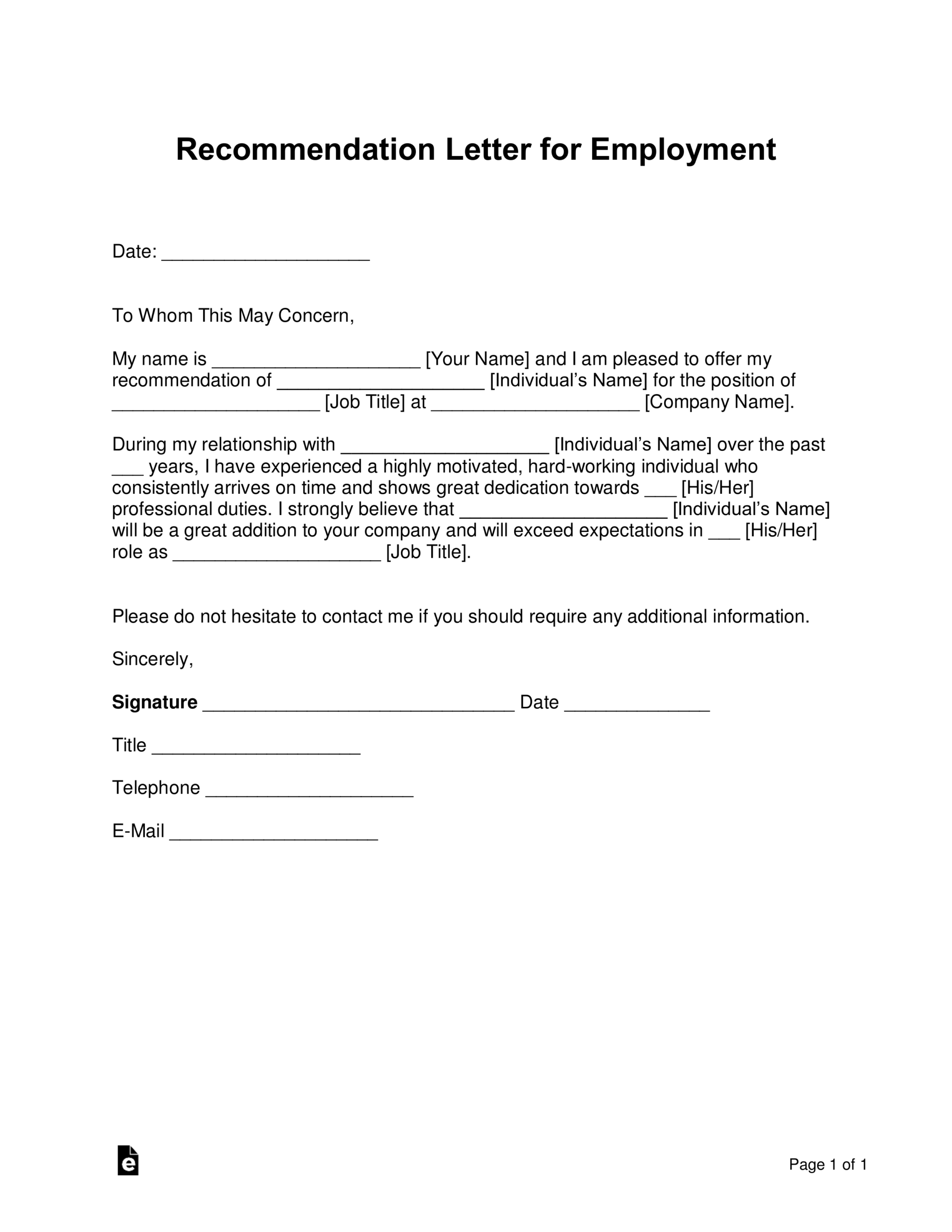
Examples
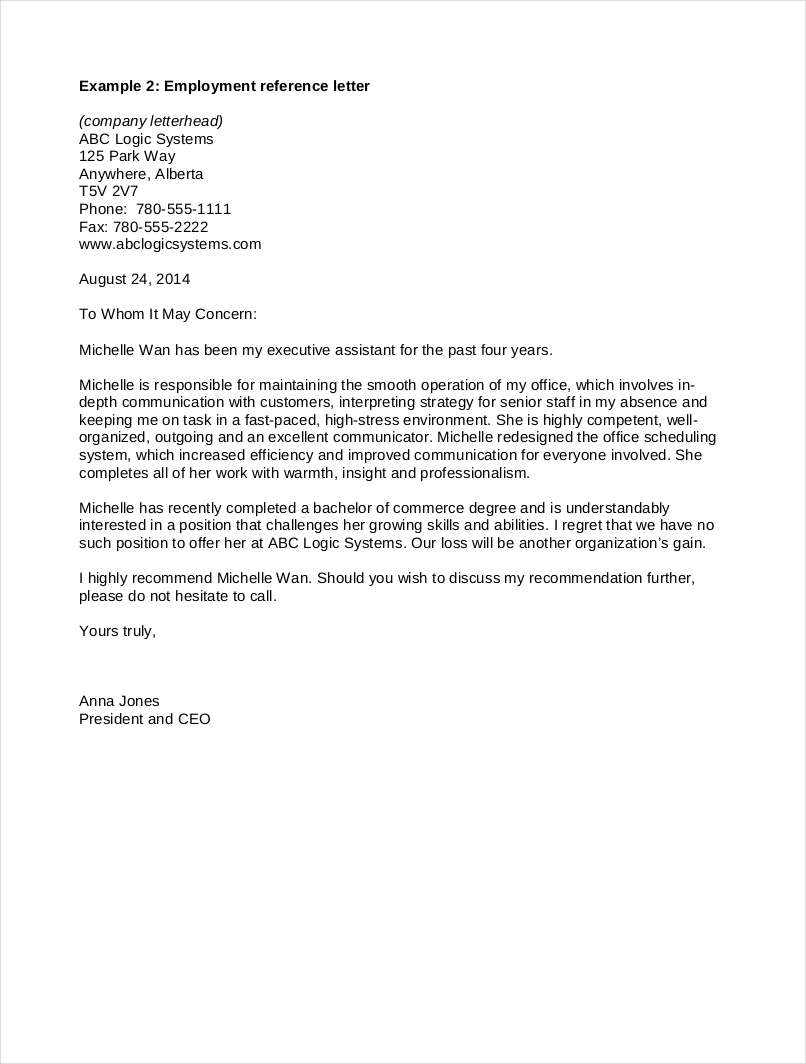
How to Write a Job Reference Letter
Assess Your Relationship with the Candidate
Before writing the reference letter, take the time to assess your relationship with the candidate. Consider your interactions with them, their performance in the workplace, and any specific examples of their work that you can highlight in the letter.
Gather Information
Request the candidate’s resume and the job description for the position they are applying for. This information will help you tailor the reference letter to match the candidate’s qualifications and the requirements of the job they are pursuing.
Structure the Letter
Organize the reference letter with a clear introduction, body, and conclusion. Use headings and bullet points to make the letter easy to read and navigate. Present your assessment of the candidate in a logical and coherent manner.
Be Honest and Objective
Avoid exaggerating the candidate’s abilities or providing misleading information in the reference letter. Be honest in your evaluation and provide a balanced view of the candidate’s strengths and areas for improvement. Your assessment should be objective and based on your observations and interactions with the candidate.
Proofread and Edit
Before submitting the reference letter, carefully proofread it for grammar, spelling, and punctuation errors. Ensure that the content is clear, concise, and free of typos or inconsistencies. Editing the letter will help improve its readability and professionalism.
Obtain Permission
Prior to sending the reference letter, obtain the candidate’s permission to serve as a reference. Confirm that they are comfortable with the information you have included in the letter and that they are aware of the content you will be sharing with potential employers.
Follow Up
After sending the reference letter, follow up with the employer or hiring manager to confirm that they have received the letter. Offer to provide additional information or clarification if needed and express your willingness to support the candidate in their job application process.
Tips for Successful Job Reference Letters
When writing a job reference letter, consider the following tips to ensure its effectiveness and impact:
Focus on Relevant Skills
Highlight the candidate’s most relevant skills and experiences in the reference letter. Tailor your assessment to match the requirements of the job they are applying for and focus on the qualities that make them a strong candidate for the position.
Be Specific
Provide concrete examples and measurable achievements to support your claims about the candidate’s qualifications. Use specific anecdotes, projects, or outcomes to illustrate the candidate’s skills and contributions in a tangible way.
Avoid Ambiguity
Use clear and concise language in the reference letter to convey your evaluation of the candidate’s abilities and performance. Avoid vague or ambiguous statements that do not provide meaningful insights into the candidate’s qualifications or suitability for the job.
Be Timely
Submit the reference letter in a timely manner to support the candidate’s job application effectively. Ensure that the letter reaches the employer or hiring manager before the application deadline to maximize its impact on the hiring decision.
Offer Contact Information
Include your contact information in the reference letter so that the employer or hiring manager can reach out to you for further information or clarification. Providing your contact details demonstrates your willingness to support the candidate and respond to any queries about your assessment.
By incorporating these tips and guidelines into your job reference letter, you can create a compelling and informative document that showcases the candidate’s qualifications and strengths effectively. A well-written reference letter can make a significant difference in the hiring process and help the candidate stand out as a strong contender for the job.
Job Reference Letter Template – Download
