When it comes to landscaping projects, providing a detailed cost breakdown through a landscape estimate is crucial for both the client and the contractor. This document sets clear expectations for the client regarding materials, labor, and equipment, ensuring transparency and preventing any misunderstandings. For the contractor, it serves as a vital business tool for ensuring profitability by accurately accounting for all costs, including overhead and profit margins, and avoiding disputes with clients.
What is a Landscape Estimate?
A landscape estimate is a document that outlines the projected costs of a landscaping project. It breaks down the expenses associated with materials, labor, equipment, and any additional services required to complete the project. This estimate provides a clear picture of the total investment needed for the project, helping both the client and the contractor make informed decisions.
Why Landscape Estimates are Important
Landscape estimates play a crucial role in the success of a landscaping project for several reasons:
- Transparency: By providing a detailed breakdown of costs, a landscape estimate promotes transparency and builds trust between the client and the contractor.
- Budgeting: Clients can use the estimate to plan their budget effectively and make informed decisions about the scope of the project.
- Profitability: Contractors can use the estimate to ensure that they are charging enough to cover all costs, including overhead and profit margins, while remaining competitive in the market.
- Prevention of Disputes: A detailed landscape estimate helps avoid disputes with clients by setting clear expectations upfront and minimizing the chances of misunderstandings.
What to Include in a Landscape Estimate
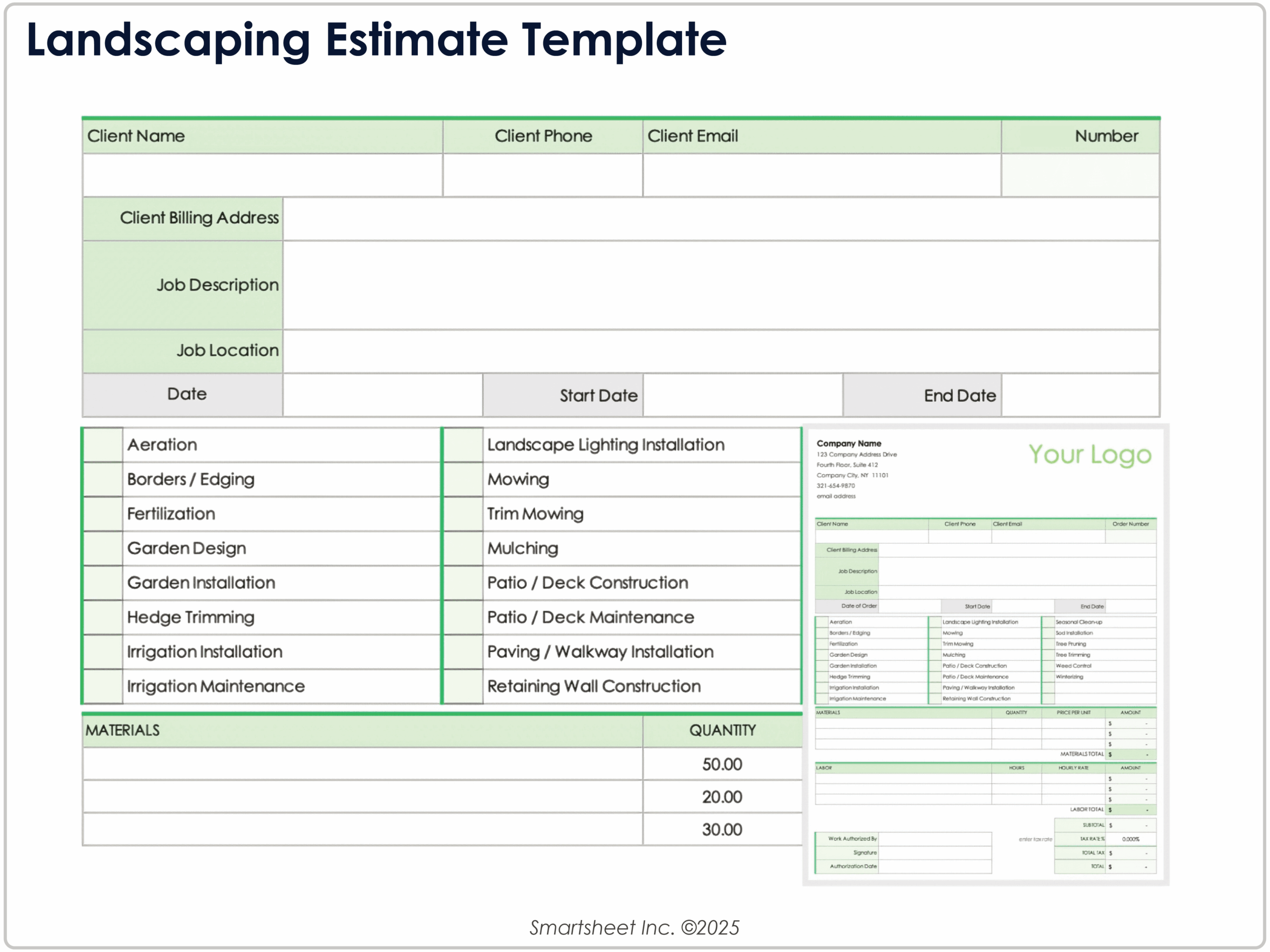
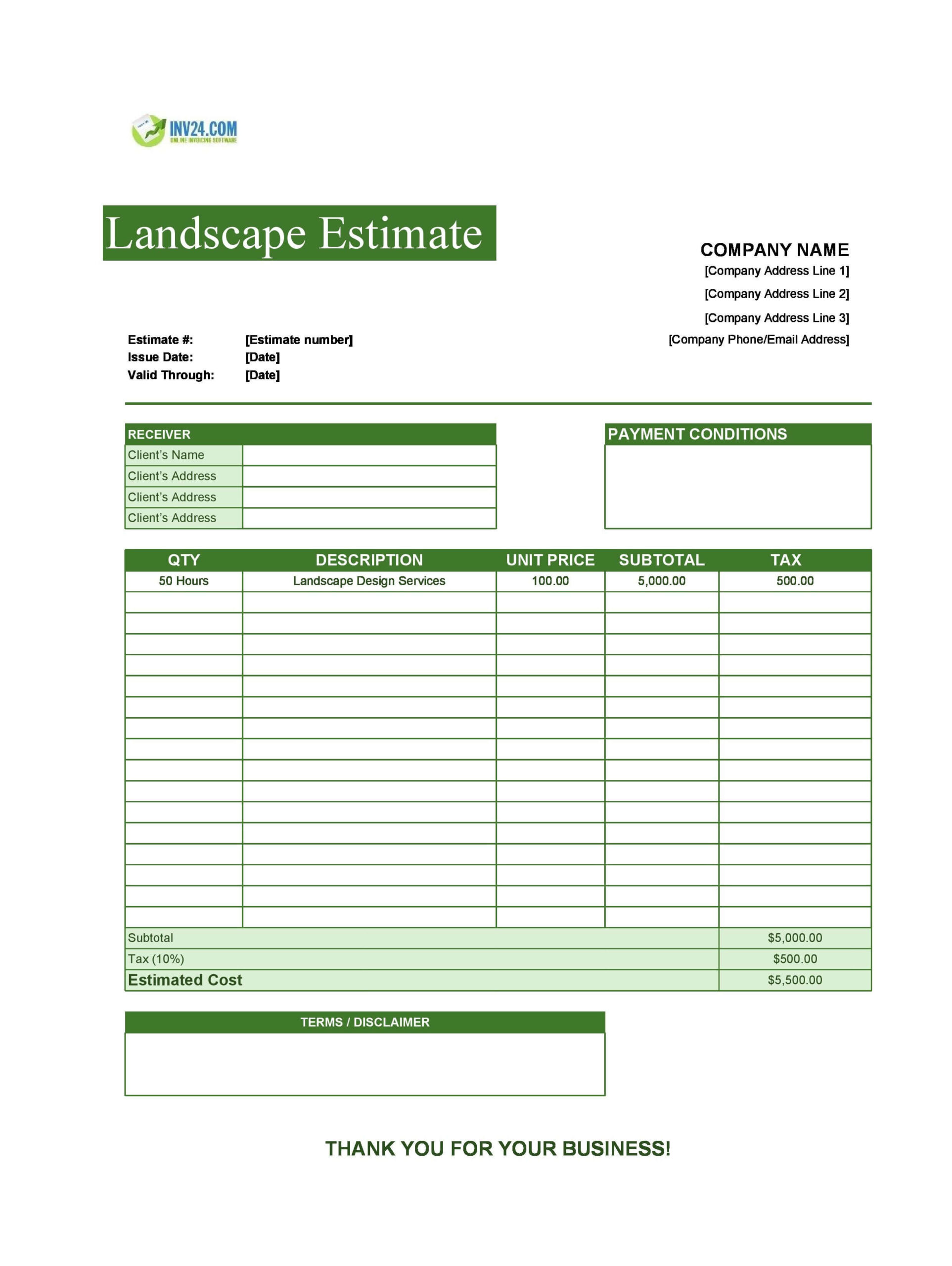
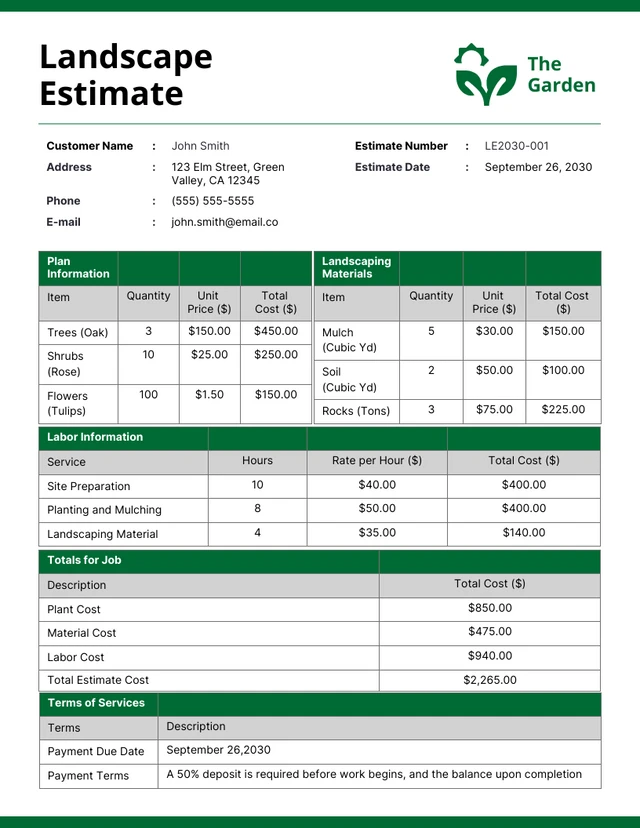
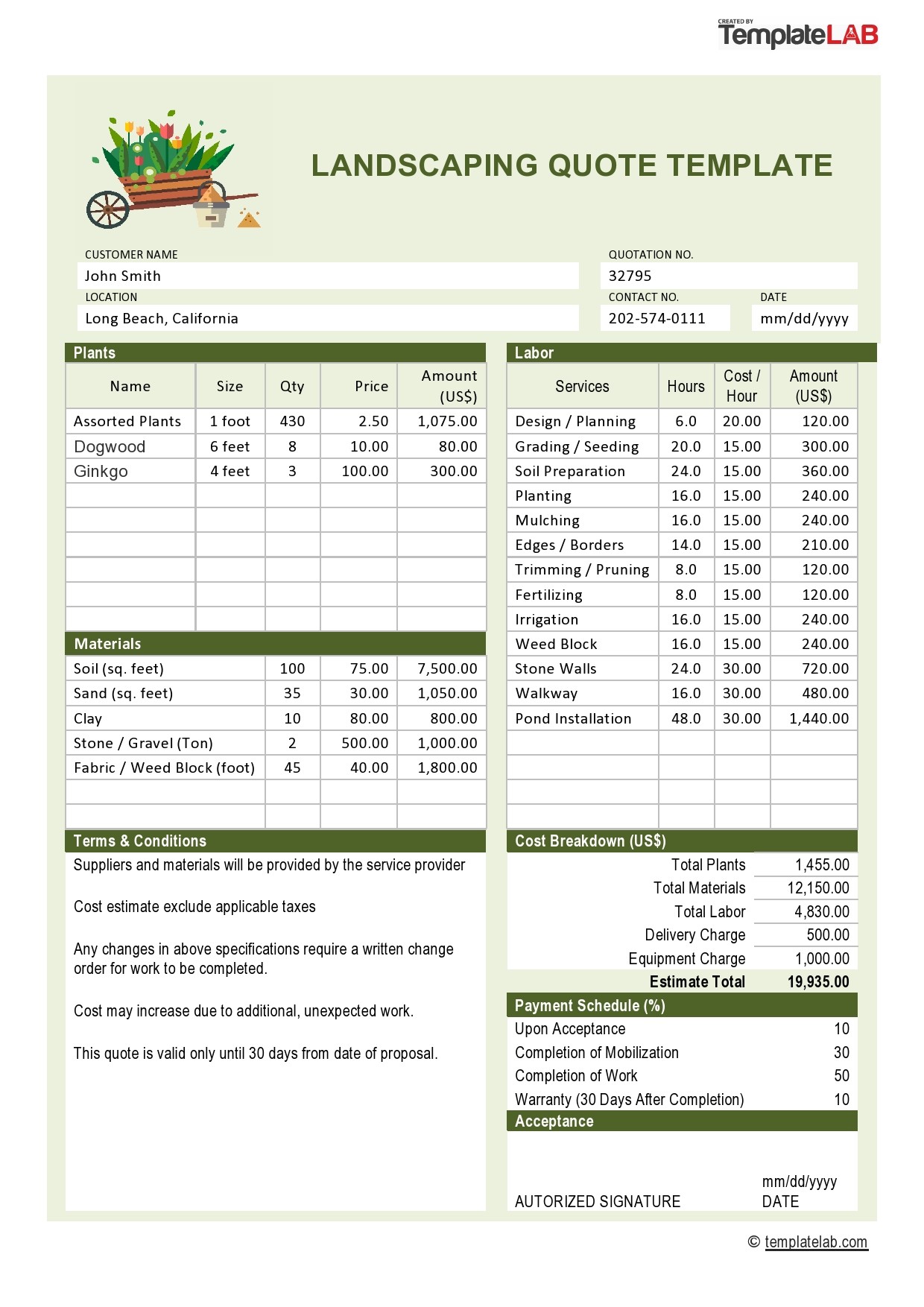
When creating a landscape estimate, it is essential to include the following key elements:
- Project Scope: Clearly define the scope of work to be completed, including specific details about the design, materials, and labor required.
- Cost Breakdown: Provide a detailed breakdown of costs for materials, labor, equipment, and any additional services, ensuring transparency and accuracy.
- Timeline: Include an estimated timeline for the project, outlining key milestones and deadlines for completion.
- Terms and Conditions: Clearly outline the terms and conditions of the project, including payment schedules, warranties, and any other relevant information.
Examples
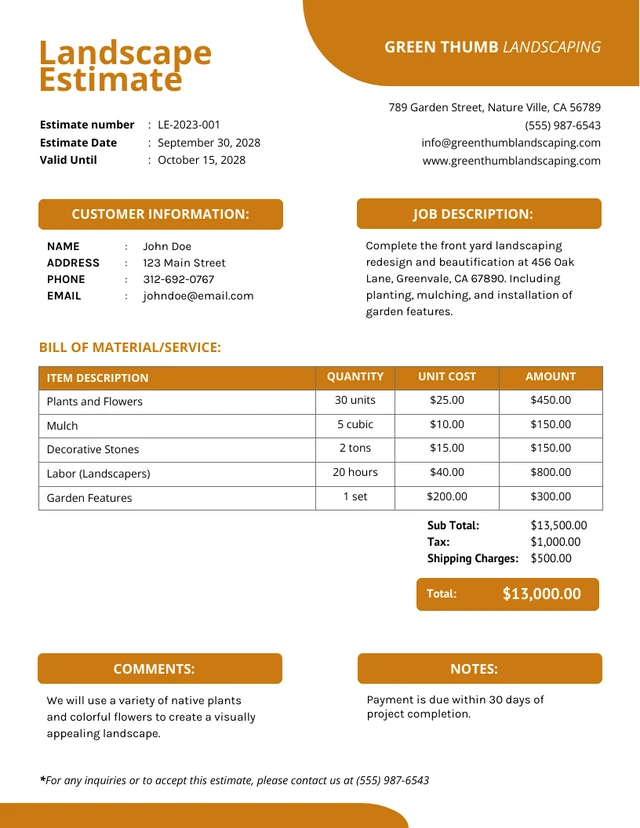
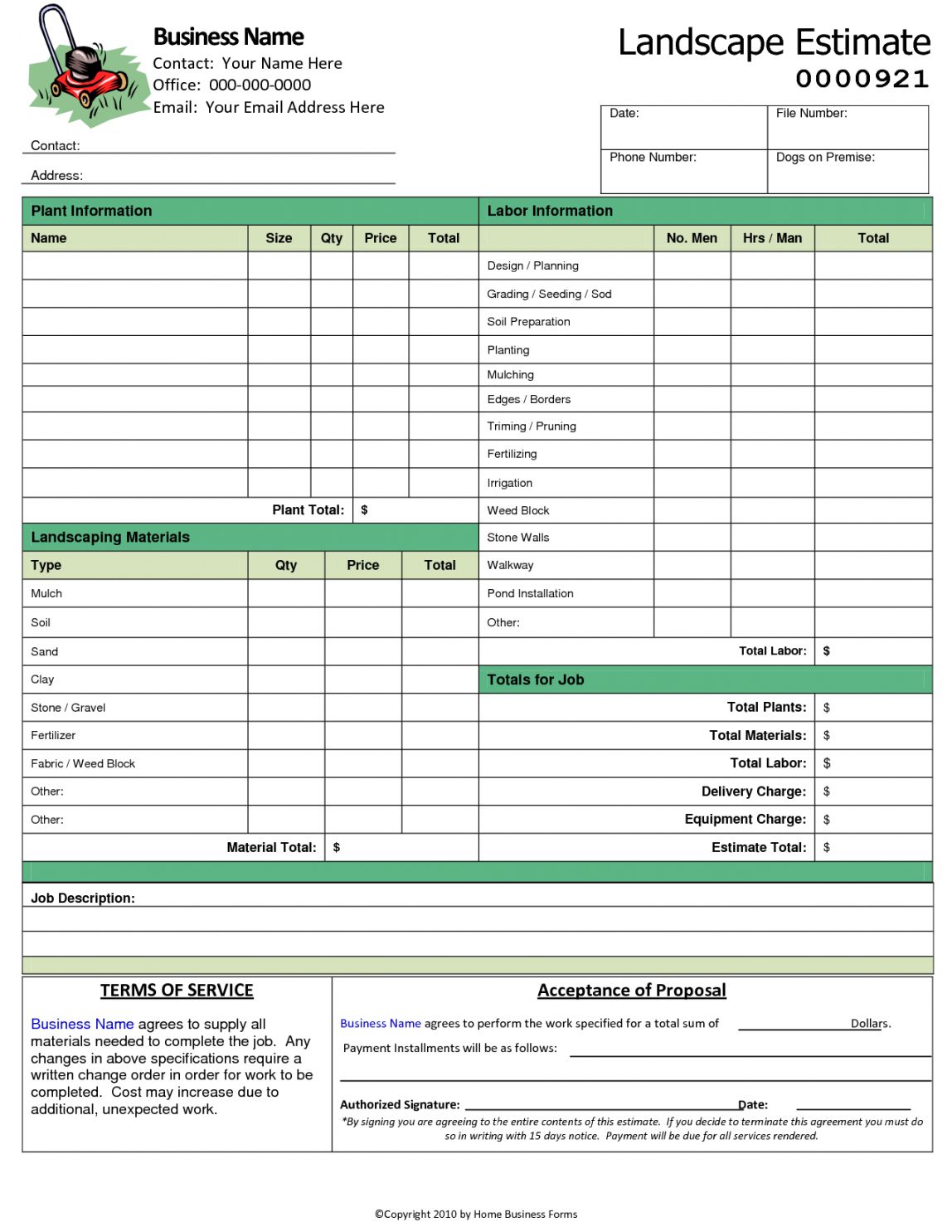
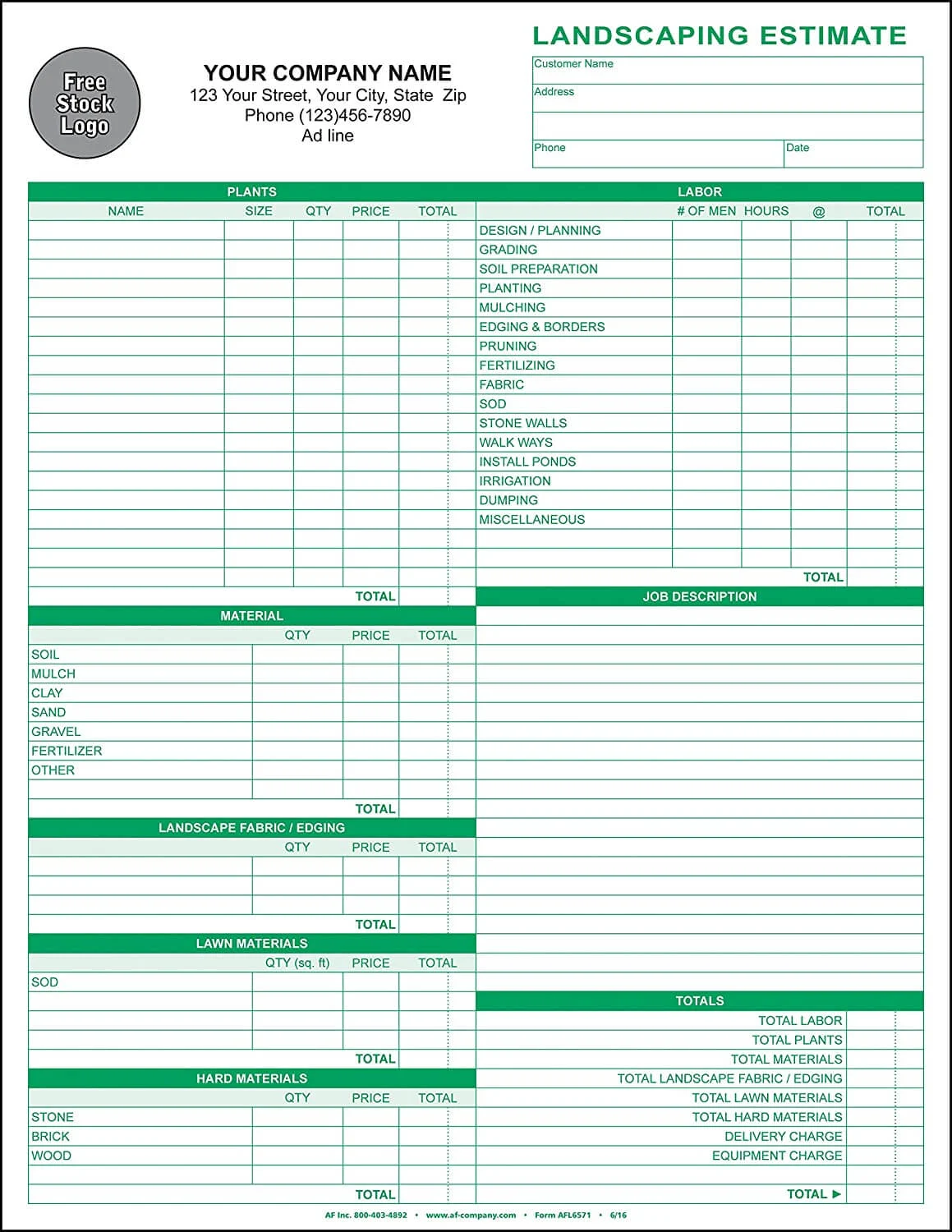
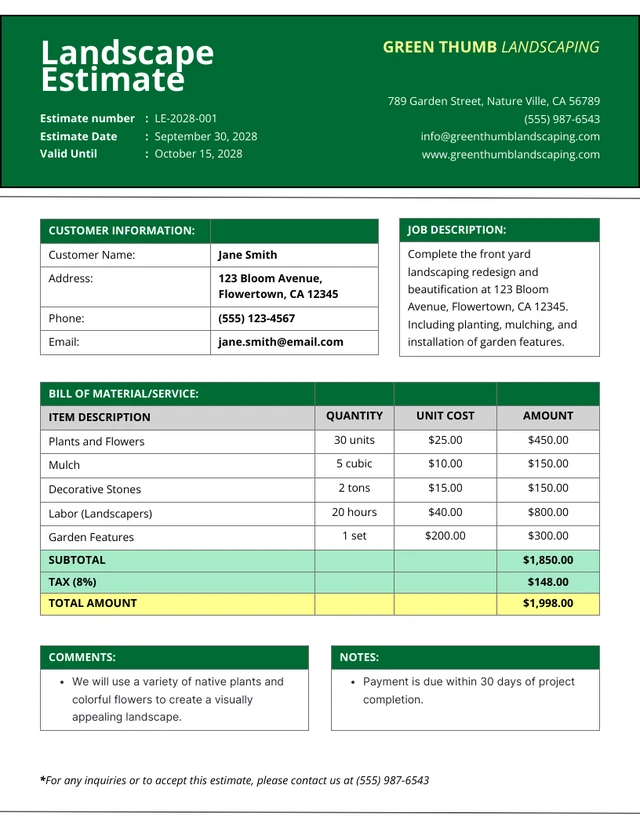
How to Create a Landscape Estimate
Creating a landscape estimate requires careful planning and attention to detail. Follow these steps to create an accurate and comprehensive estimate:
1. Assess the Project
Begin by assessing the project site and determining the scope of work required. Consider factors such as site conditions, design preferences, and any special requirements that may impact the cost of the project.
2. Research Costs
Research the costs of materials, labor, and equipment needed for the project. Obtain quotes from suppliers and subcontractors to ensure accuracy in your estimate.
3. Calculate Overhead and Profit Margins
Factor in overhead costs, such as insurance, permits, and administrative expenses, as well as your desired profit margin. Ensure that your estimate accounts for all expenses to avoid any financial surprises later on.
4. Prepare the Estimate
Compile all the information gathered into a comprehensive estimate document. Clearly outline each cost item and provide a total cost for the project, including any contingencies or additional fees.
5. Review and Present the Estimate
Review the estimate for accuracy and completeness before presenting it to the client. Take the time to explain each cost item and address any questions or concerns the client may have.
Tips for Successful Landscape Estimates
Follow these tips to ensure the success of your landscape estimates:
- Be Thorough: Take the time to gather all necessary information and provide a detailed breakdown of costs in your estimate.
- Communicate Clearly: Clearly explain the scope of work, costs, and timeline to the client to avoid any misunderstandings.
- Factor in Contingencies: Include a contingency fund in your estimate to account for any unexpected expenses that may arise during the project.
- Update Regularly: Keep track of any changes to the project scope or costs and update the estimate accordingly to ensure accuracy.
- Provide Options: Offer clients different options or alternatives to help them make informed decisions based on their budget and preferences.
By creating detailed and accurate landscape estimates, both clients and contractors can set clear expectations, avoid disputes, and ensure the success of landscaping projects. Effective communication, transparency, and attention to detail are key to creating successful estimates that benefit all parties involved.
Landscape Estimate Template – Download
