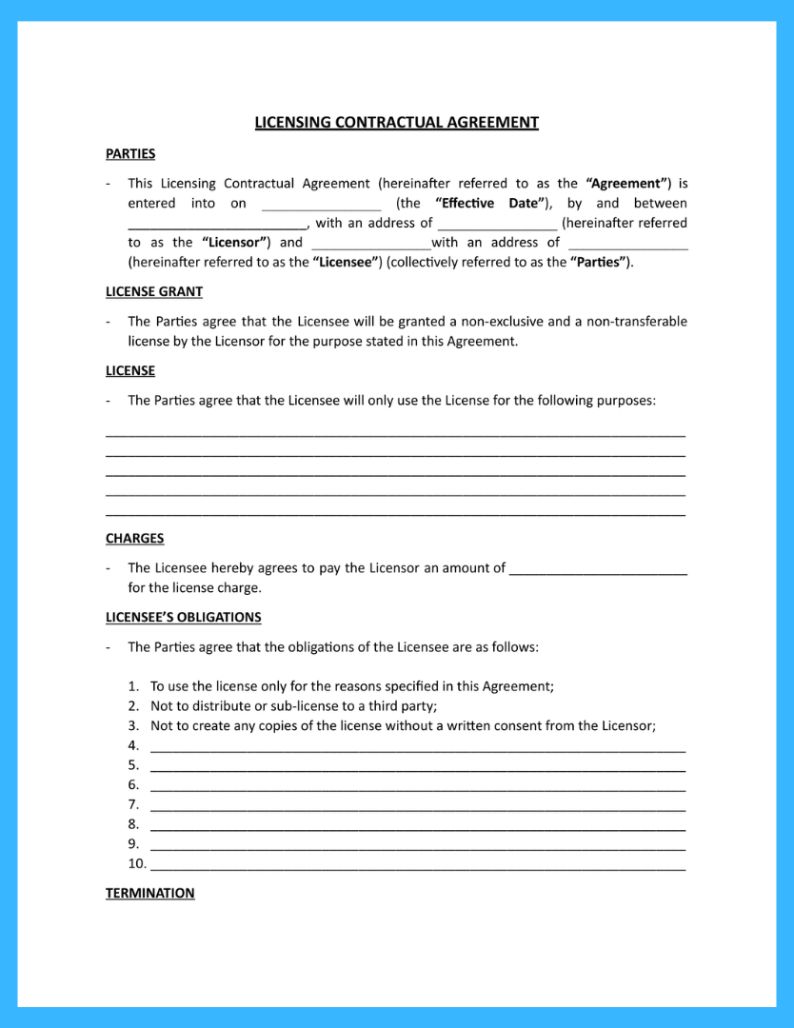
When it comes to protecting your intellectual property, licensing agreements play a crucial role in allowing you to grant others the legal right to use your creations under specific terms and conditions. Whether you are a business owner, an inventor, or a creative artist, understanding the ins and outs of licensing agreements is essential for safeguarding your intellectual property rights while also exploring new avenues for revenue generation.
What Is a Licensing Agreement?
A licensing agreement is a legal contract between two parties, where the owner of intellectual property (the licensor) grants permission to another party (the licensee) to use their intellectual property for commercial or other purposes. This agreement outlines the specific terms and conditions under which the licensee can utilize the intellectual property, while the licensor retains ownership and can earn revenue through royalties or licensing fees.
Why Should You Use a Licensing Agreement?
There are several reasons why entering into a licensing agreement can be beneficial for both licensors and licensees:
- Expand Your Reach: Licensing agreements allow licensors to reach new markets and customers by leveraging the licensee’s distribution channels.
- Generate Revenue: Licensors can earn passive income through royalties or licensing fees paid by the licensee.
- Risk Mitigation: Licensees can reduce the risk of costly infringement lawsuits by obtaining proper permissions to use intellectual property.
Disadvantages of Licensing Agreements
While licensing agreements offer numerous benefits, there are also some drawbacks to consider:
- Loss of Control: Licensors may have limited control over how their intellectual property is used by the licensee.
- Competitive Concerns: Licensees may gain insights into the licensor’s intellectual property that could be used to compete against them.
- Royalty Disputes: Disputes over royalty payments or licensing fees can strain the relationship between the licensor and licensee.
Types of Commonly Licensed Intellectual Property (IP)
Intellectual property can take various forms, and different types of IP can be licensed under a licensing agreement:
- Patents: Grant exclusive rights to inventors to prevent others from making, using, or selling their inventions.
- Trademarks: Protect words, phrases, symbols, or designs used to distinguish goods or services in the marketplace.
- Copyrights: Safeguard original works of authorship, such as literary, artistic, and musical creations.
- Trade Secrets: Include confidential business information that provides a competitive advantage and is not publicly known.
Common Terms of a Licensing Agreement
When drafting a licensing agreement, several key terms should be included to ensure clarity and protection for both parties:
- Licensing Scope: Define the specific rights granted to the licensee, including exclusivity, territory, and duration.
- Royalty Payments: Specify the amount and timing of royalty payments or licensing fees to be paid by the licensee.
- Intellectual Property Ownership: Clearly state that the licensor retains ownership of the intellectual property and any improvements made by the licensee.
- Termination Clause: Outline the conditions under which either party can terminate the agreement, such as breach of contract or bankruptcy.
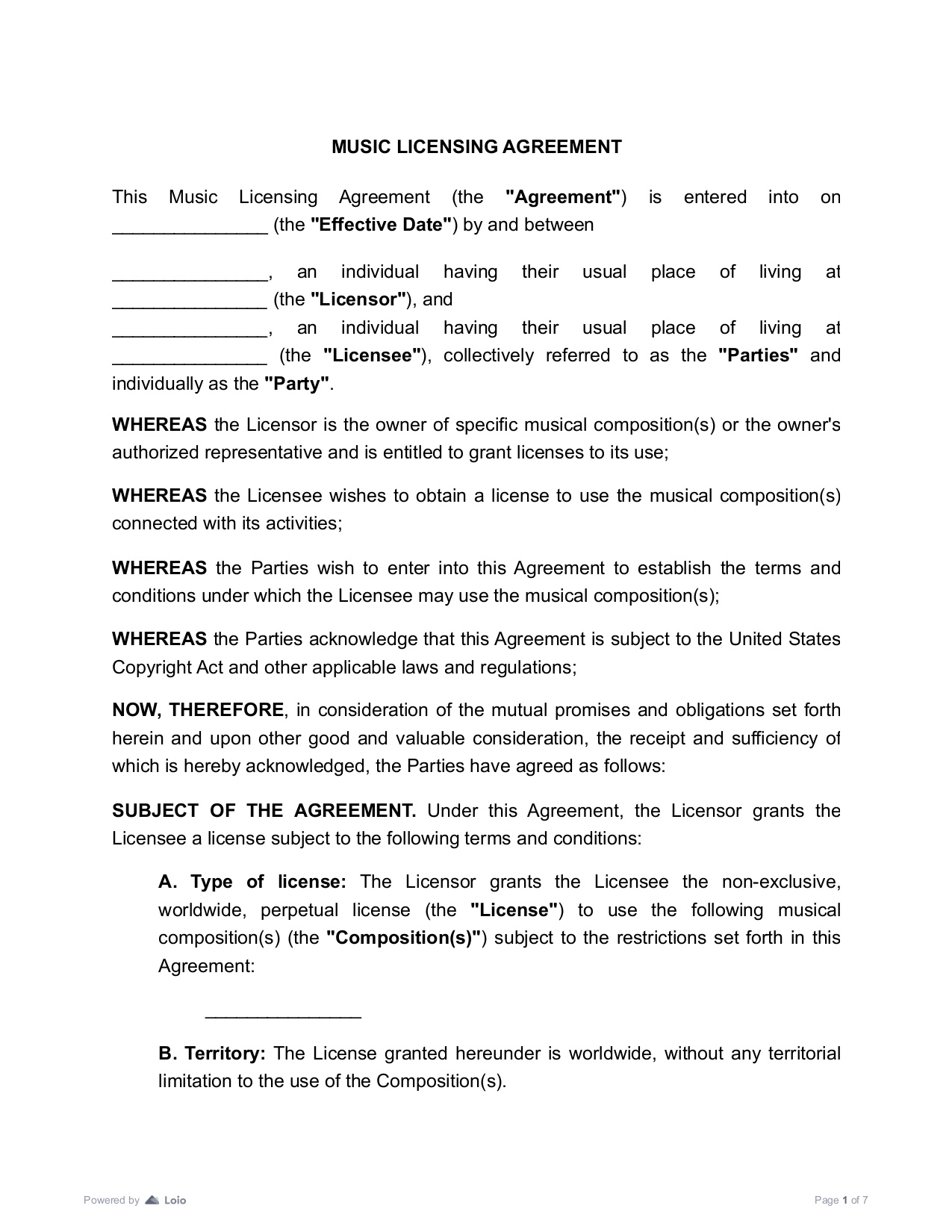
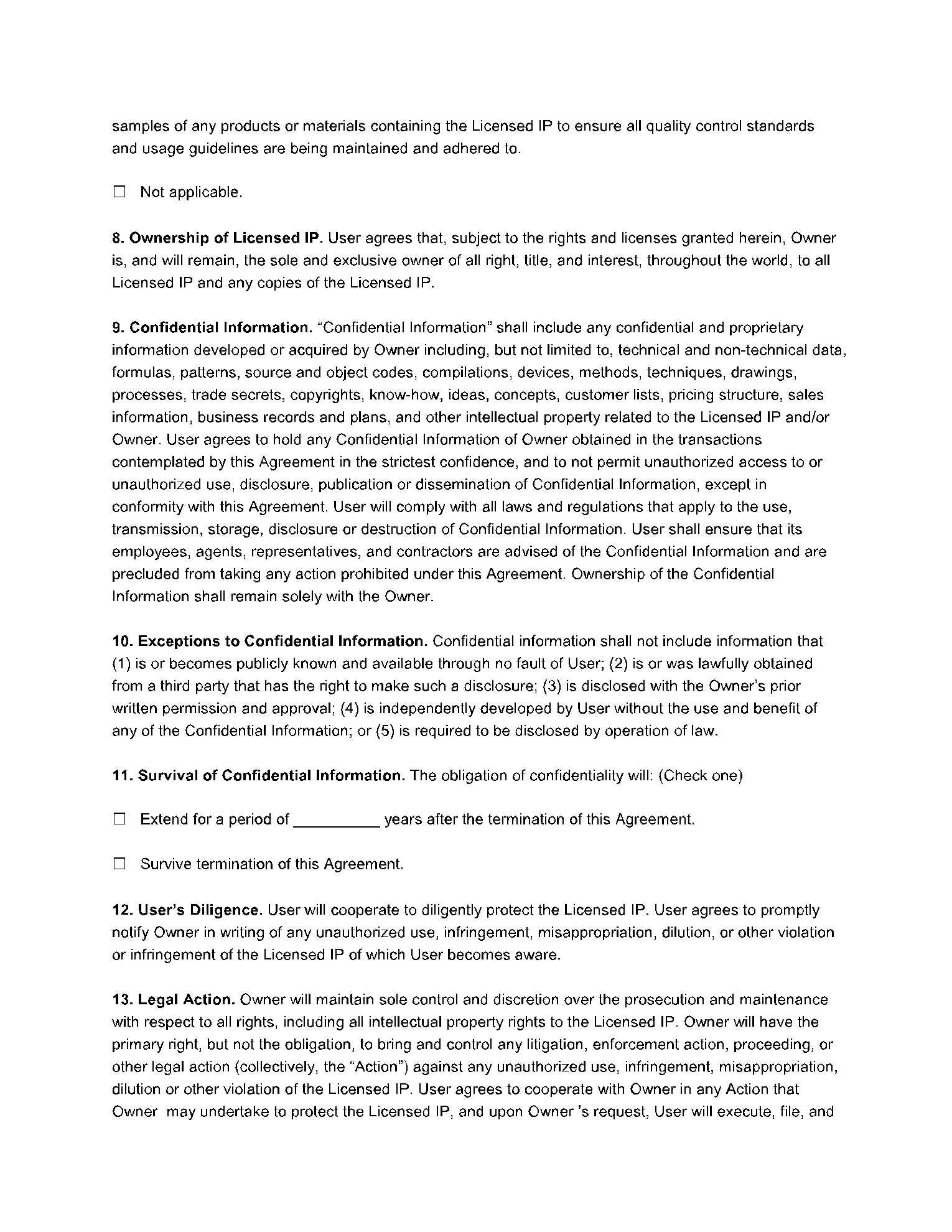
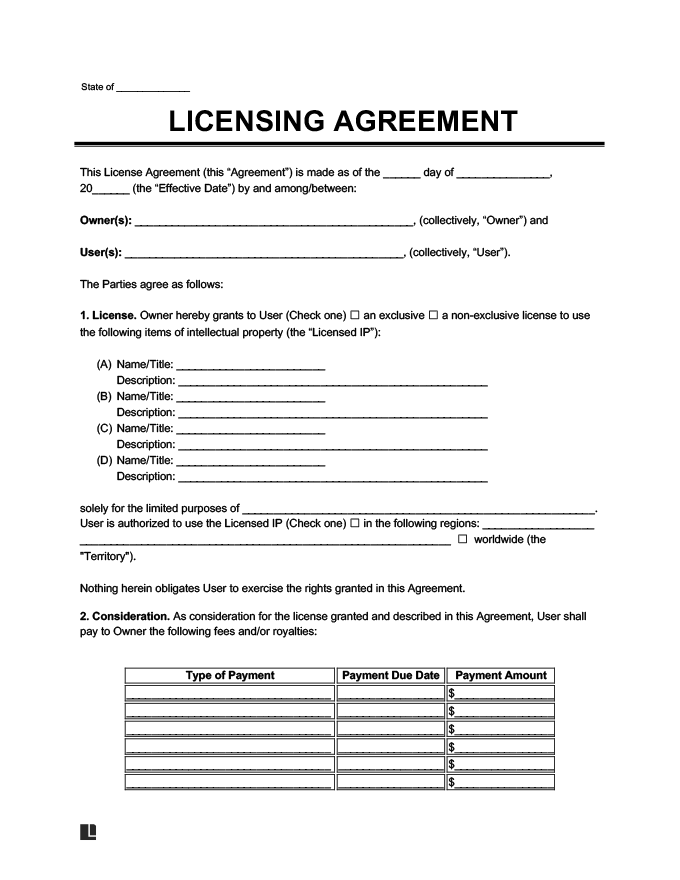
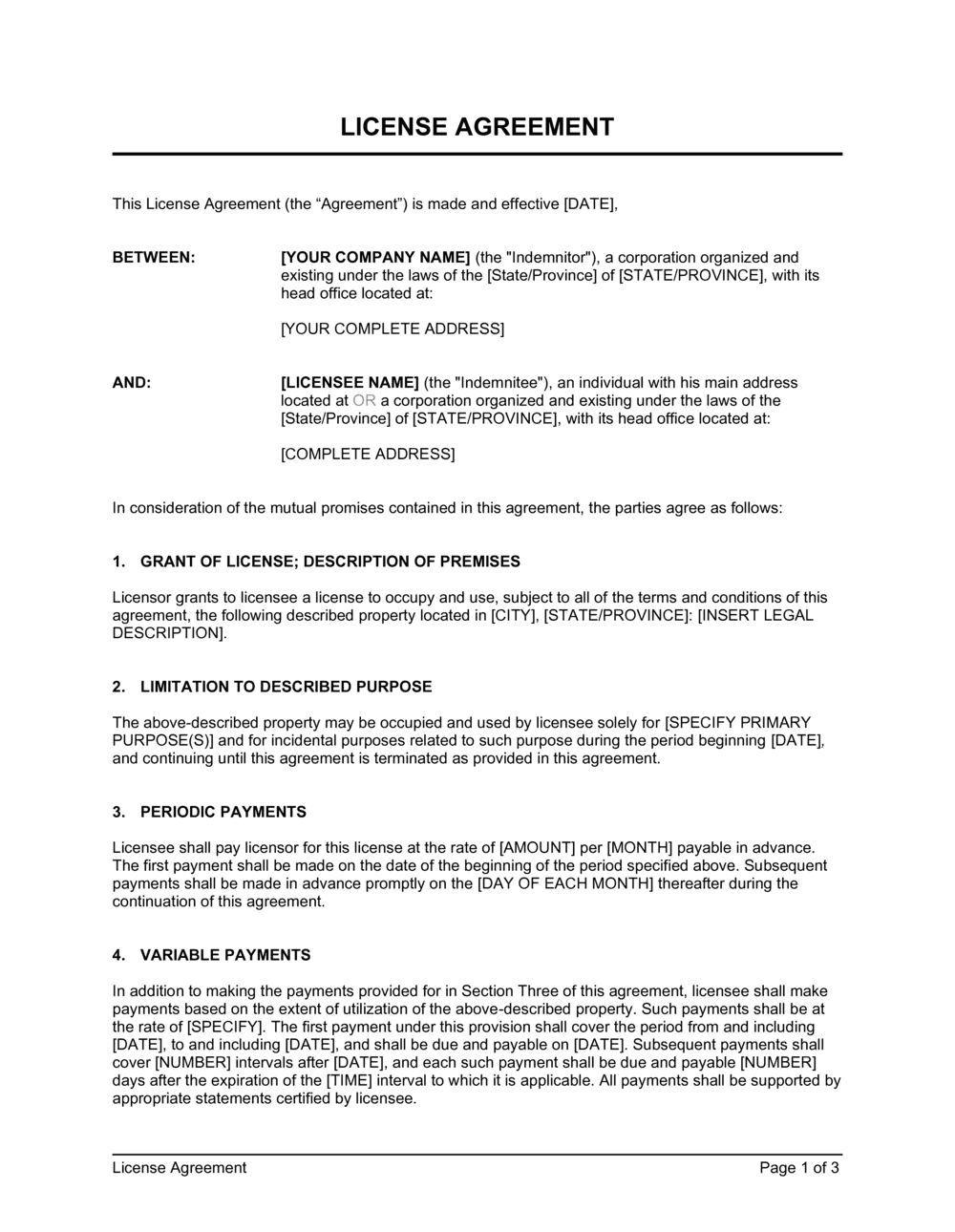
How to Write a Licensing Agreement
Writing a comprehensive licensing agreement requires careful consideration of the terms and conditions that will govern the relationship between the licensor and licensee. Here are some steps to follow when drafting a licensing agreement:
1. Define the Parties:
Identify the licensor and licensee by their legal names and addresses.
2. Describe the Intellectual Property:
Clearly describe the intellectual property being licensed, including any specific limitations or restrictions.
3. Outline Licensing Scope:
Determine the scope of the license, including any exclusivity, territory, or field of use restrictions.
4. Specify Royalty Payments:
Detail the amount, timing, and method of royalty payments or licensing fees to be paid by the licensee.
5. Include Boilerplate Clauses:
Consider including boilerplate clauses such as indemnification, confidentiality, and dispute resolution to protect both parties.
By understanding the nuances of licensing agreements and following best practices in drafting these contracts, you can effectively protect your intellectual property rights while also exploring new opportunities for collaboration and revenue generation.
