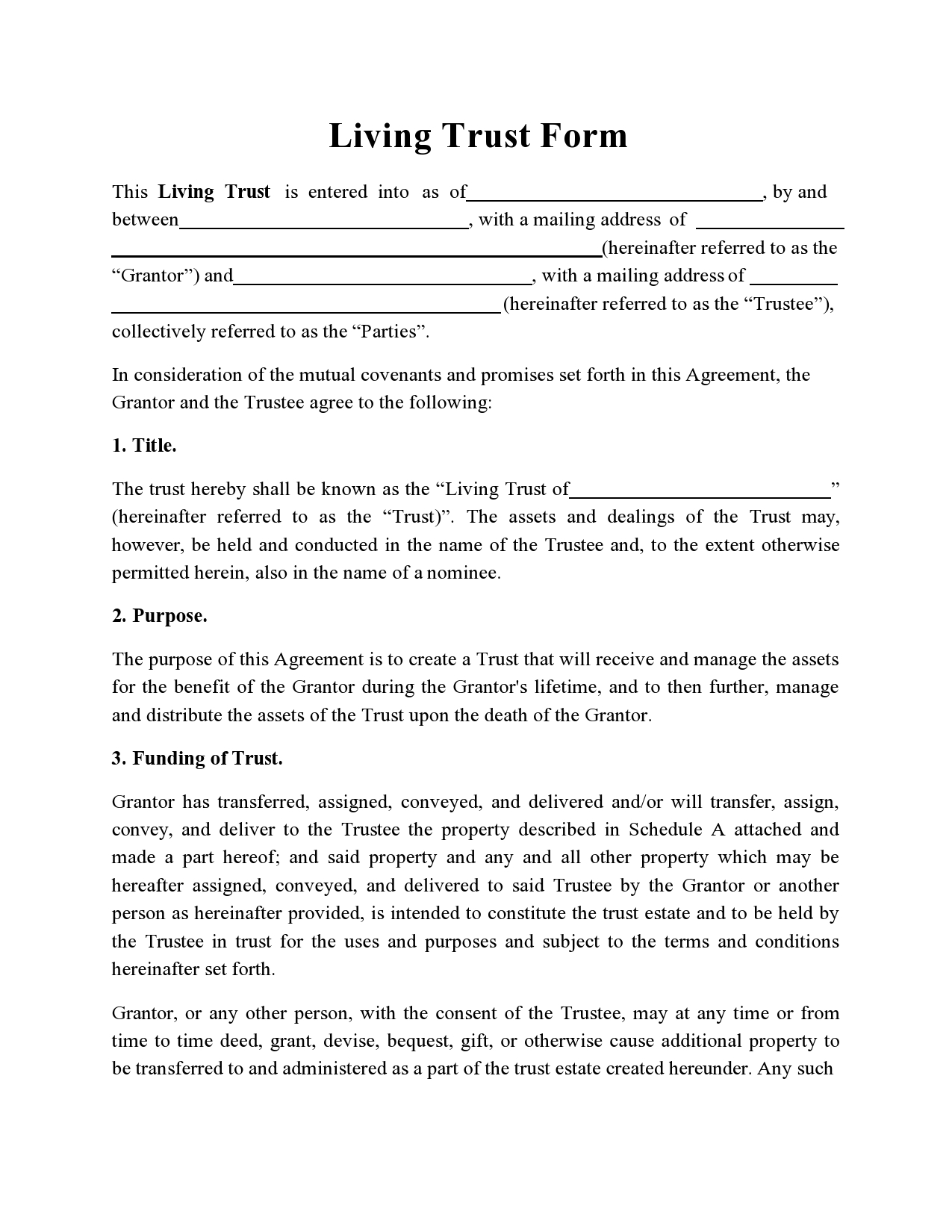
When it comes to planning for the future, especially when it involves managing and distributing assets, a living trust form is a powerful tool that can provide peace of mind. A living trust acts as an estate planning tool to manage and distribute your assets during your lifetime and after your death. It is primarily used to avoid the costly and public probate process, ensuring that your assets are handled according to your wishes. By specifying who will manage your assets (the trustee) and who will inherit them (the beneficiary), a living trust can streamline the transfer of assets and provide clarity for your loved ones.
What is a Living Trust Form?
A living trust form, also known as a revocable trust, is a legal document that allows you to transfer ownership of your assets into a trust during your lifetime. This trust is managed by a trustee, who is responsible for overseeing the assets and distributing them according to your instructions. The beneficiaries of the trust are the individuals or organizations who will inherit the assets upon your death.
Why Use a Living Trust Form?
There are several benefits to using a living trust form as part of your estate planning strategy. One of the primary reasons is to avoid the probate process, which can be costly and time-consuming. By placing your assets in a trust, they can be distributed more efficiently and privately, without the need for court involvement. Additionally, a living trust can provide flexibility in managing your assets during your lifetime, as well as ensuring that your wishes are carried out after your death.
What to Include in a Living Trust Form
When creating a living trust form, there are several key components that should be included to ensure that your wishes are clearly outlined and legally binding. These may include:
- Trustee: Designate a trustee who will be responsible for managing the trust and distributing the assets.
- Beneficiaries: Specify who will inherit the assets held in the trust upon your death.
- Assets: List all the assets that will be transferred into the trust, including real estate, investments, and personal property.
- Instructions: Provide detailed instructions on how you want your assets to be managed and distributed.
- Contingency Plans: Include provisions for contingencies such as incapacity or changes in circumstances.
- Revocability: Decide whether the trust should be revocable or irrevocable, depending on your needs.
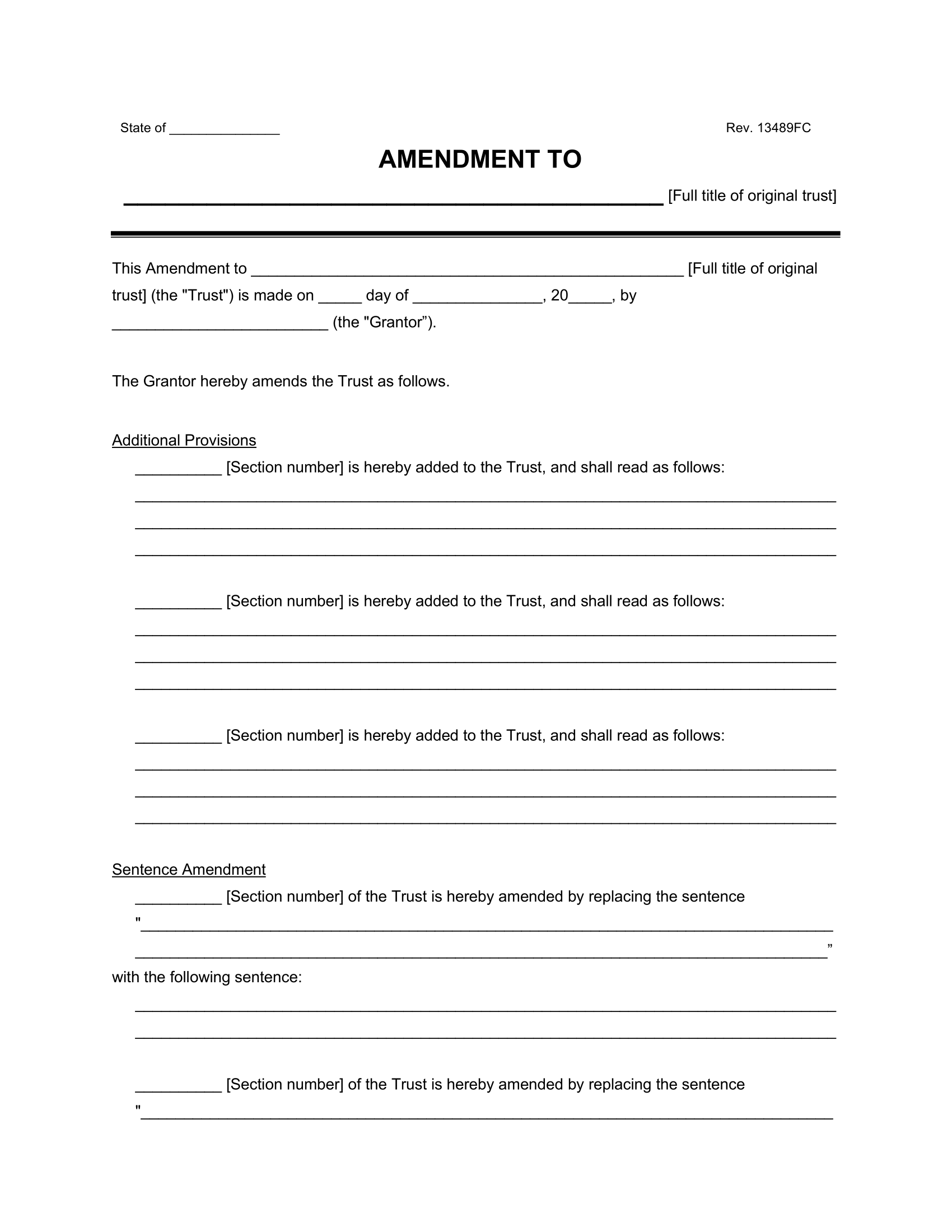
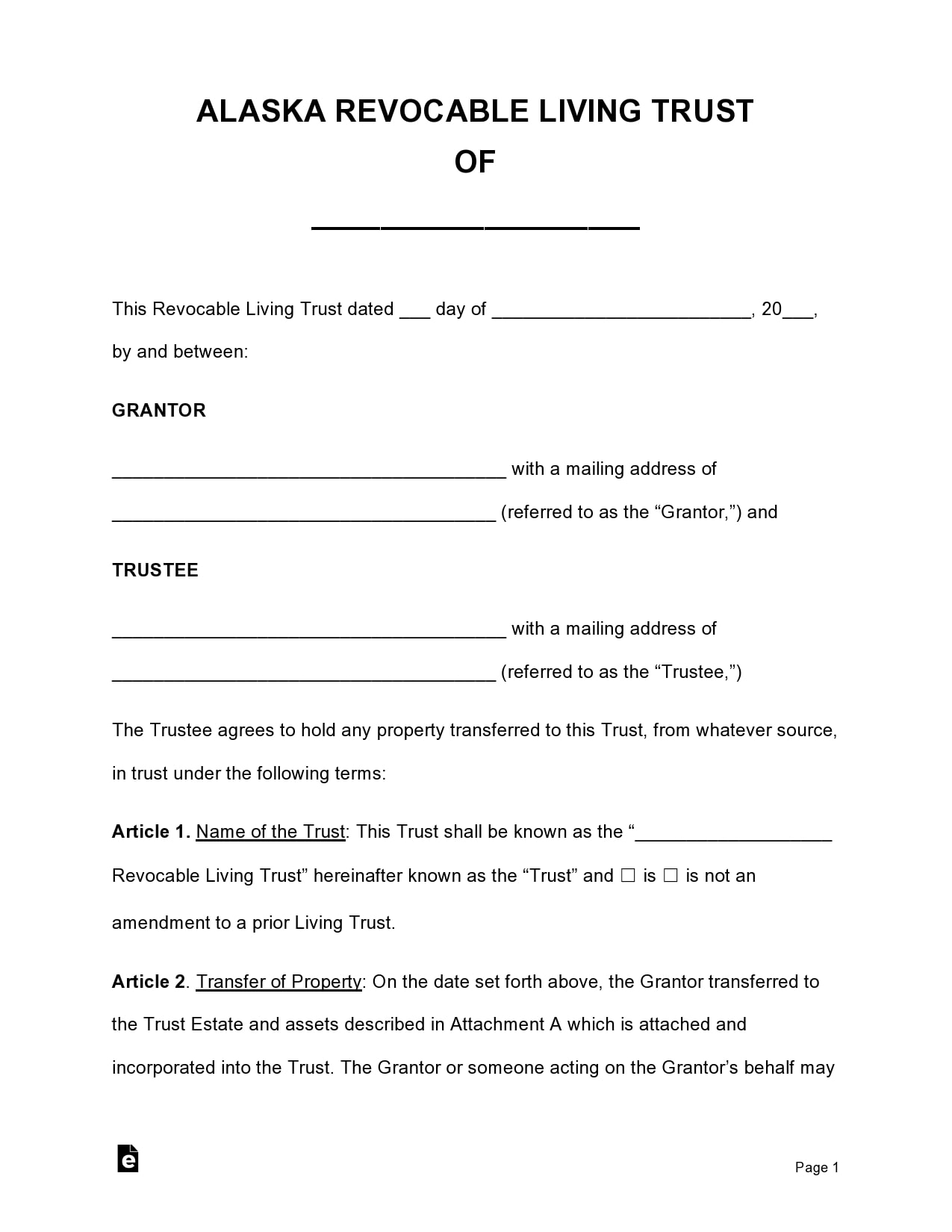
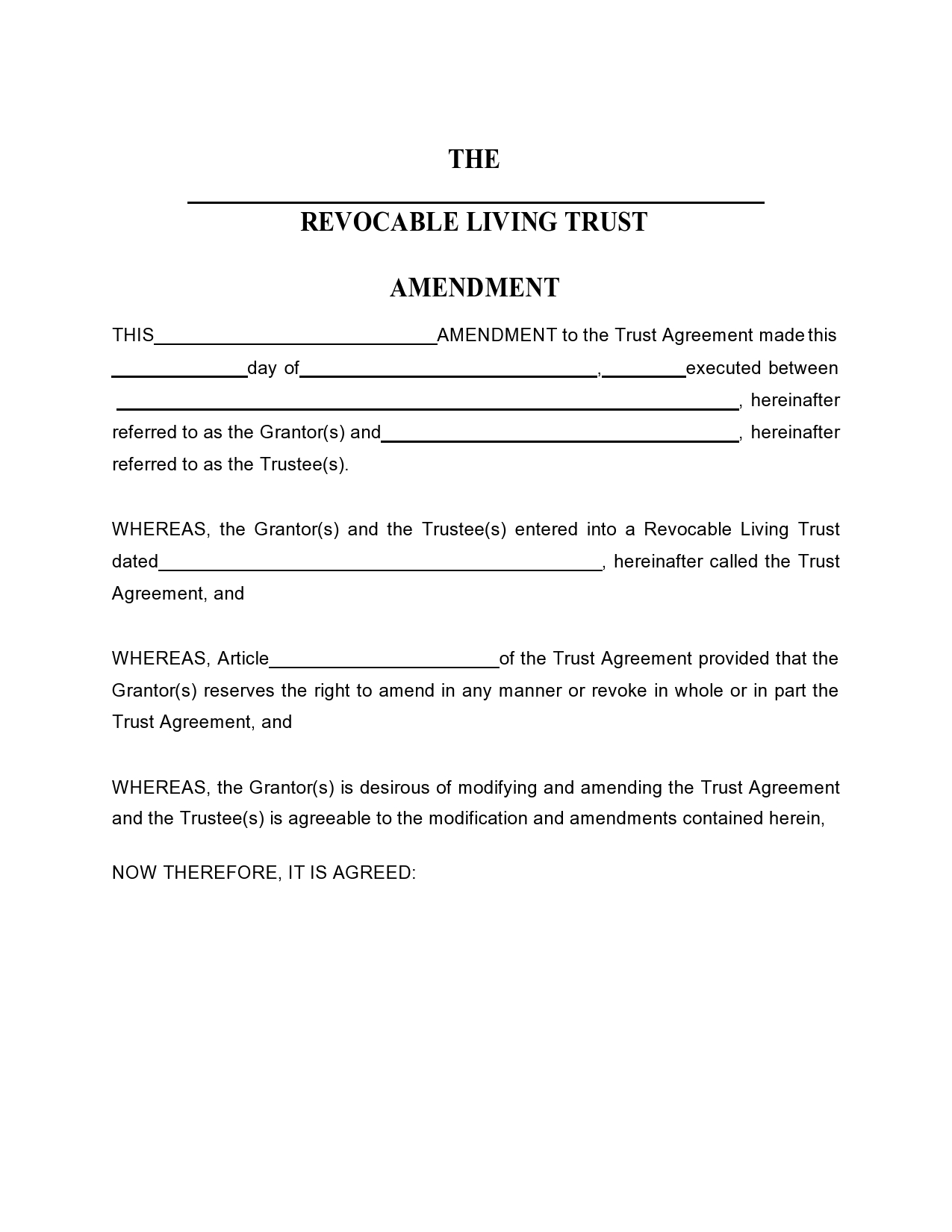
Examples
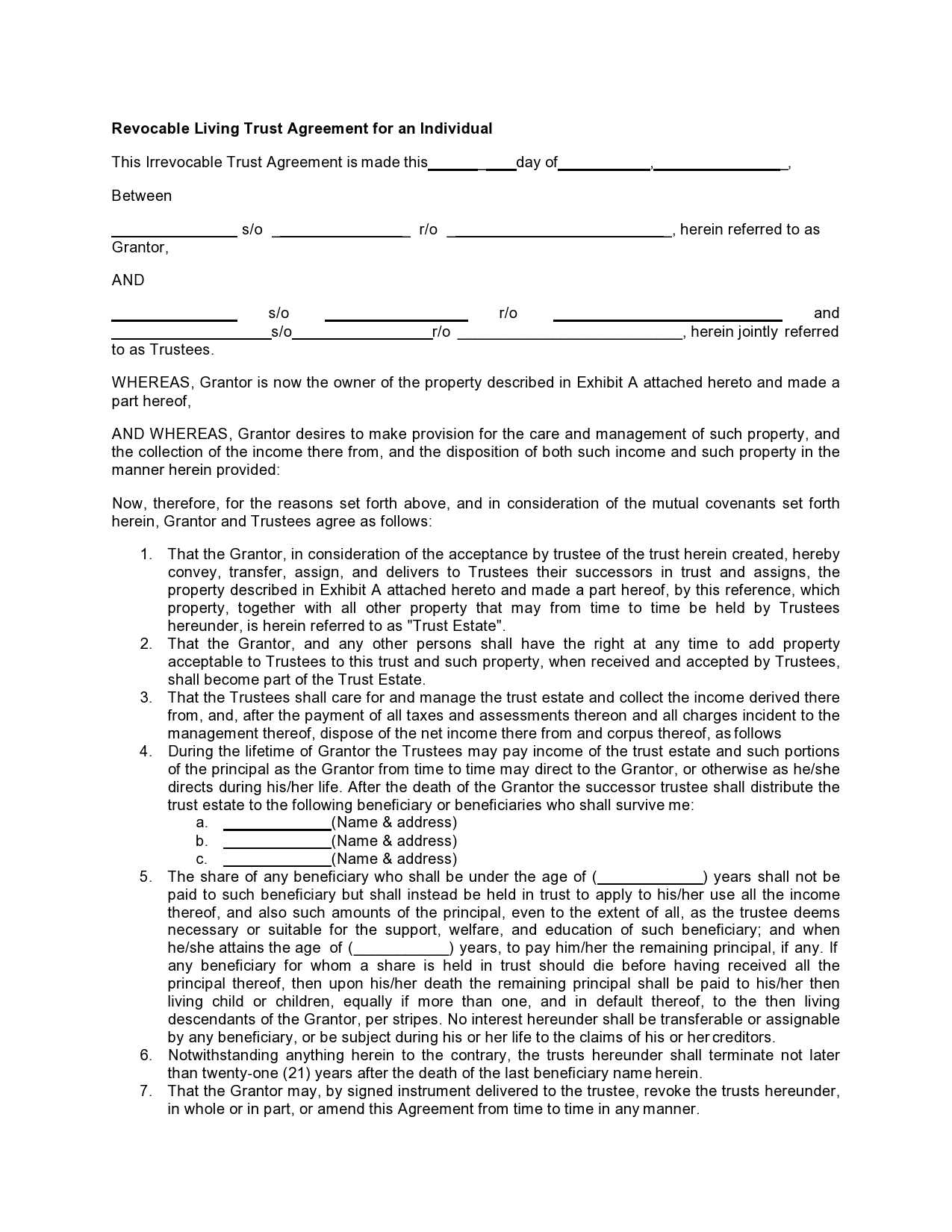
How to Create a Living Trust Form
Creating a living trust form involves several steps, including:
- Evaluate Your Assets: Take an inventory of all your assets to determine what should be included in the trust.
- Choose a Trustee: Select a trustworthy individual or institution to act as the trustee of the trust.
- Draft the Trust Document: Work with an attorney to draft a legally binding trust document that reflects your wishes.
- Transfer Assets: Transfer ownership of your assets into the trust by updating titles and beneficiary designations.
- Review and Update Regularly: Periodically review and update your trust to ensure it remains current and aligned with your wishes.
Tips for Successful Estate Planning with a Living Trust
To make the most of your living trust form as an estate planning tool, consider the following tips:
- Consult with an Attorney: Seek the advice of a qualified estate planning attorney to ensure your trust is legally sound.
- Communicate Your Wishes: Clearly communicate your wishes to your trustee and beneficiaries to avoid confusion or disputes.
- Update Regularly: Review and update your trust as needed, especially after major life events such as marriage, divorce, or the birth of children.
- Consider Asset Protection: Use a trust to protect your assets from creditors or lawsuits, depending on your individual circumstances.
- Provide Detailed Instructions: Be specific in your instructions to ensure that your assets are managed and distributed according to your wishes.
- Seek Professional Guidance: Work with financial advisors and tax professionals to maximize the benefits of your living trust form.
In Conclusion
A living trust form can be a valuable tool in estate planning, providing a way to manage and distribute your assets both during your lifetime and after your death. By specifying who will manage your assets and who will inherit them, you can avoid the costly and public probate process, ensure your assets are managed in case of incapacity, and provide for minor children. With careful planning and attention to detail, a living trust form can give you peace of mind knowing that your wishes will be carried out according to your instructions.
