As a freelance graphic designer, creating and sending invoices is a crucial part of running your business. An invoice is a billing document that you send to your clients detailing the services you have provided and the costs associated with them. It serves as a formal request for payment and helps you keep track of your earnings and expenses.
In this comprehensive guide, we will explore the importance of an invoice for freelance graphic designers, key elements to include in a graphic design invoice, how to create an invoice, when to send your invoice, and tips for success as a freelance graphic designer.
The Importance of an Invoice for Freelance Graphic Designers
Creating and sending invoices is essential for freelance graphic designers to ensure timely payment for their work. Invoices serve as a legal document that outlines the terms of the agreement between the designer and the client. They help establish a professional relationship and provide a record of the services rendered and the corresponding fees.
Professionalism
Invoices play a crucial role in presenting a professional image to clients. They demonstrate that you are a serious business professional who values transparency and clear communication in all aspects of your work.
Clarity
Clarity is key in any business transaction, and invoices provide a clear breakdown of the services provided, costs involved, and terms of payment. This clarity helps to avoid misunderstandings and disputes down the line.
Organization
By keeping detailed records of your projects, clients, payments, and outstanding balances, invoices help you stay organized and on top of your finances. This organization is essential for managing cash flow and tracking your business’s financial health.
Legal Protection
Invoices serve as a legal document that can be used as evidence in case of disputes or non-payment. Having a clear record of the services provided and the agreed-upon terms can protect you in the event of a contract breach or payment delay.
Key Elements in a Graphic Design Invoice
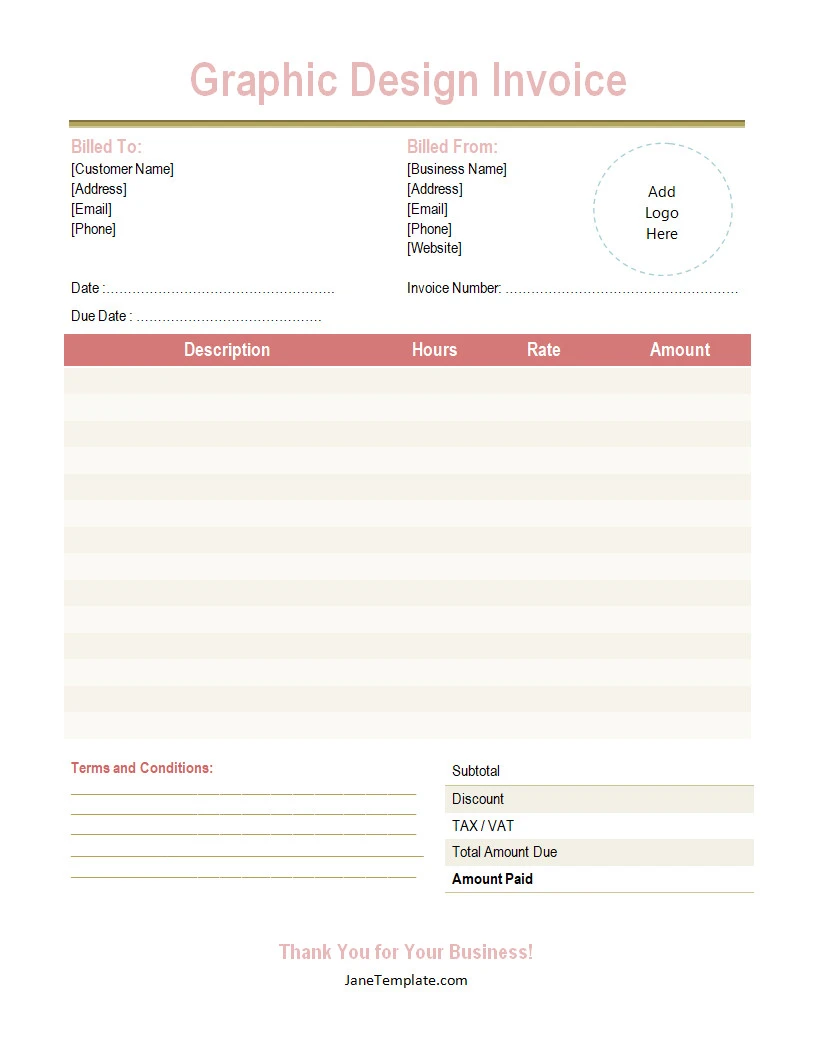
When creating a graphic design invoice, there are several key elements that you should include to ensure clarity and accuracy. These elements help both you and your client understand the terms of the agreement and facilitate prompt payment.
Client Information
Include detailed client information such as the client’s name, address, email, and phone number. This information ensures that the invoice reaches the correct person for payment processing and serves as a reference for future communication.
Designer Information
Provide your own contact information, including your name, business name (if applicable), address, email, and phone number. This information helps the client identify who the invoice is from and how to reach you for any questions or concerns.
Invoice Number
Assigning a unique invoice number to each invoice helps you track and organize your billing records. Sequentially numbering your invoices also adds a level of professionalism and makes it easier to reference specific transactions in the future.
Date
Include the date the invoice was created and the due date for payment. This establishes a clear timeline for payment processing and helps both you and the client stay on track with financial obligations.
Description of Services
Provide a detailed description of the services rendered in the invoice. This can include the scope of work, project details, timelines, and any specific requirements or deliverables that were agreed upon between you and the client.
Itemized Costs
Break down the costs of each service provided in your invoice. This can include hourly rates, flat fees, expenses, taxes, and any other charges associated with the project. A detailed breakdown helps the client understand what they are paying for and builds transparency in the billing process.
Total Amount Due
Calculate the total amount due based on the services provided and itemized costs in the invoice. Clearly display the total amount that the client is expected to pay, including any discounts, deposits, or adjustments applied to the final bill.
Payment Terms
Clearly outline the payment terms in your invoice. This includes specifying the due date for payment, accepted payment methods (such as bank transfer or credit card), and any late payment fees or penalties for overdue invoices. Setting clear payment terms helps avoid payment delays and ensures a smooth transaction process.
When creating your graphic design invoice, be sure to include all of these key elements to provide a comprehensive and detailed overview of the services provided and the costs associated with them. This not only helps you maintain professionalism in your business dealings but also ensures that both you and your client are on the same page regarding payment expectations.
How To Make An Invoice For Graphic Design
Creating an invoice for graphic design is a straightforward process that can be done using invoicing software, templates, or by hand. Here are some steps to follow when making an invoice:
Choose a Template
Selecting an invoice template that suits your branding and includes all the necessary elements is the first step in creating an invoice. You can find customizable templates online or create your own design that reflects your business aesthetic.
Add Client and Designer Information
Input the client’s and your contact details, including names, addresses, phone numbers, and email addresses. Double-check this information for accuracy to ensure that the invoice reaches the right recipient and that you can be easily contacted for any queries.
Include Services and Costs
List the services provided in detail, including a breakdown of costs for each service. Include hourly rates, project fees, additional charges, and any applicable taxes to give the client a transparent view of the billing process.
Calculate Total Amount Due
Sum up the costs of all services provided to determine the total amount due. Make sure to include any discounts, deposits, or adjustments to provide a clear picture of the final bill that the client needs to pay.
Set Payment Terms
Specify the payment terms clearly in your invoice. This includes outlining the due date for payment, accepted payment methods, and any late payment fees or penalties for overdue invoices. Clearly defined payment terms help avoid confusion and ensure a smooth payment process.
Proofread and Send
Before sending your invoice, take the time to review it for accuracy. Check all calculations, ensure that all information is correct and up to date, and verify that the invoice reflects the agreed-upon terms of the project. Once you are satisfied with the invoice, send it to the client promptly for payment processing.
By following these steps and creating a comprehensive and detailed invoice for your graphic design services, you can streamline your billing process, maintain professionalism in your client interactions, and ensure prompt payment for your creative work.
When to Send Your Invoice?
Deciding when to send your invoice can impact the efficiency of your payment process and the overall client experience. It’s important to find the right balance between sending invoices promptly and allowing enough time for clients to review the work and process payment. Here are some considerations to keep in mind when determining when to send your invoice:
Upon Project Completion
Some freelance graphic designers prefer to send their invoices immediately upon project completion. This approach ensures that the invoice is fresh in the client’s mind and allows for prompt payment processing once the work is delivered.
At the End of the Month
Another common practice is to send invoices at the end of the month for all completed projects. This method consolidates billing into one monthly statement for the client and streamlines the invoicing process for the designer.
According to the Agreement Terms
Some freelance graphic designers specify in their contract agreements when invoices will be sent and when payments are due. This approach sets clear expectations for both parties and helps maintain consistency in the billing cycle.
Upon Client Approval
Waiting to send the invoice until after the client has approved the final work can help ensure that all project details are finalized and that the client is satisfied with the results. This minimizes the risk of payment disputes and delays.
After Delivery of Final Files
Sending the invoice after delivering the final project files allows the client to review the work and confirm that all deliverables have been met. This can help build trust and confidence in your services and increase the likelihood of prompt payment.
How To Be Successful As a Freelance Graphic Designer
Being successful as a freelance graphic designer requires a combination of creative talent, business acumen, and effective client communication. Here are some tips to help you excel in your freelance graphic design career:
Build a Strong Portfolio
Your portfolio is a showcase of your best work and a powerful tool for attracting clients. Curate a diverse selection of projects that highlight your skills, creativity, and style to demonstrate your expertise and attract potential clients.
Network and Market Yourself
Networking is essential for growing your freelance graphic design business. Attend industry events, join online communities, and engage with potential clients to expand your network and reach new opportunities. Market your services through social media, your website, and professional platforms to increase visibility and attract clients.
Set Clear Terms and Boundaries
Establishing clear terms and boundaries with clients is crucial for a successful freelance career. Clearly define your services, rates, payment terms, project timelines, and communication channels to avoid misunderstandings and ensure fair compensation for your work.
Invest in Professional Development
Continuously improving your skills and staying updated on industry trends is key to staying competitive as a freelance graphic designer. Invest in professional development opportunities, attend workshops, take online courses, and stay current with design tools and software to enhance your skills and offer high-quality services to clients.
Provide Excellent Customer Service
Customer service is a vital aspect of building lasting client relationships. Maintain open communication with clients, deliver projects on time, and be responsive to feedback and inquiries to ensure client satisfaction. Building trust and rapport with clients can lead to repeat business and referrals.
Manage Your Finances Wisely
Financial management is essential for the success of your freelance graphic design business. Keep detailed records of your earnings and expenses, set aside savings for taxes, and establish a consistent invoicing and payment process to ensure financial stability and growth. Consider working with an accountant or financial advisor to help manage your finances effectively.
Seek Feedback and Learn from Mistakes
Feedback is a valuable tool for growth and improvement as a freelance graphic designer. Request feedback from clients, peers, and mentors to gain insights into your work and identify areas for development. Learn from any mistakes or challenges you encounter and use them as opportunities for growth and learning.
By following these tips and strategies, you can enhance your skills, build a strong client base, and achieve success as a freelance graphic designer. Remember that success in freelancing requires dedication, creativity, and continuous learning to thrive in a competitive industry.
Free Graphic Design Invoice Template
A Graphic Design Invoice helps designers bill clients clearly and professionally for creative services. It provides a structured format for listing project details, services rendered, rates, and payment terms, ensuring transparency and accurate record-keeping. With a well-designed template, you can streamline invoicing, maintain a professional image, and get paid on time.
Download our Graphic Design Invoice Template today to create polished invoices and manage payments with confidence.
Graphic Design Invoice Template – DOWNLOAD
