An eviction notice is more than just a piece of paper—it is a formal legal instrument that sets the stage for one of the most serious actions in property management: removing a tenant from a rental property. Whether you are a landlord seeking to protect your investment or a tenant trying to understand your rights, the eviction notice represents the beginning of a structured legal process.
This article provides a comprehensive, in-depth exploration of eviction notices, covering their purpose, legal framework, practical steps, and strategies for successful outcomes. Written in formal yet engaging English, this guide ensures clarity while maintaining a natural conversational tone, helping readers grasp both the technical and human aspects of eviction proceedings.
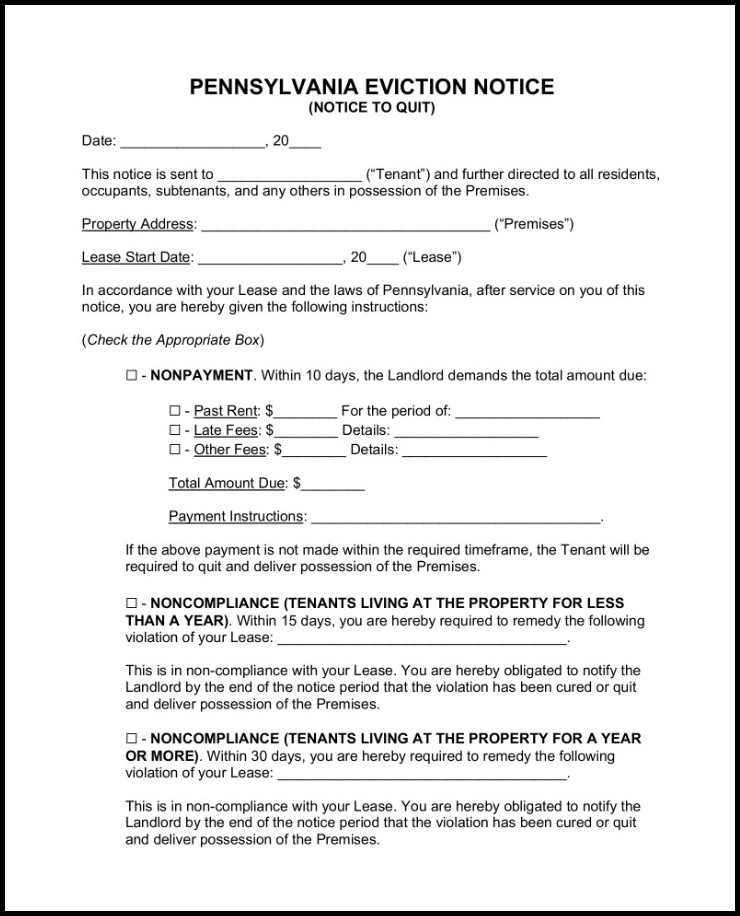
What Is an Eviction Notice?
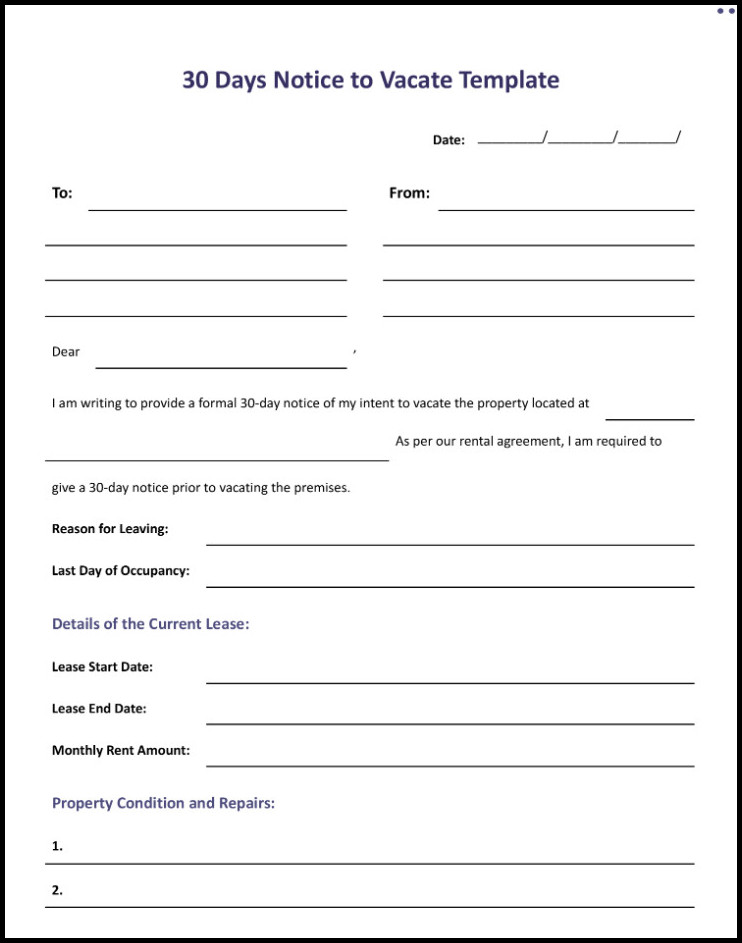
An eviction notice is a formal written document issued by a landlord to a tenant, informing them that they must vacate the rental property within a specified period. This document typically arises due to a breach of the lease agreement, such as non-payment of rent, violation of property rules, or the expiration of a tenancy agreement. It is not merely a warning but a critical first legal step in the eviction process, serving as official documentation that the landlord has notified the tenant of the issue and provided an opportunity to rectify it.
In legal terms, an eviction notice ensures that due process is followed. Courts often require proof that the tenant was given sufficient notice before any formal eviction proceedings can begin. Without this document, a landlord may face delays or even dismissal of their case. From the tenant’s perspective, receiving an eviction notice does not necessarily mean immediate removal; instead, it often provides a chance to resolve the issue, such as paying overdue rent or correcting a lease violation.
Eviction notices can vary depending on jurisdiction, but they generally include key elements such as the reason for eviction, the timeframe for compliance or departure, and any actions the tenant can take to avoid eviction. Understanding the purpose and structure of this document is essential for both parties to navigate the situation effectively and lawfully.
- Formal Notification. It serves as an official written communication regarding tenancy termination.
- Legal Requirement. Most jurisdictions mandate an eviction notice before court proceedings.
- Opportunity to Remedy. Tenants may resolve the issue within the notice period.
- Documentation. Provides evidence that the landlord followed proper procedures.
Why Eviction Notices Are Important?
The importance of eviction notices cannot be overstated, as they form the backbone of lawful property management and tenant relations. For landlords, issuing an eviction notice is a safeguard that ensures compliance with local housing laws and protects against claims of unlawful eviction. Without this step, landlords risk legal penalties, financial losses, and reputational damage.
From a tenant’s perspective, eviction notices offer transparency and fairness. Rather than being abruptly removed from a property, tenants are given clear information about the issue and a reasonable timeframe to respond. This fosters a sense of procedural justice, even in difficult circumstances. Additionally, eviction notices can serve as a wake-up call, prompting tenants to address financial or behavioral issues before the situation escalates.
On a broader scale, eviction notices contribute to maintaining order within the rental market. They establish a standardized process that balances the rights and responsibilities of both landlords and tenants. This balance is crucial for ensuring that housing remains accessible while also protecting property owners’ investments.
In many cases, eviction notices also act as a negotiation tool. Landlords and tenants may use the notice period to reach an agreement, such as a payment plan or lease modification, thereby avoiding court involvement altogether. This not only saves time and money but also preserves the relationship between the parties.
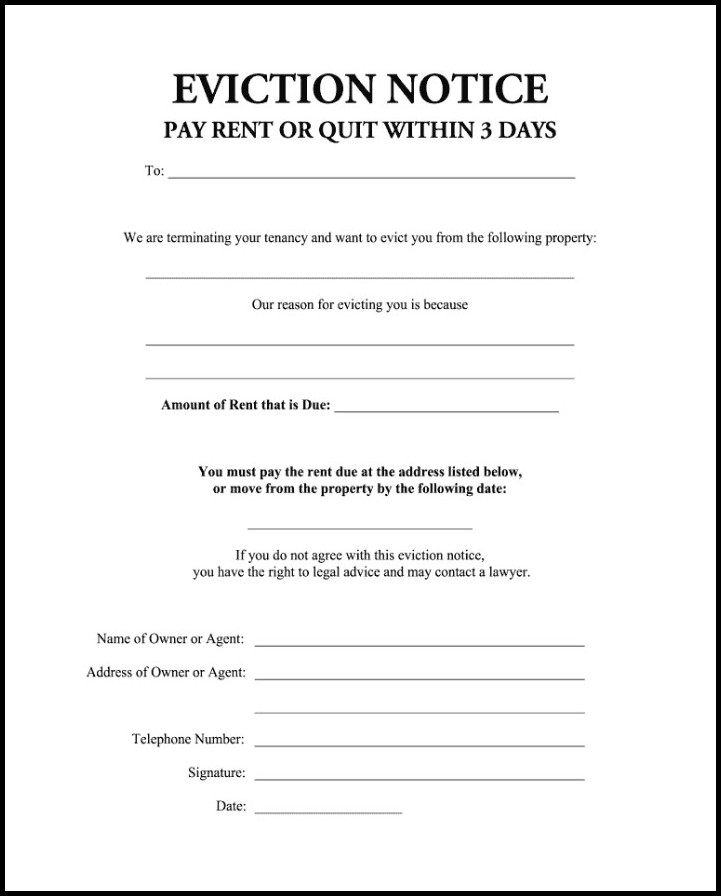
How to Write an Effective Eviction Notice
Drafting an effective eviction notice requires precision, clarity, and adherence to legal standards. A poorly written notice can lead to misunderstandings or legal challenges, potentially delaying the eviction process. Therefore, landlords must ensure that their notices are both comprehensive and compliant with local regulations.
The first step in writing an eviction notice is identifying the valid reason for eviction. This could include non-payment of rent, lease violations, property damage, or the end of a lease term. The reason must be clearly stated in the document, along with any supporting details. Ambiguity can weaken the notice’s legal standing.
Next, the notice should specify the timeframe within which the tenant must take action. This period varies depending on the type of eviction and local laws. For example, a notice for unpaid rent may provide a shorter timeframe compared to a notice for lease termination without cause. Including a precise deadline ensures that the tenant understands the urgency of the situation.
Additionally, the notice should outline the actions the tenant can take to avoid eviction, if applicable. For instance, a “pay or quit” notice allows the tenant to settle overdue rent within the specified period. Providing this option demonstrates good faith and may prevent further legal action.
- Include Tenant Information. Clearly state the tenant’s name and property address.
- State the Reason. Provide a detailed explanation of the violation or issue.
- Set a Deadline. Specify the exact date for compliance or vacating.
- Reference Lease Terms. Mention the clauses that have been violated.
- Ensure Legal Compliance. Follow local laws and formatting requirements.
How the Eviction Process Works
The eviction process begins with the issuance of an eviction notice and may culminate in a court-ordered removal if the tenant fails to comply. Understanding this process is crucial for both landlords and tenants, as it outlines the sequence of events and the rights of each party.
Once the eviction notice is served, the tenant is given a specific period to respond. During this time, the tenant may choose to rectify the issue, negotiate with the landlord, or prepare to vacate the property. If the tenant complies, the process typically ends without further action.
If the tenant does not comply, the landlord may file a formal eviction lawsuit, often referred to as an unlawful detainer action. The court will then schedule a hearing where both parties can present their cases. Evidence such as the eviction notice, lease agreement, and records of communication may be examined.
If the court rules in favor of the landlord, it will issue a judgment for eviction. This judgment authorizes law enforcement to remove the tenant if they do not leave voluntarily. It is important to note that landlords cannot forcibly remove tenants themselves; doing so may constitute illegal eviction.
The process, while structured, can vary significantly depending on jurisdiction. Therefore, both landlords and tenants should familiarize themselves with local laws to ensure compliance and protect their rights.
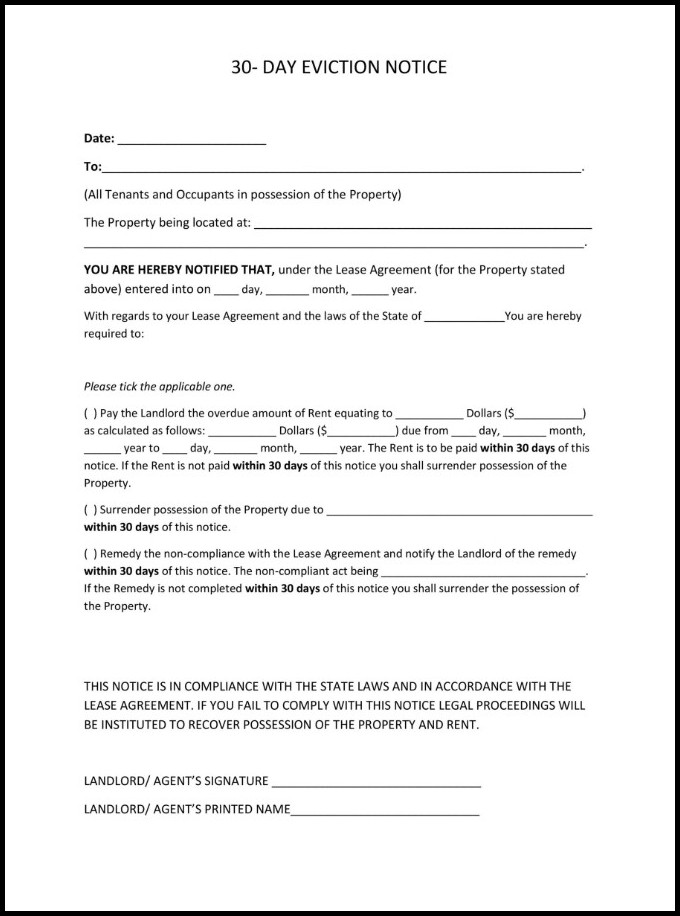
Tips for Successful Eviction Notice Handling
Handling eviction notices effectively requires a combination of legal knowledge, clear communication, and strategic planning. Whether you are a landlord issuing a notice or a tenant receiving one, following best practices can significantly improve outcomes and reduce stress.
1. Understand Local Laws
Different regions have specific rules governing eviction notices, including notice periods, acceptable reasons for eviction, and required documentation. Familiarizing yourself with these laws is essential to avoid costly mistakes.
2. Maintain Clear Communication
Open and respectful communication between landlords and tenants can often resolve issues before they escalate. Discussing concerns early may lead to mutually beneficial solutions.
3. Keep Detailed Records
Documentation is critical in eviction cases. Landlords should keep records of rent payments, communications, and lease agreements, while tenants should retain copies of notices and correspondence.
4. Seek Legal Advice
Consulting a legal professional can provide valuable guidance, particularly in complex cases. This ensures that all actions taken are lawful and defensible.
5. Act Promptly
Delays can complicate the eviction process. Both parties should respond to notices and deadlines on time to avoid further issues.
6. Consider Mediation
Mediation offers a less adversarial approach to resolving disputes. It allows both parties to negotiate terms with the help of a neutral third party.
7. Avoid Emotional Decisions
Evictions can be stressful, but decisions should be based on facts and legal considerations rather than emotions. Maintaining professionalism is key.
8. Plan for Next Steps
Both landlords and tenants should prepare for potential outcomes, including court proceedings or relocation. Having a plan reduces uncertainty and stress.
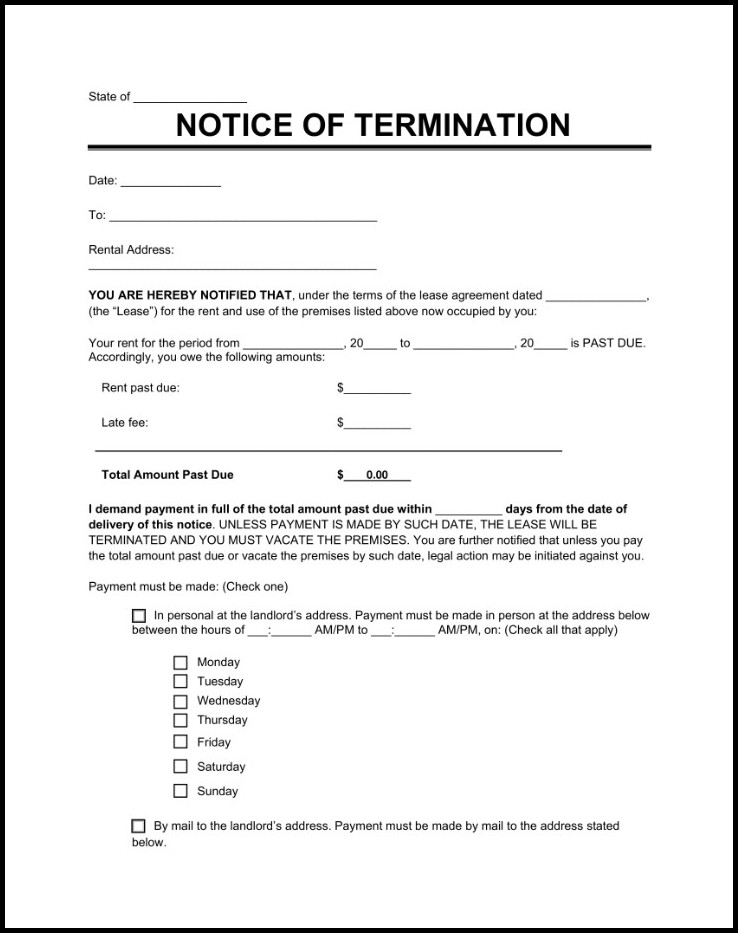
Common Mistakes to Avoid
Despite the structured nature of eviction procedures, mistakes are common and can have serious consequences. Landlords may inadvertently issue invalid notices, while tenants may fail to respond appropriately. Recognizing these pitfalls is the first step toward avoiding them.
One common mistake is failing to provide adequate notice. Each type of eviction requires a specific notice period, and any deviation can render the notice invalid. Another frequent error is incomplete or inaccurate documentation, which can weaken a landlord’s case in court.
Tenants, on the other hand, may ignore eviction notices, assuming they are not enforceable. This can lead to unfavorable court judgments and additional costs. Instead, tenants should take notices seriously and explore their options promptly.
Illegal eviction practices, such as changing locks or shutting off utilities, are also significant mistakes. These actions violate tenant rights and can result in legal penalties for landlords.
- Insufficient Notice. Not providing the legally required timeframe.
- Incomplete Information. Missing key details in the notice.
- Ignoring Legal Procedures. Skipping required steps before court action.
- Tenant Inaction. Failing to respond or seek assistance.
- Illegal Eviction Tactics. Using force or harassment.
- Lack of Documentation. Not keeping proper records.
Conclusion
Eviction notices are a fundamental component of property management and tenant relations, serving as the formal starting point for resolving serious disputes. While they may seem straightforward, their implications are significant, requiring careful attention to legal requirements and procedural fairness. By understanding what eviction notices are, why they matter, and how to handle them effectively, both landlords and tenants can navigate the process with greater confidence and clarity.
Ultimately, the goal of an eviction notice is not merely to remove a tenant but to provide a structured opportunity for resolution. When handled correctly, it can lead to fair outcomes, reduced conflict, and a more stable rental environment. Whether you are issuing or receiving an eviction notice, knowledge and preparation remain your most valuable tools.
