When planning an event, one of the most crucial aspects that often gets overlooked is budgeting. An event budget serves as a financial roadmap that controls spending, allocates resources effectively, and helps an event meet its financial goals, whether it’s turning a profit, breaking even, or incurring a loss.
By creating a structured framework for planning that details all potential expenses and revenue streams, an event budget ensures that stakeholders have a clear financial overview, aids in making informed decisions, and allows for post-event analysis of financial performance.
What is an Event Budget?
An event budget is a financial plan that outlines all the expenses and revenues associated with organizing and executing an event. It serves as a roadmap that helps event planners allocate resources effectively, control spending, and achieve financial goals.
By detailing all potential costs and income sources, an event budget provides a clear overview of the event’s financial health, allowing organizers to make informed decisions and adjust their plans as needed.
Why is Event Budgeting Important?
Event budgeting is essential for several reasons:
Financial Control
One of the primary reasons event budgeting is important is that it provides financial control. By setting a budget and tracking expenses, event organizers can prevent overspending and ensure that financial resources are allocated wisely. Without a budget in place, there is a higher risk of exceeding the available funds and encountering financial difficulties during the event planning process.
Resource Allocation
Effective resource allocation is another key benefit of event budgeting. By outlining all expenses and revenue sources in advance, event organizers can allocate resources—such as funds, personnel, and materials—strategically to maximize the event’s success. Budgeting helps prioritize spending based on the event’s objectives and ensures that resources are used efficiently to achieve desired outcomes.
Goal Achievement
An event budget plays a crucial role in helping event organizers achieve their financial goals. Whether the goal is to generate a profit, break even, or cover expenses without incurring a loss, a well-planned budget provides a roadmap for reaching these objectives. By aligning expenses with revenue projections, event organizers can work towards their financial targets and measure success based on budget performance.
Decision Making
A clear financial overview provided by an event budget enables stakeholders to make informed decisions throughout the event planning process. By having a detailed breakdown of expenses and revenues, event organizers can assess the financial implications of various choices, such as selecting a venue, hiring entertainment, or implementing marketing strategies. This financial insight empowers decision-makers to make sound choices that align with the event’s budgetary constraints.
Post-Event Analysis
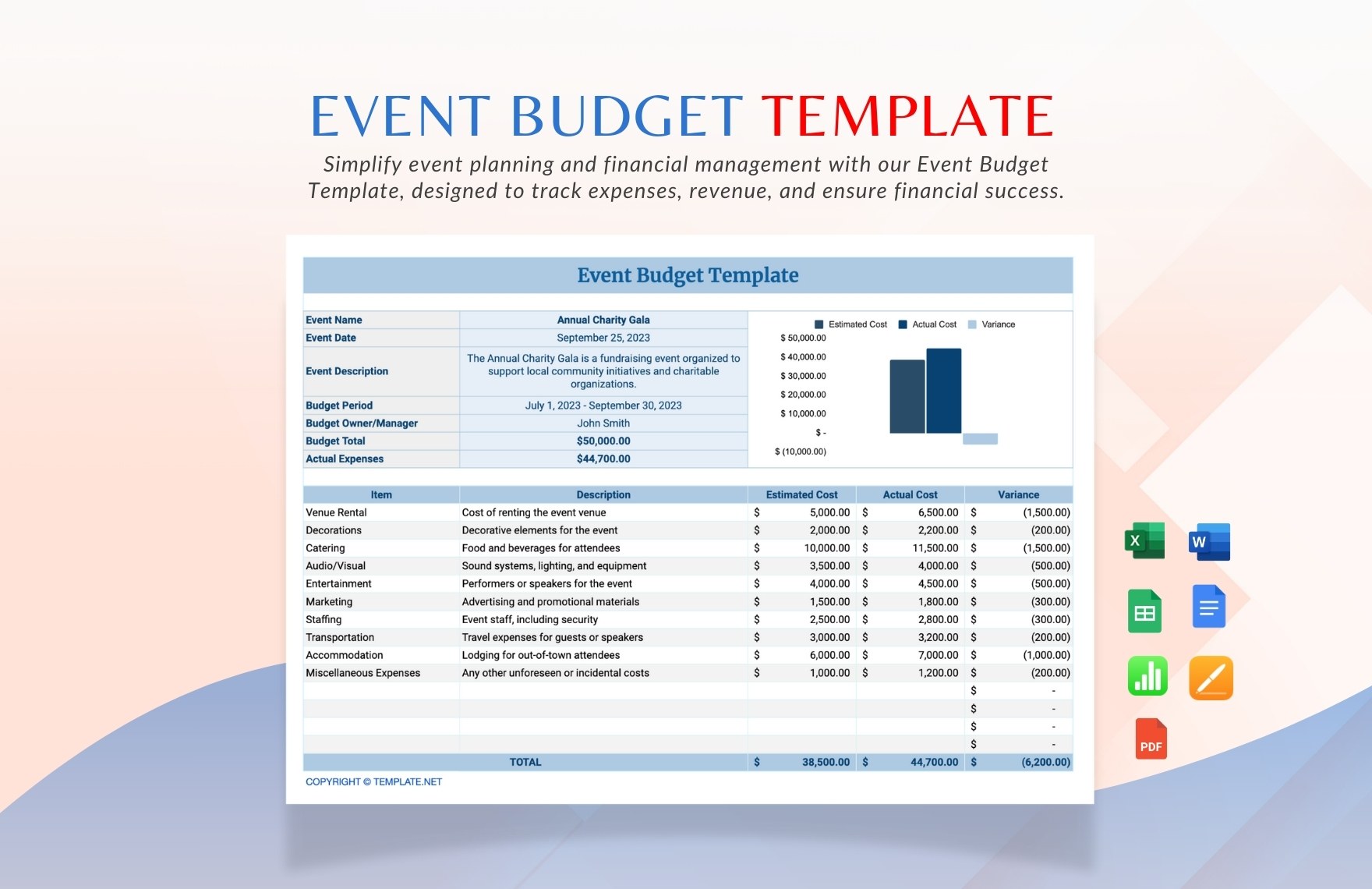
After the event is over, an event budget serves as a valuable tool for conducting post-event analysis. By comparing actual expenses and revenues against budgeted amounts, event organizers can evaluate the event’s financial performance and identify areas for improvement. This analysis helps identify inefficiencies, assess the return on investment for various expenses, and inform future budgeting decisions for subsequent events.
Key Elements of an Event Budget
Creating a comprehensive event budget involves considering several key elements:
Income Sources
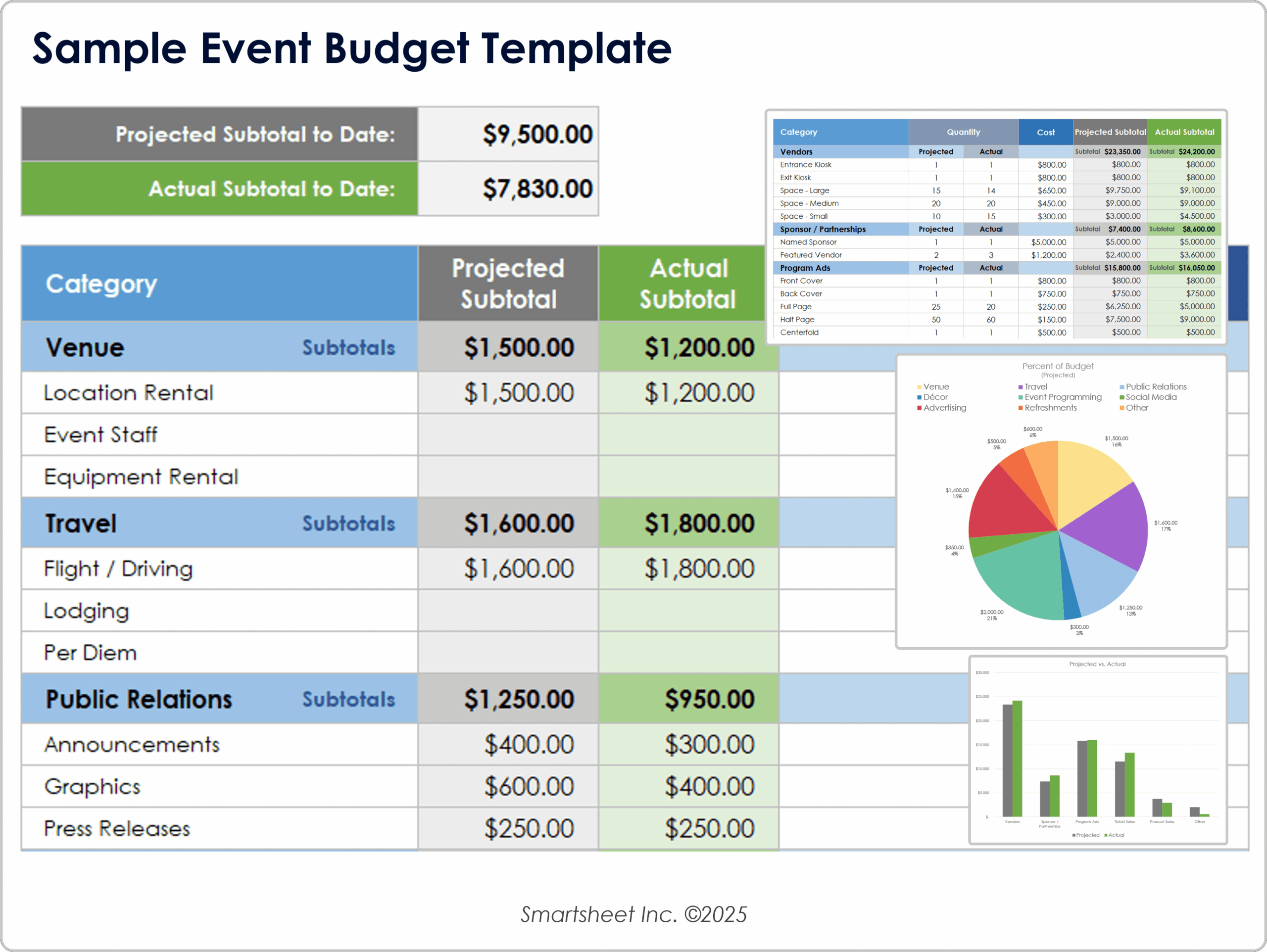
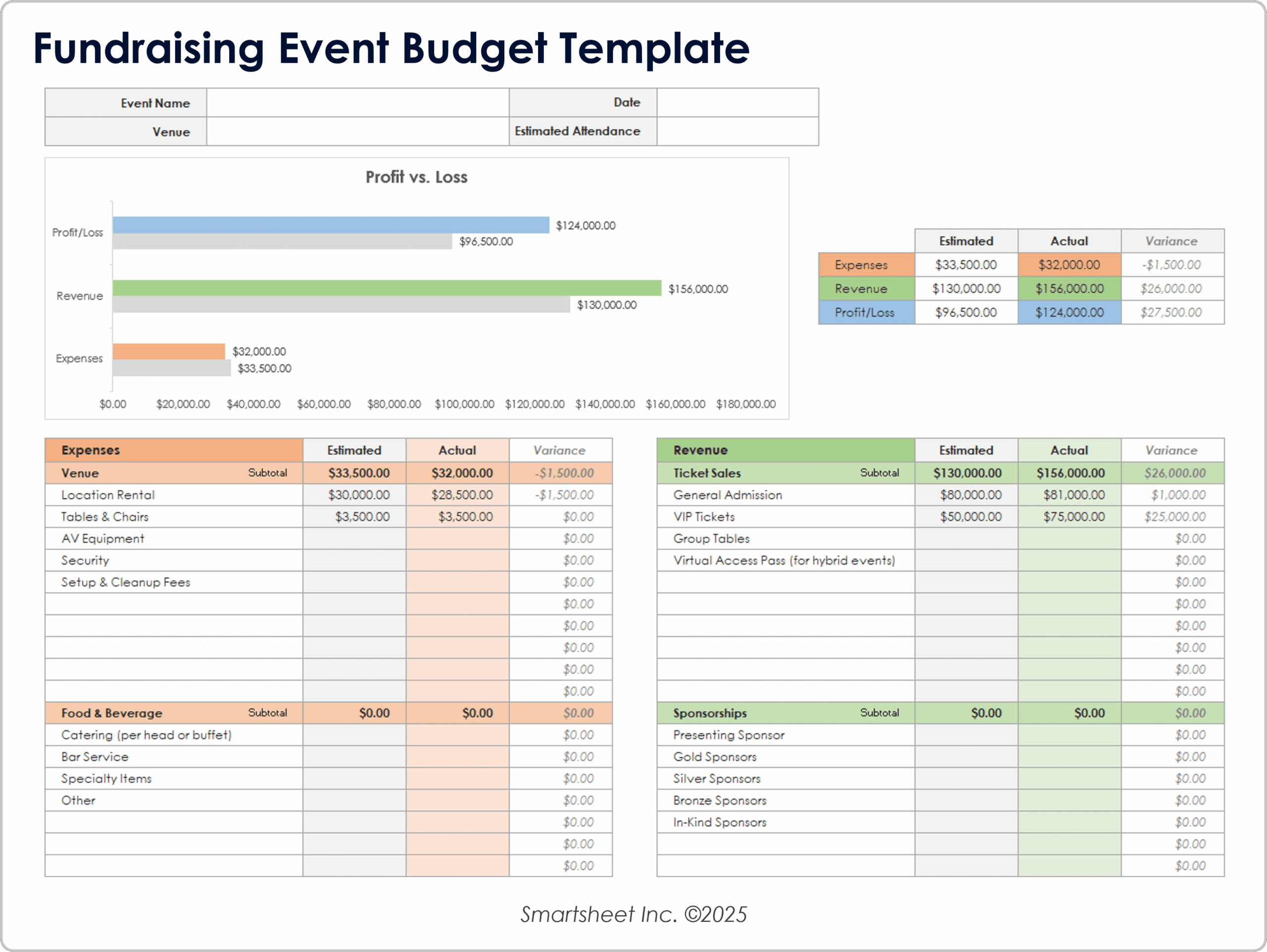
Identifying and maximizing income sources is a critical element of event budgeting. Event organizers should explore various revenue streams, such as ticket sales, sponsorships, partnerships, merchandise sales, and ancillary revenue opportunities. By diversifying income sources, organizers can mitigate financial risks and increase overall revenue potential for the event.
Expenses
Accurately estimating and categorizing expenses is essential for creating a realistic event budget. Expenses may include venue rental fees, catering costs, entertainment expenses, marketing and promotional expenses, staffing fees, equipment rentals, permits, insurance, and other operational costs. By detailing all expenses associated with the event, organizers can ensure that all financial aspects are considered and accounted for in the budget.
Contingency Fund
Allocating a contingency fund within the event budget is crucial to handle unforeseen expenses or emergencies that may arise during the event planning process. The contingency fund acts as a safety net to cover unexpected costs, such as last-minute changes, equipment failures, weather-related issues, or other unforeseen circumstances. By setting aside a portion of the budget for contingencies, event organizers can better prepare for unexpected financial challenges.
ROI Analysis
Conducting a return on investment (ROI) analysis for each expense item helps event organizers evaluate the financial impact of their decisions. By calculating the ROI of various expenditures, organizers can determine which investments yield the highest returns and contribute most significantly to the event’s overall financial success. This analysis enables organizers to prioritize budget allocations based on the expected ROI of each expense.
Tracking and Reporting
Consistent tracking of expenses and revenues throughout the event planning process is essential for maintaining financial accountability and transparency. Event organizers should document all financial transactions, monitor budget performance against targets, and generate regular financial reports for stakeholders. By keeping accurate records and providing detailed financial reports, organizers can ensure that all parties have a clear understanding of the event’s financial status.
Examples
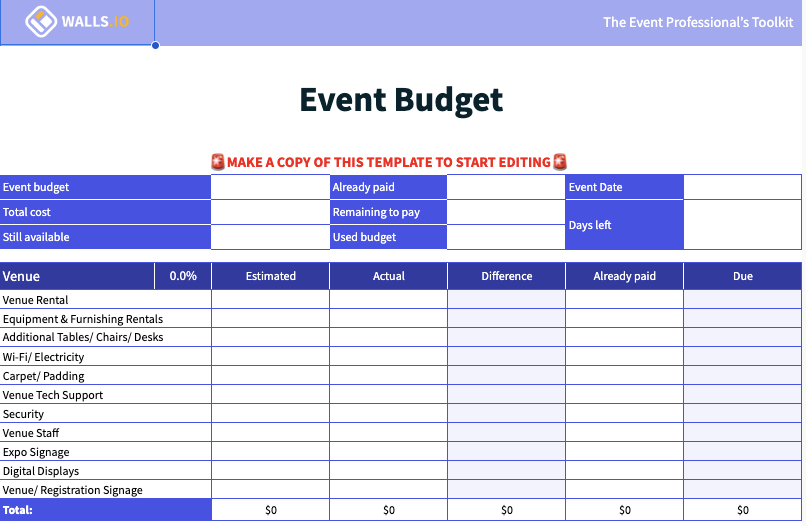
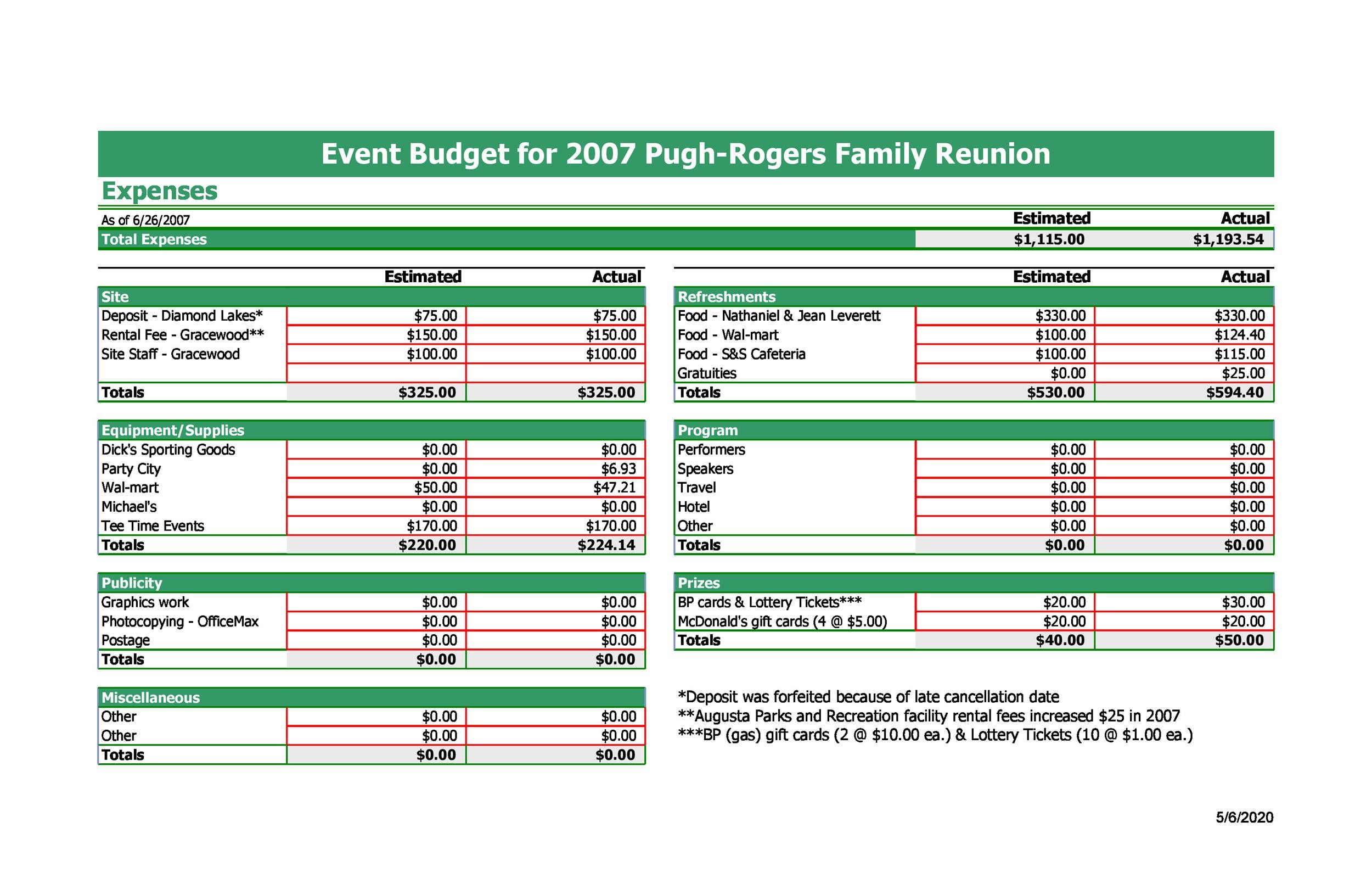
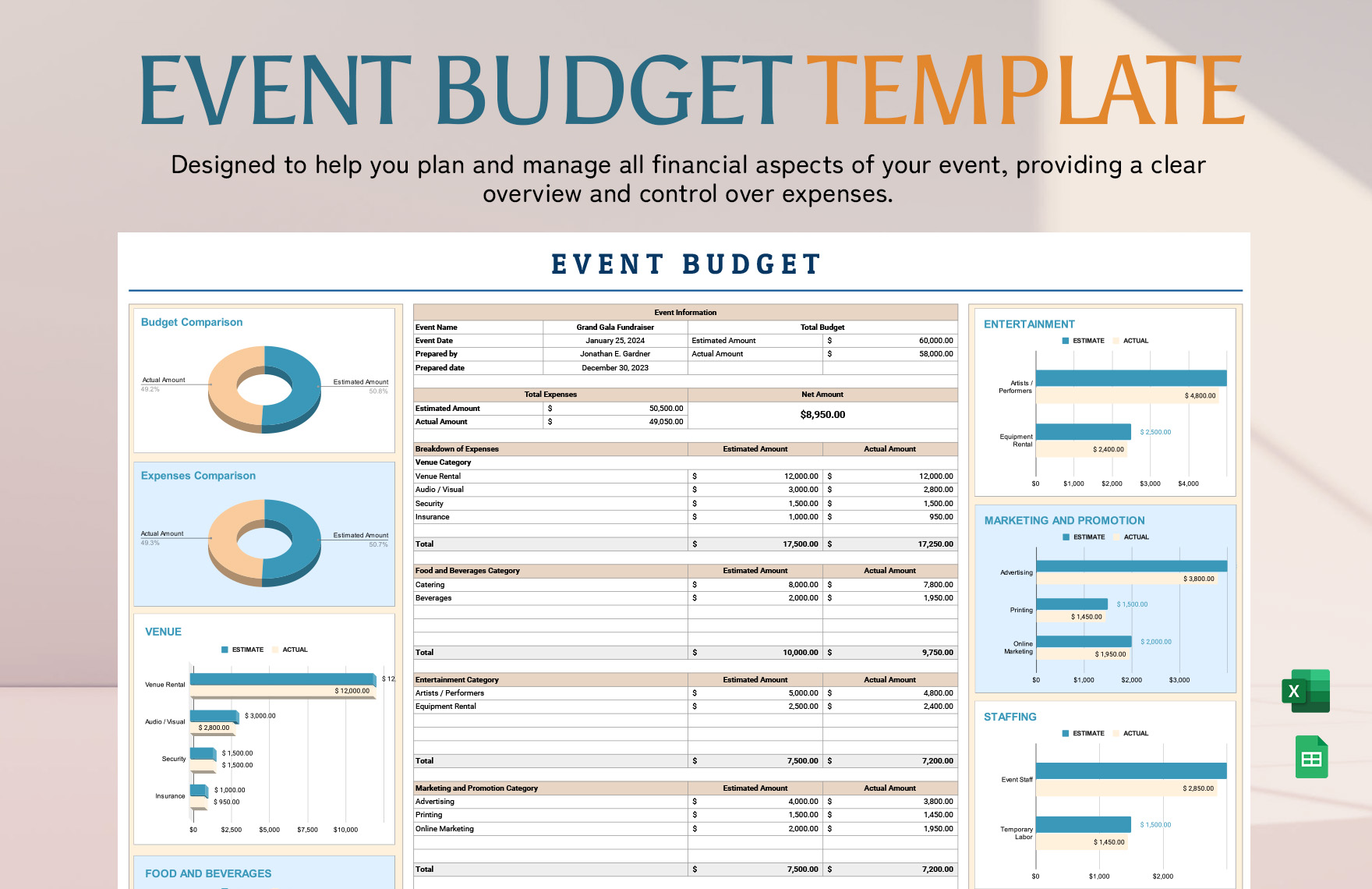
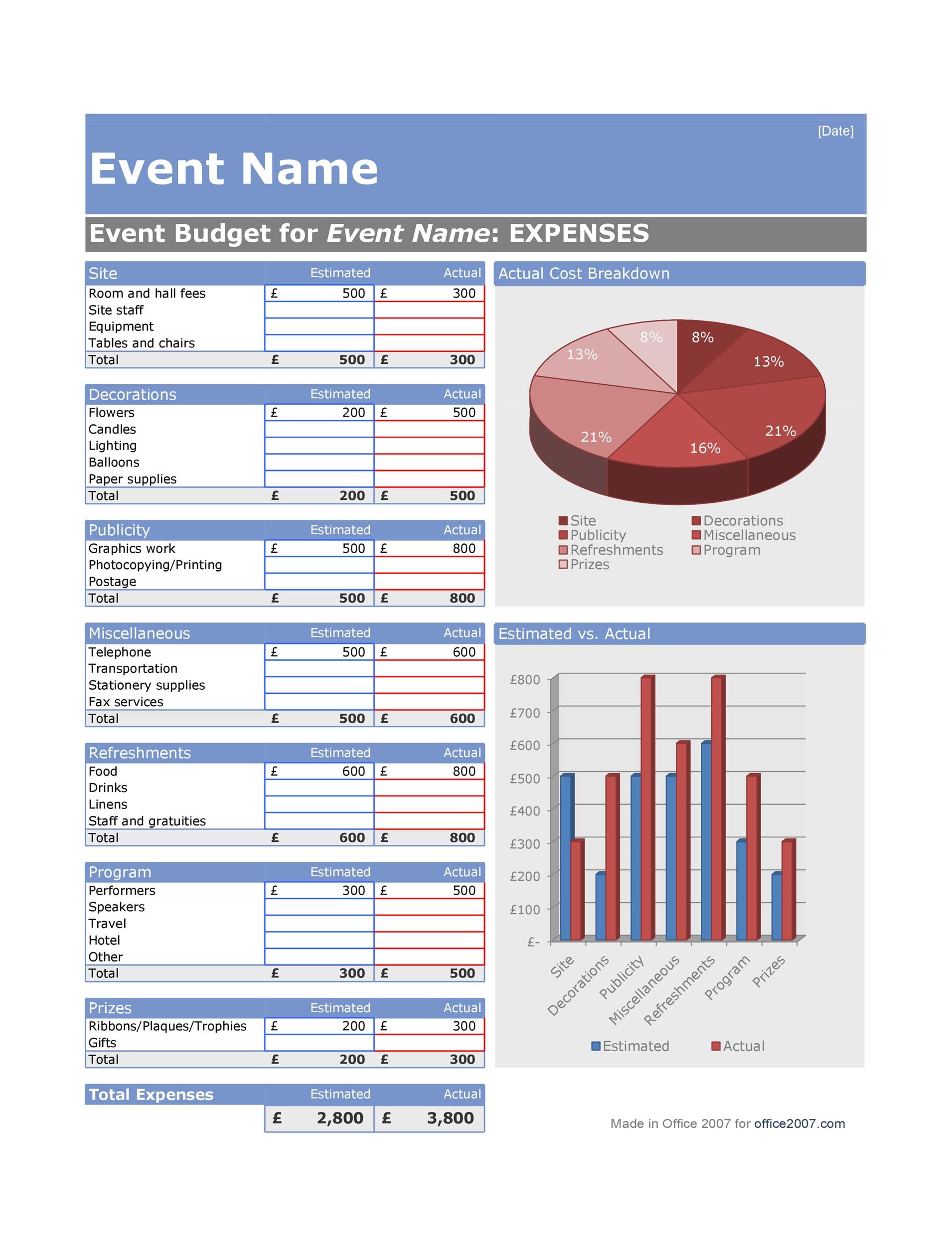
How to Create an Event Budget
Follow these steps to create an effective event budget:
1. Set Financial Goals
Define the financial goals of the event, whether it’s generating a profit, breaking even, or achieving a specific revenue target. Establishing clear financial objectives provides a framework for budget planning and helps align financial decisions with the event’s overall objectives.
2. Identify Revenue Sources
List all potential income sources, such as ticket sales, sponsorships, merchandise sales, and crowdfunding. Thoroughly research and evaluate revenue opportunities to maximize income potential and diversify revenue streams for the
3. Estimate Expenses
Calculate all expenses associated with the event, including venue rental, catering, entertainment, marketing, staffing, and logistics costs. Conduct thorough research to gather accurate cost estimates and allocate budget resources accordingly to cover all event expenses.
4. Allocate Resources
Determine how resources will be allocated to cover expenses and generate revenue, keeping in mind the overall financial goals of the event. Prioritize budget allocations based on the importance and impact of each expense item on the event’s success, ensuring that resources are distributed effectively to achieve desired outcomes.
5. Create a Contingency Fund
Set aside a percentage of the budget for unexpected expenses or emergencies that may arise during the event planning process. Establishing a contingency fund helps mitigate financial risks and provides a financial safety net to address unforeseen circumstances without compromising the event’s overall budget and success.
6. Monitor Expenses and Revenues
Track all expenses and revenues as the event unfolds, making adjustments as needed to stay within budget and achieve financial goals. Regularly monitor budget performance, compare actual expenses and revenues against budget projections, and identify any deviations that require corrective action to ensure financial stability and success.
7. Generate Reports
Prepare detailed financial reports for stakeholders, highlighting key expenses, revenues, and the overall financial performance of the event. Provide comprehensive financial documentation that offers transparency and accountability, enabling stakeholders to assess the event’s financial status, make informed decisions, and evaluate the event’s financial success.
8. Conduct Post-Event Analysis
After the event is over, analyze the financial performance to identify strengths, weaknesses, opportunities, and threats. Evaluate budget variances, assess the return on investment for different expenses, and gather insights to improve future budgeting processes and financial decision-making for upcoming events. Use the post-event analysis to inform budget adjustments and enhance financial performance in future events.
9. Seek Feedback
Solicit feedback from stakeholders, sponsors, attendees, and team members to gather insights on the financial aspects of the event. Review feedback to identify areas for improvement, understand stakeholder perspectives on budgeting, and implement suggestions to enhance the financial planning process for future events. Engage in open communication to foster collaboration and continuous improvement in event budgeting practices.
10. Adjust Budget for Future Events
Utilize the insights gained from the post-event analysis and stakeholder feedback to adjust the budget for future events. Incorporate lessons learned, best practices, and recommendations to refine budgeting strategies, optimize resource allocation, and enhance financial performance in subsequent events. Continuously adapt and improve budgeting practices to meet evolving event requirements and financial objectives.
Tips for Successful Event Budgeting
Here are some tips to help you create a successful event budget:
1. Start Early
Begin budgeting as soon as possible to allow for thorough planning and adjustments. Starting early gives you more time to research costs, secure funding, and make informed decisions that align with your financial goals.
2. Be Realistic
Set realistic financial goals and expectations based on past data, industry standards, and market trends. Avoid overestimating revenue or underestimating expenses to ensure that your budget is achievable and sustainable.
3. Communicate Effectively
Keep stakeholders informed about budgetary constraints, financial decisions, and budget performance throughout the planning process. Open and transparent communication fosters trust, collaboration, and alignment of financial goals among all parties involved in the event.
4. Monitor and Adjust
Regularly monitor expenses and revenues, track budget performance, and make adjustments as needed to stay within budget constraints. Stay proactive in managing financial resources, identifying potential cost savings, and optimizing revenue streams to achieve financial success.
5. Learn from Mistakes
Use post-event analysis to identify mistakes, inefficiencies, and areas for improvement in your budgeting process. Reflect on past experiences, gather insights from budget variances, and implement corrective actions to enhance future budget planning and financial performance.
6. Seek Professional Help
Consider hiring a financial advisor, event planner, or budgeting expert with experience in event management to provide guidance, expertise, and support in creating a successful event budget. Leverage professional knowledge and skills to optimize budgeting practices and achieve financial objectives.
7. Stay Flexible
Be prepared to adapt to unexpected changes, challenges, and opportunities that may impact your event budget. Maintain flexibility in your financial planning, explore alternative solutions, and adjust your budget as needed to navigate uncertainties and ensure financial stability.
8. Celebrate Success
Recognize and celebrate financial milestones achieved through effective budgeting, strategic planning, and successful event execution. Acknowledge the efforts of your team, sponsors, and stakeholders in meeting financial goals, and use positive reinforcement to motivate continued success in future events.
By following these tips and creating a detailed event budget, you can ensure that your event stays on track financially, meets its goals, and sets the stage for future success.
