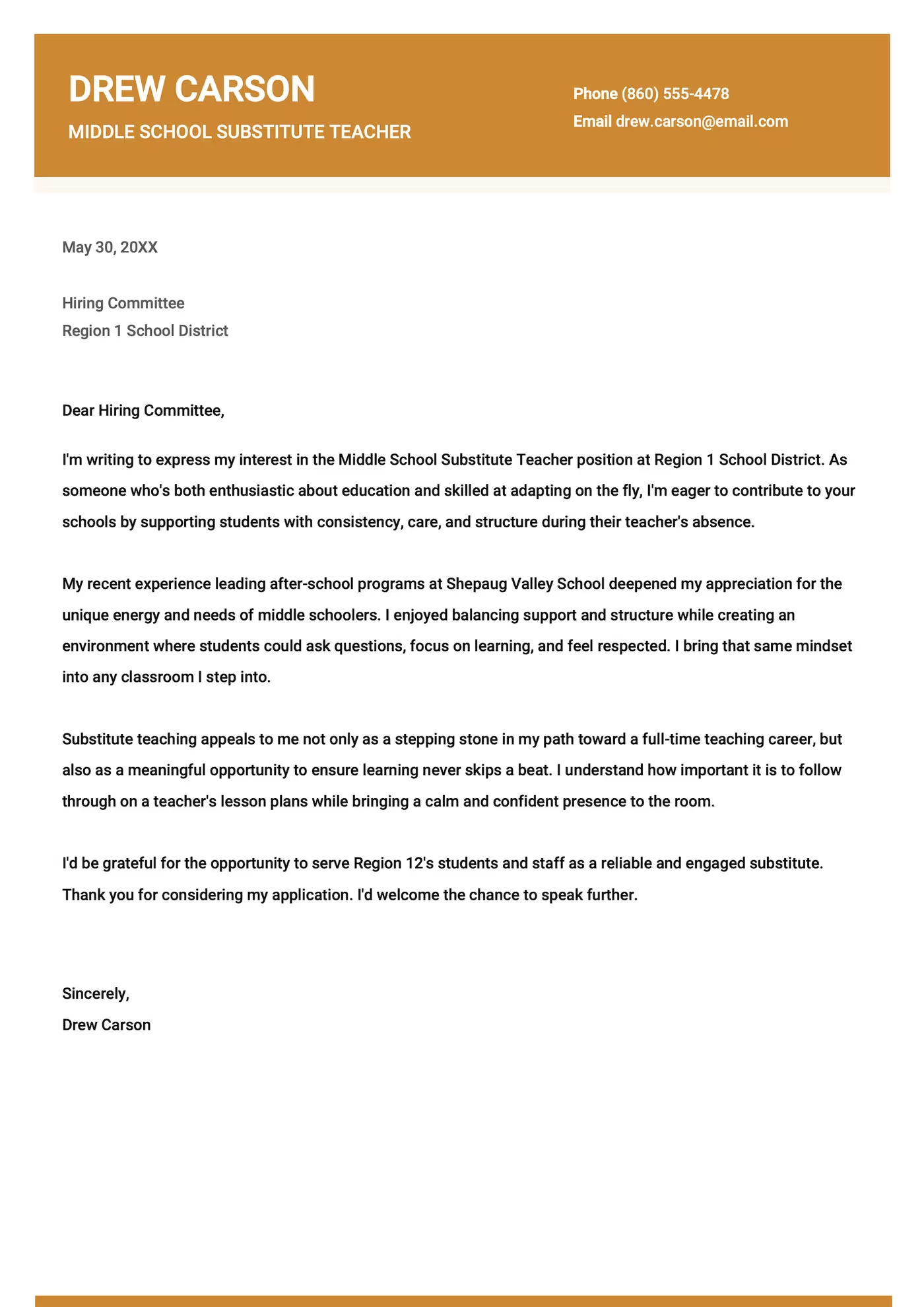
What is a Letter of Introduction for Teachers?
A letter of introduction for teachers is a powerful tool that allows educators to connect with parents and guardians by providing them with a glimpse into the teacher’s personality, teaching philosophy, and goals for the upcoming school year. It serves as a way to ease parental concerns, inspire their involvement in their child’s education, and set a positive tone for the academic year ahead.
Why is a Letter of Introduction Important?
Establishing a strong connection between teachers and parents is vital for a child’s academic success. When parents are informed about the teacher’s approach to education and feel confident in their abilities, they are more likely to be actively involved in their child’s learning journey. A well-crafted letter of introduction can help bridge the gap between home and school, fostering a collaborative relationship that benefits the student.
What to Include in a Letter of Introduction?
When writing a letter of introduction, teachers should consider including the following key elements:
- Introduction: Start by introducing yourself and sharing some personal details to help parents get to know you better.
- Teaching Philosophy: Explain your approach to teaching and learning, including any specific methods or strategies you use in the classroom.
- Goals for the Year: Outline your objectives for the upcoming school year and how you plan to support student growth and development.
- Practical Information: Provide details about your contact information, office hours, and preferred method of communication with parents.
- Expectations for Communication: Clearly communicate how parents can reach out to you with questions or concerns and how you plan to keep them updated on their child’s progress.
Examples
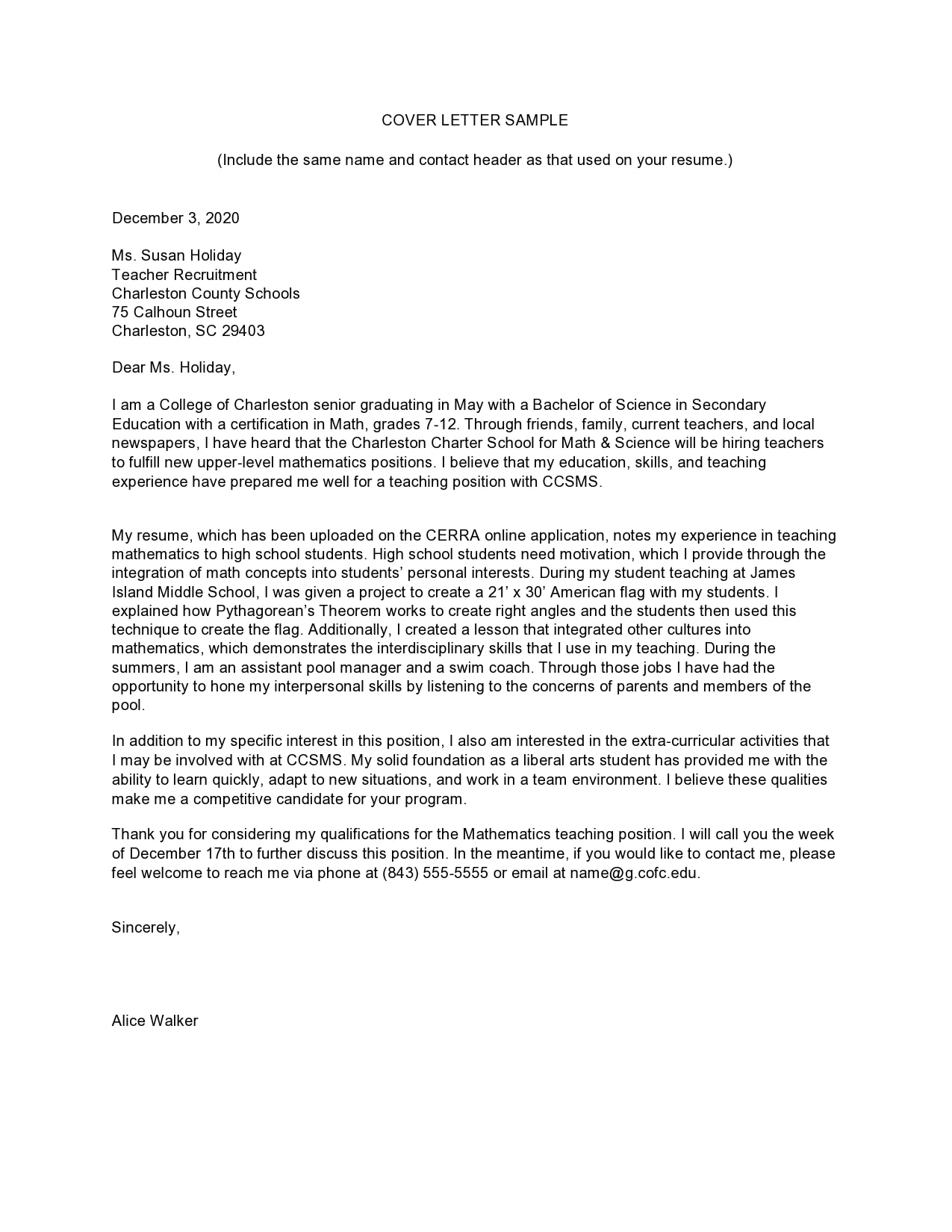
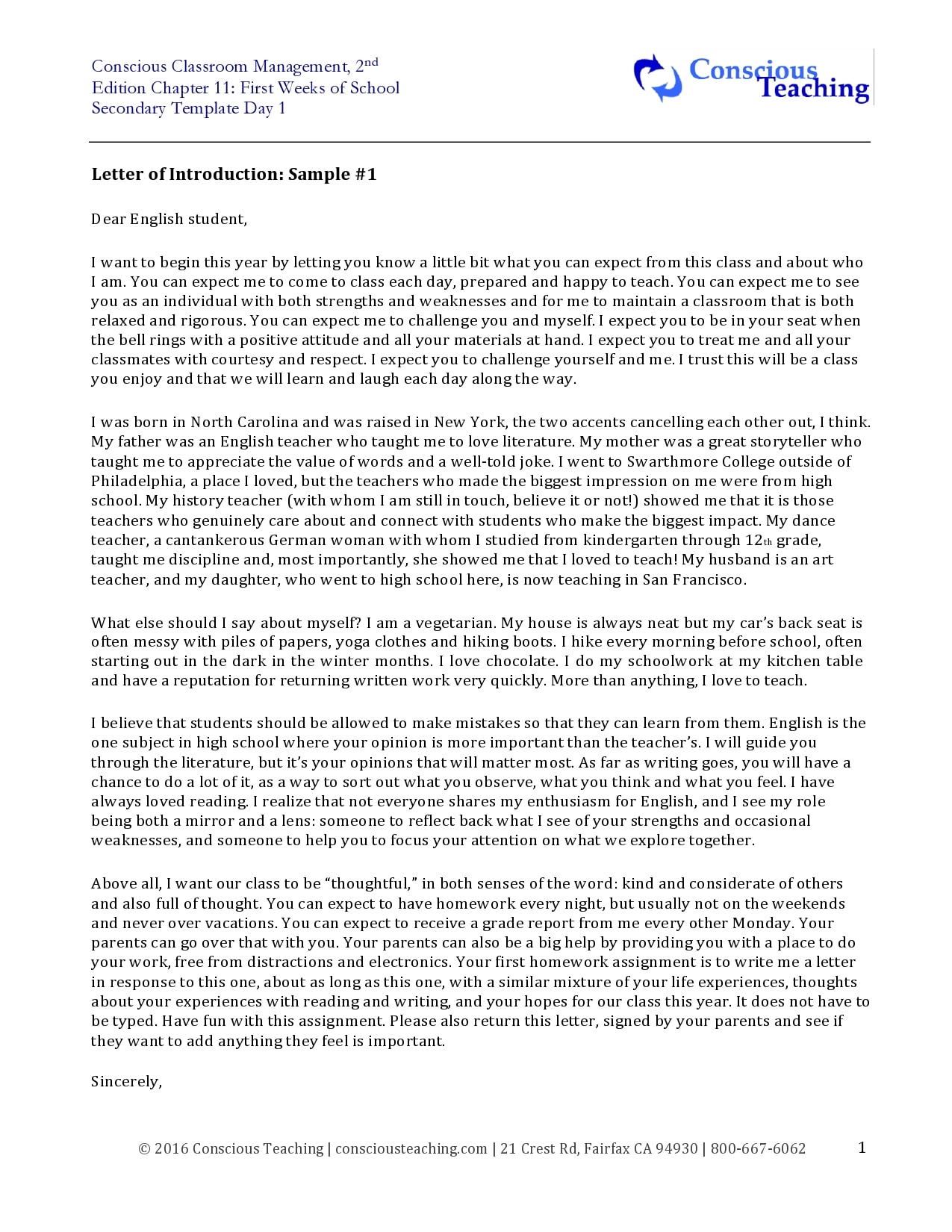
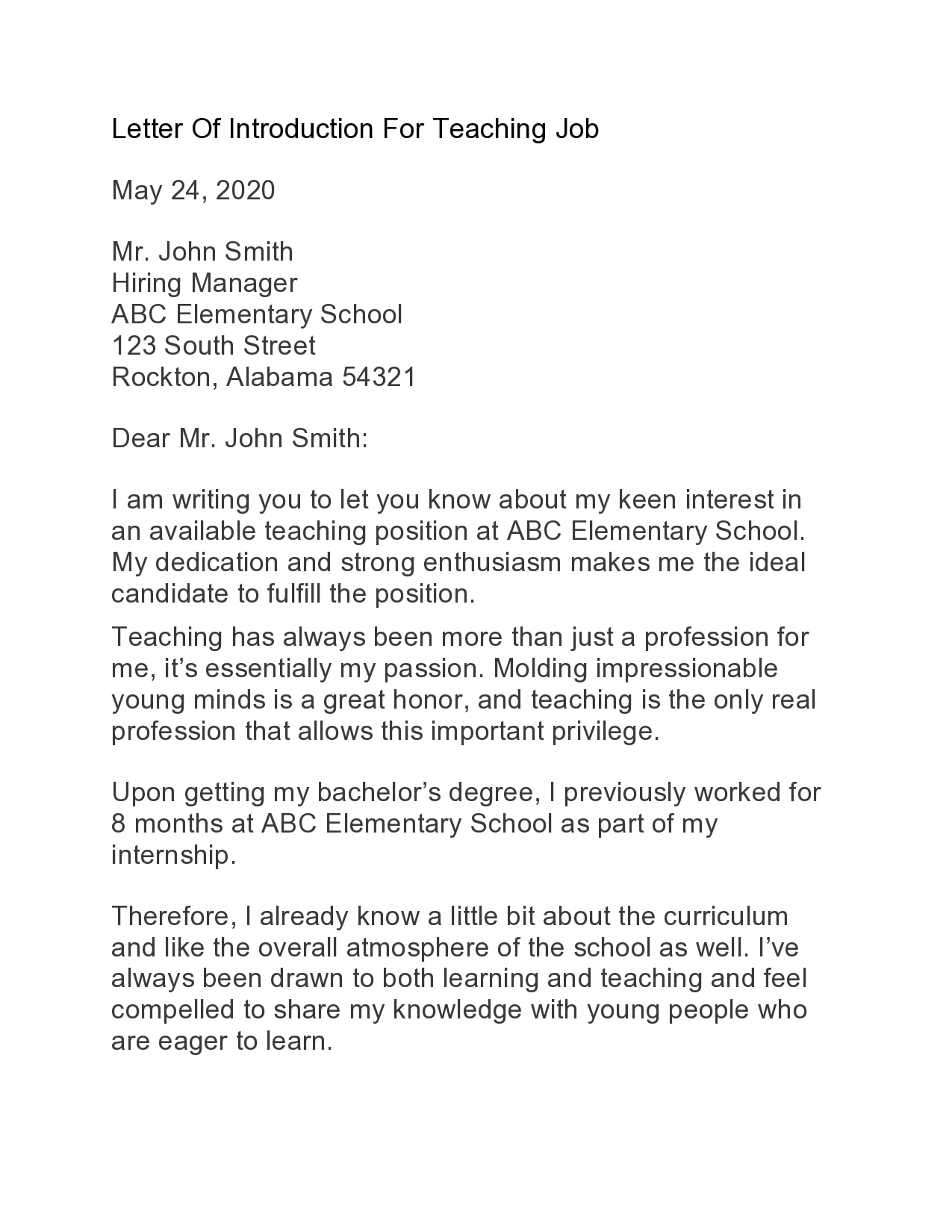
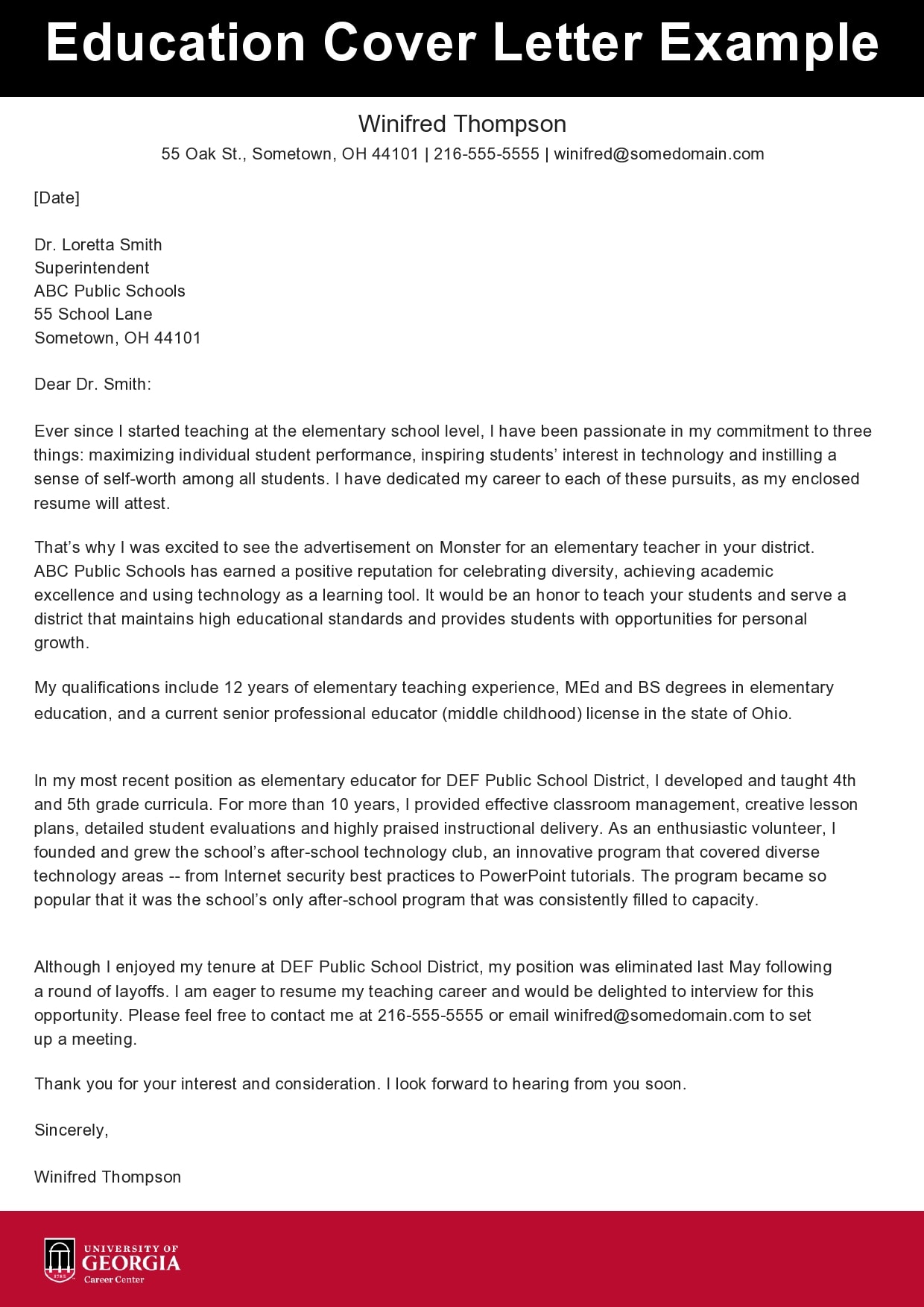
How to Write an Effective Letter of Introduction?
When writing a letter of introduction for parents and guardians, keep the following tips in mind:
- Be Authentic: Share personal anecdotes and insights to help parents connect with you on a personal level.
- Be Clear and Concise: Keep the letter focused and to the point, highlighting the most important information parents need to know.
- Show Enthusiasm: Express your excitement for the upcoming school year and your dedication to helping students succeed.
- Invite Feedback: Encourage parents to reach out with any questions or concerns they may have, fostering open communication from the start.
- Follow Up: After sending the letter, be proactive in reaching out to parents to discuss any questions or feedback they may have.
Tips for Building a Strong Connection with Parents and Guardians
Building a strong connection with parents and guardians is essential for creating a supportive learning environment for students. Here are some additional tips to help teachers foster positive relationships with parents:
1. Schedule Regular Check-Ins
Set aside time to meet with parents regularly to discuss their child’s progress, address any concerns, and celebrate successes.
2. Provide Regular Updates
Keep parents informed about their child’s academic performance, behavior, and any upcoming events or projects in the classroom.
3. Be Responsive
Respond to parent inquiries and concerns promptly, showing that you value their input and collaboration.
4. Offer Resources
Provide parents with resources and tools to support their child’s learning at home, such as reading lists, study guides, or educational websites.
5. Celebrate Achievements
Acknowledge and celebrate students’ achievements with parents, whether academic, social, or personal, to build a positive rapport.
6. Attend School Events
Show your support for the school community by attending events, fundraisers, and parent-teacher association meetings.
7. Seek Feedback
Solicit feedback from parents on ways to improve communication and collaboration, demonstrating your commitment to continuous growth.
8. Collaborate on Goals
Work together with parents to set academic and behavioral goals for their child, creating a shared sense of responsibility for their success.
9. Build Trust
Establish trust with parents by being honest, transparent, and reliable in your communication and interactions with them.
10. Show Appreciation
Express gratitude to parents for their support, involvement, and partnership in their child’s education, recognizing the value of their role in the learning process.
