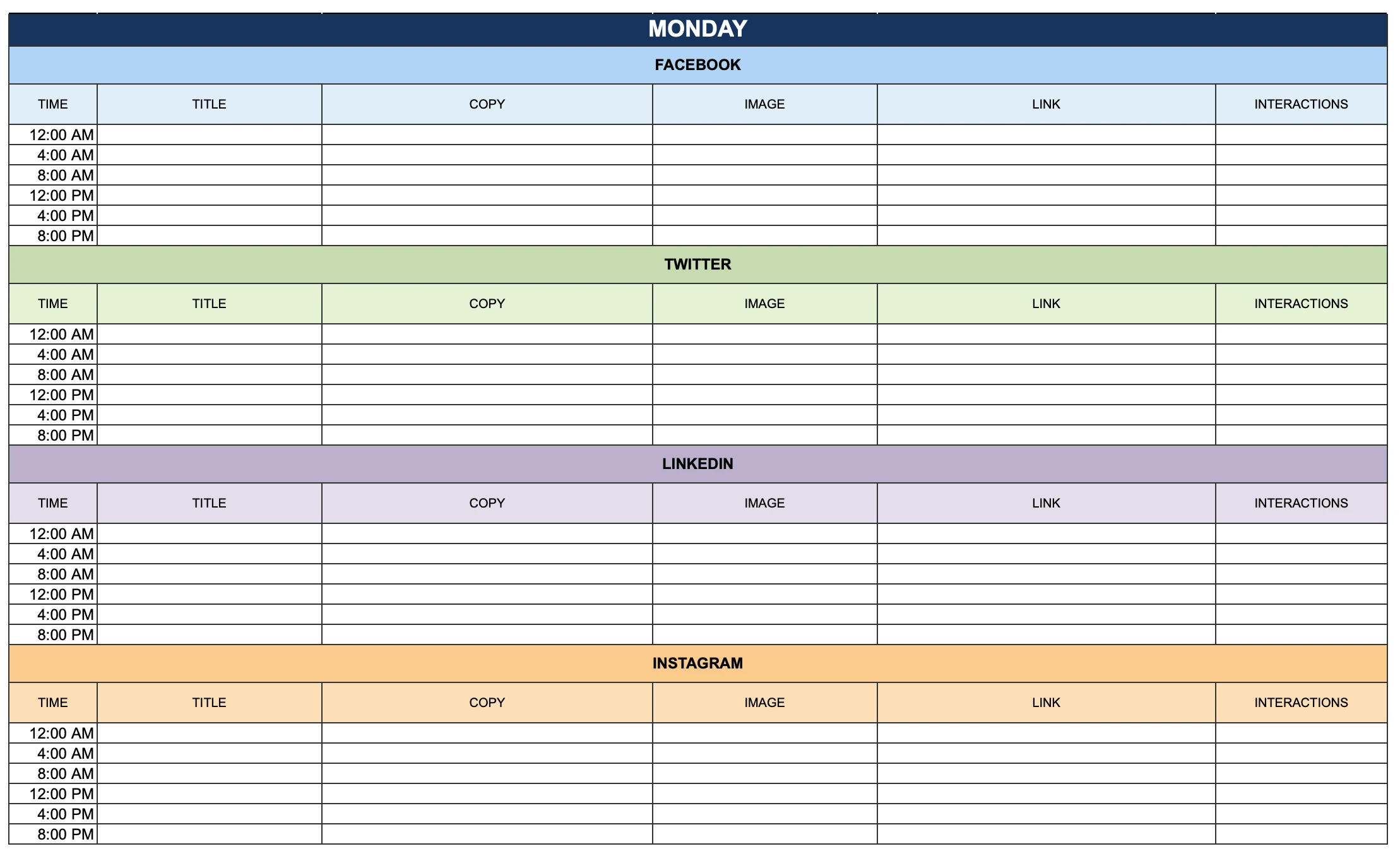
Marketing calendars are essential tools for businesses looking to stay organized and strategic with their content planning. By creating a marketing calendar, you can map out the content you plan to publish and schedule it on specific dates in advance. This allows you to maintain a consistent presence across your marketing channels and ensure that your content is aligned with your overall marketing goals.
In this guide, we will explore the importance of a marketing calendar, its key elements, and how you can create one for your business.
What is a Marketing Calendar?
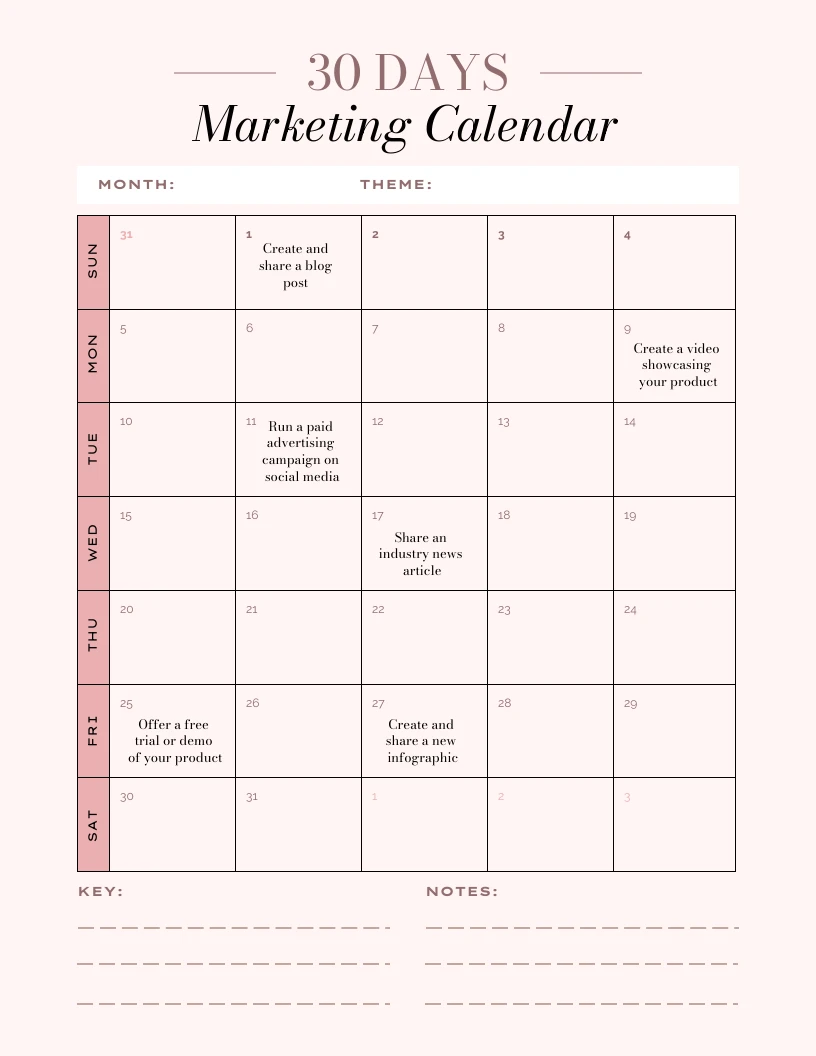
A marketing calendar is a visual representation of your content schedule, outlining the content you plan to publish and the dates on which it will be released. It serves as a roadmap for your marketing efforts, helping you stay organized, consistent, and on track with your content strategy. With a marketing calendar, you can plan and schedule your blog posts, social media updates, email campaigns, and other marketing activities in advance, giving you a clear overview of your marketing initiatives.
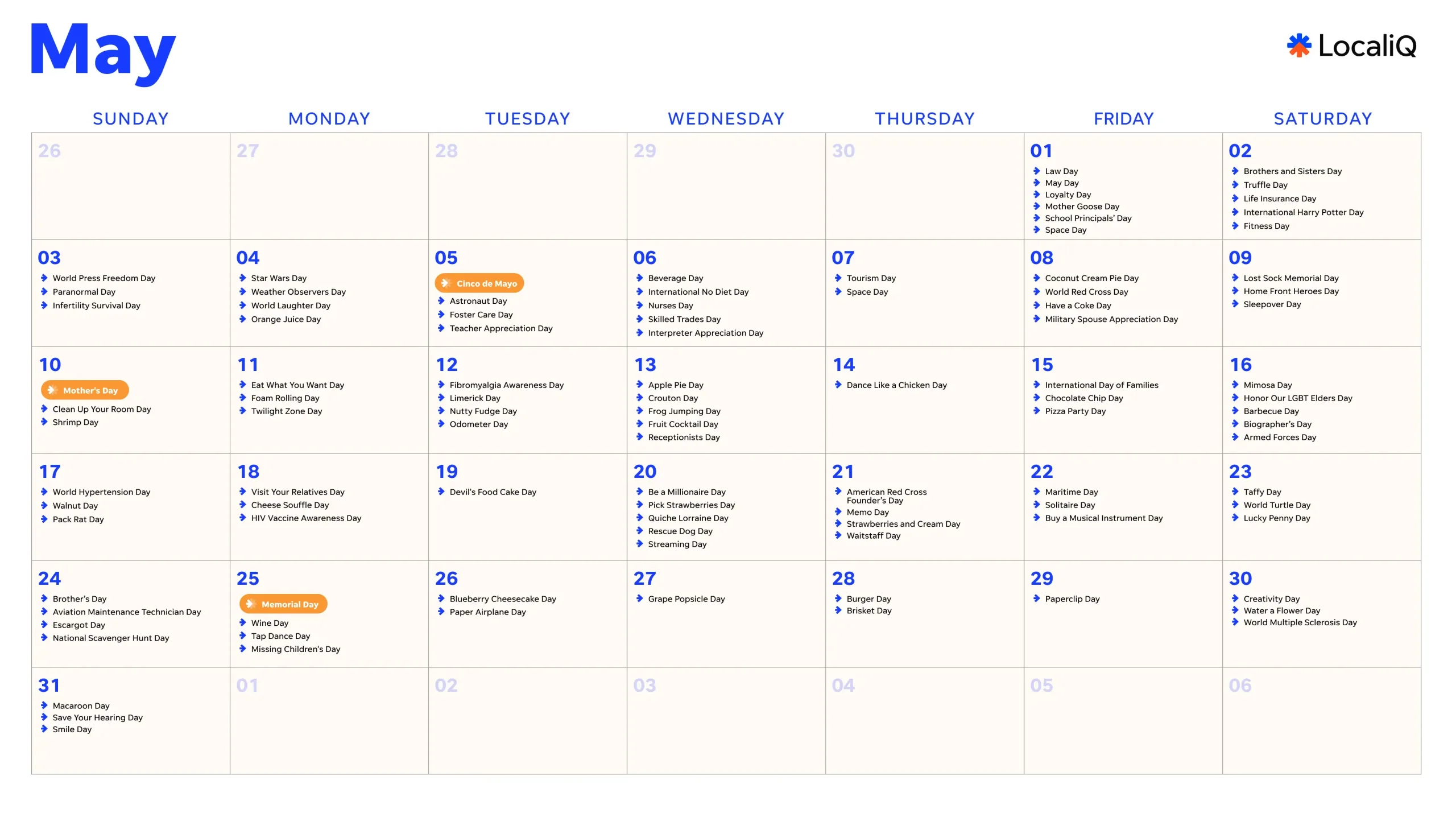
Why You Need a Marketing Calendar
There are several reasons why having a marketing calendar is essential for your business:
- Organization: A marketing calendar helps you stay organized and plan your content in advance.
- Consistency: By scheduling your content ahead of time, you can ensure a consistent presence across your marketing channels.
- Efficiency: With a marketing calendar, you can streamline your content creation process and avoid last-minute scrambling.
- Alignment: A marketing calendar helps you align your content with your overall marketing goals and objectives.
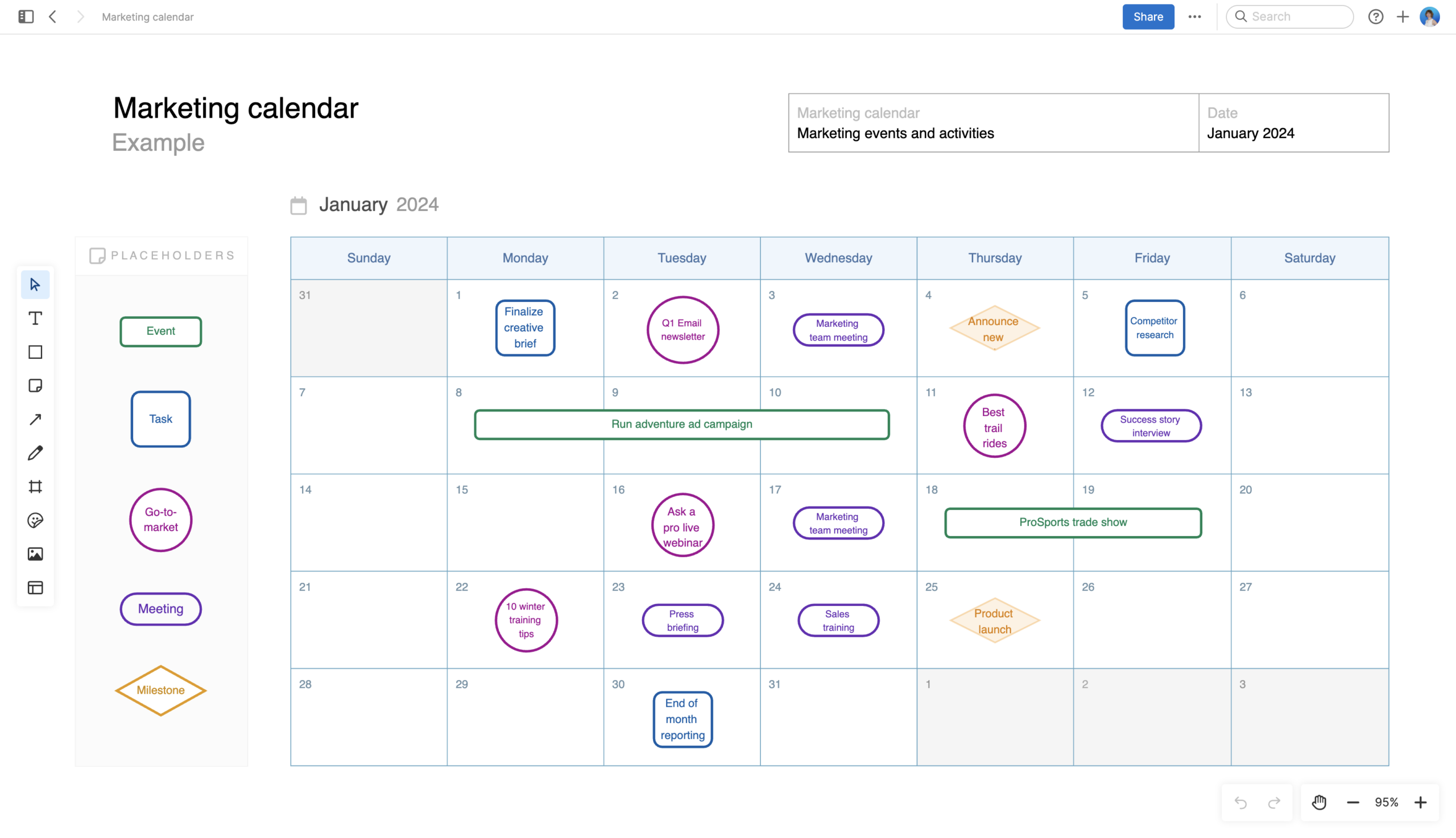
Key Elements of a Marketing Calendar
When creating a marketing calendar, there are several key elements to consider:
1. Content Categories
Organize your content by categories such as blog posts, social media updates, email campaigns, and promotions.
2. Publishing Platforms
Determine which platforms you will be using to publish your content, such as your website, social media channels, or email marketing software.
3. Content Deadlines
Set deadlines for each piece of content to ensure that it is completed and published on time.
4. Promotion Schedule
Plan how you will promote your content after it is published, whether through social media, email, or other channels.
5. Key Dates
Include important dates such as holidays, product launches, or industry events in your marketing calendar to align your content with these events.
6. Team Collaboration
Collaborate with your team members by assigning tasks, setting deadlines, and communicating effectively through the marketing calendar.
7. Performance Tracking
Track the performance of your content by monitoring key metrics such as engagement, traffic, and conversions.
8. Content Repurposing
Repurpose and recycle your content by updating and reusing it in different formats across various marketing channels.
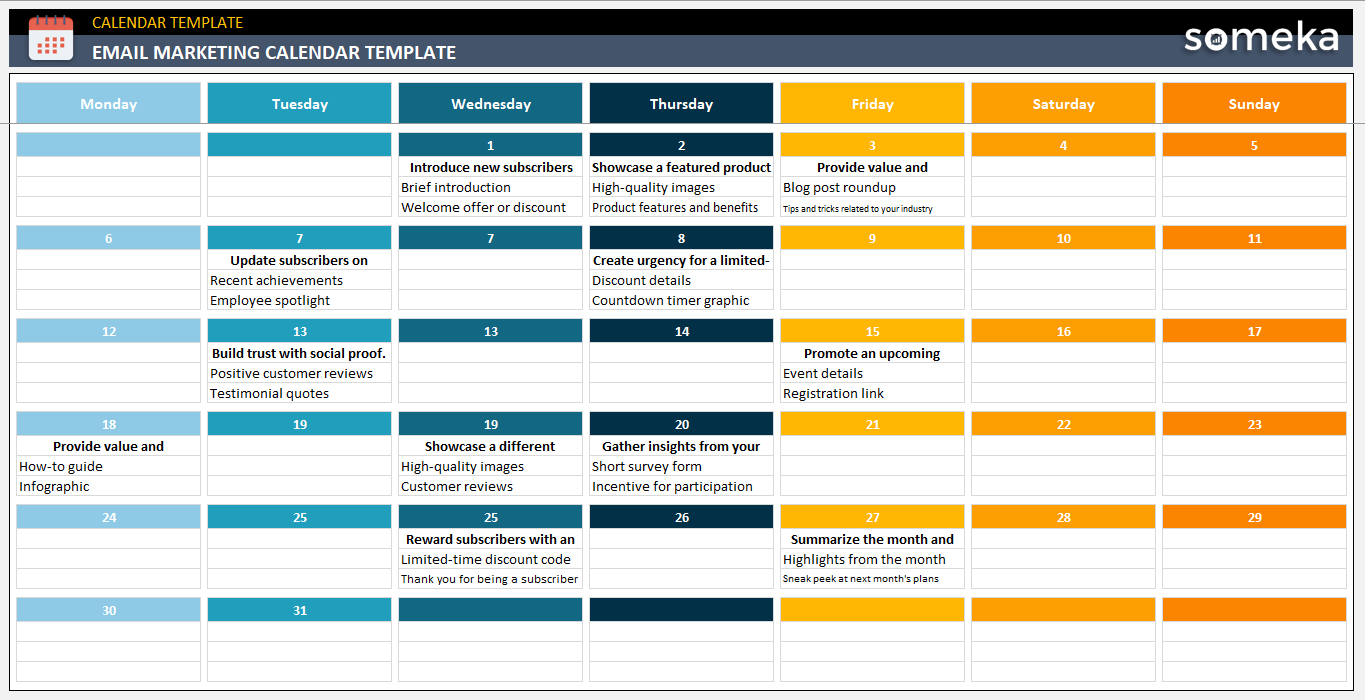
How to Create a Marketing Calendar
Here are some steps to help you create a marketing calendar for your business:
- Define Your Goals: Identify your marketing objectives and determine the type of content you need to achieve them.
- Choose a Tool: Select a marketing calendar tool that suits your needs, whether it’s a digital calendar, spreadsheet, or specialized software.
- Outline Your Content: Plan your content by creating a content calendar template with categories, topics, and deadlines.
- Schedule Your Content: Set dates for publishing your content and allocate time for promotion and distribution.
- Collaborate with Your Team: Involve your team members in the content creation process by assigning tasks and deadlines in the marketing calendar.
- Monitor and Adjust: Track the performance of your content and make adjustments to your marketing calendar based on the results.
Tips for Successful Marketing Calendar Management
Here are some tips to help you effectively manage your marketing calendar:
- Stay Flexible: Be prepared to make changes to your marketing calendar based on new opportunities or unforeseen circumstances.
- Communicate Regularly: Keep your team informed about the content schedule, deadlines, and any updates to the marketing calendar.
- Batch Your Content: Create content in batches to save time and maintain a consistent publishing schedule.
- Experiment and Iterate: Test different types of content and publishing schedules to see what works best for your audience.
- Use Automation Tools: Automate repetitive tasks such as social media posting and email scheduling to streamline your marketing efforts.
- Review and Reflect: Regularly review your marketing calendar to assess what’s working well and what can be improved for future planning.
By creating and maintaining a marketing calendar, you can take your content planning and execution to the next level. With a clear roadmap in place, you can stay organized, consistent, and strategic with your marketing efforts, ultimately driving better results for your business.
