An event program is far more than a simple schedule—it is the backbone of a well-organized and engaging event. Whether you are planning a corporate conference, a community gathering, a seminar, or a large-scale festival, the event program serves as a comprehensive guide that shapes the attendee experience. It communicates essential details such as timing, speakers, activities, sponsors, and venue layout, ensuring that everything runs smoothly from start to finish. At the same time, it acts as a powerful marketing tool, reinforcing the brand identity and message of the event.
In this article, we will explore the concept of an event program in depth, examining its purpose, importance, creation process, and best practices for success.
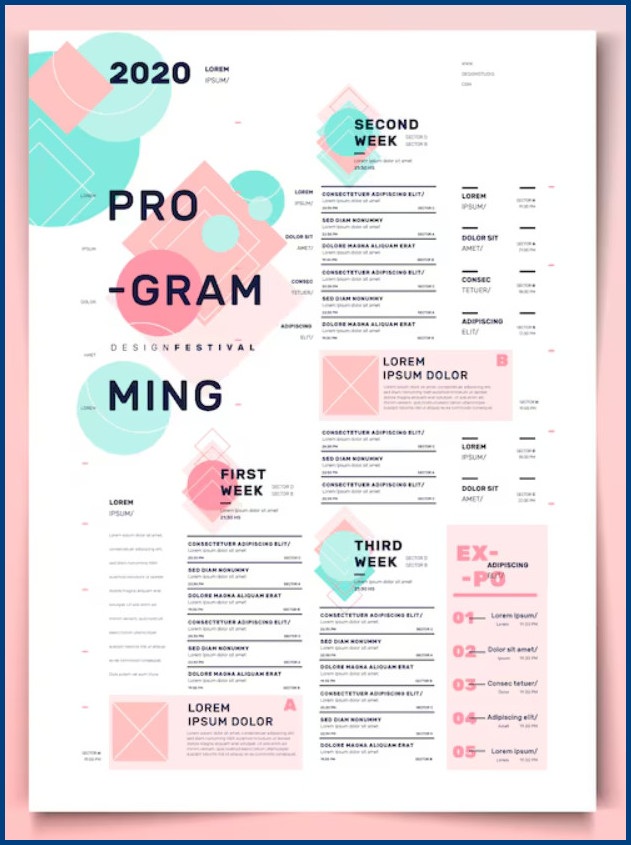
What is an Event Program?
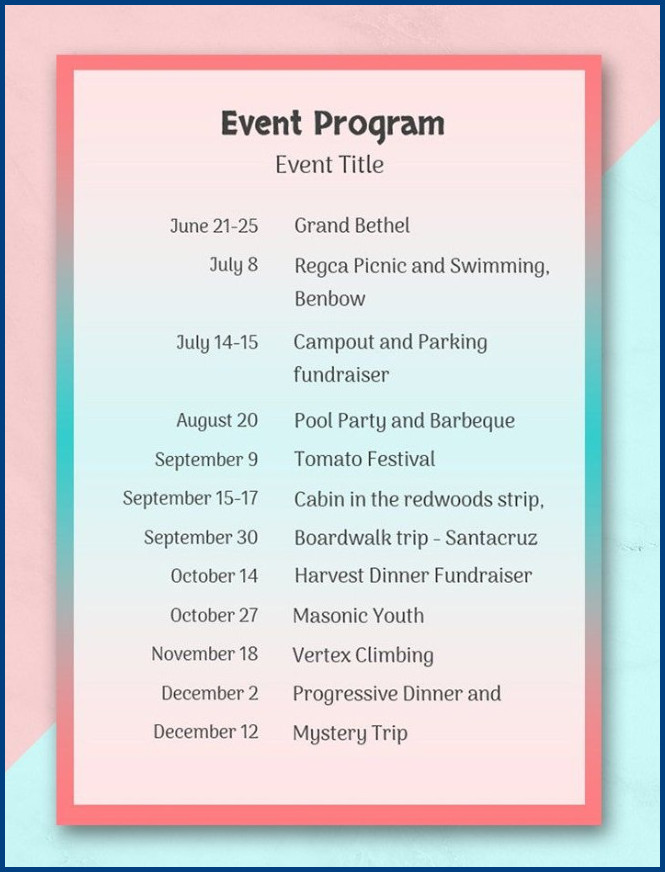
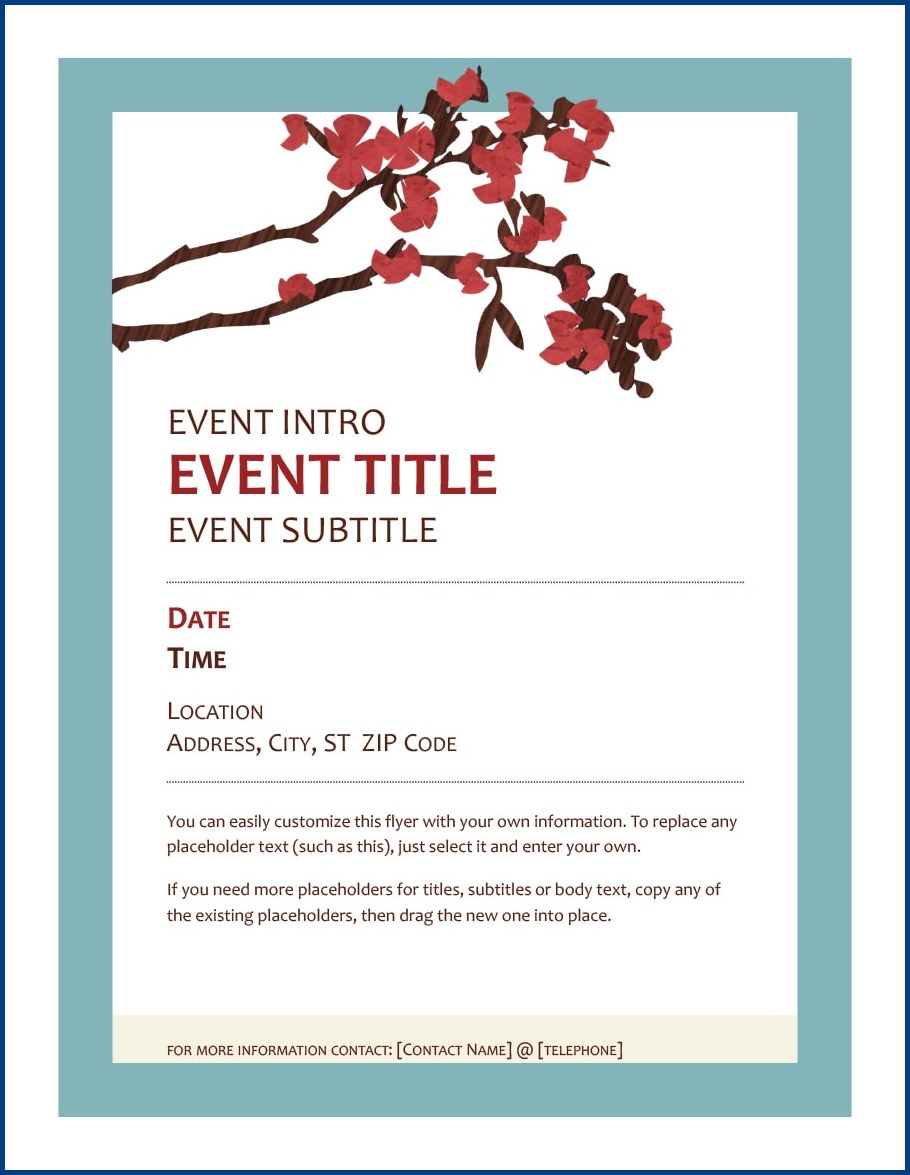
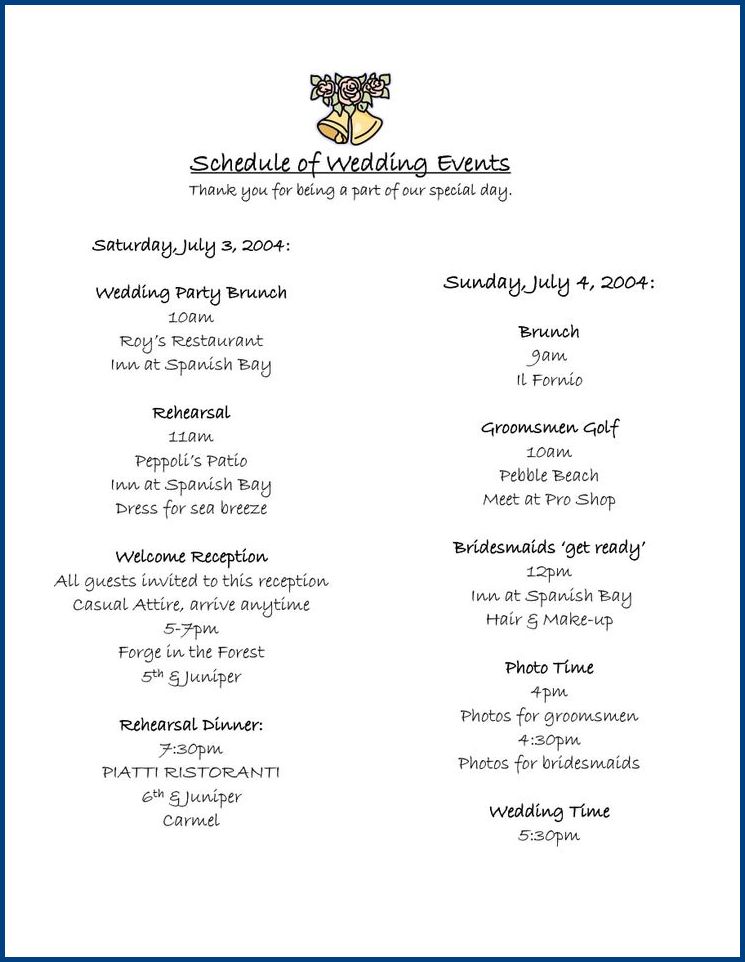
An event program is a structured document or digital guide that outlines all the key elements of an event. It provides attendees with a clear roadmap of what to expect, when activities will occur, and where they need to be at any given time. More than just a timetable, it integrates logistical details with strategic communication, offering a cohesive narrative that aligns with the event’s goals.
At its core, an event program is designed to simplify complexity. Events often involve multiple sessions, speakers, locations, and activities, which can easily overwhelm attendees without proper guidance. A well-crafted program brings clarity and coherence, ensuring that participants can navigate the experience with confidence and ease.
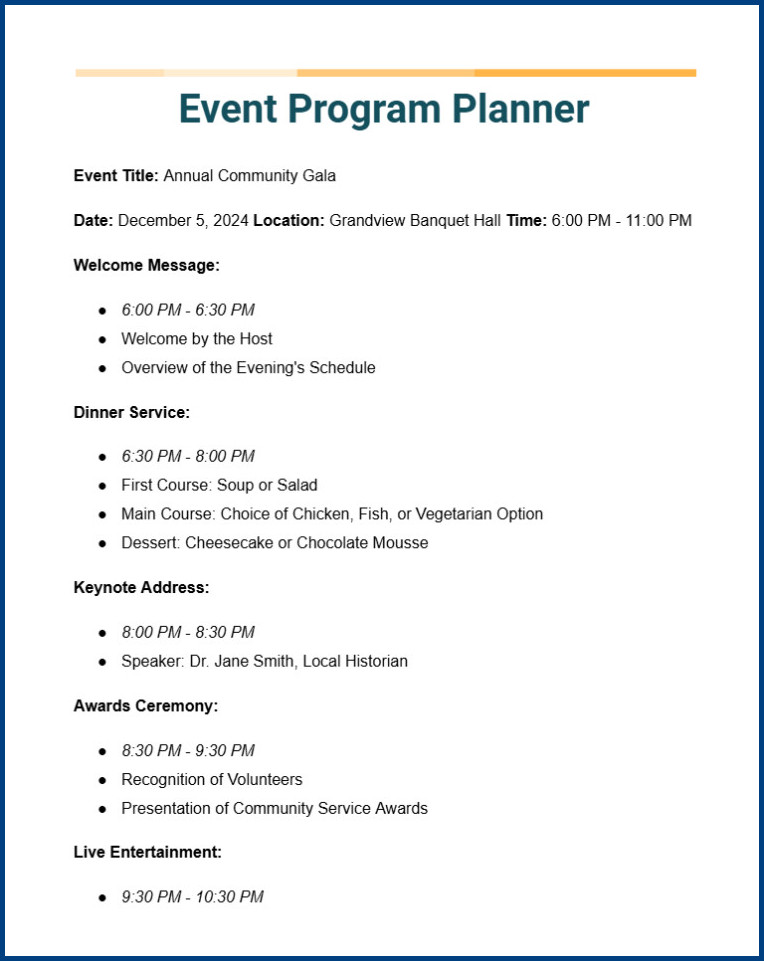
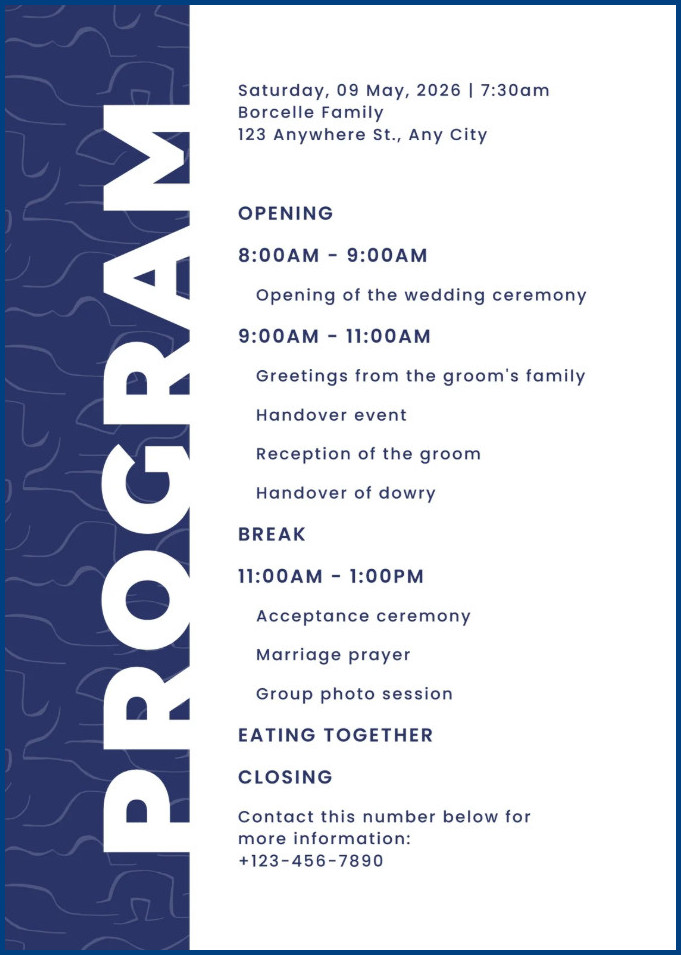
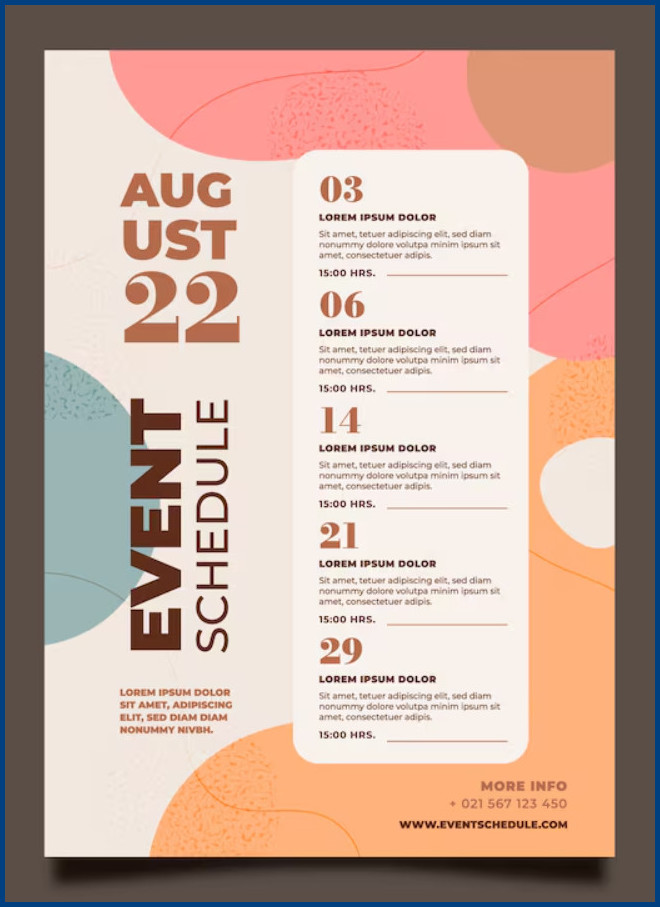
An event program typically includes several essential components. These may vary depending on the nature of the event, but generally consist of a detailed schedule, speaker profiles, sponsor acknowledgments, venue maps, and additional information such as guidelines or contact details. Each element contributes to creating a seamless and enjoyable experience for attendees.
Example:
Why is an Event Program Important?
The importance of an event program cannot be overstated. It plays a critical role in both the operational success of an event and the overall satisfaction of attendees. Without a well-designed program, even the most carefully planned event can appear disorganized and confusing.
- Enhances Attendee Experience. A clear and accessible program allows attendees to plan their time effectively, choose sessions of interest, and avoid missing key moments.
- Ensures Organizational Efficiency. Event organizers rely on the program as a reference point to coordinate activities, manage timing, and ensure that all elements run according to plan.
- Strengthens Brand Identity. The design, tone, and content of the program reflect the event’s brand, helping to communicate its message and values.
- Provides Marketing Opportunities. Sponsors and partners gain visibility through the program, making it a valuable tool for promotion and collaboration.
- Improves Communication. By consolidating all essential information in one place, the program reduces confusion and minimizes the need for constant announcements or clarifications.
- Acts as a Lasting Resource. Even after the event ends, attendees may refer back to the program for insights, contacts, or key takeaways.
How to Create an Effective Event Program
Creating an effective event program requires careful planning, attention to detail, and a deep understanding of the audience. It is not merely about listing activities; it involves crafting a coherent narrative that guides attendees through the event experience.
The process begins with defining the objectives of the event. Understanding the purpose—whether educational, promotional, or celebratory—helps shape the structure and content of the program. Once the goals are clear, organizers can outline the key components and determine how they will be presented.
Next, it is essential to develop a detailed schedule. This includes allocating time slots for each activity, ensuring that sessions do not overlap unnecessarily, and allowing for breaks and transitions. Timing should be realistic and flexible enough to accommodate unexpected changes.
Design is another crucial aspect. A visually appealing program enhances readability and engagement. Clear headings, consistent formatting, and intuitive navigation are essential for both printed and digital formats.
Finally, the program should be reviewed and tested before distribution. This ensures accuracy, clarity, and completeness, reducing the risk of errors that could disrupt the event.
How Event Programs Support Event Success
Event programs play a vital role in ensuring the success of an event by aligning all stakeholders and providing a shared framework for execution. They serve as a bridge between planning and implementation, translating ideas into actionable steps.
1. Aligning Stakeholders
An event program ensures that everyone involved—organizers, speakers, sponsors, and attendees—has a clear understanding of the event structure. This alignment reduces miscommunication and enhances collaboration.
2. Managing Time Effectively
Time management is one of the most challenging aspects of event planning. A detailed program helps maintain discipline, ensuring that sessions start and end on schedule.
3. Enhancing Professionalism
A well-organized program reflects professionalism and attention to detail. It creates a positive impression and builds trust among attendees and stakeholders.
4. Facilitating Navigation
Large events can be overwhelming, especially for first-time attendees. A program with clear directions and maps helps participants navigate the venue بسهولة.
5. Supporting Engagement
By highlighting key sessions and activities, the program encourages participation and keeps attendees engaged throughout the event.
6. Reducing Stress for Organizers
Having a structured plan reduces uncertainty and allows organizers to focus on execution rather than constant problem-solving.
7. Enabling Flexibility
While structure is important, a program also allows for adjustments. Clear documentation makes it easier to adapt to changes without losing control.
8. Creating a Cohesive Experience
A well-designed program ties all elements of the event together, creating a unified and memorable experience for attendees.
Tips for Successful Event Programs
To maximize the effectiveness of an event program, organizers should follow best practices that enhance clarity, usability, and impact.
- Keep It Clear and Concise. Avoid overwhelming attendees with excessive information. Focus on what is essential and present it straightforwardly.
- Use Visual Hierarchy. Organize content with headings, bullet points, and spacing to make it easy to scan and understand.
- Incorporate Branding. Use consistent colors, fonts, and logos to reinforce the event’s identity and create a professional appearance.
- Provide Multiple Formats. Offer both printed and digital versions to accommodate different preferences and ensure accessibility.
- Update Regularly. Ensure that the program reflects the latest information, especially if there are last-minute changes.
- Include Interactive Elements. For digital programs, consider adding links, maps, or notifications to enhance user experience.
Conclusion
An event program is an indispensable tool that transforms a collection of activities into a cohesive and engaging experience. It serves as a guide, a communication platform, and a marketing asset, all in one. By providing clarity, structure, and direction, it ensures that both organizers and attendees can navigate the event with confidence and ease.
In today’s dynamic event landscape, where expectations are higher than ever, a well-crafted event program can make the difference between a good event and an exceptional one. By understanding its importance, investing in thoughtful design, and following best practices, organizers can create programs that not only inform but also inspire.
Ultimately, an event program is more than just a document—it is the story of the event, carefully structured and thoughtfully presented to deliver a meaningful and memorable experience.
